Michigan Ruffed Grouse Numbers Today
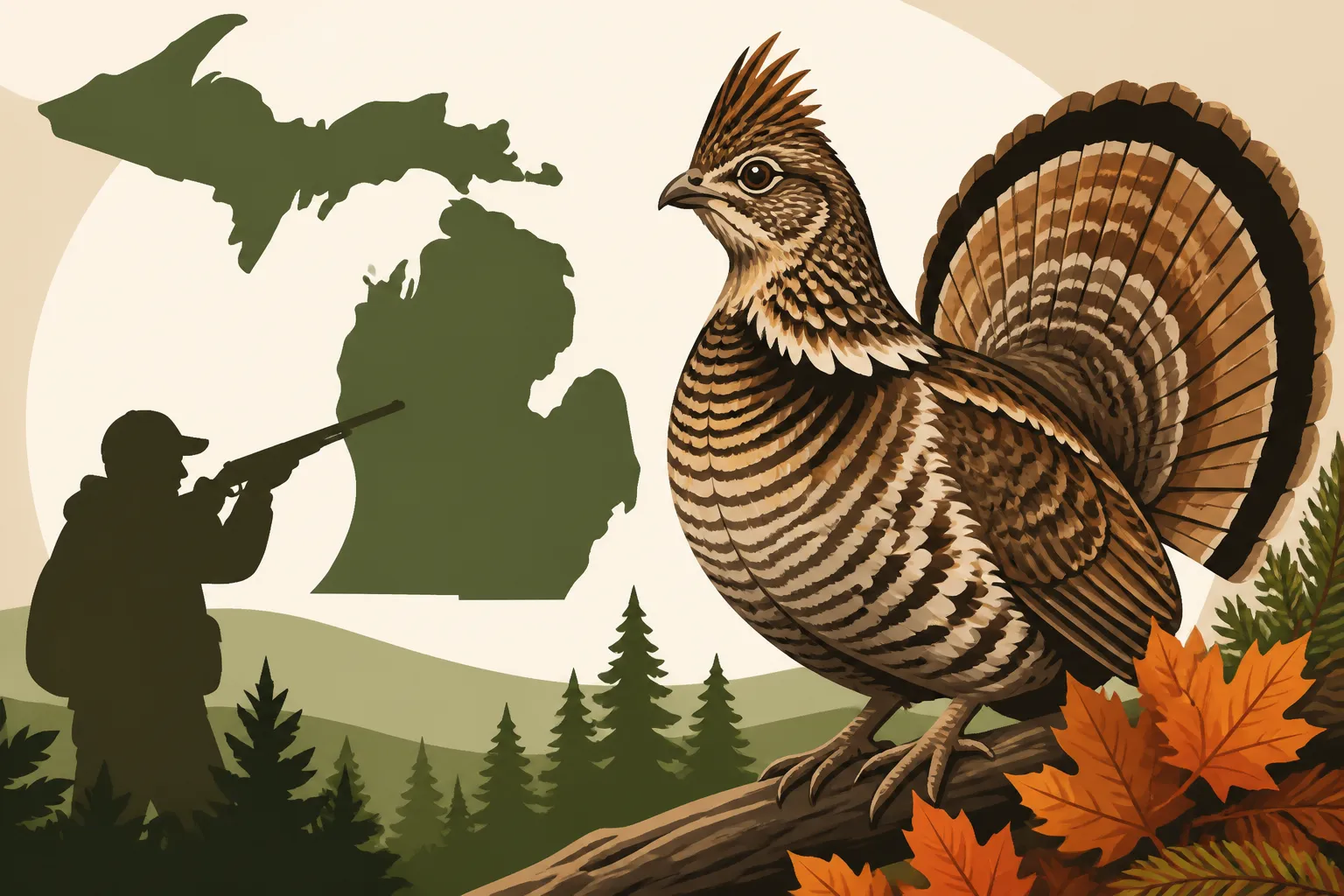
It feels like ruffed grouse numbers are always a bit of a rollercoaster, doesn't it? One season you're flushing birds every hundred yards, the drumming is constant, and the next, it feels like you're walking through empty woods, wondering where all the birds went. This natural ebb and flow can be incredibly frustrating for hunters who cherish the explosive flush of a grouse. If you’re trying to get a clearer picture of how Michigan's ruffed grouse population is doing right now and what factors are shaping their current status, you've come to the right place. This guide will delve deep into the latest trends, the science behind the cycles, and how all this impacts your time afield.
Understanding Michigan's Ruffed Grouse Population Today
For many of us, the ruffed grouse is more than just a game bird; it's a symbol of Michigan's wild, timbered country. But keeping tabs on their numbers can feel like a guessing game. Unlike deer or turkey, which often have more visible populations and more direct survey methods, grouse are elusive. Their population health is a complex tapestry woven from habitat, weather, predation, and those famous population cycles.
The Cyclical Nature of Grouse Populations
One of the most defining characteristics of ruffed grouse populations, not just in Michigan but across their northern range, is their cyclical nature. You often hear veteran hunters talk about "good grouse years" and "bad grouse years," and they're not just reminiscing – they're observing a real biological phenomenon. These cycles typically run for about 8 to 11 years, with numbers building from a low point, peaking, and then declining again. While the exact causes of these cycles are still debated among biologists, a combination of factors including predation, disease, and weather patterns are believed to play significant roles. For Michigan hunters, understanding these cycles is crucial because it helps temper expectations and informs scouting efforts. If you're consistently seeing fewer birds, it might not be a permanent decline, but simply where Michigan currently sits in the cycle. This means the woods aren't necessarily "empty," but perhaps the density of birds is lower, requiring different tactics. Michigan Ruffed Grouse Cycles delves into this in more detail.
Current Trends and Observations in the Great Lakes State
While it’s impossible to give you a precise, real-time count of every ruffed grouse in Michigan, biologists use various metrics to estimate population health. One of the most important is the spring drumming survey, where volunteers and DNR staff listen for the distinct drumming sound of male grouse. This is a reliable indicator of breeding male abundance. Recent observations suggest that Michigan's grouse population is experiencing its usual fluctuations within these cycles. There might be localized hot spots that seem to buck the trend, but statewide, the general pattern holds. Severe winters with persistent deep snow, or conversely, very wet, cold springs during nesting season, can have a noticeable impact, especially on chick survival. When a breeding season is tough, you'll see fewer young birds in the fall, which directly affects hunting success. Tools like GoHunt can often provide insights into general trends and hot spots reported by other hunters, giving you a wider perspective on where birds might be concentrated.
Factors Shaping Michigan's Ruffed Grouse Outlook
The fate of Michigan's ruffed grouse is inextricably linked to the quality and quantity of their habitat, as well as environmental pressures. It’s not just about how many birds survived the winter; it’s about whether they have the perfect recipe of food, cover, and breeding grounds to thrive.
The Indispensable Role of Habitat Management
Ask any seasoned grouse hunter what the most critical factor for healthy grouse populations is, and they'll likely say "habitat." Ruffed grouse are creatures of young, regenerating forests. They absolutely thrive in dense, shrubby cover, particularly stands of aspen (also known as "popple") that are 10-25 years old. These areas provide everything a grouse needs: dense overhead cover from raptors, thick understory protection from ground predators, and a constant food source from buds and catkins. Unfortunately, without active management like timber harvesting or prescribed burns, these preferred habitats mature and become less suitable for grouse.
Think of it like this: a clearcut that looks bare and unattractive to many initially will, in a few years, transform into a tangle of young aspen, birch, and brush. This "messy" stage is prime grouse real estate. In areas where aspen stands are aging and not being regenerated, grouse numbers will naturally decline, regardless of other factors. That's why Aspen Management and Michigan Grouse is such a crucial topic, and why organizations like the Ruffed Grouse Society champion sustainable timber harvesting practices. Many hunters spend hours Grouse Hunting Michigan Aspen Cuts, because that's where the birds are most likely to be.
Weather, Climate, and Their Impact on Survival
Michigan's weather is notoriously unpredictable, and these fluctuations can have a direct and often immediate impact on grouse survival and reproductive success. A harsh winter, especially one with prolonged periods of deep snow that crusts over, can make it difficult for grouse to "snow roost" – burrowing into soft snow to stay warm and safe from predators. This natural insulation is a critical survival mechanism. If snow conditions are poor, birds expend more energy staying warm and become more vulnerable.
Equally important is the weather during the spring nesting and brood-rearing periods. Cold, wet springs can lead to high chick mortality. Young grouse chicks are susceptible to hypothermia and are more prone to disease when they are constantly wet and cold. A long stretch of dry, warm weather during this crucial time can lead to a boom in young birds come fall. Conversely, a prolonged period of rain and cold can severely depress the year's recruitment, meaning fewer birds for hunters and a smaller breeding population going into the next year. It’s a delicate balance, and Michigan's variable climate keeps grouse populations on their toes.
Predation and Disease Concerns
While habitat and weather are significant drivers, predation and disease also play a role in shaping grouse numbers. Grouse face a gauntlet of predators, from raptors like goshawks and great horned owls to mammalian hunters such as coyotes, foxes, bobcats, and even house cats near rural areas. When grouse populations are at their low points in the cycle, the impact of predation can feel more pronounced because there are fewer birds to begin with.
Disease, though less frequently discussed, can also be a factor. West Nile Virus in Michigan Grouse has been a concern in some areas. While it hasn't decimated populations on a broad scale, localized outbreaks can contribute to declines. Healthy, robust habitat can help birds be more resilient to both predation and disease, as stronger birds are often better at evading predators and resisting illness. However, the exact interplay of these factors across the broad landscape of Michigan is complex and constantly monitored by wildlife biologists.
Regional Variations in Michigan Grouse Habitat
Michigan is a diverse state, and its ruffed grouse populations reflect that. What you find in the Upper Peninsula is often vastly different from what you encounter in the southern Lower Peninsula. Understanding these regional distinctions is key to successful grouse hunting.
Upper Peninsula Grouse Strongholds
The Upper Peninsula (U.P.) is often considered Michigan's grouse hunting paradise, and for good reason. It boasts vast tracts of state and national forest land, much of which contains the younger, regenerating aspen and mixed forests that grouse love. The sheer scale of public land and the historical logging practices have created a mosaic of habitat ages that benefits grouse. Counties in the central and western U.P., like Iron, Baraga, and Marquette, are frequently cited as top-tier grouse destinations. Here, you'll find plenty of public access, and while hunting pressure exists, it's often spread out over large areas. This region is home to some of the Best Michigan Counties for Grouse hunting opportunities.
The U.P. also tends to have more severe winters, which, paradoxically, can be beneficial for grouse if the snow is soft and deep enough for snow roosting, protecting them from predators and extreme cold. Hunting Michigan's Fall Turkey Season also often reveals good grouse numbers in the same aspen stands. Accessing information about timber cuts and forest management plans, sometimes available through resources like GoHunt, can help you pinpoint these prime areas before you even set foot in the woods.
Northern Lower Peninsula Challenges and Opportunities
The northern Lower Peninsula (NLP) also offers significant grouse hunting opportunities, though the landscape often presents different challenges. This region has a mix of state forests, private land, and some national forest acreage, particularly the Huron-Manistee National Forest. The key here is finding areas with actively managed timber, especially those younger aspen stands. While the NLP has a strong grouse tradition, some areas have seen habitat mature, leading to more localized populations.
Hunters in the NLP might need to work a bit harder to find consistent grouse cover compared to the U.P. Focus on state forest compartments that have seen recent logging activity. These areas might be smaller pockets of prime habitat, but they can hold good numbers of birds. Look for those "messy" areas, dense with young trees, briers, and thick brush, often near older stands of conifers for winter cover. Understanding Hunting the Northern Lower Peninsula can help you adapt your strategy to these varied conditions.
Southern Michigan's Limited Grouse Habitat
For hunters in southern Michigan, ruffed grouse are a much rarer sight. The landscape here is dominated by agriculture and urban development, leaving very few large, contiguous blocks of the early successional forest grouse require. While there might be isolated pockets on state game areas or larger private woodlots, grouse populations are generally sparse and highly localized.
Hunting for grouse in southern Michigan often means focusing on the fringes of existing woodlots, river bottoms with dense brush, or small, managed parcels of state land that might contain some younger forest growth. It's a testament to the bird's resilience that they can persist in these fragmented habitats, but it's certainly not where you'd go for a high-volume grouse hunt. Expect longer walks and fewer flushes, making each bird found a truly special encounter. If you're looking to hunt small game in this area, you might find more success with Rabbit Hunting With Beagles in Michigan or Squirrel Hunting Michigan Hardwoods.
What Michigan Hunters Need to Know About Current Grouse Trends
Understanding the bigger picture of grouse populations is one thing, but translating that into practical hunting strategies is another. Knowing the general trends helps you manage your expectations and refine your approach when you're out in the field.
Scouting for Success: Reading the Landscape
Given the cyclical nature and habitat dependency of ruffed grouse, effective scouting becomes incredibly important. You can't just expect to walk into any woods and find birds. Instead, you need to actively seek out prime habitat. Use online mapping tools, like those offered by GoHunt, to identify public land or areas where timber cuts have occurred in the last 5-15 years. Look for areas marked as aspen regeneration or mixed deciduous/conifer stands that appear thick on aerial photos. These are your starting points.
Once in the field, look for visual cues. Beyond just seeing birds, look for droppings, dusting sites (bare spots of dirt where birds have "bathed"), and "grouse sign" like clipped buds on aspen or birch saplings. If you're in an area with good cover but not finding birds, consider the time of day and recent weather. Grouse often feed more actively during certain times and may hunker down in dense cover during adverse conditions. Scouting Michigan Public Land Before Season is a great resource for developing these skills.
Adapting Hunting Strategies to Population Fluctuations
When grouse numbers are perceived to be at a low point in their cycle, it requires a different mindset and approach to hunting. Instead of expecting multiple flushes per hour, you might need to cover more ground, focusing on smaller, isolated pockets of prime habitat more thoroughly. This is where Flushing Grouse Without a Dog becomes a test of patience and skill, as you learn to slowly work through cover, anticipating flushes rather than just walking.
On the other hand, during peak years, you can often find success by focusing on slightly less dense cover or larger, more open aspen stands, as birds will be more spread out. No matter the year, always remember to hunt smart. Focus on edge habitats – where young aspen meets older conifers, or where a clearcut borders a swamp. These transition zones are often travel corridors and security cover for grouse. For equipment, make sure you have Upland Gear for Michigan Grouse Cover that can handle the thick stuff, and consider how your Upland Guns for Aspen and Alder perform in tight quarters. Remember, the challenge and reward of grouse hunting often lies in the pursuit, regardless of the population numbers.
| Region | Primary Grouse Habitat Type | Key Factors for Population Health | Typical Hunting Experience |
|---|---|---|---|
| Upper Peninsula | Extensive young aspen, mixed woods | Forest management, severe winters | High potential, vast public land, lower pressure per acre |
| Northern Lower Pen. | Scattered young aspen, mixed woods | Habitat fragmentation, logging activity | Good potential, requires more active scouting for prime spots |
| Southern Michigan | Very limited, fragmented woodlots | Habitat availability, development | Low potential, highly localized, incidental flushes |
Disclaimer
This article is for general informational purposes only and does not constitute professional advice. Laws, prices and regulations vary by location and change over time. Consult a qualified professional for guidance on your specific situation.