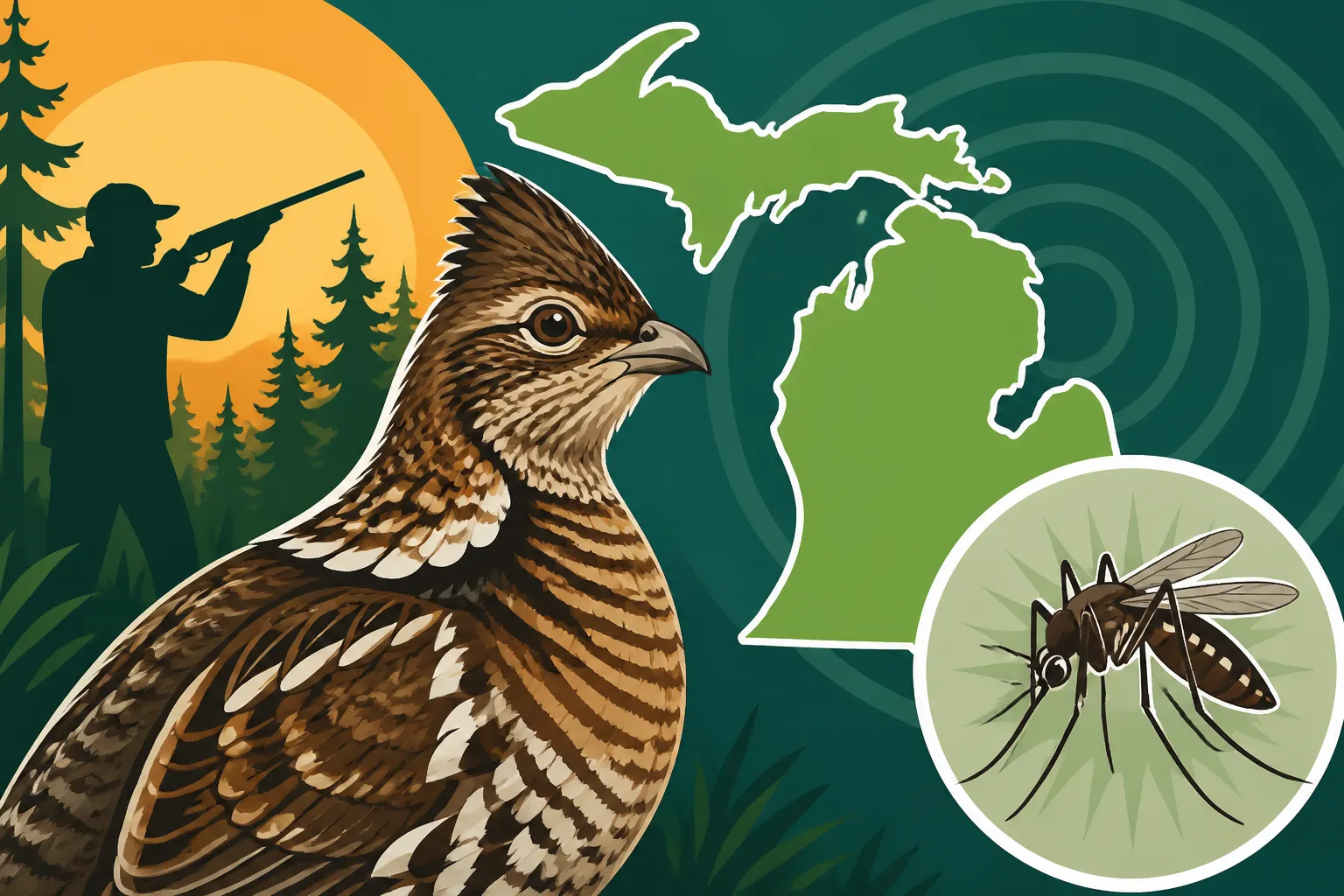
West Nile Virus in Michigan Grouse
It's a frustrating reality for Michigan grouse hunters: just when you think you've got the coverts figured out, another concern pops up. We spend our falls walking miles of aspen and alder, listening for those thundering flushes, and the last thing we want to worry about is a silent threat like West Nile Virus. This guide is here to shed some light on what West Nile Virus means for our beloved ruffed grouse, how it might impact your hunt, and what you can do to keep yourself and your trusted hunting companions safe while still enjoying the woods.
Understanding West Nile Virus and its Impact on Wildlife
West Nile Virus has been a topic of discussion in wildlife circles for quite some time, and it's natural for hunters to wonder what implications it holds for the game they pursue and the health of the ecosystems they cherish. For those of us who spend countless hours chasing the king of game birds, understanding the specific threat to grouse is paramount.
What Exactly is West Nile Virus?
West Nile Virus (WNV) is a mosquito-borne illness that first made its appearance in the Western Hemisphere in 1999, quickly spreading across the United States. It's a single-stranded RNA virus, and while it primarily affects birds, it can also infect humans, horses, and other mammals. The lifecycle of WNV is actually quite fascinating, in a not-so-good way. Mosquitoes become infected when they feed on infected birds, which then act as amplifying hosts, meaning the virus replicates within them to high levels. These infected mosquitoes can then transmit the virus to other birds or, incidentally, to mammals like us, through subsequent bites. The key takeaway here is that birds are the main reservoir, and mosquitoes are the primary vectors. It’s a relentless cycle, especially in warmer months when mosquito populations peak. You might think of it as a summer problem, but its effects can linger, impacting bird health well into the fall hunting seasons.
How WNV Affects Grouse and Other Birds
When we talk about WNV and grouse, it's not just a passing mention; ruffed grouse are considered highly susceptible to the virus. Unlike some bird species that might carry the virus with minimal symptoms, grouse often experience severe illness, and unfortunately, high mortality rates. This isn't just a handful of birds; in some areas, WNV has been implicated in significant declines in grouse populations, which is a major concern for anyone who values Ruffed Grouse and Woodcock in Michigan. Affected grouse might show a range of symptoms, though sometimes the first sign is simply finding a dead bird. If you do encounter a live, infected bird, you might notice neurological signs like tremors, weakness, stumbling, or an inability to fly straight. They can appear disoriented, lethargic, or have difficulty holding their heads up. For a bird that relies on its keen senses and lightning-fast escape tactics, these symptoms are a death sentence in the wild. The virus attacks their central nervous system, making them easy prey or simply unable to find food and water. These impacts, unfortunately, can contribute to the natural Michigan Ruffed Grouse Cycles, potentially exacerbating periods of low population.
The Broader Ecological Picture
WNV doesn't just pick on grouse. It impacts a wide array of bird species, with corvids (crows, jays, ravens) being particularly vulnerable and often serving as early indicators of WNV activity in an area. However, it's important to understand that susceptibility varies wildly across species. Some birds are quite resistant, while others, like our grouse, are very sensitive. This broad impact means that WNV can disrupt local ecosystems. While Michigan's wildlife management, including Aspen Management and Michigan Grouse, works hard to create thriving habitats, diseases like WNV introduce another variable into the health and stability of these populations. It's another puzzle piece in the complex picture of wildlife health, one that requires ongoing monitoring and understanding from both wildlife agencies and the hunting community. For instance, while you might be specifically looking for Grouse Hunting Michigan Aspen Cover, understanding the overall health of the bird population in that area helps you interpret what you're seeing.
Identifying and Mitigating Risks for Hunters and Dogs
The thought of an unseen threat affecting game birds is unsettling, especially when it raises questions about personal safety and the well-being of our loyal hunting dogs. But don't despair; knowledge is power, and there are practical steps we can all take to minimize risks and continue to enjoy our time afield.
Recognizing Symptoms in Grouse in the Field
Knowing what to look for when you're out hunting grouse can make a real difference. While it's rare to see a bird in the advanced stages of WNV, being aware of the signs allows you to make informed decisions. If you flush a bird that seems unusually slow, flies erratically, or tumbles out of the air for no apparent reason, it could be a sign of illness. Similarly, finding a grouse that appears disoriented, weak, or has an unkempt appearance might warrant caution. Of course, many factors can cause a bird to behave abnormally, including injury or simply being startled, but it's always wise to err on the side of caution. If you encounter a bird that exhibits these severe symptoms, it's generally best to avoid handling it directly. Instead, make a mental note of the location and consider reporting it to the Michigan Department of Natural Resources (DNR) so they can track potential outbreaks. Remember, you're not just a hunter; you're also an important set of eyes and ears for wildlife management.
Protecting Yourself from Mosquito-Borne Illnesses
While grouse are highly susceptible, human infections from WNV are relatively uncommon and often mild. However, severe cases can occur, so prevention is key. The simplest way to protect yourself is to avoid mosquito bites. This means wearing appropriate clothing, especially during peak mosquito activity, which often occurs at dawn and dusk. Long sleeves and pants, even when it’s warm, can create a barrier. Using insect repellents containing DEET, picaridin, oil of lemon eucalyptus, or IR3535 can be highly effective. Always follow the product instructions for safe application. Remember, mosquitoes are present throughout the grouse season, especially in the damp, wooded coverts that grouse love. So, whether you're working with a mapping app like GoHunt to pinpoint your next move or simply enjoying a quiet moment in the woods, always have your repellent handy. Being proactive about mosquito protection is a small step that goes a long way in ensuring your comfort and safety during Michigan Grouse Season Dates.
Keeping Your Hunting Dogs Safe from WNV
Our hunting dogs are often our most enthusiastic companions in the grouse woods, and their health is a top priority. Dogs, like humans, can contract WNV, but generally, they are less susceptible to severe illness. The good news is that there are West Nile Virus vaccines available for horses, and while not specifically labeled for dogs, some veterinarians may recommend them off-label for dogs in high-risk areas, especially for those spending a lot of time in the field. This is a conversation you should have with your veterinarian to determine the best course of action for your particular dog. Beyond vaccination, the same mosquito prevention strategies apply to your canine partners. Consider dog-specific insect repellents (never use human products on dogs without consulting your vet) or protective gear. If your dog does show symptoms after a hunt, such as fever, muscle weakness, coordination problems, or seizures, seek veterinary care immediately. Early detection and supportive care can make a big difference. After all, a healthy dog is a happy hunter, ready for another day chasing birds with you.
Michigan's Response and Monitoring Efforts
Understanding the official stance and ongoing efforts by the state is crucial for Michigan hunters. Our DNR plays a vital role in tracking wildlife diseases, and as hunters, we are often their best allies in the field.
DNR Monitoring and Data Collection
The Michigan Department of Natural Resources (DNR), in collaboration with other state and federal agencies, actively monitors for West Nile Virus and a host of other wildlife diseases. They conduct surveillance, collect samples from sick or dead birds, and analyze data to track the prevalence and spread of WNV within the state's bird populations. This isn't just about identifying problems; it's about understanding trends, assessing the impact on game species, and informing management decisions. They rely on reports from the public, including observant hunters, to identify potential hot spots and gather valuable information. Without this dedicated monitoring, we'd be in the dark about the true impact of diseases like WNV on species like the ruffed grouse. Knowing which counties might have a higher incidence of WNV helps the DNR to focus resources and potentially issue warnings or recommendations. You can often find updated information on these efforts through resources like GoHunt or directly from the Michigan DNR website, which helps hunters stay informed about Michigan Wildlife Disease Monitoring.
Hunter's Role in Surveillance
As hunters, we are uniquely positioned to contribute to wildlife health surveillance. We spend more time in the remote corners of Michigan's forests and fields than most, giving us an advantage in noticing unusual animal behavior or finding sick or dead wildlife. If you encounter a grouse, or any other bird, that appears sick, lethargic, or has died from unknown causes, your report is invaluable. When you encounter such a situation, it's best to avoid direct contact with the animal. Instead, note the precise location (GPS coordinates are ideal), take photos if possible, and contact the DNR wildlife division. They can provide guidance on what to do next and may wish to collect the specimen for testing. Your vigilance helps biologists understand the spread of diseases like WNV and protect our wildlife resources for future generations. It’s part of our responsibility as ethical hunters to be good stewards of the land and its creatures. Reporting a potentially diseased animal is a concrete action that truly helps, contributing to the broader data set that shapes how Michigan manages its wildlife. This is especially true when thinking about Reporting a Sick Animal in Michigan.
Eating Wild Game: Is it Safe?
This is perhaps one of the most common and critical questions for hunters when disease concerns arise. The good news is that there is generally a very low risk of humans contracting WNV from handling or consuming properly cooked game birds. The virus primarily resides in the blood and central nervous system of infected birds, not typically in the muscle tissue that we consume.
However, common sense and good hygiene are always paramount when handling any wild game. Here’s a quick rundown of best practices:
| Practice | Description |
|---|---|
| Wear Gloves | Always wear disposable gloves when field dressing or butchering game. This protects you from potential pathogens, not just WNV, but other bacteria that might be present. |
| Wash Hands Thoroughly | After handling any game, even with gloves, wash your hands thoroughly with soap and warm water. |
| Clean Utensils | Sanitize all knives, cutting boards, and surfaces that come into contact with raw game meat. A diluted bleach solution or hot, soapy water works wonders. |
| Cook Thoroughly | Ensure all game meat is cooked to an internal temperature of at least 165°F (74°C). Proper cooking destroys viruses and bacteria. |
| Inspect Meat | Visually inspect the meat. If it looks diseased, discolored, or has unusual lesions, it's always best to discard it. If you have any doubts about a bird's health, it’s better to be safe than sorry. |
If you happen to harvest a bird that looks perfectly healthy but you're still concerned, rest assured that cooking the meat thoroughly is your best defense. The likelihood of an otherwise healthy-looking grouse carrying a sufficient viral load in its muscle tissue to infect a human through consumption is extremely remote. So, continue to enjoy the fruits of your labor, perhaps making a delicious meal from your Best-Eating Game in Michigan, but always practice safe handling.
This article is for general informational purposes only and does not constitute professional advice. Laws, prices and regulations vary by location and change over time. Consult a qualified professional for guidance on your specific situation.