Reporting a Sick Animal in Michigan
It's never a pleasant experience to stumble upon a sick or injured animal in the wild, whether you're deep in the Huron-Manistee National Forest or just observing wildlife from your backyard in Grand Rapids. That knot in your stomach, the worry for the animal, and then the inevitable question: "What do I even do about this?" It's a common dilemma, and knowing the proper steps to take can make a real difference for both the individual animal and the broader Michigan ecosystem. This guide is here to walk you through how to recognize the signs of illness in wildlife and, crucially, how to report it effectively to the right authorities in Michigan.
Identifying the Signs of a Sick or Injured Animal
Spotting an animal that isn't acting quite right can be tricky, as wild animals are masters at hiding weakness. However, there are several key indicators that can alert you to potential illness or injury. These aren't just about the animal's immediate suffering; they can also be crucial clues for wildlife officials monitoring disease outbreaks.
Behavioral Anomalies to Watch For
The first thing to pay attention to is how an animal is behaving. Wild animals typically display predictable patterns of movement, feeding, and interaction. Any deviation from these norms should raise a red flag. For instance, a deer that usually bolts at your sight but now stands still, appearing disoriented or unafraid, is a significant concern. This unnatural lack of fear, or an animal acting unusually aggressive towards humans or other animals, can be a symptom of neurological diseases like rabies or Chronic Wasting Disease (CWD).
Think about a turkey that's wobbling or circling, unable to hold its head up properly, or a squirrel that's unusually lethargic and easily approached. These aren't typical behaviors. While you might be using resources like GoHunt to scout out new hunting locations and understand typical game movement, being aware of abnormal behavior is just as vital. Keep an eye out for animals that are moving in an uncoordinated way, stumbling, or even running into objects. Such signs are often indicative of neurological impairment and should be reported immediately.
Physical Indicators of Illness
Beyond behavior, physical appearance can offer clear clues that an animal is unwell. A healthy wild animal generally has bright eyes, a sleek coat or plumage, and moves with purpose. When you see a departure from this, it's time to take notice. For deer, look for excessive drooling, a dull coat, or ribs showing prominently even in seasons when food is usually abundant. Animals suffering from mange, like coyotes or foxes, will often have significant hair loss, especially around the face, tail, and hindquarters, often accompanied by crusty, thickened skin.
Birds might show ruffled feathers, discharge from their eyes or nostrils, or an inability to fly properly. Sometimes, an animal might have visible lesions, tumors, or open wounds that clearly indicate a problem. Swollen joints, limping, or dragging a limb are obvious signs of injury. Always maintain a safe distance when observing these signs, as some diseases can be transmitted to humans or pets. Note down as many details as possible – the location of the injury, its size, any discoloration – without getting too close.
Other Environmental Clues
Sometimes, the environment itself can provide context for an animal's condition. While not a direct sign of illness, seeing multiple dead animals in a localized area, especially without obvious signs of predation or collision, is a huge red flag. This could point to a widespread disease outbreak like EHD (Epizootic Hemorrhagic Disease) in deer or avian influenza in waterfowl. If you notice a particular species seems to be struggling across a wider area, or observe an unusual cluster of carcasses, it's definitely something to bring to the attention of the DNR.
Also, be mindful of any unusual discharge or excessive salivation around feeding areas or water sources. While baiting and feeding are largely banned in Michigan, if you come across a natural food source or a location where someone has illegally put out feed, and you see multiple animals exhibiting similar symptoms, that information is critical. It helps wildlife biologists track potential disease spread linked to congregation points.
Why Reporting Matters for Wildlife Management
Reporting a sick or injured animal might seem like a small act, but it's a vital component of wildlife management and public health in Michigan. Our wildlife populations face constant threats from disease, habitat loss, and environmental changes. Your observations can be the early warning system that allows wildlife professionals to intervene, understand, and mitigate these issues.
Protecting Public Health and Safety
Many wildlife diseases, known as zoonotic diseases, can jump from animals to humans or domestic pets. Rabies, for example, is a severe neurological disease that can be fatal if not treated promptly in humans. Seeing a fox, raccoon, or skunk acting aggressively or disoriented during the daytime should prompt an immediate report, not just for the animal's sake, but for community safety. Likewise, leptospirosis, tularemia, and giardia are other diseases that can be transmitted from wildlife to humans, often through contaminated water or direct contact.
By reporting animals exhibiting signs of these illnesses, you're helping health officials track potential outbreaks and issue public warnings, protecting not just other wildlife but also people and their beloved pets. The Michigan Department of Health and Human Services often works hand-in-hand with the DNR to monitor these situations, making your prompt report a crucial piece of the puzzle.
Monitoring Wildlife Disease Outbreaks
Michigan's wildlife biologists work tirelessly to monitor the health of various game and non-game species. Diseases like Chronic Wasting Disease (CWD) in deer, Bovine Tuberculosis (bTB) in deer, and Avian Influenza in birds are constant concerns. Your reports are incredibly valuable in this ongoing surveillance. When a hunter reports a deer acting strangely, or a concerned citizen calls about multiple dead birds, it provides the DNR with specific locations and types of symptoms, allowing them to collect samples for testing and identify areas where diseases are active.
Without public participation, it would be impossible for wildlife agencies to cover the vast landscapes of Michigan effectively. Every pair of eyes in the woods, whether you're out Scouting Michigan Public Land Before Season or just on a hike, contributes to a more robust disease monitoring program. These reports help determine disease prevalence rates, track spread, and inform management decisions, such as special regulations or targeted testing efforts. Understanding these diseases is paramount to ensuring the long-term health and sustainability of Michigan's diverse wildlife.
Informing Management Decisions and Research
The data gathered from public reports isn't just for immediate crisis management; it feeds directly into long-term wildlife research and management strategies. If biologists notice an increase in reports of deer exhibiting EHD symptoms in a particular region, they can then investigate habitat factors, water sources, or population densities that might be contributing to the spread. This information can influence decisions about antlerless quotas, habitat improvements, or even targeted culling in certain areas to control disease vectors.
Similarly, reports of Mange in Michigan Coyotes and Foxes can help researchers understand population health dynamics and the impact of disease on predator populations. Each report, even if it doesn't lead to an immediate intervention for that single animal, adds to a larger dataset that helps paint a comprehensive picture of wildlife health across the state. This cumulative knowledge ensures that Michigan's wildlife populations remain healthy and resilient for future generations of hunters and outdoor enthusiasts.
How to Report a Sick or Injured Animal in Michigan
So, you've seen something concerning. You've identified the signs, and you understand why reporting is so important. Now, what's the actual process for getting this information to the right people? It's straightforward, but knowing who to call and what information to provide will make your report much more effective.
Who to Contact: The Michigan DNR
The primary agency responsible for wildlife health in Michigan is the Department of Natural Resources (DNR). They have dedicated staff, including wildlife veterinarians and biologists, who investigate reports of sick or injured animals. For immediate reports, especially those involving public safety concerns (like potential rabies), calling is often the quickest method.
You can find contact information for the DNR on their official website. Many people also find the Michigan DNR Hunt Fish App a useful resource for general information and sometimes even for direct links to reporting services, though for urgent wildlife emergencies, a phone call is usually best. Remember, if it's a domestic animal (like a stray dog or cat) or an immediate threat to human life, your local animal control or 911 should be contacted first. For true wildlife concerns, the DNR is your go-to.
What Information to Gather Before Reporting
Before you make that call or fill out an online form, take a moment to collect as much detail as possible. This information is critical for DNR staff to prioritize and investigate your report efficiently.
Here’s a checklist of key details to have ready:
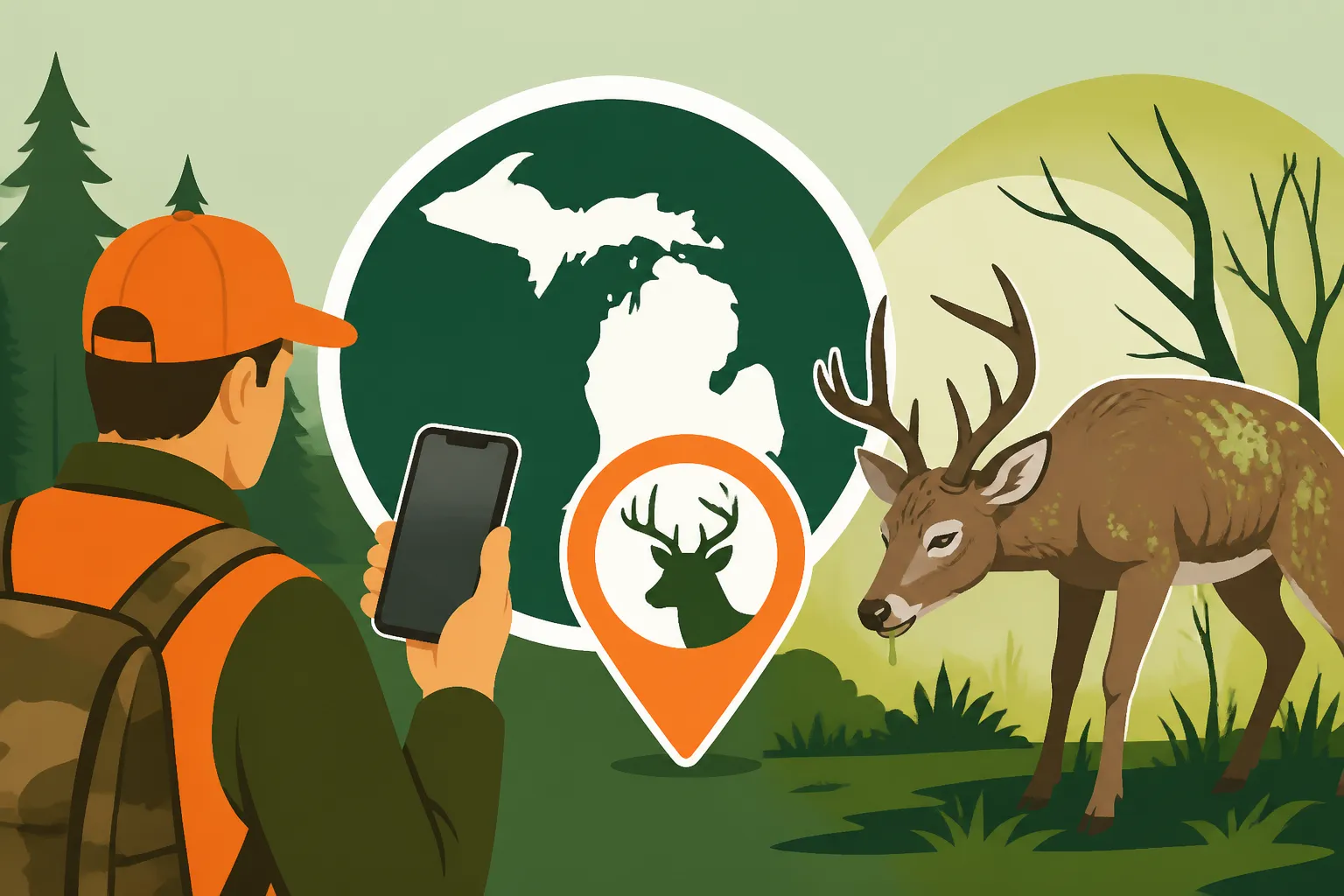
- Precise Location: This is paramount. Provide an exact address, intersection, road name, or GPS coordinates if possible. If you're on public land, reference specific trails, two-tracks, or landmarks. "Near the big oak tree by the creek off Smith Road, about 2 miles east of the county line" is much more helpful than "somewhere in the woods." Tools like your phone's mapping app or even a dedicated hunting app can help you pinpoint this.
- Species of Animal: Clearly identify the animal. Is it a white-tailed deer, a wild turkey, a coyote, a squirrel, or something else?
- Number of Animals: Is it just one sick animal, or have you observed multiple individuals exhibiting similar signs? This is particularly important for potential disease outbreaks.
- Observed Symptoms/Behavior: Describe exactly what you saw. Was it stumbling? Foaming at the mouth? Had patchy fur? Was it lethargic? Aggressive? Was it unable to fly?
- Date and Time of Observation: Knowing when you saw the animal helps the DNR determine how recent the sighting is and can inform their response timeline.
- Your Contact Information (Optional but Recommended): While you can often make an anonymous report, providing your name and phone number allows DNR staff to follow up with you for more details if needed, which can greatly assist their investigation.
Here's a quick reference table for common disease signs and what to note:
| Animal Species | Common Disease/Issue | Key Symptoms to Report |
|---|---|---|
| Deer | CWD, EHD, bTB | Emaciation, lethargy, drooling, unusual aggression, disorientation, unusual lesions/swellings, multiple dead deer |
| Coyote, Fox, Bear | Rabies, Mange | Unnatural fearlessness, aggression, disorientation, foaming at mouth, significant hair loss, skin crusting |
| Raccoon, Skunk | Rabies | Nocturnal animals active during day, aggression, stumbling, paralysis, unusual vocalizations |
| Birds (Waterfowl) | Avian Influenza | Head tilt, tremors, circling, paralysis, sudden death of multiple birds, respiratory distress |
| Birds (Upland) | West Nile Virus | Lethargy, unable to fly, weakness, tremors |
| Any Mammal | Rabies | Aggression, disorientation, paralysis, foaming at mouth, unusual vocalizations |
Making the Report: Phone or Online
Michigan's DNR provides a couple of ways to report. For general observations that aren't immediately urgent or life-threatening, many people use the DNR's online reporting system, often found under "Report Wildlife Observation" or similar on their website. This is great for non-emergency observations, such as seeing a Bobcat Hunting in the Upper Peninsula that looks a bit thin but isn't actively sick.
For more urgent matters, or if you suspect rabies or a widespread disease, calling the appropriate DNR contact number is best. The DNR's main customer service line can direct you to the right division, or you can often find regional wildlife offices with more direct lines. In critical public safety scenarios, such as an aggressive animal in a populated area, consider calling 911, and they will coordinate with the proper authorities. Remember, the goal is to get the information to the experts as quickly and accurately as possible so they can assess the situation. Your diligence helps Michigan Wildlife Disease Monitoring immensely.
What Happens After You Report
Once you've made your report, it's natural to wonder what happens next. The process can vary depending on the nature and urgency of your observation, but understanding the general workflow can help manage expectations.
DNR Assessment and Response
Upon receiving your report, DNR staff will assess the information provided. They'll consider the species, symptoms, location, and potential public health implications. For high-priority reports, such as a deer showing severe CWD symptoms in a known CWD management zone, or an animal suspected of having rabies, a rapid response team might be dispatched to the location to investigate. They may attempt to locate the animal, observe it, and potentially collect it for testing.
For less urgent reports, or those involving common ailments that don't pose a widespread threat, the information may be logged into a database for long-term monitoring. For example, if you report a coyote with mild mange, the DNR might record the sighting but not necessarily dispatch a team immediately, as mange is a fairly common affliction. However, if they start getting multiple reports of severe mange in a concentrated area, it might trigger a more active investigation. Your report becomes a data point in the broader effort to track wildlife health.
The Role of Testing and Research
If an animal is collected, it will often be sent to a veterinary diagnostic laboratory for testing. This is particularly true for diseases of high concern like CWD, bTB, or rabies. Laboratory tests are crucial for confirming the presence of specific pathogens and for understanding their prevalence and distribution across the state. For instance, extensive testing is done on deer harvested by hunters and on those found dead or exhibiting unusual symptoms, all contributing to the Chronic Wasting Disease in Michigan surveillance program.
The results of these tests are vital for Michigan's wildlife managers and public health officials. Positive test results can trigger specific actions, such as increased public awareness campaigns, targeted hunting regulations, or enhanced carcass management rules. This information also contributes to ongoing scientific research into wildlife diseases, helping experts develop better strategies for prevention and control. It's a continuous cycle of observation, reporting, testing, and informed management, all aimed at protecting Michigan's natural heritage.
Why You Might Not See Immediate Action
It's important to understand that in many cases, especially for non-critical reports, you might not see an immediate visible response from the DNR. Wildlife agencies have limited resources, and they must prioritize reports based on urgency and potential impact. A single report of a limping squirrel, while noted, is unlikely to lead to a direct field response compared to multiple reports of deer with severe neurological symptoms.
Also, wild animals can be incredibly elusive. Even with precise location data, finding a specific sick animal in a large area of dense cover, especially after some time has passed since the initial sighting, can be like finding a needle in a haystack. The animal may have moved on, recovered, or unfortunately, succumbed to its illness. Your report, however, has still served its purpose by contributing valuable data. It's about collective action and long-term trends, not always about immediate rescue of an individual animal. Continue to be observant and report future sightings; every piece of information helps the larger picture of Michigan's wildlife health.
Disclaimer
This article is for general informational purposes only and does not constitute professional advice. Laws, prices and regulations vary by location and change over time. Consult a qualified professional for guidance on your specific situation.