Diver Ducks on the Great Lakes
For many Michigan waterfowlers, the thought of hunting diver ducks on the vast expanse of the Great Lakes can feel intimidating, even outright dangerous. It's not like setting up in a cattail marsh or hiding along a river bend; this is a whole different beast, requiring specialized gear, a keen eye on the weather, and a solid understanding of these unique birds. This guide will walk you through everything you need to know to confidently and safely pursue diver ducks on Michigan's magnificent Great Lakes, from understanding the species to mastering the art of big water spreads.
Understanding Michigan's Diver Duck Species
Before you can even think about heading out onto the big water, you need to know your target. Diver ducks are a distinct group of waterfowl, different from the puddle ducks most hunters are familiar with. They get their name from their primary feeding method: diving deep underwater to grab mussels, aquatic plants, and small fish. This behavior, along with their robust bodies and powerful wings, dictates where they live, how they fly, and how you hunt them.
Key Diver Species You'll Encounter
Michigan's Great Lakes host a spectacular array of diver ducks, each with its own charm and challenge. Knowing which species you're looking at, both in the air and on the water, is crucial for successful hunting and for adhering to specific bag limits. You'll often find these birds congregating in large rafts, sometimes numbering in the thousands, making for truly unforgettable spectacles.
Among the most sought-after are the Canvasback, often called the "King of Ducks" for its regal appearance and challenging flight. These birds are swift and powerful flyers, instantly recognizable by their sloped forehead and chestnut-red head (on drakes). Redheads, with their distinct round, reddish head and blue bill, are another common sight, often associating with Canvasbacks. Then there are the Scaup, affectionately known as "Bluebills" – Lesser Scaup and Greater Scaup. They are perhaps the most numerous divers, with drakes sporting a dark head that often shows a purplish or greenish sheen, a white side, and a blue bill. Bluebills are incredibly hardy birds, often staying on open water until ice forces them to move.
Don't forget the beautiful Goldeneyes, named for their striking yellow eyes. Both Common Goldeneyes and Barrow's Goldeneyes are found here, though the Common is far more prevalent. These birds are compact, fast, and often found closer to shore or in river mouths connected to the lakes. Buffleheads are tiny, black and white dynamos, and Ring-necked Ducks, while sometimes mistaken for scaup, have a distinct ring around their bill and often prefer slightly shallower, more vegetated waters, though they will certainly use the Great Lakes. Each species presents a different hunting experience, from the high-speed passes of scaup to the majestic, high-flying approach of canvasbacks.
Diver Behavior and Migration Patterns
Diver ducks are true nomads, driven by instinct and the relentless march of seasons. The Great Lakes serve as critical migration corridors and vital staging and wintering grounds for millions of these birds annually. Understanding their behavior is key to anticipating their movements and setting up successfully. Unlike puddle ducks that dabble in shallow water, divers prefer deeper, open water where they can forage for their favored foods like zebra mussels, quagga mussels, and various aquatic plants. This means they are often found far from shore, away from the sheltered bays and wetlands.
Their migration timing is heavily influenced by cold fronts and freezing water. As northern waters begin to skim with ice, divers will push south, seeking open water. This often means that the prime diver hunting opportunities on the Great Lakes coincide with some of the nastiest, coldest weather of late fall and early winter. They typically feed heavily in the morning and evening, resting in large rafts on the open water during the day. Their flight patterns tend to be direct, low over the water, and incredibly fast, often in tight formations, making them challenging targets. Observing these patterns during your scouting trips or even on the morning of a hunt can give you a significant edge. They'll often fly consistent lines between their feeding and resting areas, and setting up along these invisible highways is the name of the game.
Prime Great Lakes Hunting Locations and Conditions
Hunting diver ducks on the Great Lakes isn't a "show up and shoot" affair. It demands meticulous scouting, a deep respect for the elements, and an understanding of where these birds want to be. Michigan's vast freshwater seas offer incredible opportunities, but they also demand your utmost attention to safety and strategy.
Identifying Productive Water
Michigan's coastline offers some truly phenomenal diver hunting, if you know where to look. The key is finding areas with the right depth, food sources, and protection from the worst of the waves, but still exposed enough for divers. Foremost among these areas is Saginaw Bay, a massive, relatively shallow indentation of Lake Huron that acts as a magnet for migrating waterfowl. The bay's abundant food sources, particularly mussels, draw in huge numbers of scaup, redheads, and canvasbacks. Similarly, Lake St. Clair is world-renowned for its diver hunting, particularly for Canvasbacks on Lake St. Clair. Its shallow, fertile waters and extensive weed beds provide a buffet for these birds, making it a hotspot, especially during peak migration. Lake Erie's western basin, another relatively shallow area, also sees significant diver concentrations, as do parts of northern Lake Michigan and Lake Huron, especially around islands or shoals.
When you're scouting, look for subtle underwater structures that divers favor. These include shoals, points, and sudden depth changes that concentrate food. Satellite imagery and marine charts are your best friends here. You'll be looking for patches of lighter bottom indicating shallower water or sand bars, often adjacent to deeper troughs. Pay attention to wind direction, as divers will often raft up on the lee side of islands or major points to escape strong winds. Don't be afraid to put in the time with your binoculars, even days before the hunt, to identify where birds are consistently feeding and resting. Knowing where the birds want to be will dictate where you set up your spread. You can often find areas by observing bird activity on calm days from shore, then using mapping software like GoHunt to pinpoint those exact locations for future reference.
Weather, Wind, and Water Safety
This is where Great Lakes diver hunting truly separates the casual from the committed. The Great Lakes are not to be trifled with. Weather and wind don't just affect hunting success; they dictate whether you can even go out, and crucially, if you can come back safely. A gentle breeze can whip up into a dangerous chop in minutes, making travel and hunting impossible, or worse, deadly. Always, always, always check the marine forecast before planning a hunt, and have a backup plan. A small craft advisory is your cue to stay home, or at least stick to much more sheltered waters.
Ideal conditions for diver hunting often involve a moderate chop that provides movement to your decoys but isn't so rough that it makes boat handling or shooting unsafe. A stiff wind can be your friend, pushing birds low over the water and making them work harder to reach your spread, but there's a fine line. Understanding how wind direction and speed will affect wave action on your chosen water body is paramount. Know your boat's capabilities and your own limits. Big Water Safety in a Layout Boat cannot be overstated. Always have all required safety gear: life jackets (worn, not just stored!), flares, an air horn, a first aid kit, and reliable communication. Hypothermia is a constant threat in cold water, even if you're wearing waders. If in doubt, stay on shore. No duck is worth risking your life.
Specialized Gear for Great Lakes Diver Hunting
Hunting the Great Lakes for divers is not a minimalist affair. It requires a specific arsenal of gear designed to contend with large bodies of water, cold temperatures, and the unique challenges of decoying deep-water birds. Skimping on quality or essential items here isn't just inefficient; it can be dangerous.
Layout Boats and Tender Vessels
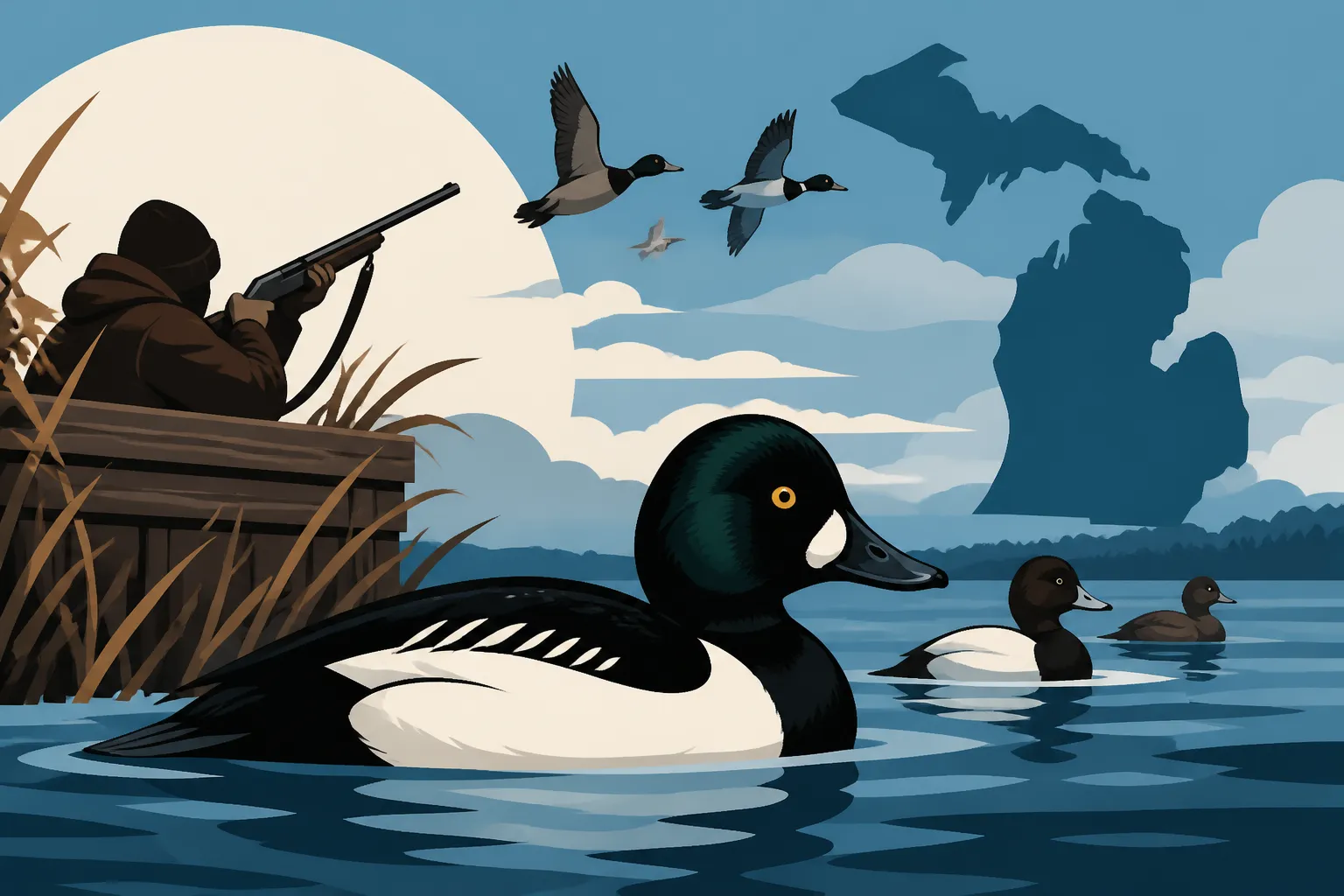
At the heart of a Great Lakes diver hunt are two essential watercraft: the layout boat and the tender boat. The layout boat is a low-profile, coffin-like vessel designed for ultimate concealment on the open water. You lie down in it, practically at water level, making you invisible to approaching ducks. These boats are incredibly stable for their size but are not self-propelled. They are typically towed out to the hunting location and anchored firmly within the decoy spread. Because you are so low to the water, you literally become part of the spread. Layout Boats for Great Lakes Divers are purpose-built and differ significantly from typical duck boats.
The tender vessel, on the other hand, is usually a larger, more conventional boat (a durable Jon boat, a deep-V fishing boat, or even a small cabin cruiser) that transports the layout boat, decoys, hunters, and all the gear to the hunting spot. More importantly, it serves as the command center, a safety platform, and the retrieval vessel. After dropping off the layout boat and hunters, the tender boat motors away a safe distance (usually several hundred yards) to act as a lookout and to retrieve downed birds. Tender Boats and Safety on Big Water is critical, as the tender ensures that hunters in the layout boat are never stranded and have a safe haven from changing weather. It also allows for efficient bird retrieval without spooking other ducks working the spread.
Decoys, Spreads, and Motion
Decoying diver ducks is an art, and it often involves a lot more plastic than your typical marsh setup. Divers are flocking birds, and a large, convincing spread is often the key to pulling them in from a distance. You'll want sturdy, oversized diver decoys that stand out on the choppy water. Species-specific decoys are important for drawing in specific birds, but a good mix of scaup, redheads, and canvasbacks will generally do the trick. The dark backs and bright white sides of scaup drakes, or the bold contrast of canvasbacks, make them highly visible from above.
Traditional diver spreads are designed to mimic large feeding or resting rafts. Long lines are popular, where multiple decoys are clipped to a single mainline, often extending hundreds of feet. These can be set in a J-hook, a V-shape, or even a giant blob, depending on the current, wind, and how you want birds to approach. The goal is to create an inviting landing zone, often an open "hole" in the middle of the spread, where birds feel safe to land. Diver Decoy Spreads and Long Lines are particularly effective because they create a large, visible footprint on the water. Motion decoys, such as spinning wing decoys designed for water use or even simple jerk strings, can also add realism and draw attention, especially on calm days when the natural movement of the water isn't enough to animate your spread.
Ammunition and Clothing Considerations
When hunting divers on the Great Lakes, your gear needs to stand up to extreme conditions. Ammunition selection is crucial: Michigan, like all states, requires non-toxic shot for waterfowl hunting. Steel shot is the most common and affordable option, but heavier-than-lead alternatives like bismuth or tungsten-based loads offer superior performance, especially for those longer shots often encountered with fast-flying divers. Shot sizes like #2, #3, or even BB for larger birds like canvasbacks, are generally preferred for their knockdown power and range. Make sure to pattern your shotgun with your chosen Waterfowl Loads for Michigan Divers to understand its effective range.
Clothing is perhaps even more critical than ammunition. You will be exposed to wind, waves, and potentially freezing spray. Layering is non-negotiable. Start with moisture-wicking base layers, add insulating mid-layers (fleece or wool are excellent), and top it all off with a completely waterproof and windproof outer shell. Insulated chest waders are essential, not just for warmth but as a primary barrier against immersion. Never compromise on foot protection – warm, waterproof boots are key. And, as mentioned before, a properly fitted and worn Life Jackets for Layout Hunting is your most important piece of safety gear. Even experienced hunters can find themselves unexpectedly in the water, and hypothermia can set in rapidly in cold Great Lakes water.
Effective Tactics for Diver Duck Hunting
Once you have your gear sorted and the weather cooperates, it’s time to talk tactics. Diver hunting is a game of precision, patience, and understanding how to manipulate the environment and the birds to your advantage. It’s not about blasting away; it’s about drawing them in close for clean, ethical shots.
Setting Up Your Spread
The meticulous placement of your decoy spread is paramount when hunting diver ducks on the Great Lakes. Unlike hunting in a small marsh, where a dozen decoys might suffice, big water often demands hundreds. The size of the Great Lakes means birds are often seeing your spread from a great distance, so you need a large, visible footprint. Consider the prevailing wind and current. Divers almost always land into the wind, so your spread needs to be positioned to encourage them to approach from a specific direction, ideally over the layout boat.
Anchor your decoys securely. The waves and current on the Great Lakes are powerful, and you don't want your spread to drift or tangle. Use heavy anchors and strong line for your long lines. The "landing zone" within your spread should be directly in front of the layout boat, giving you the best shot angles. Some hunters create a "runway" with decoys extending into the wind, with a wider pocket closer to the layout boat. Others prefer a large, dense "blob" of decoys with a small, inviting hole where the layout boat is concealed. The key is to make the hole look natural and safe, convincing the birds to commit. Remember, once you’re in the layout boat, you're committed. The tender boat will be watching from a distance, but the setup is all about the subtle art of deception.
Calling and Decoying Strategies
While duck calling is a critical skill for puddle duck hunting, its role in diver hunting is often more limited. Divers are primarily drawn by visual cues – the sheer numbers and realism of your decoy spread. A well-placed, large spread will often do more calling than any mouth call ever could. However, a few soft quacks from a mallard call or a diver whistle can sometimes help to grab the attention of a distant flock or reassure birds that are hesitant to commit. Some hunters use a single "growl" or "burr" sound, mimicking diver contentment calls, but generally, less is more.
The primary "calling" is done with your decoys. Ensure they are moving naturally with the waves, and that your landing zone is clearly defined. As birds approach, remain absolutely motionless in the layout boat. Even a slight movement can spook a wary diver. Let them work, let them commit, and wait until they are fully locked into the spread before sitting up to shoot. The tender operator, observing from afar, can often provide valuable insights on how birds are reacting to the spread, relaying messages via two-way radio if necessary. Patience is not just a virtue here; it's a strategic necessity.
Retrieving Birds and Post-Hunt Logistics
Once the shot is made and a bird is down, the retrieval process begins. This is where the tender boat truly earns its keep. The hunters in the layout boat will signal to the tender operator, who will then carefully navigate to the downed bird. It’s crucial that the tender approaches in a way that minimizes disturbance to the rest of the spread, as more birds might be working their way in. The tender operator will scoop up the bird, ensuring it doesn't drift away in the current or waves, and return to their observation point.
Safety during retrieval is paramount. If a bird is downed far from the layout boat, it's the tender's job to get it. Hunters should never leave the layout boat unless absolutely necessary and only with extreme caution. The Great Lakes environment is unforgiving, and re-entering a layout boat from the water can be incredibly difficult, especially in choppy conditions. Once the hunt is over, or bag limits are reached, the tender boat will come in to pick up the layout boat, decoys, and hunters. This means a lot of heavy lifting and careful organization to ensure everything is secured for the journey back to shore. Processing birds quickly and safely is also important, especially if the weather warms up, using coolers and game bags to keep meat in prime condition.
Regulations, Conservation, and the Future
Hunting diver ducks on Michigan's Great Lakes is a privilege, one that comes with responsibilities. Understanding and adhering to regulations, as well as contributing to conservation efforts, ensures that this unique hunting opportunity remains for future generations.
Michigan Diver Duck Regulations
Michigan's waterfowl regulations are set to manage populations sustainably and ensure fair chase. These regulations can be quite detailed, varying by species, time of year, and even specific geographic zones. It is absolutely essential to consult the current Michigan Waterfowl Seasons and Zones each year before heading out. Pay close attention to season dates for specific species, as some divers may have different opening and closing dates than puddle ducks. Daily bag limits and possession limits are also strictly enforced. For example, the Michigan Duck Daily Bag Limit often has specific restrictions on certain diver species, such as Canvasbacks or Redheads, due to their population status.
You'll also need to ensure you have all the necessary licenses and stamps: a Michigan base hunting license, a Michigan waterfowl license, and a federal duck stamp. Additionally, you must be HIP (Harvest Information Program) registered. These can all be purchased online or at authorized retailers. Keeping up to date on these regulations can sometimes feel like a moving target, but resources like GoHunt can often provide summaries and links to official DNR sites, helping you stay informed about any changes to seasons, limits, or special hunting opportunities. Always remember: ignorance of the law is no excuse.
Conservation Efforts and Population Status
The health of Michigan's diver duck populations is intrinsically linked to the health of the Great Lakes ecosystem. Changes in water quality, invasive species like zebra and quagga mussels (which divers consume, but can also alter food webs), and habitat loss all play a role. Organizations like Ducks Unlimited, Michigan United Conservation Clubs, and others work tirelessly on habitat preservation, restoration, and research to ensure healthy waterfowl populations. Hunter dollars, through license fees and excise taxes on firearms and ammunition (Pittman-Robertson Act), are a primary driver of these conservation efforts.
Population trends for diver ducks can fluctuate. While some species like certain scaup populations have faced challenges, others, such as Redheads and Canvasbacks, have generally seen stable or increasing numbers in recent years. However, factors like breeding ground conditions, disease, and migration corridor health all contribute to the overall Michigan Waterfowl Migration Timing and subsequent population estimates. As ethical hunters, we play a crucial role in monitoring these populations, adhering to regulations, and advocating for policies that protect these incredible birds and their habitats. The future of diver hunting depends on a continued commitment to conservation.
Planning Your Great Lakes Diver Hunt
So, you've decided to tackle the Great Lakes for diver ducks. That's fantastic! But the actual hunt is just the culmination of a lot of careful planning and preparation. Doing your homework beforehand will not only increase your chances of success but, more importantly, ensure a safe and enjoyable experience.
Scouting and Preparation
Effective scouting is the bedrock of any successful Great Lakes diver hunt. You can't just drive up to the launch, throw out decoys, and expect success. It begins long before the season even opens. Spend time studying maps – both topographical and nautical charts – to identify key features like shoals, drop-offs, and points that might concentrate birds. Look for areas where divers have historically congregated. Then, during the weeks leading up to the season, spend calm days observing the water with binoculars. Where are the birds feeding? Where are they resting? What flight paths are they using? GoHunt's mapping features can be incredibly useful for marking these observations, pinpointing exact GPS coordinates for potential setup locations.
Scouting Michigan Public Land Before Season is invaluable. Look for access points, parking, and potential obstacles. Ensure all your gear is in top condition. Test your tender boat's engine, check all safety equipment, and make sure your layout boat is sound. Rig your decoys with fresh line and sturdy anchors. Make a checklist and run through it meticulously. Don't wait until the night before the hunt to discover a leaky wader or a dead boat battery. The Great Lakes demand respect, and preparation is your best defense against unexpected problems.
Finding Guides and Charters
For those new to Great Lakes diver hunting, the initial investment in specialized gear (layout boat, tender boat, hundreds of decoys, specialized safety equipment) can be daunting. The learning curve for reading big water, understanding diver behavior, and mastering the intricate setup can also be steep. This is where a knowledgeable guide or charter can be an invaluable resource. Many experienced captains offer guided diver hunts on Saginaw Bay, Lake St. Clair, and other prime locations. They provide all the necessary specialized equipment, intimate knowledge of the local waters, and expertise in setting up effective spreads.
Hunting with a guide allows you to experience the thrill of Great Lakes diver hunting without the massive upfront cost or the steep learning curve. It's an excellent way to learn the ropes, gain experience, and understand the nuances of this challenging pursuit in a safe and controlled environment. They often know where the birds have been, how to read the ever-changing weather patterns, and can teach you invaluable tips and tricks. While GoHunt itself isn't a guide service, it can be a great place to start your research for local outfitters or forums where hunters recommend reputable guides. It's an investment, but one that can pay dividends in unforgettable experiences and a deeper understanding of this incredible aspect of Michigan hunting.
Diver Duck Species and Common Characteristics
| Species | Primary Colors | Head Shape | Key Identification Marks | Preferred Habitat (Great Lakes) | Diet Favorites | Flight Characteristics |
|---|---|---|---|---|---|---|
| Canvasback | White body, red head | Sloped | Long, black bill; white back (drake) | Large, open bays; deep water shoals | Mussels, wild celery | Fast, powerful, V-shape |
| Redhead | Grey body, red head | Rounded | Blue bill with black tip; no eye ring | Shallower bays, weed beds; open water | Aquatic plants, mussels | Fast, erratic |
| Greater Scaup | White side, black head | Rounded | Greenish/purplish sheen on head; prominent white wing bar | Large, open water; deep shoals | Mussels, aquatic insects | Fast, tight flocks |
| Lesser Scaup | White side, black head | Peaked | Purple sheen on head; less prominent white wing bar | Inland lakes, calmer bays; near shore | Mussels, aquatic insects | Fast, often erratic |
| Common Goldeneye | White side, black head | Rounded | White patch near bill; yellow eye | Near shore, river mouths; open water | Fish, crustaceans, insects | Very fast, often singly |
| Bufflehead | Black and white | Bulbous | Large white patch on back of head (drake) | Near shore, sheltered bays, rivers | Aquatic insects, snails | Small, fast, erratic |
| Ring-necked Duck | Black and grey | Peaked | Two white rings on bill; chestnut ring on neck | Vegetated wetlands, calmer bays, ponds | Aquatic plants, seeds | Fast, often in small groups |
Disclaimer
This article is for general informational purposes only and does not constitute professional advice. Laws, prices and regulations vary by location and change over time. Consult a qualified professional for guidance on your specific situation.