Michigan Small Game and Hares
For many, Michigan hunting conjures images of big bucks in the fall woods or gobblers sounding off in spring. But tucked into the rich tapestry of our state's diverse landscapes lies an incredibly rewarding, often less pressured, and highly accessible world: small game hunting. Far too often, new hunters and seasoned veterans alike overlook these opportunities, missing out on fantastic days afield, challenging shots, and delicious table fare. This comprehensive guide will pull back the curtain on Michigan's vibrant small game populations, from quick-footed cottontails and elusive snowshoe hares to bushy-tailed squirrels and the regal ringneck pheasant, equipping you with the knowledge to pursue these delightful critters across our beautiful state.
The Accessible World of Small Game in Michigan
There's a special kind of freedom and joy that comes with chasing small game in Michigan. Unlike the intense planning and limited tags often associated with deer or bear hunting, small game typically offers longer seasons, more flexible opportunities, and a chance to get out in the woods more often. It's an excellent entry point for new hunters, teaching essential skills like tracking, still-hunting, and reading cover, without the pressure of a trophy animal. For mentors, it's a perfect way to introduce youth to the outdoors, fostering a love for hunting through frequent action and less demanding physical exertion.
One of the greatest appeals is the sheer abundance and widespread distribution of these species. You don't always need vast, remote tracts of land to find rabbits or squirrels. Often, productive cover is surprisingly close to urban centers, offering quick morning or afternoon hunts. This accessibility, combined with generally lower license costs and less specialized equipment, makes small game a fantastic option for any hunter looking to extend their time in the field or simply enjoy a different kind of challenge.
Michigan's Whiskered Warriors: Rabbits and Hares
When you talk about small game in Michigan, rabbits and hares are usually at the top of the list. These swift, often comical creatures provide thrilling hunts, especially when pursued with a good dog, and their meat is a true delicacy. Understanding their habitat and behavior is key to consistent success.
Cottontail Abundance and Habitat
The eastern cottontail is arguably the most recognizable rabbit species in Michigan, thriving in a variety of habitats, especially where there's a mix of open areas for feeding and dense cover for protection. Think brush piles, fencerows, overgrown fields, old orchards, thickets, and the edges of woodlots. They absolutely love areas that have been disturbed, like clear-cuts a few years old or power line corridors where thorny bushes and tall grasses have grown up. During the fall and winter, these rabbits often gravitate toward areas with standing corn or other unharvested crops adjacent to heavy cover, providing both food and shelter from predators and the elements.
Hunting cottontails is often a social affair, particularly when done with a pack of beagles. The joyous baying of hounds as they unravel a rabbit's trail is an unforgettable sound. Without dogs, still-hunting through thick cover can be very effective, slowly pushing through likely areas and pausing frequently to spot a rabbit that might bolt. When you’re still-hunting, pay close attention to any briar patches or brush piles, as these are prime bedding areas. A common tactic is to have a few hunters walk a brushy fencerow or thicket, while others post on the ends or sides to intercept rabbits that try to escape. Remember, these little guys are masters of evasion, often circling back or freezing in place, making for a challenging and rewarding chase. You can learn more about specific tactics by checking out guides like Rabbit Hunting With Beagles in Michigan.
Snowshoe Hares of the North
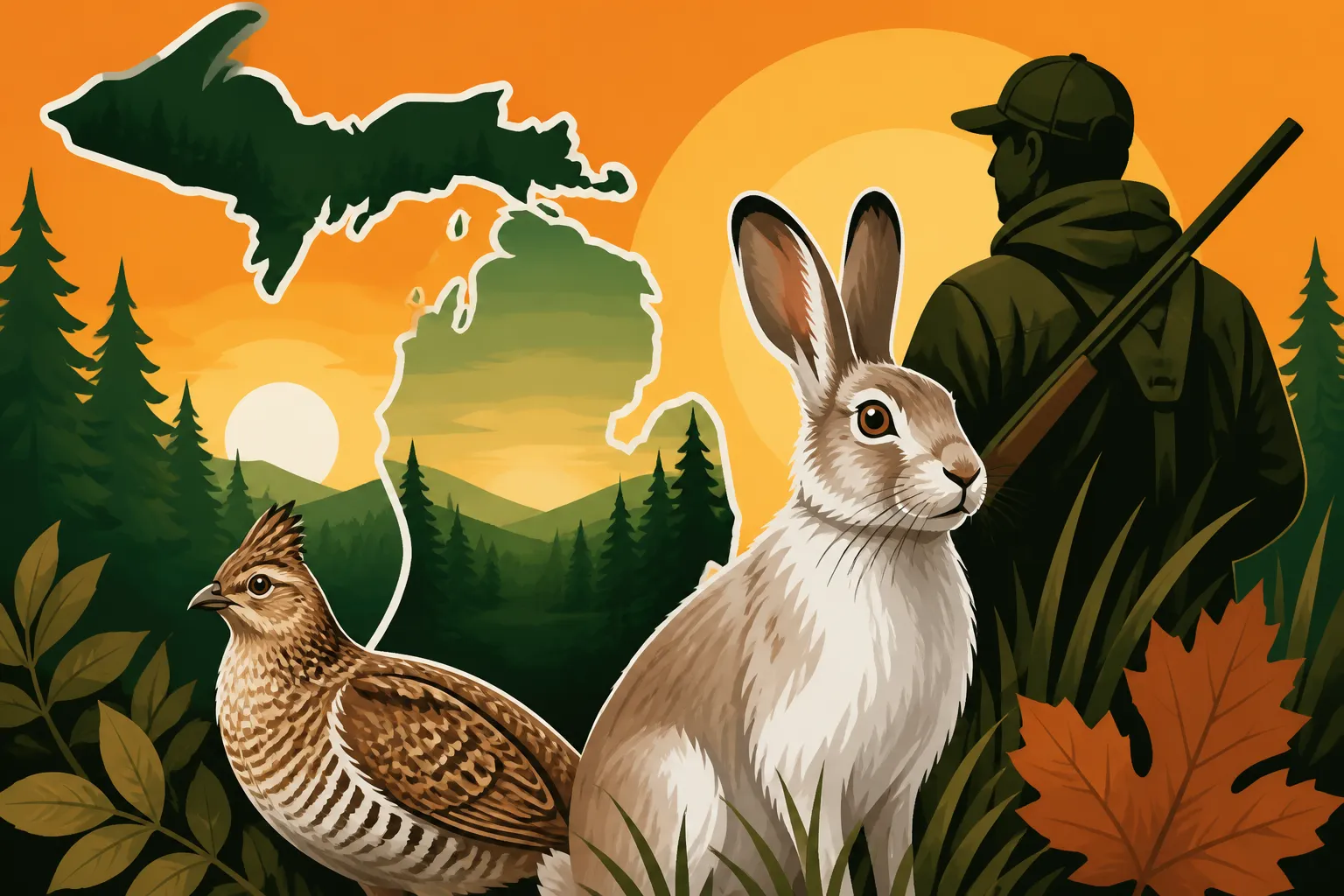
While cottontails dominate the southern half of the Lower Peninsula, the snowshoe hare is a true northern Michigan icon, perfectly adapted to the deep snows and coniferous forests of the Upper Peninsula and the northern Lower. Their incredible camouflage, changing from brown in summer to pure white in winter, makes them ghost-like against the snowy landscape. Snowshoe hares prefer dense conifer stands like cedar swamps, spruce bogs, and young pine plantations. These thick, evergreen areas offer critical thermal cover and protection from aerial predators like owls and hawks, especially when the snow is deep.
Hunting snowshoes is a completely different experience than cottontails. It’s often a more solitary or small-group endeavor, wading through deep snow in quiet, hushed forests. Again, beagles or other hounds are fantastic for flushing these hares, but hunters can also be successful by still-hunting very slowly through prime habitat. Look for their distinctive track – larger than a cottontail’s – and fresh droppings. When they jump, snowshoes are incredibly fast, and snap-shooting through thick timber is common. The thrill of spotting a white shadow against the snow, then trying to get a shot off before it vanishes into the trees, is what makes snowshoe hunting so addictive. Winter hunting also means you need to be prepared for the elements, with good insulated boots and layered clothing being crucial.
Tree-Dwelling Delights: Squirrels of Michigan
Squirrel hunting might seem like a simple pursuit, but it demands patience, keen observation, and good woodsmanship. Michigan is home to several species of squirrels that offer fantastic hunting opportunities and some of the best wild game for the table.
Fox Squirrels in Hardwoods
The fox squirrel is Michigan's largest and most widespread squirrel species, found throughout both peninsulas, though they tend to prefer more open hardwood forests and woodlots, especially those interspersed with agricultural fields. They thrive where mature oaks, hickories, and walnuts provide ample food sources, and their rusty-red fur makes them distinct from their gray cousins. Fox squirrels are often seen foraging on the ground, burying nuts, or scampering along fence rows. They can be incredibly wary, especially in areas with hunting pressure.
Hunting fox squirrels usually involves a mix of still-hunting and sitting. A popular tactic is to slowly walk through a mature oak or hickory forest, pausing frequently to scan the tree canopy and forest floor. After a few minutes of quiet, squirrels often become active again, giving away their position with movement or the sound of nut cuttings dropping to the ground. Another effective method is to find a good "mast tree" – one that's dropping a lot of acorns or walnuts – and simply sit quietly, waiting for squirrels to appear. Early morning and late afternoon are typically the best times for squirrel activity. When scouting, using an app like GoHunt can help you identify areas with good mast-producing trees or public land access. For a deep dive into tactics, check out Squirrel Hunting Michigan Hardwoods.
Gray Squirrels and Their Niche
The eastern gray squirrel, while also widespread, tends to prefer denser, more continuous hardwood forests than the fox squirrel. You'll find them in large tracts of timber, particularly those with a mix of mature hardwoods and some conifers for cover. They are generally smaller and more agile than fox squirrels, with a distinct gray coat and a white belly. Gray squirrels are notoriously good at staying on the opposite side of a tree trunk from a hunter, making them a challenging target.
Hunting gray squirrels often means getting deeper into the woods, focusing on large stands of oak, beech, and maple. Similar to fox squirrels, still-hunting and sitting are the primary methods. However, with gray squirrels, you might find yourself needing to be even more patient and stealthy. They are incredibly attuned to their environment. Often, listening for the distinctive "barking" sound or the rustle of leaves as they scamper through the canopy is your best bet. A good pair of binoculars can also be invaluable for picking out squirrels camouflaged against tree bark, especially when they flatten themselves on a limb. Keep an eye out for fresh nut cuttings at the base of trees, which indicate active feeding areas.
Upland Gems: Pheasants and Other Game Birds
For many, the image of a colorful rooster pheasant bursting from cover brings to mind classic upland hunting. While Michigan's pheasant populations aren't what they once were, there are still opportunities, and dedicated efforts are underway to restore these vibrant birds.
Michigan's Pheasant Restoration Efforts
Michigan's pheasant populations saw a significant decline over decades due to habitat loss, primarily the conversion of diverse farmlands into monoculture crops and the draining of wetlands. However, the Michigan Department of Natural Resources (DNR) and various conservation groups have been actively working to reverse this trend. Programs like the Michigan Pheasant Restoration Initiative (MPRI) focus on habitat improvement, working with landowners to create and restore grasslands, wetlands, and other vital pheasant cover. These efforts involve planting native grasses and wildflowers, establishing food plots, and managing existing cover to provide nesting, brooding, and wintering habitat.
Another crucial part of Michigan's pheasant hunting experience is the pheasant release program. Several state game areas across the Lower Peninsula participate in this program, where pen-reared pheasants are released prior to and during the hunting season. These released birds provide fantastic opportunities for hunters, especially those without access to private land with wild populations. While they might behave a bit differently than truly wild birds, they still offer challenging flushes and excellent dog work. It’s a great way to introduce new hunters to upland bird hunting. Details on specific release sites and dates can typically be found on the DNR website.
Hunting Pheasant Coverts
When hunting pheasants, whether wild or released, understanding their preferred habitat is paramount. Pheasants love dense, tall cover. Think thick grasslands, cattail marshes, brushy fencerows, standing corn or sorghum fields, and shrubby areas along ditches or creek bottoms. These spots offer them protection from predators and the elements, and crucially, a place to hide when pressured.
Hunting pheasants is often done with a dog, typically a flushing breed like a Labrador Retriever or a pointing breed like a German Shorthaired Pointer. Dogs are incredibly effective at locating and flushing pheasants, which are notorious for holding tight or running ahead of hunters. Without a dog, hunters can still be successful by employing "blocking and driving" tactics. This involves a line of hunters walking slowly through dense cover, pushing birds towards blockers positioned at the end of the cover or along likely escape routes. It’s critical to move slowly and systematically, allowing time for birds to hold rather than flush wild. Always be aware of your hunting partners and practice safe shooting angles. Pay close attention to the wind direction, as pheasants often flush into the wind.
Other Opportunities: Raccoons and Woodchucks
Beyond the mainstream small game, Michigan offers some unique and often overlooked hunting opportunities that can add variety to your time afield and help manage certain populations.
Raccoons: Nighttime Pursuits
Raccoons are incredibly common across Michigan, found in almost every county, from urban fringes to deep forests. They are highly adaptable, often thriving near human habitation where food is readily available, but also in wilder areas near water sources like rivers, lakes, and marshes. Raccoons are primarily nocturnal, making them a fantastic quarry for nighttime hunting, often with the aid of trained hounds. The pursuit of raccoons with dogs under the moonlight is a cherished tradition for many hunters, offering a unique blend of athleticism, dog work, and camaraderie.
Coon hunting typically involves releasing a pack of "coon dogs" (often a mix of various hound breeds like Black and Tans, Blueticks, or Redbones) into an area known for raccoon activity. The dogs track the raccoons by scent, eventually "treeing" them. Hunters then follow the baying dogs, often over rough terrain and through dense brush, to the treed raccoon. Shotguns are commonly used to dispatch the treed animal. Beyond the excitement of the chase, raccoon hunting also plays a role in managing populations, especially in agricultural areas where raccoons can cause damage to crops. It's also a great way to experience the woods in a completely different light. Remember to always be mindful of legal shooting hours and local ordinances when hunting after dark.
Woodchucks: A Farmer's Friend and Hunter's Challenge
Woodchucks, also known as groundhogs, are another abundant small game animal in Michigan, particularly prevalent in agricultural areas and along roadsides, fencerows, and pastures. While not typically hunted for meat, they offer excellent opportunities for honing marksmanship skills, especially with a rimfire rifle. Farmers often appreciate hunters targeting woodchucks, as their extensive burrow systems can damage crops, injure livestock, and undermine farm equipment.
Hunting woodchucks is primarily a spot-and-stalk or long-range shooting endeavor. Hunters will typically set up on the edge of a field or pasture with a good vantage point and use binoculars or a spotting scope to scan for woodchucks emerging from their burrows to feed. Patience is key, as woodchucks are cautious creatures. Once spotted, a careful stalk might be necessary to get within a comfortable shooting range. Given their small size and the need for precise shot placement, a steady rest and a clear understanding of bullet trajectory are essential. The .22LR, .22 Magnum, or even small centerfire cartridges like the .17 HMR or .223 Remington are popular choices. This type of hunting can be a great way to practice ethical shot placement and develop skills for larger game.
Gear Up for Small Game Success
One of the beautiful things about small game hunting is that you don't always need highly specialized or expensive gear. Much of what you already own for other outdoor pursuits will suffice, but a few key items can significantly improve your comfort, safety, and success.
Shotguns and Ammunition
For most small game species in Michigan, a shotgun is your go-to firearm. The versatile 12-gauge and 20-gauge are popular choices, offering a good balance of power and shot spread. A 20-gauge is often preferred for new or smaller hunters due to lighter recoil. Choke selection is important: an improved cylinder or modified choke is generally good for the close-quarters, fast-flushing action of rabbits, pheasants, and grouse. For squirrels in trees, a tighter full choke might be beneficial to reach higher branches effectively.
When it comes to ammunition, lead shot is generally permissible for small game, except where non-toxic shot is explicitly required (e.g., waterfowl hunting or some specific public lands). For rabbits and squirrels, typically #6 or #4 lead shot works well. For pheasants, #5 or #6 shot is common. Always carry enough ammunition for a full day's hunt, but remember not to overpack; you'll be doing a lot of walking. Practice shooting clays before the season to get comfortable with your shotgun and improve your swing. Knowing your shotgun’s pattern at various distances will make you a more effective hunter.
Footwear and Apparel
Small game hunting often means covering a lot of ground, often through thick, wet, or uneven terrain. Comfortable, durable, and weather-appropriate footwear is paramount. Waterproof boots are a must, especially when pursuing rabbits in marshy areas or snowshoes in deep snow. Look for boots that offer good ankle support and traction. For chasing snowshoes, insulated boots are non-negotiable to keep your feet warm in Michigan's winter. You might find some excellent options discussed in guides like Boots for Michigan Swamps and Snow.
Layered clothing is always the smartest approach for Michigan's unpredictable weather. You might start a squirrel hunt on a crisp fall morning and find yourself shedding layers by midday. A good base layer, an insulating mid-layer, and a waterproof/windproof outer shell will keep you comfortable in most conditions. For upland hunting, brush pants or chaps are highly recommended to protect your legs from briars and thorns. And, of course, don't forget your hunter orange during firearm seasons, as required by Michigan law – typically 50% of your outermost clothing above the waist, including a hat, must be hunter orange. This is crucial for safety, especially when hunting with a group.
Finding Your Small Game Paradise: Public Land Strategies
Michigan boasts an incredible amount of public land, offering vast opportunities for small game hunters. From sprawling state forests to dedicated state game areas, there's a spot for everyone if you know how to find it and what to look for.
Scouting for Small Game Sign
Just like with deer hunting, effective small game hunting starts with thorough scouting. Don't just show up on opening day hoping for the best. Take some time before the season or even during a lull to walk potential hunting areas. Look for fresh tracks in the mud or snow, droppings, and signs of feeding (like chewed nuts or clipped twigs). For rabbits, this means finding those dense briar patches, brush piles, and overgrown field edges. For squirrels, identify stands of mature oak, hickory, and beech trees, paying attention to the ground for discarded nut shells.
When scouting, don't overlook areas that might be less obvious. Power line clearings, old logging roads that have grown in, or neglected corners of agricultural fields can be small game hotspots. Using mapping applications on your phone or computer, like the Mi-HUNT map from the Michigan DNR or a subscription service like GoHunt, can be a game-changer. These tools allow you to identify public land boundaries, analyze aerial imagery for habitat types (e.g., identifying thick conifer stands for snowshoes or hardwood ridges for squirrels), and pinpoint potential access points. Understanding the lay of the land before you step foot in it gives you a significant advantage.
Using Public Land Resources
Michigan offers a wealth of public land managed by various agencies. State Forests and State Game Areas are two of the most common and productive for small game. Michigan State Forest Hunting provides vast, often remote opportunities, particularly in the northern Lower and Upper Peninsulas. These areas are excellent for snowshoe hares, grouse, and squirrels. State Game Areas, on the other hand, are often smaller, more intensely managed parcels of land, many of which participate in pheasant release programs. You can find detailed information about these areas and their offerings in resources like Michigan State Game Area Acreage.
Beyond the general land types, it's worth checking out specific programs. The Michigan Pheasant Restoration Initiative often designates specific areas where habitat work is concentrated and pheasant numbers might be higher. Similarly, the DNR’s Mi-HUNT website is an invaluable resource for locating specific public parcels, understanding land types, and even seeing recent habitat projects. Learning Using the Michigan Mi-HUNT Map effectively will open up countless hunting possibilities. Remember that hunting pressure can be higher on easily accessible public land, especially on opening days. Don't be afraid to walk a little further or explore less-traveled corners to find undisturbed game.
| Species | Primary Habitat | Key Food Sources | Best Hunting Months | Hunting Method |
|---|---|---|---|---|
| Cottontail | Brush piles, fencerows, thickets, field edges | Grasses, clovers, bark, crops | Oct – Mar | Dogs, still-hunting, drives |
| Snowshoe Hare | Dense conifer swamps, young pine plantations | Twigs, bark, evergreen shoots | Nov – Mar | Dogs, still-hunting |
| Fox Squirrel | Open hardwoods, woodlots near fields | Acorns, walnuts, corn | Sep – Mar | Still-hunting, sitting |
| Gray Squirrel | Dense, continuous hardwood forests | Acorns, beech nuts, maple seeds | Sep – Mar | Still-hunting, sitting |
| Pheasant | Tall grasslands, marshes, standing crops | Grains, seeds, insects | Oct – Nov (releases extend) | Dogs, drives, walking blocks |
| Raccoon | Forests near water, agricultural areas | Fruit, nuts, insects, crops | Oct – Jan | Night hunting with dogs |
| Woodchuck | Pastures, field edges, fencerows | Grasses, clovers, alfalfa | Apr – Sep | Spot-and-stalk, long-range shooting |
Conservation and Management of Michigan's Small Game
Sustainable small game hunting in Michigan relies heavily on proactive conservation efforts and responsible management by the DNR, supported by the actions of hunters. Understanding these efforts helps us appreciate the resources we have and our role in preserving them.
Habitat Management for Small Game
Effective habitat management is the cornerstone of healthy small game populations. Many small game species, particularly rabbits and pheasants, are highly dependent on early successional habitat – areas with young trees, shrubs, grasses, and brush. This type of cover is critical for nesting, brooding, escape from predators, and winter survival. However, these habitats are often transient and require active management to maintain them.
The Michigan DNR, often in partnership with conservation groups like Pheasants Forever and Ruffed Grouse Society, utilizes various techniques to create and maintain these vital habitats. Prescribed burns are used to rejuvenate grasslands and control invasive species. Timber harvesting, especially clear-cutting in specific patterns, can create new growth that benefits rabbits, hares, and other game. Planting native grasses and shrubs, restoring wetlands, and developing food plots also play a significant role. Hunters can contribute by supporting these organizations, volunteering for habitat projects, and advocating for policies that prioritize habitat conservation. By managing the land, we ensure that future generations will have abundant opportunities to hunt small game.
Hunter's Role in Population Monitoring
Hunters are often the first line of defense in monitoring wildlife populations and health. By reporting harvests, observing wildlife while afield, and participating in surveys, hunters provide invaluable data to wildlife biologists. The Michigan DNR relies on hunter harvest reports to estimate population trends, assess the impact of hunting pressure, and make informed management decisions regarding seasons and bag limits.
For many small game species, harvest reporting might be simpler than for deer or bear, often just requiring a general hunting license or specific small game tags like those obtained with a Michigan Resident Base Licence Cost. However, accurately reporting your take is still crucial. Additionally, hunters often serve as "eyes and ears" in the field, reporting unusual animal behavior, disease sightings (like mange in foxes or coyotes, or avian influenza in birds), or other ecological observations. This direct interaction with the environment makes hunters critical partners in conservation. Through our purchases of hunting licenses and stamps, we directly fund these management efforts, proving that hunters are truly America's original conservationists. Being familiar with local regulations, like those for Michigan Small Game and Furbearer Seasons, ensures a responsible and legal hunt.
Disclaimer
Please note that hunting regulations, season dates, and license requirements are subject to change. Always consult the official Michigan Department of Natural Resources (DNR) hunting digests and website for the most current and accurate information before planning any hunting trip. Safety should always be your top priority in the field.