Michigan Canada Goose Population
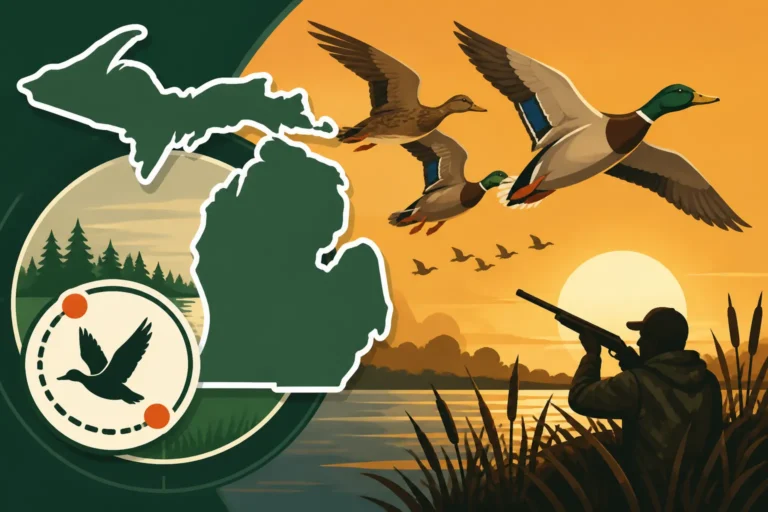
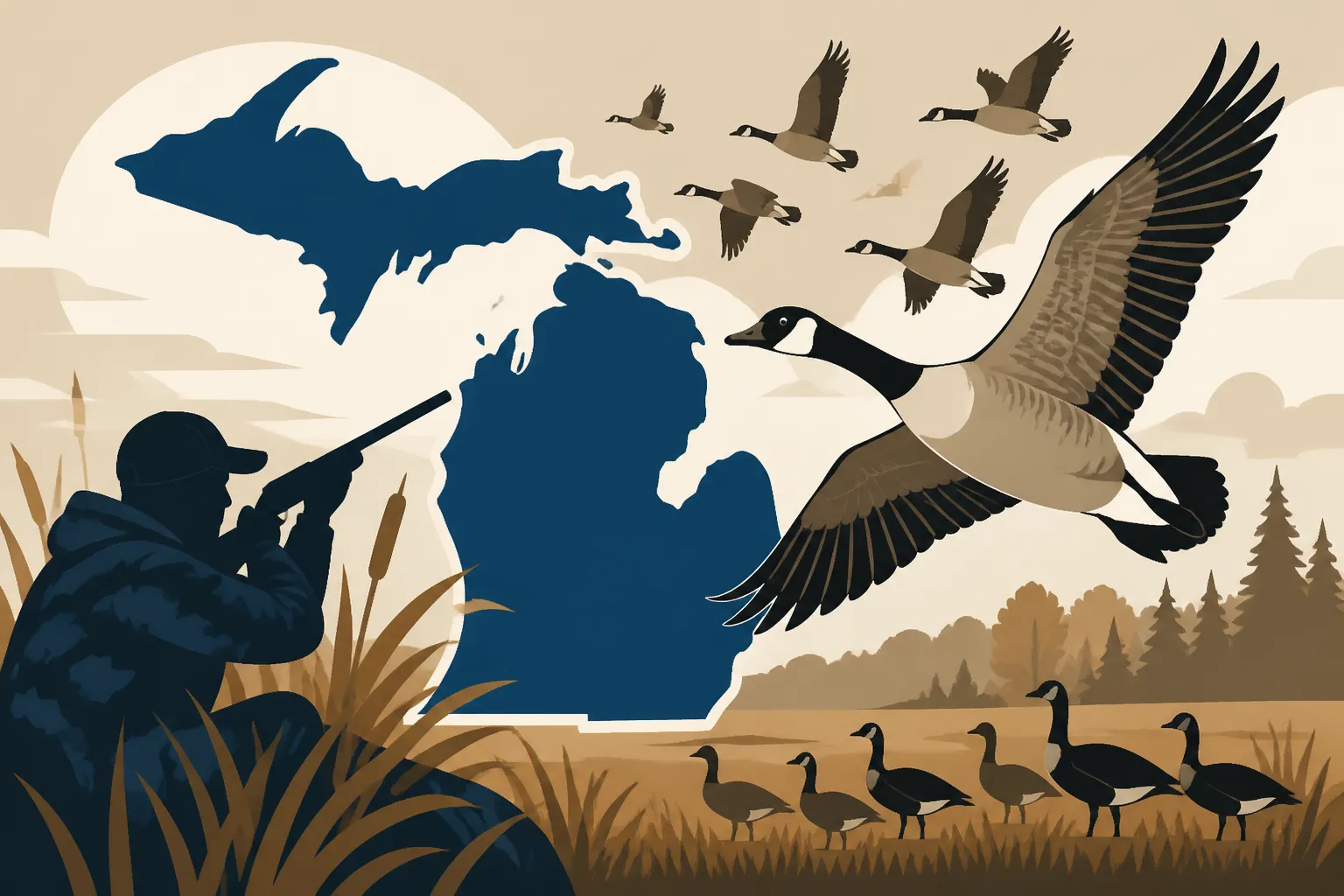
One of the most common sights and sounds across Michigan, whether you're deep in the woods or navigating a suburban park, is the Canada goose. While they're beautiful and iconic, their sheer numbers can sometimes leave hunters scratching their heads, wondering how many are truly out there and what that means for hunting opportunities. This guide will dive deep into Michigan's Canada goose population, exploring their history, management, and what hunters need to know to pursue these magnificent birds effectively.
The Resilient Return of Canada Geese to Michigan
It's hard to imagine, but there was a time when Canada geese were a rare sight in Michigan. Their journey from scarcity to their current abundant presence is a testament to dedicated conservation efforts and the birds' incredible adaptability.
Historical Context: From Scarce to Abundant
Back in the early to mid-20th century, Canada geese were nearly extirpated from many parts of their historical range, including Michigan. Unregulated market hunting and habitat loss took a heavy toll, leaving very few, if any, breeding populations in the state. Imagine a Michigan marsh completely silent of their characteristic honking – it's a stark contrast to what we know today.
However, through incredible reintroduction programs and habitat restoration projects, wildlife agencies worked tirelessly to bring them back. These efforts often involved releasing pen-reared birds into suitable wetland habitats, protecting nesting sites, and carefully managing harvest limits. Over decades, these foundational flocks thrived, setting the stage for the flourishing populations we see now. Their return is one of Michigan's great conservation success stories, offering a powerful lesson in how concerted efforts can bring a species back from the brink.
Resident vs. Migratory Populations in Michigan
When we talk about Canada geese in Michigan, it's crucial to understand that we're generally discussing two distinct, though sometimes overlapping, groups: resident geese and migratory geese. This distinction isn't just academic; it profoundly impacts hunting seasons, strategies, and the overall management of the species.
Resident geese are those birds that primarily breed and live within Michigan or nearby states year-round. They don't participate in the long-distance migrations that their northern cousins undertake. These are the geese you see nesting in local parks, agricultural fields, and suburban retention ponds. They are often less wary than migratory birds, having grown accustomed to human presence, and their numbers have exploded due to abundant food sources and safe nesting areas in developed landscapes. Managing these resident populations is a significant focus for wildlife agencies, often dictating early goose seasons.
Migratory geese, on the other hand, are the travelers. These birds typically breed much further north, often in the vast wildlands of Canada, and pass through or winter in Michigan as part of their epic seasonal journeys. They are often larger, more instinctively wild, and incredibly wary, having faced hunting pressure across multiple states and provinces. Their arrival in Michigan usually coincides with colder weather in the fall and winter, bringing new opportunities and challenges for hunters. Understanding Michigan Waterfowl Migration Timing is key to intercepting these birds. The presence of both groups means Michigan essentially gets two different goose hunting experiences within a single year.
Understanding Michigan's Goose Population Dynamics
The thriving Canada goose population in Michigan isn't just dumb luck; it's a complex interplay of environmental factors, human activity, and dedicated wildlife management. For hunters and conservationists alike, grasping these dynamics is essential.
Factors Contributing to Population Growth
One of the primary drivers of the robust Canada goose population is their incredible adaptability to human-altered landscapes. While they historically nested in wild marshes, they've learned to thrive in environments we've created. Agricultural fields provide endless buffet lines of waste grain and young shoots, offering high-energy food sources throughout much of the year. Manicured lawns, golf courses, and parks offer easily accessible forage and open sightlines, which provide safety from ground predators.
Furthermore, many urban and suburban environments inadvertently provide ideal nesting sites with minimal predation pressure. Retention ponds, stormwater basins, and even building rooftops offer safe havens for nesting pairs, leading to high gosling survival rates. Unlike their wilder counterparts up north, resident geese face fewer natural challenges, allowing their numbers to swell rapidly. This adaptability means they can exploit resources efficiently, leading to rapid population expansion.
Monitoring and Management Strategies
To keep tabs on these ever-growing populations, Michigan's wildlife agencies employ a variety of sophisticated monitoring techniques. This includes annual banding programs, where biologists capture and band geese, providing critical data on survival rates, migration patterns, and harvest rates when hunters report banded birds. Aerial surveys are also conducted across different goose management units to estimate population sizes and trends. This data helps inform management decisions and ensures sustainable hunting opportunities.
The main tool for managing goose populations, particularly resident geese, is hunting. Carefully structured hunting seasons and bag limits are implemented to achieve management objectives, which often include reducing resident populations in areas where they cause nuisance issues or agricultural damage. For instance, early goose seasons are specifically designed to target these local populations before the migratory birds arrive. These seasons are crucial for mitigating potential conflicts between geese and human interests. Hunters contribute directly to this management by participating in these seasons and by purchasing licenses like the Michigan Federal Duck Stamp Rules, which fund waterfowl conservation. Using tools like the GoHunt app or website can be incredibly helpful for hunters to stay informed about population trends, season dates, and specific unit regulations, ensuring they are always up-to-date with the latest information from the DNR.
Impact on Michigan Hunters and Ecosystems
The abundant Canada goose population certainly presents a mixed bag for Michigan. While it means incredible hunting opportunities, it also comes with its share of ecological challenges and management considerations.
Hunting Opportunities and Challenges
For waterfowl hunters in Michigan, the sheer numbers of Canada geese translate into generous hunting opportunities. From the crisp days of the early season to the frigid late hunts, there's usually a chance to pursue geese somewhere in the state. This abundance allows for a variety of hunting styles, whether you're Field Hunting Geese in Southern Michigan over decoys in a cut cornfield, Layout Hunting Michigan Big Water on a bay, or jump-shooting small flocks along river corridors. The consistent presence of geese makes them a reliable target, even when duck movements are unpredictable.
However, this abundance also brings challenges. Geese, especially after being pressured early in the season, become incredibly wary. They learn quickly, becoming adept at spotting decoys, identifying blind locations, and recognizing calls. Access can also be a significant hurdle. While many birds are found on public land in managed waterfowl areas, a large number of geese, particularly resident birds, gravitate towards private agricultural lands or suburban ponds, making permission a key factor for success. Hunters often spend countless hours scouting, driving country roads, and knocking on doors to find prime spots. Effective concealment, realistic decoys, and strategic calling are paramount for consistent success.
Ecological Considerations and Conflicts
While magnificent, large goose populations can have noticeable impacts on both natural ecosystems and human activities. One of the most common complaints, especially from farmers, is crop depredation. Flocks of geese can decimate fields of young corn, soybeans, or winter wheat, leading to significant economic losses. Their constant grazing can also damage pastures and golf courses.
Beyond agriculture, there are ecological concerns. Concentrated goose droppings in ponds, lakes, and even reservoirs can contribute to water quality issues, increasing nutrient levels and potentially introducing bacteria. This can affect recreational areas and even drinking water sources. In urban and suburban areas, large flocks can become a general nuisance, fouling parks, sidewalks, and residential properties. Hunting plays a vital role in helping to mitigate some of these conflicts by controlling local populations, especially during the special early seasons. Without regulated hunting, these issues would likely be far more pronounced, underscoring the importance of hunters in wildlife management.
Navigating Goose Seasons and Regulations
Michigan's waterfowl seasons are carefully structured to manage both resident and migratory Canada goose populations, offering various opportunities throughout the fall and winter. Understanding these periods and the regulations is critical for any goose hunter.
Early Goose Season Opportunities
The early goose season is a fantastic opportunity, designed specifically to target Michigan's booming resident Canada goose population. These seasons typically kick off in early September, well before the main duck season or the arrival of large numbers of migratory geese. The intent is clear: reduce local goose numbers, which helps alleviate agricultural damage and urban nuisance issues.
For hunters, this means warmer weather, often less competition, and birds that haven't been heavily pressured yet. Tactics for Early Goose Season Tactics in Michigan often involve setting up near agricultural fields where geese are feeding, or around ponds and marshes where they roost. Decoying can be highly effective, and calling doesn't need to be as complex as it might later in the year. It's an excellent time for new hunters to gain experience or for seasoned hunters to shake off the rust. However, it's crucial to check local regulations carefully, as specific zones or even properties might have different rules or require special permits.
Regular and Late Seasons: Adapting to Migration
As fall progresses and temperatures drop further north, Michigan's goose hunting transitions. The regular goose seasons overlap with much of the duck season, and then often extend into late December or early January, providing opportunities to hunt migratory birds. This is when understanding Michigan Goose Management Unit Rules becomes paramount, as zones across the state can have different season dates and bag limits based on migratory patterns and local population data.
Hunting during the regular and late seasons often means facing much warier birds. The geese have traveled long distances, encountered numerous hunters, and are far more sensitive to anything out of place. This demands meticulous scouting, superior concealment, and often more extensive decoy spreads. Hunters may need to adapt their strategies, focusing on finding fresh feeding fields or ambushing birds along flight lines. Late-season hunting can be incredibly rewarding, as large flocks of migrant geese provide spectacular sights and sounds, but it often requires braving Michigan's colder weather and dealing with frozen ground or even deep snow. Hunters often rely on resources like GoHunt to track migration reports and plan their hunts according to current conditions and regulations.
Michigan Canada Goose Population Overview
To give you a quick snapshot of the general characteristics that define Michigan's Canada goose populations, here's a helpful table. Keep in mind that specific numbers fluctuate, but these are the overarching traits.
| Characteristic | Resident Canada Geese (Michigan Breeders) | Migratory Canada Geese (Northern Breeders) |
|---|---|---|
| Primary Habitat | Agricultural fields, suburban parks, golf courses, urban ponds | Large marshes, agricultural fields, Great Lakes shoreline |
| Behavioral Traits | Often less wary of humans, accustomed to human activity | Highly wary, quick to react to perceived threats, more "wild" |
| Season Targeted | Primarily early goose season, but also regular seasons | Primarily regular and late goose seasons |
| Population Trend | Generally stable to increasing in many areas, subject to control | Varies year-to-year based on northern breeding success and migration |
| Management Focus | Population reduction, nuisance control, preventing crop damage | Sustainable harvest, managing flyway populations |
Disclaimer
This article is for general informational purposes only and does not constitute professional advice. Laws, prices and regulations vary by location and change over time. Consult a qualified professional for guidance on your specific situation.