Cooking a Wild Turkey Breast
Nothing quite beats the feeling of bringing a magnificent Michigan gobbler home after a hard-earned hunt, but then you're faced with the next challenge: how do you turn that beautiful wild turkey breast into a meal that’s succulent, flavorful, and truly celebrates your efforts? Many hunters, myself included, have wrestled with dry, tough wild turkey meat, and it can be incredibly disheartening. This guide is here to walk you through everything you need to know, from proper field care to the best cooking techniques, to ensure your wild turkey breast is tender, juicy, and absolutely delicious every single time.
Understanding Wild Turkey Breast: Why It's Different
You've successfully called in a gobbler or stalked one through the timber, and now you have the prize. But don't expect it to cook like the plump, domesticated birds you buy at the grocery store. Wild turkey is a different beast entirely, and understanding these differences is the first step to cooking it well.
Why Wild Turkey is Different
The main reason wild turkey breast behaves differently in the kitchen is simple: lifestyle. Your Michigan gobbler has spent its entire life on the move, flying, running, and foraging across varied terrain, whether it's the oak ridges of southern Michigan or the mixed forests of the Upper Peninsula. This constant activity means their muscles are lean, dense, and contain very little fat compared to their farm-raised cousins. Domestic turkeys are bred for rapid growth and minimal movement, resulting in tender, fattier meat.
Because wild turkeys are so lean, they lack the marbling and fat layers that keep domestic turkey moist during cooking. This leanness also contributes to a richer, more intense flavor, which is fantastic, but it also means the meat can dry out quickly if not handled properly. Think of it like comparing a marathon runner's physique to that of a couch potato—one is all muscle and sinew, the other has a bit more cushion. Your wild turkey is definitely the marathon runner, and you need to cook it with that in mind.
Common Mistakes to Avoid
The biggest mistake people make with wild turkey breast is treating it like domestic poultry. Throwing it straight into a hot oven or on a grill without any special preparation is a recipe for disappointment. The low fat content combined with high heat will often result in a piece of meat that's tough, chewy, and parched.
Another common pitfall is overcooking. Since wild turkey is so lean, it reaches its ideal doneness much faster than a store-bought bird. Many folks aim for the same internal temperature they'd use for a Thanksgiving turkey, leading to an overcooked, dry result. You'll want to pull it off the heat just as it reaches food-safe temperatures, or even slightly before if you're planning for carryover cooking. Ignoring proper meat care immediately after the harvest is also a huge mistake; the quality of your finished meal starts in the field.
From Field to Kitchen: Initial Steps for Best Meat Quality
The journey to a delicious wild turkey breast begins not in the kitchen, but the moment you tag your bird. Proper field care is paramount for meat quality and plays a massive role in how tender and flavorful your breast will be.
Proper Field Dressing and Cooling
Once you've made a clean shot and confirmed your bird is down, the clock starts ticking. Heat is the enemy of fresh game meat. In Michigan's spring turkey season, temperatures can be mild or even warm, so cooling your bird quickly is critical. The first step is to field dress the bird. This involves removing the entrails, which helps the carcass cool down from the inside out. You'll often be on the move, so having a good game bag or cooler ready is wise. Field Dressing a Deer in Cold Weather provides a good overview of the principles of getting internal heat out of a carcass, which applies universally.
Once field dressed, get your turkey breast on ice or into a cooler as soon as possible. If you're heading back to camp or home immediately, great. If you have a longer haul, having a cooler with ice (ensure the meat isn't directly submerged in water for too long) will preserve the quality. Many hunters simply pluck the breast and refrigerate or freeze it, but ensuring it cools completely and quickly after the shot is key to preventing bacterial growth and maintaining the meat's best texture.
Deboning and Trimming the Breast
Once you've got your bird cooled, it's time to process it. For a wild turkey, many hunters opt to simply remove the breast meat rather than plucking and roasting the entire bird. This is a practical approach, as the legs and thighs of an older gobbler can be extremely tough due to their constant use. To debone the breast, lay the bird on its back. Locate the keel bone (breastbone) running down the center. Use a sharp knife to carefully cut along both sides of the keel bone, separating the breast meat from the bone. Then, work your knife down along the rib cage, peeling the breast away until it comes free.
You'll end up with two large breast halves. Now, it's time for trimming. Wild turkey breasts can have a fair amount of silver skin and connective tissue. Take your time to carefully remove all of this with a sharp knife. Silver skin is tough and won't break down during cooking, so getting rid of it now will significantly improve the eating experience. You might also find some areas with dried blood or bruising from the shot; trim these away. A clean, well-trimmed breast is a happier breast for cooking. For general processing tips, Butchering a Deer at Camp can offer helpful perspectives on handling game meat. Remember, post-harvest, you'll also need to Report a Michigan Harvest in 72 Hours.
Preparation Techniques for Tenderness and Flavor
Now that you have beautiful, clean wild turkey breasts, the real magic begins in the kitchen. These techniques are your secret weapons against dryness and toughness, injecting moisture and flavor into that lean meat.
The Power of Brining
Brining is arguably the single most important step you can take to ensure a juicy wild turkey breast. A brine is simply a saltwater solution, often with added sugars, herbs, and spices. The salt in the brine denatures the proteins in the meat, allowing them to absorb and hold onto more moisture during cooking. It's like giving your turkey breast a hydrating spa treatment before it faces the heat. Without a brine, that lean wild turkey is far more prone to drying out.
To make a basic brine, dissolve about 1/4 cup of salt (kosher or sea salt works best) per 4 cups of water. You can add a tablespoon or two of brown sugar, some bay leaves, peppercorns, garlic cloves, or fresh herbs like rosemary and thyme for extra flavor. Make sure your brine is completely cool before adding the turkey. Submerge the turkey breast in the brine, ensuring it's fully covered, and refrigerate for at least 4 hours, or up to 12 hours for larger breasts. Don't brine for too long, or the meat can become too salty. After brining, rinse the turkey thoroughly under cold water and pat it completely dry with paper towels before proceeding to the next step.
Marinades and Rubs for Flavor
While brining focuses on moisture, marinades and rubs are all about flavor and can offer a little extra tenderization too, especially if they contain acidic ingredients. A good marinade can penetrate the outer layers of the meat, infusing it with aromatic spices, herbs, and other flavors.
For a wild turkey breast, consider a marinade that has some fat (like olive oil) to help carry flavors, and a touch of acid (like lemon juice, vinegar, or buttermilk) to help break down tough fibers slightly. Garlic, onion, paprika, cayenne, and various dried herbs like sage or thyme work wonderfully with turkey. Marinate for at least 2 hours, or up to 24 hours in the refrigerator. Again, don't over-marinate, especially with strong acids, as it can turn the meat mushy. Dry rubs, on the other hand, create a flavorful crust and don't contribute much to tenderness, but are excellent for building a delicious outer layer, especially when grilling or pan-searing. A simple rub of salt, pepper, garlic powder, onion powder, and a touch of smoked paprika is always a winner.
Mechanical Tenderization
Sometimes, despite your best efforts with brining and marinating, you might still have a particularly tough older bird. This is where mechanical tenderization comes in. This can range from physically pounding the meat to using a specialized tool. Pounding the breast with a meat mallet (between two sheets of plastic wrap to keep things clean) can help break down muscle fibers, creating a more uniform thickness that also cooks more evenly. Aim for about 1/2 to 3/4 inch thickness. This method is particularly effective if you're planning to pan-sear or grill.
Alternatively, you can use a blade tenderizer, a tool with multiple small blades that pierce the meat. This creates channels for marinades to penetrate deeper and physically severs some of the tougher muscle fibers. Whichever method you choose, remember that these are tools to enhance tenderness, not to replace the essential steps of proper field care and brining.
Cooking Methods for a Succulent Wild Turkey Breast
With your wild turkey breast brined, seasoned, and perhaps tenderized, you’re ready for the heat. The key here is quick cooking at relatively high temperatures or slow cooking at low temperatures, depending on the desired outcome, always keeping that lean profile in mind.
Quick-Cook Methods: Pan-Seared or Grilled
For beautiful color, a delicious crust, and juicy interior, quick-cook methods like pan-searing or grilling are fantastic options. These methods are best for breasts that have been pounded to a more uniform thickness.
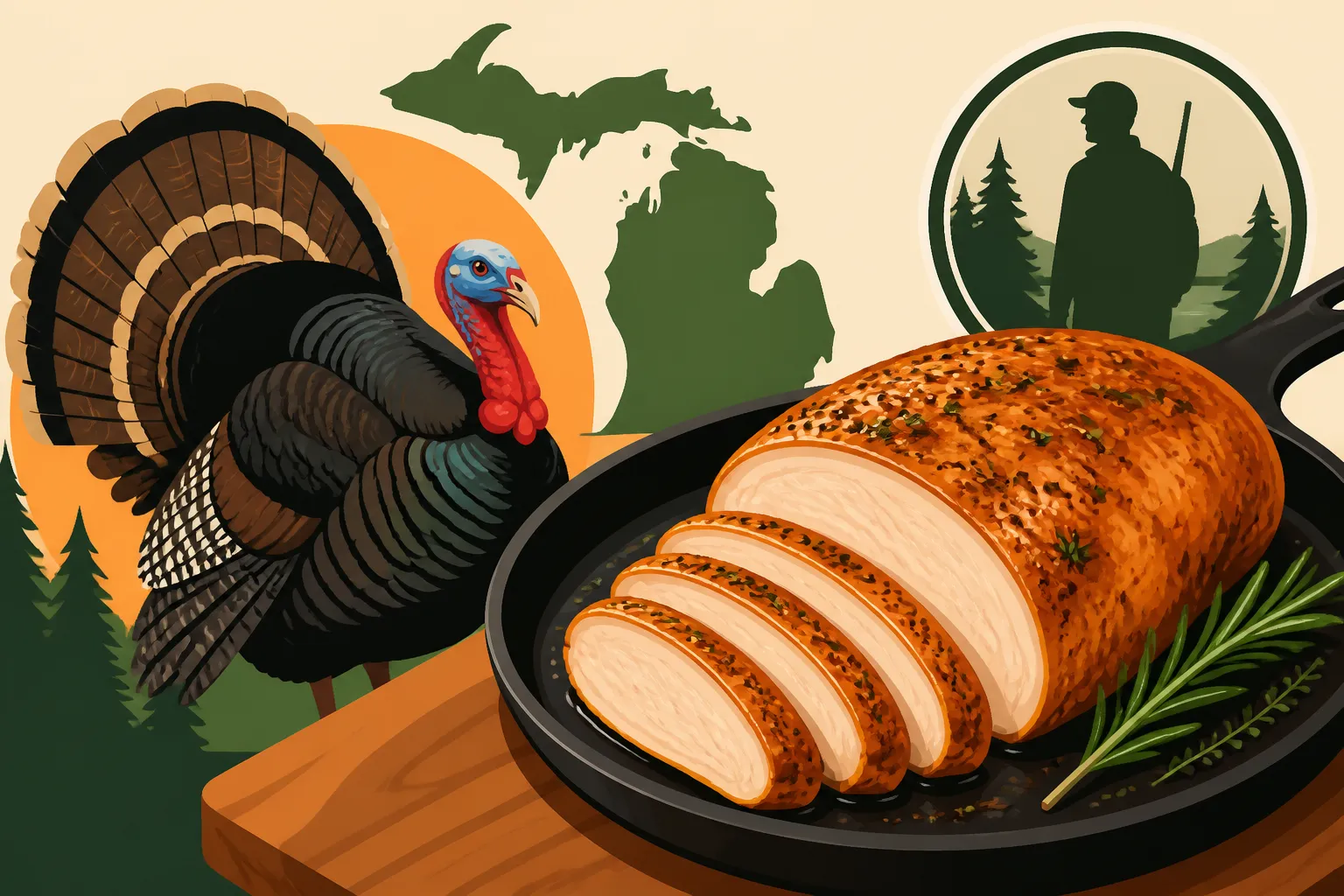
Pan-Searing: Heat a heavy-bottomed skillet (cast iron works beautifully) over medium-high heat with a tablespoon or two of high-smoke-point oil like canola or grapeseed. Once the oil is shimmering, carefully place your patted-dry turkey breast in the pan. Sear for 3-5 minutes per side, until a deep golden-brown crust forms. Reduce the heat slightly if it's browning too quickly. You can finish the cooking in the oven at 375°F (about 10-15 minutes) or continue on the stovetop, flipping occasionally, until an internal temperature of 160-165°F is reached. Always use a meat thermometer!
Grilling: Preheat your grill to medium-high heat. Lightly oil the grates to prevent sticking. Place the turkey breasts directly over the heat, searing them for 2-3 minutes per side to get those beautiful grill marks. Then, move them to a cooler part of the grill (indirect heat) and close the lid. Continue cooking, flipping occasionally, until the internal temperature reaches 160-165°F. This usually takes about 10-20 minutes, depending on the thickness of your breast.
For both methods, once your turkey reaches the target internal temperature, remove it from the heat and let it rest, loosely tented with foil, for 5-10 minutes. This resting period is crucial; it allows the juices to redistribute throughout the meat, ensuring a moist and tender result. Slicing too early will let all those precious juices escape onto your cutting board.
Slow and Low: Braising and Smoking
Sometimes, you want a fall-apart tender result, especially for an older, potentially tougher bird, or if you simply prefer a different texture. This is where slow and low cooking shines.
Braising: Braising involves browning the meat first, then cooking it slowly in a flavorful liquid. Sear your turkey breasts in an oven-safe pot or Dutch oven until browned on all sides. Remove the turkey, then sauté aromatics like onions, carrots, and celery. Deglaze the pan with wine or broth, then add enough liquid (chicken broth, stock, or even tomato sauce) to come halfway up the sides of the turkey breasts when you return them to the pot. Cover tightly and cook in a preheated oven at 300-325°F for 1.5 to 2.5 hours, or until the meat is fork-tender. The moist, low-heat environment will gently break down connective tissues, yielding incredibly tender meat.
Smoking: Smoking imparts an unparalleled depth of flavor. If you have a smoker, set it to a low temperature, typically between 225-275°F. Use a mild wood like apple, cherry, or pecan. Place your brined and seasoned turkey breasts directly on the grates. Smoke until the internal temperature reaches 160-165°F, which can take anywhere from 1.5 to 3 hours, depending on the breast size and smoker temperature. Again, rest the meat after it comes off the smoker. Smoking is an excellent way to capture that wild, outdoorsy essence of your hunt in the meal itself.
Oven Roasting with Care
While potentially risky due to the dryness factor, oven roasting can still yield a delicious wild turkey breast if you approach it strategically. The key is to protect the lean meat from drying out.
One popular method is to butterflying the breast (slicing it horizontally almost all the way through and opening it up like a book) or pounding it thin, then stuffing and rolling it. This creates layers that protect the interior. Another excellent technique is to wrap the breast in bacon or prosciutto. The fat from the bacon will baste the turkey as it cooks, keeping it incredibly moist and adding a fantastic smoky flavor.
Roast in a preheated oven at 375-400°F. If not wrapping in bacon, consider basting the turkey every 15-20 minutes with butter or broth. For a whole breast, expect it to cook for about 20-35 minutes, depending on size and thickness. Again, use a meat thermometer and pull the turkey at 160-165°F. Resting is absolutely essential for oven-roasted turkey to redistribute those precious juices. Pairing it with a rich gravy made from pan drippings or a flavorful sauce can also help counteract any potential dryness.
| Cooking Method | Best For | Pros | Cons | Key to Success |
|---|---|---|---|---|
| Pan-Searing | Quick meals, individual portions, achieving a crisp crust | Fast, develops a flavorful crust, easy to monitor | Can dry out easily if overcooked, requires constant attention | Pounding to even thickness, high initial heat, finish with lower heat, rest meat |
| Grilling | Outdoor cooking, smoky flavor, larger breasts | Adds smoky char, great for tenderized breasts, good for warmer weather | Can dry out quickly, flare-ups can cause burning, less precise temperature control | High initial sear, move to indirect heat, use a meat thermometer, rest |
| Braising | Tougher birds, fall-apart texture, rich gravies | Exceptionally tender and moist, flavorful, forgiving of longer cook times | Longer cook time, requires an oven-safe pot, less "crispy" outcome | Sear first, cook low and slow in ample liquid, ensure tight lid, check for fork-tenderness |
| Smoking | Deep smoky flavor, tender result, entertaining | Intense flavor, unique texture, can handle larger pieces | Requires specialized equipment, long cook time, more technical skill | Maintain consistent low temperature, use mild wood, pull at correct internal temp, rest thoroughly |
| Oven Roasting | Simplicity, traditional feel, stuffing | Relatively hands-off once in oven, can use aromatics/stuffing | Highest risk of drying out if not careful | Brining, wrapping in bacon/prosciutto, basting, precise temperature monitoring, ample resting |
Bringing home a wild turkey is a fantastic accomplishment, and enjoying its meat should be just as rewarding. By understanding the unique qualities of wild turkey breast and employing these proven preparation and cooking techniques, you can transform your harvest into a truly memorable meal. Whether you're hunting in the Upper Peninsula where Michigan Turkey Population Trends are closely watched, or stalking birds in the southern farm fields, knowing how to handle your game from the moment you call a gobbler off the roost (check out Calling a Michigan Gobbler Off the Roost for tips!) through to the dinner plate is part of the entire experience. Many Michigan hunters look forward to Michigan Spring Turkey Season Dates and filing their Michigan Spring Turkey Application Deadline knowing that a delicious meal is the ultimate reward. So go ahead, experiment, and savor the rich, natural flavors of your Michigan wild turkey!
Disclaimer
This article is for general informational purposes only and does not constitute professional advice. Laws, prices and regulations vary by location and change over time. Consult a qualified professional for guidance on your specific situation.