How Bovine TB Reached Michigan Deer
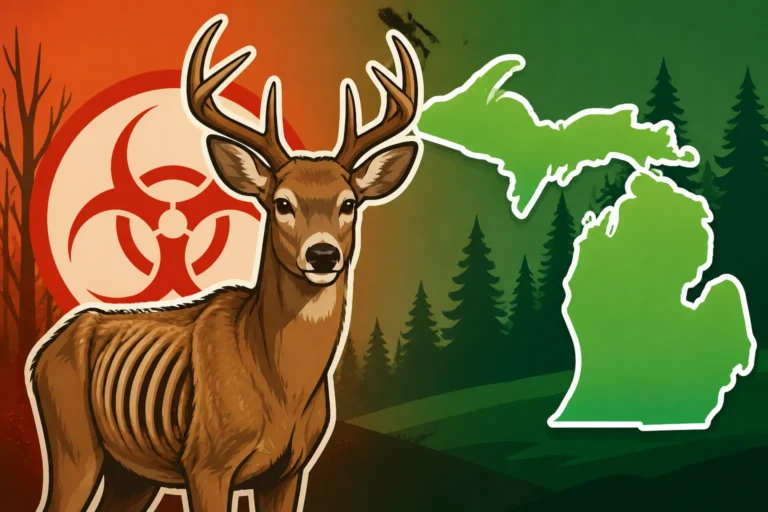
One of the most concerning and frustrating challenges for Michigan deer hunters and landowners in a specific part of our state has been the persistent issue of Bovine Tuberculosis (bTB) in wild deer. It’s a problem that changed hunting regulations, impacted farm communities, and left many wondering how this tenacious disease ever took root in our beloved whitetails. This guide aims to pull back the curtain on that journey, explaining how bovine TB reached Michigan's deer herd and what it means for everyone invested in our natural resources.
The Mystery of Michigan's Bovine TB Outbreak
Imagine the shock and worry when, in the late 1990s, wildlife biologists and local officials discovered a disease typically associated with domestic livestock showing up in our wild deer. It wasn't just a fleeting observation; it was a persistent, deeply concerning bacterial infection, Bovine Tuberculosis, taking hold in a corner of Michigan's Lower Peninsula. This wasn't some minor deer ailment; this was a disease with serious implications for both wildlife health and the state's agricultural industry.
The initial discovery sent ripples through rural communities, especially in counties like Alcona, Presque Isle, Montmorency, and Oscoda. Farmers, whose livelihoods depended on disease-free cattle, were suddenly on high alert. Hunters, proud of Michigan’s healthy deer herd, found themselves grappling with a new reality that seemed to defy common sense. How could a cattle disease become so entrenched in a wild population? It was a question that demanded answers, and it led to years of intensive research and difficult decisions.
A Troubling Discovery in the Northeast Lower Peninsula
The first confirmed case of Bovine TB in a free-ranging white-tailed deer in Michigan emerged in 1994, specifically in Alcona County. This wasn't just an isolated incident; subsequent testing revealed more infected deer in the surrounding counties. This cluster of cases quickly formed what would become known as Michigan’s "Modified Accredited Zone," an area where cattle herds faced stringent testing and regulations to prevent the spread of the disease back to livestock. It was a wake-up call, signaling that this was not a temporary blip but a significant, long-term challenge.
The implications were profound. For Michigan's agriculture, it meant potential trade restrictions, increased costs for testing, and the devastating possibility of having entire cattle herds depopulated if an infection was found. For wildlife enthusiasts and hunters, it raised questions about the health of the deer, the safety of venison, and how hunting practices might need to change to combat this silent, pervasive threat. It introduced a layer of complexity that few could have anticipated, forcing a reevaluation of traditional wildlife management strategies.
At first, the origin was a true head-scratcher. Bovine TB had largely been eradicated from domestic cattle herds across the United States decades ago. To find it in wild deer, and in such a concentrated area, suggested a unique and troubling set of circumstances specific to this region. There was no easy answer, no clear culprit, only a spreading shadow of concern that intensified with each new confirmed case. It highlighted how interconnected our agricultural systems are with our natural landscapes and the wildlife that call them home.
This geographic concentration in the northeast Lower Peninsula, often referred to as the "TB Zone," quickly became the focal point of Michigan's wildlife disease efforts. Understanding Where Bovine TB Persists in Michigan was crucial for managing its spread. The specific characteristics of this landscape – a mix of agriculture, state forest, and private land – likely played a role in both the initial establishment and the persistence of the disease, making the problem even more localized and challenging to address than if it were widespread.
What Exactly is Bovine Tuberculosis?
Bovine Tuberculosis is caused by the bacterium Mycobacterium bovis and, despite its name, it’s not exclusive to cattle. This tenacious bacterial disease can infect a wide range of mammals, including deer, elk, bison, and even humans. It’s a respiratory disease, primarily attacking the lungs and lymph nodes, though it can manifest in other organs. The unfortunate thing is that in its early stages, an infected deer might show no outward symptoms at all, making it a silent spreader in the herd.
When symptoms do become visible in deer, they’re often subtle until the disease is quite advanced. You might see a deer that appears emaciated, weak, or lethargic, perhaps with a persistent cough. More tellingly, if you field dress an infected animal, you might notice visible lesions or abscesses, particularly in the lungs and lymph nodes in the chest cavity. These lesions can range from small, pearl-like nodules to larger, calcified masses, and they're a clear indicator of the disease's presence.
One of the greatest concerns with Bovine TB is its zoonotic potential. This means it can be transmitted from animals to humans. While the risk to hunters who properly handle and cook venison is considered very low, it’s not zero. The primary risk comes from handling infected carcasses without gloves or consuming undercooked meat. This potential for cross-species transmission elevates bTB from a simple wildlife health issue to a public health and agricultural crisis, demanding careful management and vigilance from all involved parties, including hunters and farmers.
Unlike some other deer diseases, like EHD Die-Offs in Michigan Deer, which cause rapid, often large-scale mortalities, Bovine TB is a chronic disease that typically progresses slowly. An infected deer might live for months, even years, while carrying and shedding the bacteria, silently spreading it to other animals. This slow progression, combined with the often-subtle symptoms, makes it incredibly difficult to detect in a wild population and even harder to eradicate once it takes hold, cementing its status as a persistent challenge for Michigan.
| Characteristic | Description |
|---|---|
| Causative Agent | Mycobacterium bovis (a bacterial pathogen) |
| Primary Host | Cattle, but can infect deer, other mammals, and humans |
| Main Transmission | Direct contact (nose-to-nose), contaminated feed/water |
| Symptoms in Deer | Weight loss, lethargy, coughing, visible lesions in lungs/lymph nodes (often subtle in early stages) |
| Geographic Focus | Northeast Lower Peninsula (Modified Accredited Zone) |
| Risk to Humans | Zoonotic (can transfer to humans, rare with proper handling and cooking) |
| Management Focus | Reducing deer density, eliminating baiting/feeding, intensive surveillance and testing |
Tracing the Path: From Cattle to Deer
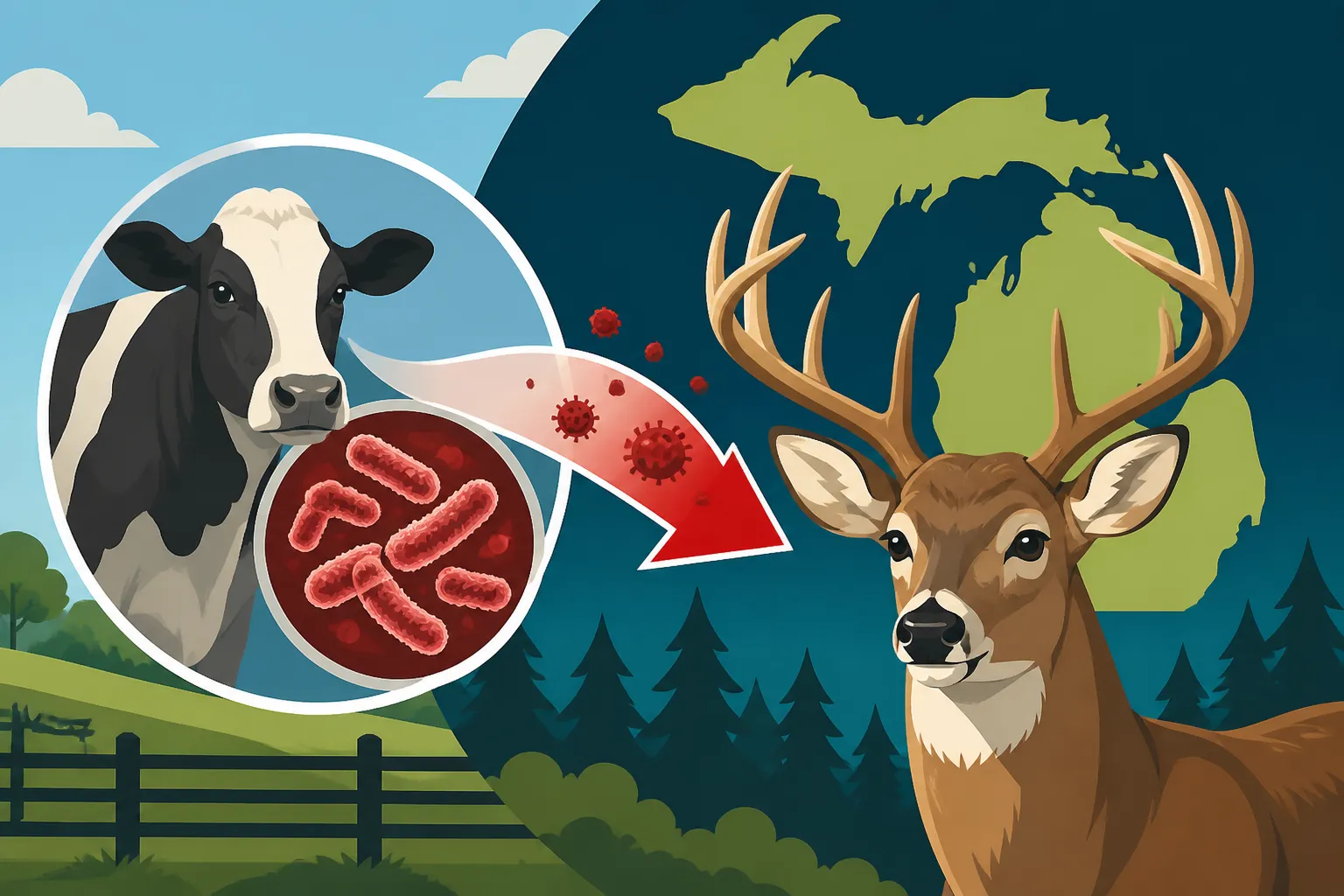
Understanding how Bovine TB got into Michigan’s wild deer population is like piecing together a complex puzzle with some missing pieces. While no one can pinpoint the exact moment or specific animal, the scientific consensus points to one primary theory: a spillover event from infected domestic livestock to wild white-tailed deer. This theory isn't unique to Michigan; similar instances have been observed in other parts of the world where wild and domestic animal populations share habitat.
The prevailing scientific hypothesis suggests a single introduction event, likely from infected cattle, which then spread to the wild deer population. This isn't to say that all cattle in the area were infected, or that a specific farm was responsible, but rather that at some point, one or more infected domestic animals likely had close enough contact with wild deer to transmit the bacteria. This contact could have occurred at shared pastures, watering holes, or even through feed left out for livestock that deer could access.
Historically, Bovine TB was a problem in domestic livestock across the United States, including Michigan, before extensive eradication programs were implemented throughout the 20th century. While most states achieved "TB-free" status for their cattle herds, isolated outbreaks could still occur. It's believed that a localized instance of the disease in cattle within the northeast Lower Peninsula, perhaps a herd that hadn't been fully cleared of infection, provided the initial reservoir for the disease to jump the species barrier to deer.
Pinpointing the "patient zero" cow or farm responsible for the initial jump is virtually impossible years after the fact. The critical takeaway is the pathway: interaction between infected domestic animals and susceptible wild deer created the opportunity for the bacteria to take hold. Once that initial jump occurred, the stage was set for the disease to establish itself within the robust deer population of the region, especially given certain behavioral factors that would amplify its spread.
The Spreading Mechanism Among Deer
Once Bovine TB made the jump from livestock to wild deer, the deer themselves became incredibly efficient, albeit unwitting, vectors for the disease. The primary method of transmission among deer is direct contact, particularly nose-to-nose interaction. When deer congregate, they breathe on each other, share saliva, and release respiratory droplets, all of which can contain the Mycobacterium bovis bacteria. Think about a group of deer feeding or bedding closely together – it's a perfect scenario for direct transmission.
However, direct contact isn’t the only way. Indirect contact plays an equally, if not more, significant role in the persistence and spread of bTB in Michigan's deer herd. This happens when deer come into contact with contaminated environments, such as shared food sources, water holes, or even areas where an infected deer has coughed or expelled bacteria. A healthy deer can pick up the bacteria from contaminated feed, the ground where an infected deer has stood, or even from water.
Unfortunately, high deer densities in certain areas of the northeast Lower Peninsula created ideal conditions for this spread. When deer populations are abundant, they naturally spend more time in close proximity, increasing both direct and indirect transmission opportunities. The social behavior of deer, which often involves small groups congregating, especially during the fall and winter months, further facilitated the rapid and efficient spread of the disease through a local population.
The insidious nature of Bovine TB in deer is that it often progresses slowly, without immediately killing the infected animal. This means an infected deer can continue to live, move, and interact with other deer for an extended period, shedding bacteria and spreading the disease before it succumbs or is harvested. This chronic progression allows the disease to become deeply embedded within a population, making complete eradication an incredibly difficult, almost impossible, endeavor once it's established.
The Role of Supplemental Feeding and Baiting
The single most significant factor in the rapid establishment and persistent spread of Bovine TB within Michigan's wild deer population was undoubtedly supplemental feeding and baiting by humans. It's a practice rooted in tradition, convenience, and sometimes even a genuine desire to help deer, but it created an ecological nightmare for disease management. The intentions might have been good, but the consequences were devastatingly effective at spreading disease.
Hunters, with the goal of attracting deer for easier viewing or better shot opportunities, frequently put out bait piles consisting of corn, apples, sugar beets, or other attractants. Similarly, landowners established food plots designed to concentrate deer. While these practices seemingly offered benefits, they inadvertently created perfect disease transmission hubs. Instead of naturally dispersed deer, you had dozens, sometimes hundreds, of deer repeatedly visiting the same small area, day after day.
These concentrated feeding sites became literal petri dishes for Mycobacterium bovis. As deer nosed through a pile of corn, they would leave saliva laden with bacteria. Other deer would then eat from the same pile, directly ingesting the bacteria. The ground around these sites also became heavily contaminated with saliva, urine, and even feces, creating a persistent source of infection for any deer that visited, regardless of whether they made direct nose-to-nose contact.
The constant recirculation of deer around these single, readily accessible food sources amplified the natural spread of bTB to an alarming degree. What might have remained a contained, slowly spreading infection in a naturally dispersed population instead became an epidemic within the localized area. It essentially put all the deer in the classroom, all sharing the same desk, greatly increasing the chances of "catching" what another deer was shedding. This human-altered behavior effectively short-circuited the natural dispersal mechanisms that would otherwise help limit disease spread.
Understanding the Behavioral Impact on Disease Transmission
Deer are naturally mobile and relatively dispersed animals, especially in Michigan's varied habitats, from sprawling forests to agricultural fringes. They typically move across a wider home range, foraging on diverse natural food sources. This natural behavior inherently limits prolonged, intense nose-to-nose contact with many different individuals, serving as a natural control on disease transmission. Baiting and supplemental feeding completely disrupt this natural social distancing.
When abundant bait is provided in one spot, it acts like a magnet, drawing deer from their typical, dispersed patterns into unnaturally high concentrations. This means deer that might never naturally encounter each other are suddenly sharing the same space, eating from the same pile, and swapping respiratory droplets. It drastically increases the effective "contact rate" between individuals, turning a low-risk interaction into a high-risk one for disease transmission.
Furthermore, the competition at bait sites can induce stress in deer, especially younger or subordinate animals. While the direct link between stress and immune suppression in wild deer is complex and difficult to measure precisely, chronic stress is generally understood to negatively impact an animal's ability to fight off infections. So, not only were bait sites concentrating deer and facilitating transmission, they might also have been contributing to conditions that made deer more susceptible to contracting the disease.
The long-term implications for the herd's health went beyond just Bovine TB. These artificial feeding practices can also alter natural migration patterns, make deer more habituated to humans, and potentially lead to nutritional deficiencies if the bait isn't balanced. It created a cascade of unintended consequences, proving that even well-intentioned interventions in wildlife can have profound and often negative effects on natural behaviors and disease ecology.
Michigan's Response: The Baiting Ban
Faced with the undeniable evidence that baiting and supplemental feeding were fueling the Bovine TB epidemic in deer, the Michigan Department of Natural Resources (DNR) made a difficult but necessary decision: to implement a ban on these practices in certain areas of the state. This wasn't a decision taken lightly; deer baiting had been a long-standing tradition for many Michigan hunters, and its removal was met with significant public outcry and debate.
The primary goal of the ban was clear: to break the chain of transmission. By eliminating bait piles and other concentrated food sources, the DNR aimed to encourage deer to return to their natural, dispersed foraging behaviors. The scientific understanding was that if deer spread out, the opportunities for direct and indirect contact transmission would drastically decrease, thereby slowing or even halting the spread of the Mycobacterium bovis bacteria within the herd.
For many hunters, the ban was a source of immense frustration. It felt like an infringement on their hunting heritage and a direct attack on a practice they had enjoyed for generations. There was confusion, anger, and a perception that the DNR was overstepping its bounds. Yet, from a disease management perspective, the evidence linking congregation to disease spread was compelling, making the ban a critical, albeit unpopular, tool in the state's arsenal. You can learn more about Why Michigan Banned Baiting.
Despite the ongoing debate and the desire from some quarters to lift the ban, the scientific reasoning behind it remains robust. Wildlife disease experts continue to emphasize that reducing deer congregation is paramount to controlling Bovine TB. While the ban doesn't guarantee eradication, it significantly reduces the favorable conditions for the bacteria to spread, giving the deer herd a better chance to manage the disease at a lower prevalence rate. It’s a testament to the difficult choices wildlife managers must make when faced with complex ecological problems.
Managing the Disease: Ongoing Efforts and Hunter Impact
The fight against Bovine TB in Michigan's deer herd is far from over, and it's a testament to the state's long-term commitment and the crucial role that hunters play. Managing a disease as entrenched and insidious as Bovine TB requires continuous effort, scientific monitoring, and the cooperation of everyone who cares about Michigan's natural resources. It’s not a quick fix, but a sustained, collaborative endeavor.
One of the cornerstones of Michigan's management strategy is robust surveillance and testing programs. The DNR, in partnership with other agencies, operates both mandatory and voluntary deer testing, especially within the Bovine TB Core Area of the northeast Lower Peninsula. Hunters are encouraged, and sometimes required, to submit deer heads for testing, providing invaluable data that helps track the disease's prevalence and geographic boundaries. This tireless work allows biologists to understand where the disease is active and whether it's spreading or receding.
Hunter participation in these testing programs is absolutely crucial. While Reporting a Michigan Harvest in 72 Hours is standard for all deer, the voluntary submission of heads for disease testing, similar to processes used for Michigan CWD Testing for Hunters, gives scientists the samples they need to monitor bTB. Every deer tested contributes to a larger dataset, helping to map the disease, understand its dynamics, and inform future management decisions. Without this collective effort from the hunting community, tracking the disease would be significantly more challenging, if not impossible.
Beyond deer, the state also maintains rigorous testing protocols for livestock herds in the affected zones. Regular inspections and testing of cattle are essential to ensure the disease isn't making the jump back into domestic animals. If an infected herd is found, difficult decisions often have to be made, including depopulation, to prevent further spread. This two-pronged approach—managing the disease in both wild and domestic populations—is vital for containing bTB.
Years of data collection allow the DNR to track prevalence rates and observe any changes in the disease's distribution. This long-term monitoring provides the critical insights needed to assess the effectiveness of current management strategies and to adapt them as necessary. It’s a slow, meticulous process, but it’s the only way to genuinely understand the ebb and flow of Bovine TB within the complex ecosystem of Michigan's northeast Lower Peninsula.
The Role of Hunters in Disease Control
Michigan hunters are not just participants in the hunting season; they are critical partners in wildlife management and disease control. When it comes to Bovine TB, their actions on the ground have a direct and significant impact on the state's ability to contain and mitigate the disease. Without the cooperation and understanding of the hunting community, Michigan's Bovine TB challenge would be far more daunting.
One of the most direct ways hunters contribute is by submitting their harvested deer for testing. Every deer head turned in, especially from the affected zone, provides a vital data point. It's a snapshot of the herd's health in a specific location at a specific time, helping biologists gauge prevalence, track the disease's spread (or lack thereof), and refine their management strategies. It’s a tangible way for hunters to transform their harvest into actionable scientific data.
Another vital contribution is through active herd management, specifically by helping to reduce deer densities in infected areas. Overpopulation of deer leads to more congregation, increased stress, and greater opportunities for disease transmission. High harvest rates, especially of antlerless deer, help to bring the population down to healthier levels, which in turn helps to naturally reduce the spread of bTB. This is why you often see higher antlerless quotas in the TB management zones.
Adhering to baiting and feeding restrictions, as outlined in Michigan Baiting and Feeding Rules, is perhaps the most direct and impactful way hunters can help. While it might be an unpopular regulation for some, understanding the scientific rationale—that concentrating deer directly facilitates disease spread—is key. Hunters who choose to hunt without bait are actively preventing the very conditions that allowed bTB to thrive and persist. This commitment to ethical and responsible hunting practices, even when they’re inconvenient, is paramount. For alternatives, see Hunting Deer Without Bait in Michigan.
Finally, proper handling of deer carcasses is essential to prevent unintended spread. Following guidelines like Michigan Carcass Movement Rules helps ensure that if a deer is infected, its carcass parts aren't inadvertently transported to new, uninfected areas, potentially introducing the disease there. Hunters are the first line of defense in ensuring that the disease remains localized and doesn't establish new foci elsewhere in the state.
The Future Outlook for Bovine TB in Michigan
The challenge of Bovine TB in Michigan's wild deer herd is a persistent one, a complex ecological problem that has no easy answers or quick solutions. While significant progress has been made in understanding and containing the disease, complete eradication from a free-ranging wild population, once established, is incredibly difficult, if not impossible. It's likely that Bovine TB will remain a long-term management concern for the state.
The ongoing management strategy will continue to involve a delicate balance between protecting the state's agricultural industry, maintaining a healthy and huntable deer population, and satisfying the diverse interests of Michigan's citizens. This means continuous surveillance, adaptive regulations regarding baiting and harvest, and fostering cooperation between wildlife agencies, agricultural communities, and hunters. It's a marathon, not a sprint, and requires sustained vigilance from all stakeholders.
Research into new detection methods, potential vaccines, and further understanding of Mycobacterium bovis ecology continues. While a vaccine for wild deer presents immense logistical challenges, advancements in understanding disease transmission and population dynamics could lead to more refined and effective management techniques in the future. The scientific community is tirelessly working to provide wildlife managers with the best tools available.
Ultimately, the future outlook for Bovine TB in Michigan hinges on sustained commitment and adaptation. The disease has shown that it is tenacious, but the state's resolve, bolstered by dedicated hunters and farmers, is equally strong. By remaining informed, participating in testing, adhering to regulations, and advocating for responsible wildlife management, all Michiganders can play a part in ensuring the long-term health of our deer herd and protecting our agricultural heritage. For context on broader deer populations, consider exploring Michigan Deer Population Estimate.
Disclaimer
This article is for general informational purposes only and does not constitute professional advice. Laws, prices and regulations vary by location and change over time. Consult a qualified professional for guidance on your specific situation.