How Many Wolves Michigan Has
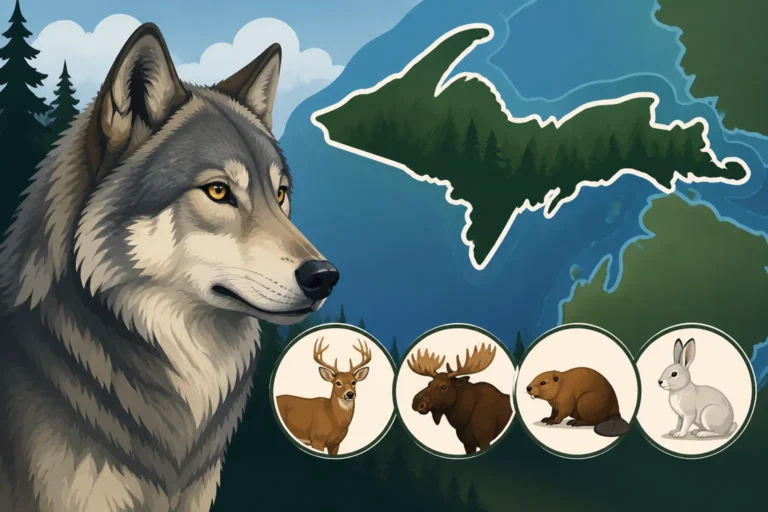
For anyone who spends time in Michigan's wild places, especially in the Upper Peninsula, the question of wolf numbers is a persistent and often passionate one. There's a lot of talk, a lot of rumor, and sometimes, a lot of frustration when you're out in the woods and wondering what impact these magnificent predators are having. This guide is here to cut through some of that noise, giving you a clear, realistic picture of how many wolves are estimated to roam Michigan and what that means for our wildlife and our outdoor pursuits.
Understanding Michigan's Wolf Population Numbers
Figuring out exactly how many wolves are out there in the vastness of Michigan's forests isn't like counting deer at a bait pile; it's a monumental task filled with scientific challenges and natural variables. When we talk about wolf numbers, we're always dealing with estimates, based on the best available data and methodologies. It's important to remember that these aren't exact figures, but rather educated guesses that help wildlife managers understand population trends.
How the DNR Estimates Wolf Numbers
The Michigan Department of Natural Resources (DNR) uses a variety of methods to estimate the wolf population, primarily focusing on winter track surveys. Imagine miles and miles of snow-covered forest, crisscrossed by snowmobiles and skis, with trained biologists looking for wolf tracks, identifying packs, and trying to avoid double-counting. It's incredibly labor-intensive work, often done in harsh winter conditions. They're not just looking for tracks, though. They also use methods like remote cameras, scat analysis, and even genetic sampling from collected hair or scat to confirm wolf presence and identify individuals or family groups. These efforts help them delineate pack territories and get a sense of pack size. It's a challenging jigsaw puzzle to put together, especially with animals that cover such vast distances and are inherently elusive.
Historical Trends and Current Estimates
Michigan's wolf population has seen a remarkable comeback story. From near extirpation in the Lower 48 states, wolves began to naturally re-establish themselves in the Upper Peninsula in the late 1980s, primarily through dispersal from Wisconsin and Minnesota. This recovery is often cited as a conservation success, but it's also brought its share of management challenges and public debate.
The population has fluctuated over the years, often tied to changes in their legal protection status and prey availability. When the population was first being monitored closely, the numbers were quite low, in the tens. Over the decades, they steadily climbed. For a long time, the estimates consistently put Michigan's wolf population somewhere in the upper hundreds, generally ranging between 600 and 700 individuals across the Upper Peninsula. These numbers represent the most robust estimates based on the rigorous winter track surveys conducted by the DNR. It’s a dynamic number, not static, and changes with births, deaths, and dispersals. While specific year-stamped numbers aren't what we focus on here, understanding that the trend has been one of robust recovery and stabilization within the U.P. is key.
Where Michigan Wolves Live
It's one thing to talk about numbers, and another to understand where you might actually encounter these animals. Michigan's landscape offers distinct habitats, and wolves have largely claimed the wilder, more remote areas.
Upper Peninsula Strongholds
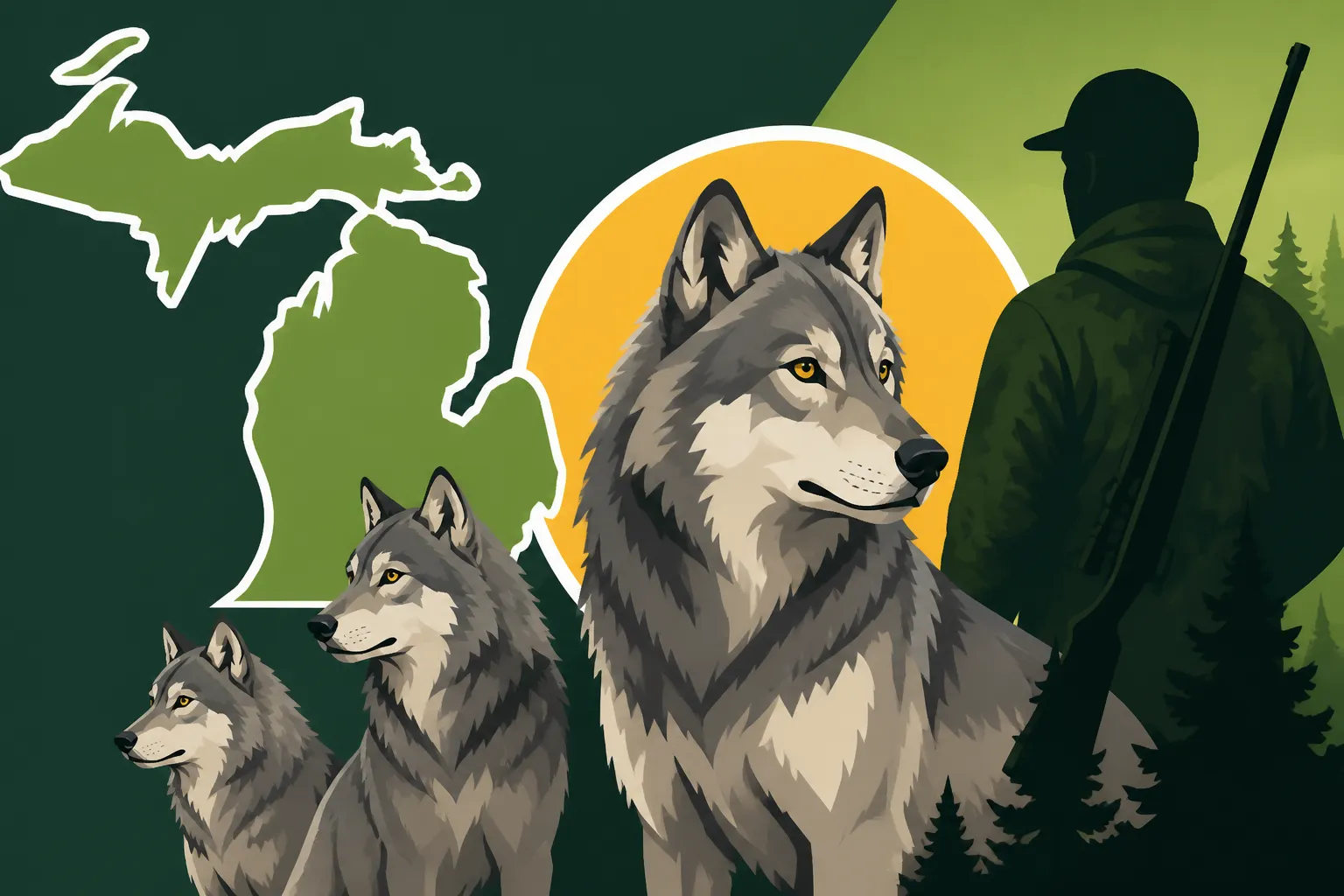
There's no sugarcoating it: if you're going to encounter a wolf in Michigan, it's almost certainly going to be in the Upper Peninsula. This vast expanse of unbroken forest, swamps, and remote terrain is classic wolf country. Areas with high deer densities, like parts of the western and central U.P., naturally support more wolf packs. The thick timber, cedar swamps, and large tracts of public land provide the solitude, cover, and prey base that wolves need to thrive.
The largest concentrations are typically found in the western and central parts of the U.P., where the habitat is less fragmented and human population density is lower. Counties like Baraga, Marquette, Iron, and Gogebic are well-known for their significant wolf presence. If you're hunting deer in the U.P., especially in the big woods, the presence of wolves is just a reality of the ecosystem. It's part of the wildness of the place. Many hunters use mapping tools, like those provided by GoHunt or similar services, to better understand the vast public land tracts and remote areas where wolves are most likely to roam, which can also help inform their own scouting and hunting strategies. Hunting the Michigan Upper Peninsula for Deer often means being aware of these apex predators.
Occasional Sightings in the Lower Peninsula
Now, this is where things get interesting and often spark debate. While the vast majority of Michigan's wolf population is firmly rooted in the U.P., there have been occasional, verified sightings of wolves in the northern Lower Peninsula. These instances are rare and typically involve lone, dispersing individuals – often young males – seeking new territories.
It's highly unlikely you'll find an established, breeding wolf pack in the Lower Peninsula today. The habitat, while still wild in places, is generally more fragmented, with higher human populations and more roads. A single wolf might travel a long way, crossing bridges and covering hundreds of miles, but sustaining a population requires more than just a lone wanderer. The DNR investigates these sightings thoroughly, and most turn out to be coyotes or domestic dogs. However, the confirmed ones are a testament to the incredible nomadic nature of these animals. It's a reminder that wildlife doesn't always stay within neat, imagined boundaries.
The Impact of Wolves on Michigan's Ecosystem
The presence of wolves in Michigan, particularly in the U.P., has significant ecological implications. They are apex predators, and their role in shaping the ecosystem is profound, complex, and often a source of contention, especially among deer hunters.
Wolves and Deer Dynamics
This is probably the most talked-about aspect of wolves in Michigan. Many hunters, particularly in the U.P., express concern that wolves are having a detrimental impact on deer numbers. It's true that deer are a primary food source for wolves. When What Wolves Eat in the Upper Peninsula comes up, deer are at the top of the list. Wolves are incredibly efficient predators, and they focus on what's available and easiest to catch – often the old, the sick, or the young.
However, the relationship between wolves and deer populations is multi-faceted. While wolves certainly take deer, they are generally not the sole factor determining the overall health or size of a deer herd. Factors like harsh winters, habitat quality (or lack thereof), disease outbreaks (like EHD or CWD), and human hunting pressure all play significant roles. Severe winters, especially those with prolonged deep snow, can be incredibly tough on deer, and during such times, wolves can exacerbate the winterkill. Conversely, healthy habitat, with ample food and cover, can help deer populations remain robust even with a strong predator presence. Research into Do Wolves Drive Michigan Deer Numbers? indicates it's a complex interplay, not a simple one-to-one correlation.
Ecological Benefits and Challenges
Beyond the deer population, wolves bring a cascade of other ecological effects. As apex predators, they help regulate populations of other species, like coyotes, and can alter the behavior of their prey, leading to a phenomenon known as a "landscape of fear." This means deer, elk, and moose might move more, browse in different areas, and become more vigilant, which can, in turn, influence vegetation patterns and overall forest health. They are, in essence, a natural mechanism for culling less fit individuals from a herd, potentially leading to stronger, healthier prey populations over time.
The challenges, however, are real. For some deer hunters, the reduced deer numbers in certain U.P. areas, whether directly or indirectly linked to wolves, is a significant frustration. For livestock owners, though less common in Michigan than in some western states, wolf depredation can be a serious concern. It's a delicate balancing act for wildlife managers, trying to conserve a recovered species while addressing the very real concerns of the human communities that share the landscape with them.
Management and Conservation of Michigan's Wolves
Managing a recovered, yet controversial, species like the wolf is one of the most complex tasks for wildlife agencies. It involves navigating scientific data, public opinion, and a shifting legal landscape.
Legal Status and Protection
The legal status of wolves in Michigan has been a rollercoaster, driven by federal designations under the Endangered Species Act (ESA). Wolves have been delisted from the federal ESA multiple times, only to be relisted by court orders. This back-and-forth creates a lot of uncertainty for state management. When wolves are federally protected, the state has limited ability to manage the population through hunting or other control measures. When they are delisted, authority often reverts to the state, allowing for more active management, including potential hunting seasons. The Michigan Wolf Delisting History is a prime example of this ongoing federal-state tug-of-war.
The core of the argument often boils down to whether the wolf population has "recovered" sufficiently to no longer need federal protection. While the U.P. population certainly appears robust, differing interpretations of what "recovery" entails, along with concerns about genetic diversity and expansion into the Lower 48, fuel the legal battles. For hunters and residents, this shifting legal ground can be incredibly confusing, making it hard to predict how wolves will be managed from one year to the next.
Living with Wolves: Coexistence Strategies
Given that wolves are a permanent fixture in the Upper Peninsula ecosystem, much of the management focus is on fostering coexistence. This means providing information to residents about how to live safely in wolf country, particularly for those with pets or livestock. It also involves education for hunters on what to expect when hunting in areas with wolves.
For hunters, understanding wolf behavior and how it might impact deer is crucial. While a wolf hunt is not currently an option in Michigan, understanding the overall predator-prey dynamic is part of being an informed hunter. Using tools like the GoHunt app can help hunters visualize wolf territories if data is made available, or at least pinpoint remote areas where these animals are more likely to be found. Being aware of wolf sign, like tracks, scat, or how deer react to pressure, can inform your hunting strategy. On public lands, recognizing the presence of predators is just another layer of the wild experience. Scouting Michigan Public Land Before Season becomes even more intricate when you're also looking for signs of wolves and how they might be influencing deer movement. The DNR also engages in monitoring Michigan Wildlife Disease Monitoring for all species, including wolves, to ensure the health of the entire ecosystem.
When it comes down to it, the wolf population in Michigan represents a remarkable conservation achievement, but one that continues to require careful management, ongoing scientific research, and respectful dialogue among all stakeholders.
| Aspect of Michigan's Wolf Population | Description | Key Considerations |
|---|---|---|
| Current Estimate | Generally in the upper hundreds (600-700), primarily in the Upper Peninsula. | These are estimates, subject to change and methodological limitations. |
| Primary Range | Overwhelmingly the Upper Peninsula, especially western and central regions. | Remote, heavily forested areas with abundant deer. |
| Lower Peninsula Presence | Very rare, typically lone dispersing individuals; no established breeding packs. | Sightings are infrequent and often misidentified. |
| Ecological Role | Apex predator, influences deer behavior, helps regulate prey populations, impacts vegetation. | Complex relationship with deer numbers; not the sole factor in deer population changes. |
| Legal Status | Fluctuates between federal and state management, subject to Endangered Species Act rulings. | Uncertainty due to ongoing legal battles; state management options depend on federal listing. |
| Management Focus | Coexistence, monitoring, scientific research, and addressing stakeholder concerns. | Balancing conservation success with impacts on hunters and landowners. |
Disclaimer
This article is for general informational purposes only and does not constitute professional advice. Laws, prices and regulations vary by location and change over time. Consult a qualified professional for guidance on your specific situation.