Which Michigan County Kills the Most Deer
The Michigan landscape is diverse, from the dense forests of the Upper Peninsula to the sprawling farmlands of the southern Lower Peninsula, and naturally, deer populations and hunting success vary wildly across these regions. Many hunters dream of finding that magic county where deer seem to pour out of the woods, offering consistent opportunities. This guide dives deep into which Michigan counties consistently rank highest in deer harvest numbers, exploring the underlying reasons behind these trends and how you, as a hunter, can use this knowledge to your advantage.
Understanding Michigan's Deer Harvest Dynamics
When we talk about which Michigan county "kills the most deer," it's crucial to understand what those numbers really represent. The Michigan Department of Natural Resources (DNR) diligently collects harvest data each season, giving us a snapshot of deer populations and hunting pressure. While the exact top spot might shift year to year based on factors like weather, crop yields, and hunter effort, long-term trends reveal some undeniable truths about Michigan's deer hotspots. It’s not always about finding the most deer, but sometimes about where hunters have the most opportunity and access.
The Consistent Top Performers: Where Deer are Often Taken
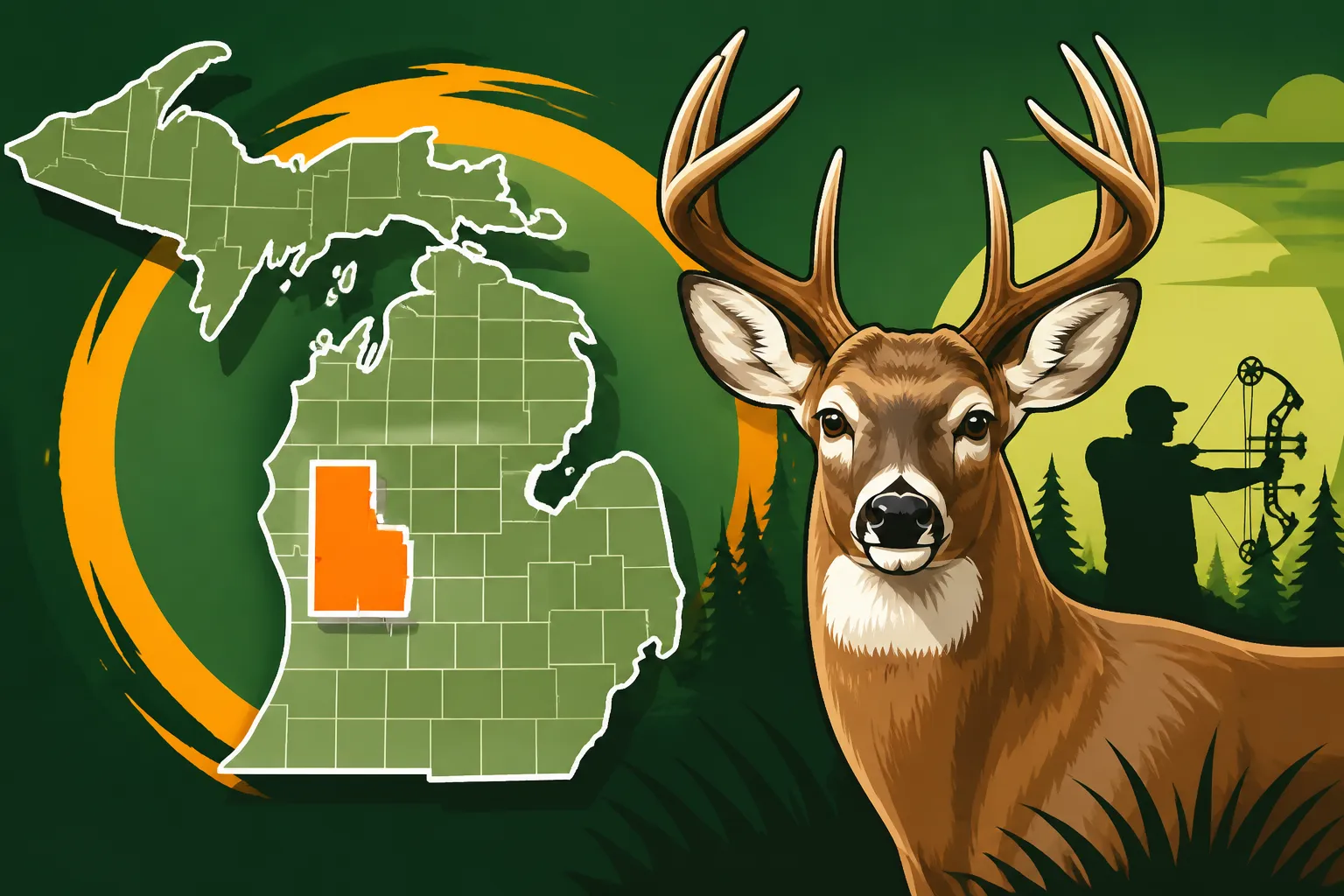
Historically, the counties that consistently lead in total deer harvest are often found in the southern half of the Lower Peninsula. These are typically areas dominated by a mix of agriculture and woodlots, often with a significant amount of private land. Think of counties in the "Thumb" region, west-central Michigan, and the southwest. These regions provide an ideal blend of abundant food sources, diverse cover, and milder winters compared to the northern reaches of the state.
For instance, counties known for extensive corn and soybean fields, interspersed with swampy areas and oak stands, tend to produce high numbers. The deer in these areas benefit from calorie-rich diets, leading to healthier herds and often better antler development. While the Upper Peninsula holds vast tracts of wilderness and significant deer populations, the harsher winters and lower hunter densities in some areas mean the total harvest figures don't always rival the agricultural powerhouses downstate.
Interpreting Harvest Data Beyond Raw Numbers
Simply looking at the total number of deer harvested in a county can be misleading if you don't consider other factors. A high harvest count might mean a very high deer density, or it could mean a very high hunter density, or perhaps a combination of both. It's also important to differentiate between antlered and antlerless deer harvest. Some counties might have high antlerless harvests due to specific management goals or liberal tag allocations, while others might be more sought after for their potential to produce mature antlered bucks, even if the overall deer density isn't the highest.
Understanding these nuances helps paint a clearer picture. For example, a county with a moderate total harvest but a high percentage of mature bucks might be more appealing to a trophy hunter, even if a different county boasts higher raw numbers of deer taken. The information provided by the DNR on Michigan Deer Harvest Trends can give you a deeper dive into these figures year by year.
Key Factors Driving High Deer Harvest Counts
What makes certain Michigan counties so productive for deer hunters? It’s rarely one single thing but rather a confluence of ecological, environmental, and human-related factors that create ideal conditions for both deer and the hunters pursuing them.
Habitat, Agriculture, and Food Abundance
The number one driver of high deer populations, and subsequently high harvest numbers, is often food availability. Southern Michigan, with its rich agricultural lands, provides an almost endless buffet for deer. Fields of corn, soybeans, alfalfa, and wheat offer high-energy forage year-round. These farmlands are typically broken up by woodlots, river bottoms, and swampy areas, providing crucial cover for bedding and security. This ideal mix of food and cover allows deer populations to thrive and reproduce effectively.
Consider the impact of Hunting a Standing Cornfield in the Thumb. These areas can hold an incredible number of deer throughout the fall and early winter, acting as both food source and sanctuary. The sheer volume of nutritious food means deer enter winter in better condition, which is vital for survival and future reproductive success, leading to robust populations that can sustain high harvest rates. In contrast, extensive, unbroken tracts of mature timber, while important for other wildlife, often support lower deer densities due to less diverse forage options unless they are actively managed with timber cuts.
Land Ownership, Hunter Access, and Management Strategies
The balance between public and private land also plays a significant role in harvest numbers. Many of the high-harvest counties in southern Michigan have a high percentage of private land. While this can sometimes make access challenging for public land hunters, it often allows landowners to implement targeted deer management strategies. This can include food plots, habitat improvements, and controlled hunting pressure, all of which contribute to healthier deer herds and potentially higher individual success rates.
Conversely, counties with vast amounts of public land, such as those in the northern Lower Peninsula or the Upper Peninsula, attract a higher volume of hunters per available acre. This increased hunter density, especially on opening day, can spread deer out and make them warier. However, for those willing to put in the effort, public land can still offer excellent opportunities. Services like GoHunt can be invaluable for analyzing land ownership maps and identifying those overlooked pockets, even in heavily hunted areas, by cross-referencing with available harvest data. Understanding specific antler point restrictions by management unit is also crucial, as detailed in Michigan Antler Point Restrictions by DMU, as these regulations directly influence what deer can be legally harvested.
Deer Population Dynamics and Environmental Influences
Beyond food and access, the inherent dynamics of the deer population itself are critical. Southern Michigan generally experiences milder winters than the northern parts of the state, especially the Upper Peninsula. Less severe winters mean higher overwinter survival rates for fawns and adult deer, allowing populations to rebound quickly. In the Upper Peninsula, conversely, severe winters with deep snow can lead to significant deer mortality, impacting harvest numbers for several years. This is a crucial aspect discussed in Upper Peninsula Deer Yarding and Winter Movement.
Furthermore, factors like disease prevalence can also influence harvest. While not always directly impacting total numbers, diseases like Chronic Wasting Disease (CWD) or Bovine Tuberculosis (bTB) can lead to changes in management, such as increased antlerless quotas, which would then affect the composition of the harvest. You can learn more about affected areas in Which Michigan Counties Have CWD. A healthy, thriving deer herd is the foundation for a productive hunting season, and environmental factors are key to that health.
Geographic Breakdown of Michigan's Deer Harvest Hotspots
Michigan is a big state, and the deer hunting experience—and success—changes dramatically as you move from south to north, and even from east to west within a given region.
Southern Michigan's Consistent Productivity
The agricultural belt of Southern Michigan, roughly south of M-59, consistently produces the highest deer harvest numbers. Counties like Lapeer, Sanilac, Lenawee, Jackson, and Barry often appear at or near the top of the harvest lists. This region is characterized by extensive farmlands, dotted with small woodlots, creek bottoms, and urban fringe areas that often hold surprising numbers of deer. The combination of abundant food, relatively mild winters, and substantial private land for management creates an environment where deer thrive.
Hunters in these areas often employ tactics like setting up on field edges, still-hunting woodlots, or organizing small deer drives. The relatively flat terrain and dense cover can make tracking and recovery straightforward, but also means deer can disappear quickly. For those seeking consistent opportunities for both antlered and antlerless deer, Southern Michigan Farm Country Deer Hunting is often a highly productive choice.
Northern Lower Peninsula's Varied Opportunities
Moving into the northern Lower Peninsula, the landscape shifts to more extensive forests, including state and national forests, interspersed with smaller agricultural parcels. Counties like Montmorency, Oscoda, and Roscommon can still produce good numbers of deer, particularly in areas with a mix of younger timber cuts, swamps, and small farm fields. The deer densities here are generally lower than in the south, but the experience is often more akin to "big woods" hunting.
Hunter numbers can still be high, especially on public lands during opening week, as many hunters flock to traditional deer camp areas. Success here often depends on understanding deer movement patterns in these larger timber tracts, focusing on transition zones, pinch points, and areas with preferred forage. Late season hunting can be very productive if snow drives deer to specific food sources or winter cover.
Upper Peninsula Challenges and Rewards
The Upper Peninsula presents a unique deer hunting challenge and reward. While it has truly massive tracts of public land and robust deer populations, especially in the central and eastern U.P., the harvest numbers typically don't compete with the southern Lower Peninsula. The primary reason for this difference is the brutal U.P. winters. Deep snow and prolonged cold can take a heavy toll on deer, impacting both their numbers and their physical condition.
However, for hunters seeking a truly wild experience, Hunting the Michigan Upper Peninsula for Deer offers incredible solitude and the chance at a truly mature woods buck. Counties like Menominee, Delta, and Dickinson, which have more agriculture and milder conditions in their southern portions, often lead the U.P. in harvest. Throughout the U.P., understanding deer yarding areas and winter movement is paramount, as discussed in Upper Peninsula Deer Yarding and Winter Movement, for finding deer during the later seasons. Tactics like Still-Hunting After a Michigan Snow become highly effective when deer are concentrated and visible against a white backdrop.
Here's a simplified look at regional deer harvest characteristics:
| Characteristic | Southern Lower Peninsula (SLP) | Northern Lower Peninsula (NLP) | Upper Peninsula (UP) |
|---|---|---|---|
| Dominant Habitat | Agriculture, woodlots, urban fringe | Mixed forest, small farms, swamps | Extensive forest, swamps, few farms |
| Deer Density | High | Moderate to High | Moderate to Low (variable by winter severity) |
| Harvest Numbers | Consistently Highest | Good, but lower than SLP | Moderate, significantly impacted by winter |
| Hunter Pressure | High, especially on public land & opening week | High in popular areas, more dispersed in remote tracts | Lower overall, but localized hotspots |
| Winter Severity | Mildest | Moderate | Most Severe |
| Typical Buck Age | Varies; can find mature bucks, but often younger due to pressure | Good potential for mature bucks, especially in remote areas | Highest potential for mature, deep-woods bucks |
How Hunters Can Leverage This Information
Knowing which Michigan counties generally kill the most deer isn't just a fun fact; it's a piece of the puzzle that can inform your hunting strategy. However, it's crucial to use this data intelligently, combining it with other insights to truly improve your odds.
Using Data for Your Own Hunt Planning
While a county with consistently high harvest numbers might seem like a sure bet, remember that high harvest often correlates with high hunter density. This means you might be competing with more hunters for the same deer. Instead of just chasing the highest numbers, think about what kind of hunting experience you prefer. Do you want lots of opportunities for any deer, or are you holding out for a mature buck and willing to put in more effort in a less crowded area?
For those targeting specific areas, tools like GoHunt can be immensely helpful. They allow you to overlay land ownership, habitat types, and even topographical features onto maps. This means if you're looking at a high-harvest county, you can use GoHunt to zoom in and identify specific public land parcels that might be overlooked, or scout for permission on private tracts. Understanding How Many Deer You Can Take in Michigan and the specific antlerless quotas in different counties can also guide your tag purchases and strategy.
The Importance of Local Scouting and Adaptation
Regardless of which county you choose to hunt, there's no substitute for boots-on-the-ground scouting. State-level harvest data is a macro view; successful hunting happens at the micro-level. Focus on understanding the local deer behavior, food sources, and travel patterns within the specific section of woods or farmland you plan to hunt. Learn to read sign, identify bedding areas, and understand how deer use cover.
Even in a high-harvest county, finding success means adapting to current conditions, which includes knowing about Wind and Thermals on Michigan Ridges or how deer react to pressure. Platforms that offer detailed aerial photos, like those you might find through GoHunt, can help you conduct virtual scouting by Reading Aerial Photos for Swamp Deer or identifying potential travel corridors. Ultimately, the best county is often the one where you've done your homework and are most familiar with the land, regardless of its statewide ranking. For public land hunters, learning how to effectively utilize it requires dedicated Scouting Michigan Public Land Before Season.
Disclaimer
This article is for general informational purposes only and does not constitute professional advice. Laws, prices and regulations vary by location and change over time. Consult a qualified professional for guidance on your specific situation.