Duck Migration Timing Through Michigan
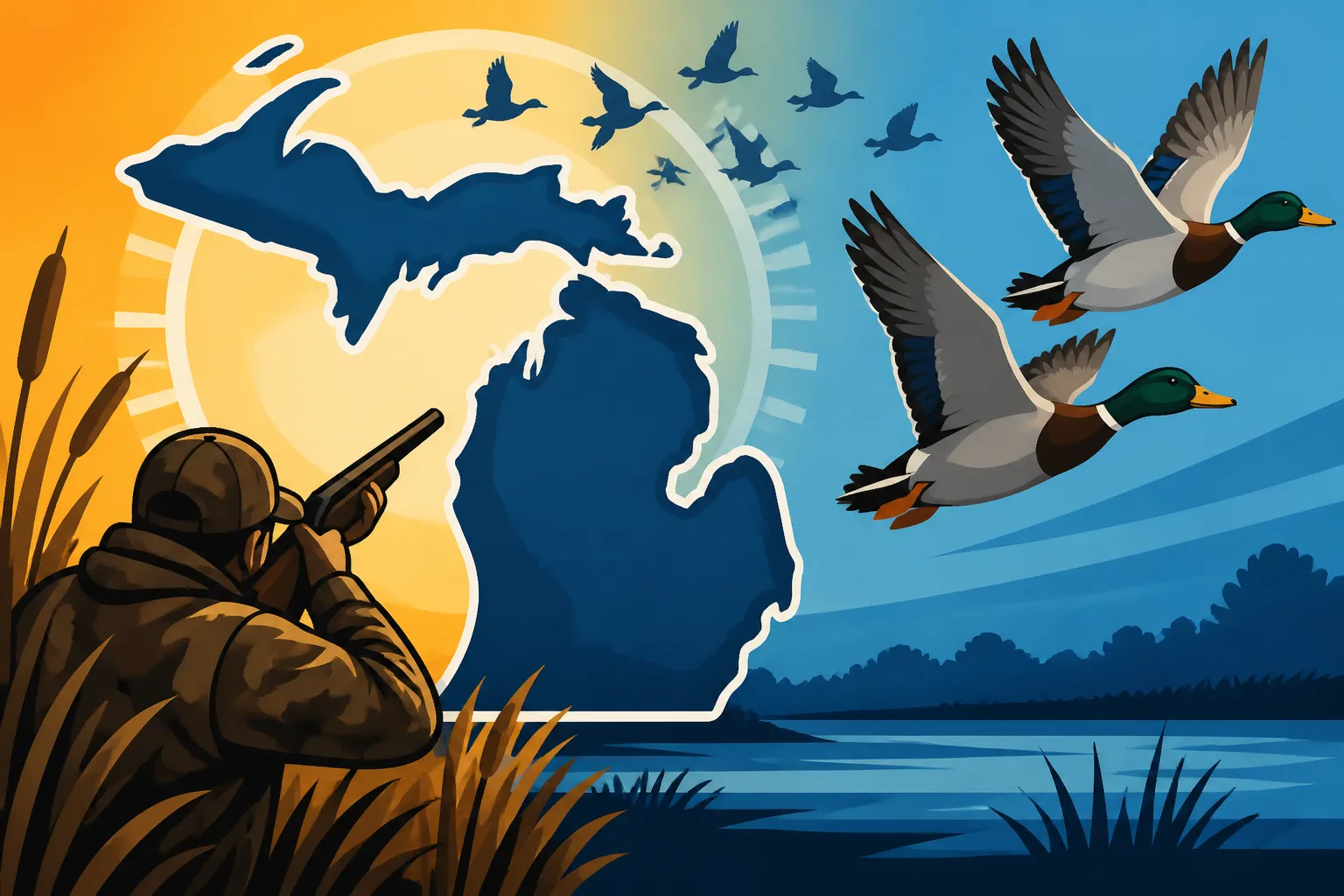
If you've spent countless mornings shivering in a Michigan marsh, watching the sunrise paint the sky without a single duck breaking the horizon, you know the frustration of unpredictable migration. It feels like the ducks read a different calendar or just vanish into thin air. Understanding the intricate dance of duck migration through Michigan isn't about magic; it's about knowing the factors at play, from weather shifts to available food, and adapting your strategy accordingly. This guide will help you decipher those patterns and put more birds in your bag.
Understanding the Factors Influencing Duck Migration in Michigan
Michigan is a unique crossroads for waterfowl, sitting squarely in the Mississippi Flyway with influences from the Atlantic Flyway as well. This means we see a huge variety of ducks and geese, but it also means their movements are complex. It's never just one thing that pushes birds, but rather a combination of environmental cues that tell them it's time to pack their bags and head south, or at least to better feeding grounds.
Weather Patterns and Cold Fronts
The most obvious, and often most impactful, driver of duck migration is the weather. When those crisp, clear fall days give way to biting winds and plunging temperatures, you can almost feel the birds reacting. A strong cold front pushing down from Canada isn't just uncomfortable for us; it's a signal to ducks that winter is on its way, and quickly. This is especially true when it brings prolonged freezing temperatures.
Think about it from a duck's perspective: their survival depends on access to open water and food. When the shallow wetlands, small ponds, and even larger bays start to skim over with ice, their available habitat shrinks dramatically. A solid sheet of ice covering their resting and feeding areas forces them to seek open water further south. Snowfall, while beautiful, also covers up crucial food sources like waste grain in agricultural fields. So, when a big clipper system rolls through, dropping temperatures and laying down a fresh blanket of snow, you can bet that a fresh wave of birds is likely just ahead of it, riding those strong north winds. This is when many hunters get excited, knowing that "new" birds, less pressured and possibly more eager to feed, might be arriving.
Food Availability and Water Conditions
Beyond just open water, ducks need energy – and lots of it – for their long journeys. This means food availability is a huge determinant of where and when they decide to migrate or stage. Michigan offers a diverse buffet for waterfowl, from natural seeds and tubers in marshes to waste grain in agricultural fields. As the seasons progress, different food sources become more or less available, directly influencing bird movement.
In the early season, ducks might be content feasting on smartweed and wild rice in a wetland, or on acorns in a flooded timber patch. As these natural foods get depleted or become inaccessible due to ice, birds start looking for alternatives. Waste corn and soybeans in harvested fields become prime targets, especially for mallards and geese. Water levels also play a crucial role. If marshes dry up, ducks have no choice but to move to larger, deeper bodies of water or to find new shallow feeding areas. Conversely, if heavy rains flood fields, creating temporary sheet water, it can hold ducks that would otherwise pass over, offering fantastic field hunting opportunities. Field Hunting Geese in Southern Michigan outlines some of these field hunting scenarios, which apply to ducks too. Hunters often keep a keen eye on farming schedules in their area, knowing that a freshly harvested cornfield can become a magnet for birds overnight, at least until the easy pickings are gone.
Hunting Pressure and Refuge Use
It's no secret that ducks, just like deer or turkeys, become incredibly wary once hunting season opens. The constant barrage of shots, the presence of hunters, and the general disturbance push birds out of easy-to-access areas and onto larger, safer waters. This pressure isn't necessarily migration in the traditional sense, but it certainly causes significant local movement that can feel like birds "migrating out" of your spot.
Many ducks will learn to feed at night in pressured areas or seek refuge in large, open bodies of water like the Great Lakes or designated waterfowl sanctuaries during daylight hours. Michigan has several fantastic managed waterfowl areas and large lakes that can hold enormous numbers of birds that are simply unpressurable in those locations. As the season progresses, and particularly after the initial opening weekend frenzy, birds become "educated." They'll fly higher, flare at the slightest hint of danger, and stick to areas where they feel safe. Understanding how hunting pressure affects local duck movements is key to adapting your tactics. Sometimes, this means moving your spread away from the obvious spots, or looking for those hidden pockets of calm water where birds can rest. Remember, a duck that feels safe is more likely to stick around.
Key Migration Periods for Different Duck Species in Michigan
Michigan's waterfowl season is a long one, and you’ll notice distinct phases in the types of ducks you encounter. It's not a single "duck migration" but a continuous parade of different species moving through at their own pace, driven by their unique biology and tolerance for cold.
Early Season Arrivals: Teal and Wood Ducks
When Michigan's duck season kicks off, typically in late September, the first waves of true migrants you'll likely encounter are the early birds: teal and wood ducks. These smaller, agile ducks are among the first to feel the chill in the air up north and begin their southward journey. Green-winged teal are notorious for their lightning-fast flights, often zipping through marshes in small, tight flocks. Blue-winged teal tend to be even earlier, with many having passed through Michigan even before the regular duck season starts, especially if September brings a significant cold snap.
Wood ducks, with their stunning plumage, are also early migrants. They prefer flooded timber, beaver ponds, and slow-moving rivers, feasting on acorns and other mast crops. While some wood ducks breed in Michigan, many more will filter through from farther north. They are incredibly sensitive to cold; as soon as the water begins to cool significantly, and especially if the first frosts hit hard, they'll be on their way. If you're out early in the season, focusing on shallow, woody cover for woodies and smaller, marshy potholes for teal will often yield the best results. Their presence marks the true beginning of the migratory push.
Mid-Season Push: Mallards, Pintails, and Gadwalls
As October progresses into early November, the bulk of Michigan's puddle duck migration really gets into full swing. This is often considered the prime time for many hunters, as larger, more robust ducks like mallards, pintails, and gadwalls begin arriving in earnest. Mallards, in particular, are the bread and butter for many Michigan duck hunters, and their numbers swell significantly during this period. Michigan Mallard and Wood Duck Numbers gives a good overview of the population trends for these important species.
These ducks are more tolerant of colder temperatures than teal or wood ducks, often staying until ice-up forces them further south. They will stage on larger wetlands, flooded fields, and river systems, taking advantage of abundant waste grain and natural forage. The key to finding them during this mid-season push is often scouting harvested agricultural fields, especially corn, and looking for larger bodies of water where they can loaf during the day. As the first major cold fronts of late October hit, pushing temperatures well below freezing overnight, you can expect huge influxes of these birds. This period often aligns with Michigan's firearm deer season, making for some unique "combo hunting" opportunities if you can find open water near your deer stand. They'll continue to move in waves, making consistent scouting vital.
Late Season Divers and Hard-Weather Birds
By late November and into December, as winter truly begins to bite, the hunting shifts dramatically to the hardy divers and the last-ditch efforts for puddle ducks clinging to open water. This is when the Great Lakes really shine as waterfowl magnets. Species like scaup (bluebills), canvasbacks, redheads, goldeneyes, and buffleheads dominate the scene. These birds prefer deep, open water, feeding on mollusks and aquatic vegetation. Great Lakes Waterfowl Hunting in Michigan dives deep into the specific challenges and rewards of this specialized hunting.
The migration of divers is heavily influenced by the freezing of inland lakes and shallow bays. As smaller waters lock up, these birds concentrate on the vast, often still-open waters of the Great Lakes and their connecting bays like Saginaw Bay and Lake St. Clair. Diver Ducks on Saginaw Bay describes how these areas become critical staging and wintering grounds. Hunting divers often requires specialized gear, like sturdy boats and layout blinds, to contend with big water conditions. You’ll also find common goldeneyes and buffleheads even later into the season, sometimes right up until the final days, as long as there’s a current to keep a patch of water open. These birds are incredibly tough and will stay as long as they can find food and open water, making them the ultimate "hard weather" ducks for the dedicated late-season hunter.
| Species | Early Arrival (approx) | Peak Migration (approx) | Habitat Preference | Key Factors for Movement |
|---|---|---|---|---|
| Blue-winged Teal | Late August | Early September | Shallow marshes, flooded fields | First cold fronts, water temp drops |
| Green-winged Teal | Mid-September | Late September – Early October | Shallow marshes, potholes, river edges | Cooling temps, first frosts |
| Wood Duck | Early September | Early – Mid-October | Flooded timber, beaver ponds, slow rivers | Acorn availability, hard frosts, ice skim |
| Mallard | October (Local) | Late October – Early November | Marshes, fields, rivers, large lakes | Strong cold fronts, ice up on small water |
| Northern Pintail | Mid-October | Early November | Shallow marshes, flooded fields, open water | Significant cold fronts, field food access |
| Gadwall | Mid-October | Early November | Marshes, shallow lakes, flooded fields | Consistent cold, loss of marsh forage |
| Canvasback | Late October | Mid-November | Large, deep lakes, bays, Great Lakes | Inland ice formation, open water on big lakes |
| Redhead | Late October | Mid-November | Large lakes, bays, Great Lakes (aquatic plants) | Inland ice formation, available open water |
| Lesser Scaup (Bluebill) | Late October | Mid-November – Early December | Large lakes, Great Lakes, deep bays (mollusks) | Inland ice formation, accessible food sources |
| Common Goldeneye | Mid-November | Late November – December | Large rivers, Great Lakes, open water stretches | Widespread ice, need for fast-moving water |
| Bufflehead | Mid-November | Late November – December | Great Lakes, large rivers, deep inland lakes | Final ice-up of all but moving water |
Strategies for Adapting to Michigan's Dynamic Duck Migration
Being a successful duck hunter in Michigan isn't just about showing up with a gun and some decoys. It's about being a student of the flyway, constantly observing, learning, and adapting. The birds don't read the rulebook, and neither should you, at least not so rigidly that you miss out on opportunities.
Scouting is Non-Negotiable
You've heard it a thousand times, but it bears repeating: scouting is absolutely paramount, especially when dealing with migratory waterfowl. Ducks are here today, gone tomorrow, and what worked last week might be a ghost town today. You need to be where the birds are, not where you think they should be. This means regular trips to observe potential hunting spots, both mornings and evenings. Look for feeding activity, loafing areas, and flight paths. Watch where birds fly in from and where they leave to.
Pay close attention to weather forecasts, particularly those cold fronts pushing down from the north. A sharp drop in temperature or a significant snow event in Manitoba or Ontario often signals an impending push of new birds into Michigan. Many savvy hunters use tools like GoHunt, which can provide detailed mapping overlays, public land boundaries, and even historical weather data that can help you predict where birds might move next. Checking local reports, social media groups, and even talking to other ethical hunters can give you clues. Don't be afraid to put in the windshield time; it's the best investment you can make in successful duck hunting. Scouting Michigan Public Land Before Season is primarily for deer, but the principles of observation and understanding terrain translate perfectly to waterfowl.
Flexibility in Hunting Locations and Tactics
One of the biggest mistakes a duck hunter can make in Michigan is getting locked into one spot or one particular hunting method. If the birds aren't there, or if they're not responding, it's time to change something. This might mean moving from a marsh to a flooded field, or from a small pothole to a large river. Michigan offers incredible diversity in its waterfowl habitats, and a flexible hunter can take advantage of it all.
For example, if the early season marsh hunting dries up or gets too much pressure, you might need to shift to finding Hunting a Standing Cornfield in the Thumb or scouting a river system where birds can find moving water. Later in the season, if inland lakes freeze solid, your best bet might be to brave the big water of the Great Lakes for divers, utilizing specialized setups like those detailed in Layout Hunting Michigan Big Water. Having a few different game plans and scouting multiple locations gives you options. Don't be afraid to pull your decoys and move if the birds just aren't flying your way. Sometimes, even moving your blind 50 yards can make all the difference.
Decoy Spreads and Calling Adjustments
Just as your location needs to be flexible, so do your decoy spreads and calling techniques. What works for early-season teal in a calm marsh probably won't cut it for late-season mallards dodging ice floes or diver ducks on open water. As the season progresses and birds become more educated, they get increasingly wary. This means adjusting the realism, size, and type of your spread.
For early season, a dozen or so teal and wood duck decoys in a tight, natural-looking spread might be perfect. As larger mallards and pintails arrive, you might want to increase the size of your spread, incorporating more mallard decoys, and perhaps adding a few pintails or even some full-body field decoys if you're hunting cornfields. Motion decoys, like spinners or jerk strings, can be incredibly effective early on, but might spook wary, late-season birds if used improperly. For divers, larger, bolder spreads are often the norm, designed to be seen from a distance on big water. Similarly, your calling needs to adapt. Early birds might respond to aggressive calling, while later in the season, subtle quacks and clucks are often more effective for pressured birds. Learning when to call loudly, softly, or not at all, and recognizing the different calls of various species, can make you a much more successful hunter. Remember, the goal is to convince the ducks that your spread is a safe and inviting place to land, and that message changes throughout the season.
Disclaimer
This article is for general informational purposes only and does not constitute professional advice. Laws, prices and regulations vary by location and change over time. Consult a qualified professional for guidance on your specific situation.