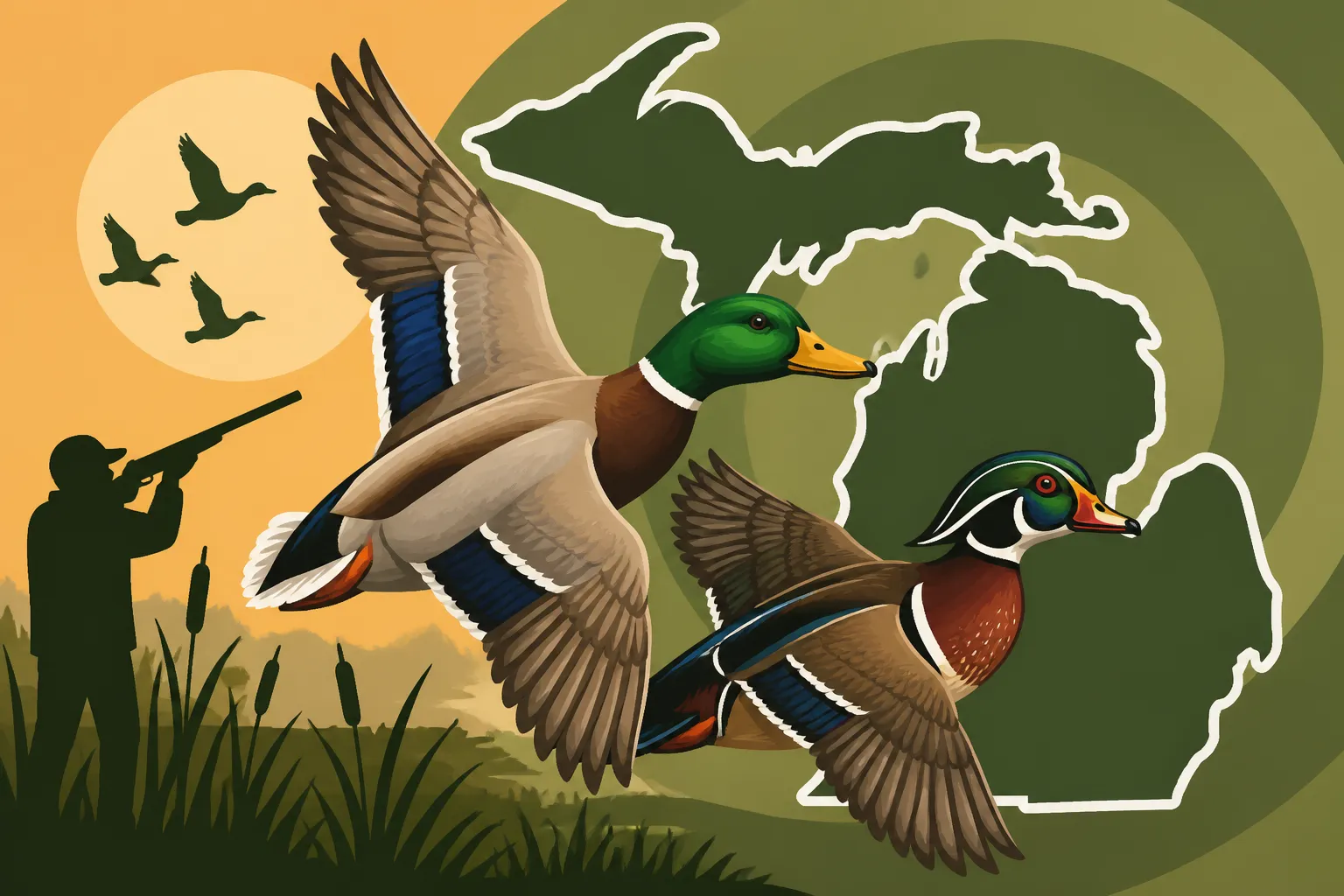
Michigan Mallard and Wood Duck Numbers
For many Michigan waterfowlers, the early morning chill, the call of a duck breaking the silence, and the splash of decoys are deeply ingrained traditions. But sometimes, it feels like certain birds, like our beloved mallards and the strikingly beautiful wood ducks, are just everywhere one year and then frustratingly scarce the next. This guide aims to pull back the curtain on what influences Michigan's mallard and wood duck populations, helping you understand the complex factors that determine their numbers and where you might find them.
Understanding Mallard Numbers in Michigan
Mallards are, without a doubt, the quintessential duck for many hunters in Michigan. They're often the most common duck bagged across the state, and their adaptability means you can find them in a huge variety of habitats, from urban parks to vast marshlands. But even with their robust numbers, understanding the yearly fluctuations is key to successful hunting and appreciating the ecological picture.
Mallard Population Dynamics
Tracking the health of Michigan's mallard population isn't just guesswork; it involves rigorous scientific effort. Every year, wildlife biologists conduct extensive surveys, often flying over key breeding grounds and counting birds. These surveys give us an estimate of the continental population, which helps inform bag limits and season lengths. In Michigan, our mallards are a mix of birds hatched right here and those migrating down from Canada and other northern states. A "good year" often means favorable breeding conditions up north – plenty of water, abundant food, and low predator pressure, leading to a strong hatch. Conversely, drought conditions or late, cold springs can severely impact nesting success, meaning fewer young birds joining the fall flight.
Beyond the breeding grounds, factors like disease outbreaks, which can unfortunately impact waterfowl concentrated in certain areas, and overall habitat quality play significant roles. Michigan’s diverse landscape offers excellent mallard habitat, from agricultural fields that provide waste grain to expansive wetlands and flowing rivers. Understanding these broad trends can help temper expectations for the season. If you're a serious waterfowl hunter, using resources that compile this data can be invaluable for planning your season. Some hunters even use tools like GoHunt to look at migration patterns, weather forecasts, and historical harvest data for different regions, hoping to find an edge.
Habitat and Distribution
Michigan is a mallard paradise in many respects, offering an incredible variety of suitable habitats. You'll find them almost anywhere there's water, but certain areas consistently hold higher concentrations.
- Great Lakes Marshes: The vast marsh systems along the Great Lakes, particularly Saginaw Bay and Lake St. Clair, are critical staging and feeding areas. These shallow, fertile waters provide abundant aquatic vegetation and invertebrates. Hunting here can be incredible, especially during peak migration.
- Inland Lakes and Rivers: Smaller inland lakes, particularly those with shallow edges and emergent vegetation, are often home to resident mallards. Major river systems like the Grand, Muskegon, and Kalamazoo also host strong populations, especially where oxbows, backwaters, and floodplain forests provide sanctuary and food. Jump shooting these rivers can be a thrilling experience, though often challenging. Jump Shooting Michigan Rivers
- Agricultural Areas: Mallards are incredibly adept at utilizing agricultural landscapes. They'll often feed in flooded cornfields, harvested bean fields, and even winter wheat. If you can find a flooded field near a major river or marsh, you're likely to find mallards.
- Small Ponds and Puddles: Don't overlook the small stuff! Farm ponds, beaver ponds, and even temporary puddles in woodlands can attract mallards, especially during early season or migration stops. These often get less pressure and can offer surprising opportunities.
Knowing these distribution patterns means you're not just blindly heading out. When planning your hunt, consider the weather, recent rains, and what crops are in the fields. A little scouting, perhaps by checking aerial photos on a mapping app, can reveal those overlooked pockets where mallards might be holding.
The Health of Michigan's Wood Duck Population
Ah, the wood duck. If there's a duck that makes you stop and stare, it's the woodie. Their iridescent plumage and graceful flight make them a true jewel of Michigan's wetlands. Unlike mallards, wood ducks have much more specific habitat requirements, which makes understanding their population health and where to find them a bit different.
Wood Duck Habits and Habitat
Wood ducks are cavity nesters, meaning they prefer to lay their eggs in hollow trees, old woodpecker holes, or man-made nesting boxes, usually over or very close to water. This preference for flooded timber, wooded swamps, and brushy stream corridors dictates where you'll find them. They aren't typically found out in the middle of vast open marshes like canvasbacks or scaup. Instead, think about the edges of swamps, meandering rivers with overhanging trees, and small, wooded ponds. Finding Woodcock in Alder Runs
Their diet largely consists of acorns, seeds, and aquatic invertebrates, so areas with oak trees dropping nuts into shallow water are prime locations, especially in the fall. You'll often see them flying through the timber at breakneck speed, dodging trees with incredible agility. This makes them a challenging but rewarding bird to hunt. Early in the season, when the leaves are still thick, their camouflage is remarkable, making them even harder to spot until they burst from cover.
Michigan's Role in Wood Duck Conservation
Michigan plays a vital role in maintaining and enhancing wood duck populations. Because they rely so heavily on tree cavities for nesting, habitat loss has historically been a concern. However, significant conservation efforts, largely funded by hunters through license fees and excise taxes on hunting equipment, have helped reverse declines.
One of the most impactful initiatives has been the widespread installation of wood duck nesting boxes. These artificial cavities provide safe, predator-resistant nesting sites, especially in areas where natural tree cavities are scarce. Many private landowners, conservation groups, and the DNR have participated in these programs, greatly benefiting wood duck numbers. These efforts highlight the critical link between hunting and conservation, demonstrating how hunter dollars directly contribute to healthy wildlife populations.
Factors Influencing Duck Populations and Hunting
It’s easy to focus on what we see right here in Michigan, but duck populations are part of a much larger, continental picture. Many factors far beyond our state lines influence the number of mallards and wood ducks that will grace our skies each fall.
Breeding Grounds and Migratory Patterns
The health of duck populations really starts far to our north, in the vast prairie potholes and boreal forests of Canada and the northern United States. This is where most ducks breed and raise their young. The amount of water available on these breeding grounds in spring and early summer is probably the single most important factor. Wet years mean more ponds, more nesting cover, and higher brood survival. Dry years, unfortunately, mean fewer ducks. This is why you often hear waterfowl hunters talking about "pond counts" from the prairie states – it's an early indicator of how the fall flight might look. Michigan Waterfowl Migration Timing
Once the breeding season is over and the young birds are fledged, the birds begin their long migration south. Weather fronts, cold snaps, and ice-up conditions further north push birds down into Michigan. The timing of these pushes can make or break a hunting season. A mild autumn might mean birds linger longer up north, arriving in Michigan later or in smaller waves. A sudden, deep freeze can bring in a huge influx of birds overnight. Local conditions in Michigan also matter, of course; if our marshes freeze up quickly, birds will push further south, bypassing some traditional hunting grounds.
Habitat Loss and Conservation Efforts
While Michigan has some fantastic wetlands, habitat loss remains a persistent challenge for all waterfowl. Development, agricultural conversion, and even changes in water management can reduce the amount of quality habitat available for breeding, resting, and feeding. When wetlands are drained or degraded, it means fewer places for ducks to thrive.
This is where concerted conservation efforts become so crucial. Organizations like Ducks Unlimited, Michigan United Conservation Clubs, and the state DNR work tirelessly to protect, restore, and enhance wetland habitats. This can involve purchasing critical parcels of land, implementing wetland restoration projects, or managing water levels in state game areas. Michigan Managed Waterfowl Area Draws Every acre of restored wetland is another potential feeding ground or nesting area for mallards and wood ducks, benefiting not just hunters but a whole host of other wildlife. These efforts require continuous funding and support, much of which comes from the hunting community.
The Hunter's Role and Management
Hunters are arguably the most passionate and effective conservationists when it comes to waterfowl. Through the purchase of hunting licenses, state waterfowl stamps, and the federal duck stamp, hunters generate millions of dollars annually that are specifically dedicated to wetland conservation and research. This direct funding source is the backbone of many habitat projects and population monitoring programs. Michigan Waterfowl Licence and Stamps
Furthermore, waterfowl hunting regulations, including bag limits and season dates, are carefully set based on population data to ensure sustainable harvests. Biologists analyze harvest numbers, band recovery data, and breeding ground surveys to make informed decisions that protect the resource for future generations. Hunters also contribute valuable data by participating in harvest surveys and reporting banded birds, providing essential feedback to wildlife managers. Without this partnership between hunters and wildlife agencies, our duck populations would not be as robust as they are today. So, when you're out there, shivering in your blind, remember you're part of a much larger legacy of conservation.
Here's a quick comparison of our two feathered friends:
| Feature | Mallard (Anas platyrhynchos) | Wood Duck (Aix sponsa) |
|---|---|---|
| Primary Habitat | Open marshes, agricultural fields, large rivers, small ponds, urban parks | Wooded swamps, flooded timber, brushy stream corridors, small wooded ponds |
| Nesting Site | Ground nests, typically in dense cover near water | Tree cavities, old woodpecker holes, nesting boxes |
| Diet | Grains (corn, rice), seeds, aquatic vegetation, invertebrates, insects | Acorns, seeds (especially from oak, bald cypress), aquatic insects |
| Flight Pattern | Strong, direct flight; often flies in V-formation or loose flocks | Fast, agile, often flies through dense timber; less often in large flocks |
| Distinguishing Features | Green head (drake), grey body, white neck ring, orange feet | Iridescent crest, ornate patterns (drake), distinct "squeal" call |
| Typical Harvest | Most commonly harvested duck in Michigan | Highly sought after, but less numerous than mallards |
Disclaimer
This article is for general informational purposes only and does not constitute professional advice. Laws, prices and regulations vary by location and change over time. Consult a qualified professional for guidance on your specific situation.