How Elk Were Restored to Michigan
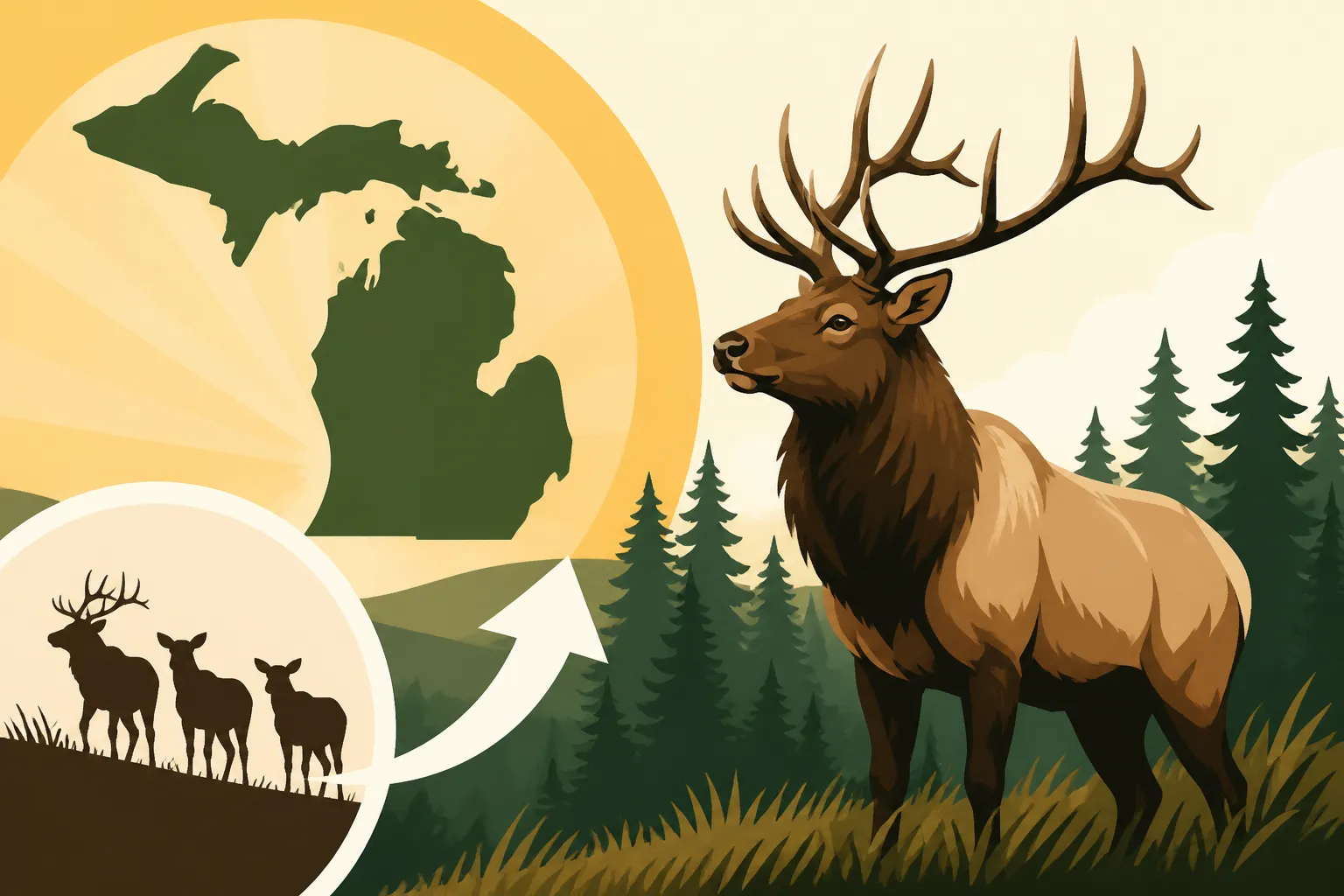
It's easy to take for granted the incredible wildlife we have here in Michigan, especially magnificent creatures like elk roaming our northern forests. But their presence isn't an accident; it's the result of a truly inspiring and long-term commitment to conservation after they had vanished from our landscape. This guide will walk you through the fascinating journey of how elk were restored to Michigan, from their initial disappearance to the thriving herds we cherish today.
The Original Disappearance of Michigan Elk
It might be hard to imagine, but there was a time when Michigan's forests, much like other parts of the Midwest, were completely devoid of elk. These majestic animals, once native to our state, faced a grim fate at the hands of early European settlers. It's a sad chapter in our wildlife history, but an important one to understand before we can appreciate their return.
Unregulated Hunting and Habitat Loss
The primary culprits behind the elk's disappearance were straightforward: rampant, unregulated hunting and dramatic changes to their habitat. In the 19th century, there were no bag limits, no seasons, and certainly no organized conservation efforts. Elk were hunted for their meat, hides, and even just for sport, often with little regard for sustainable populations. They were seen as a limitless resource, which, of course, they were not.
Beyond the direct pressure of hunting, Michigan's landscape was rapidly transforming. Vast tracts of old-growth forests were cleared for timber, agriculture, and settlement. Elk, being creatures that need large, relatively undisturbed areas of forest, wetlands, and open meadows, found their homes shrinking and fragmenting. This dual assault of heavy hunting pressure and habitat destruction left them with nowhere to go and no respite, eventually leading to their complete extirpation from Michigan by the late 1800s. It’s a stark reminder of how quickly seemingly abundant wildlife can disappear without thoughtful management.
Early Attempts at Reintroduction
The realization that Michigan had lost a piece of its natural heritage didn't sit well with many, and as conservation awareness grew in the early 20th century, there was a strong desire to bring elk back. However, these early efforts weren't without their challenges, and the path to a self-sustaining herd was far from clear.
Initial Stocking Efforts
The first real push to reintroduce elk to Michigan came in 1918. A group of just seven elk, acquired from the western United States, were released into what is now the Pigeon River Country State Forest in the northern Lower Peninsula. This area, with its mix of hardwoods, pines, and scattered openings, was deemed suitable habitat. While this might seem like a small number, it was a hopeful beginning, a first step in rectifying past mistakes. The hope was that these animals would adapt, breed, and slowly expand their numbers. It was a leap of faith for conservationists, relying on the elk's natural resilience.
Challenges and Early Growth
Even with the initial release, the challenges were significant. The landscape was still recovering from extensive logging, and human populations, though sparse, still posed a threat. Protecting these animals from poaching was a constant battle, and it took dedicated wardens and community support to give the small herd a fighting chance. Initially, the elk did manage to survive and even reproduce, slowly growing in numbers over the decades that followed. This early success was largely due to the remote nature of the release site and the nascent protective measures put in place. The herd slowly expanded its range, utilizing the patchwork of recovering forests and cedar swamps that Michigan is known for. It truly was a testament to the efforts of those first conservationists, who saw beyond the immediate to a wilder future.
The Resurgence: Growing the Herd
As the 20th century progressed, a more robust and organized approach began to take shape, leading to significant growth in Michigan's elk population. This period saw increased understanding of elk biology, habitat needs, and effective management strategies. It wasn't just about putting elk on the ground anymore; it was about creating the right conditions for them to thrive indefinitely.
Strategic Management and Habitat Improvement
The key to the resurgence lay in a multi-faceted approach. First and foremost, habitat management became a priority. This involved controlled timber harvests to create a mosaic of young growth for browse and older timber for cover, as well as maintaining open areas that elk favor for grazing. Understanding the specific dietary needs of elk and ensuring access to appropriate forage throughout the year was critical. The Pigeon River Country State Forest, in particular, became a focal point for these efforts, serving as the heart of Michigan's elk range. The goal was to create not just a place for them to exist, but an ideal environment where they could flourish naturally.
Secondly, strict hunting regulations, once completely absent, were implemented. For many years, there was no elk hunting at all, allowing the population to recover without additional pressure. When hunting was eventually reintroduced, it was done in a highly controlled manner, with very limited permits issued through a drawing system. This ensured that the harvest remained well within sustainable limits, focusing on managing herd health and distribution rather than just numbers. It allowed the herd to continue expanding its population and range within its designated management units.
Understanding Elk Behavior and Movement
As the herd grew, so did our understanding of Michigan's elk. Researchers and wildlife biologists carefully studied their movement patterns, preferred habitats, and reproductive success. They learned how elk utilized different forest types, how they responded to severe winters, and what their social dynamics were like. This data was crucial for adaptive management, allowing the state to make informed decisions about herd size, hunting quotas, and habitat improvements. For example, understanding how Upper Peninsula Deer Yarding and Winter Movement occurs helped guide strategies for elk, even though they are in the Lower Peninsula, by illustrating the critical role of winter cover. This ongoing learning process has been a cornerstone of their successful restoration, ensuring that management practices evolve with the needs of the animals.
Managing a Modern Michigan Elk Herd
Today, Michigan boasts a healthy, thriving elk herd, a testament to those early conservation efforts and ongoing dedication. However, managing such a unique resource comes with its own set of complexities, balancing the needs of the elk with human interests and environmental considerations. It's a delicate dance to maintain this magnificent population.
The Role of Limited Elk Hunts
One of the most visible aspects of modern elk management is the highly sought-after limited elk hunt. These hunts serve several critical purposes beyond simply offering a once-in-a-lifetime opportunity for hunters. They are a primary tool for managing the elk population, controlling herd size to prevent overgrazing of habitat, and mitigating conflicts with landowners, particularly agricultural damage. Hunters who apply for an elk license often pore over historical data and draw odds, and many utilize resources to help them understand the application process and increase their chances. GoHunt, for instance, provides valuable insights for those dreaming of drawing a coveted elk tag, helping them navigate the competitive landscape.
The hunts are carefully structured, with specific Michigan Elk Hunt Period Dates and limited tags allocated through a lottery system. This ensures that only a small, sustainable number of animals are harvested each year, maintaining the health and genetic diversity of the herd. Each successful hunter contributes valuable data through mandatory harvest reporting, which feeds back into the ongoing management plan. It’s a highly regulated process, designed to benefit the elk first and foremost.
Challenges in Elk Management
Even with a successful restoration, challenges persist. One ongoing concern is mitigating human-elk conflict, especially as the herd expands its range and occasionally ventures onto private agricultural land. Elk can cause significant damage to crops and fences, leading to frustration for farmers. Wildlife managers work to address these issues through various means, including specific hunt allocations to reduce numbers in problem areas, and sometimes even direct assistance to landowners.
Another critical aspect is monitoring the health of the herd and preventing the spread of diseases. Michigan's wildlife agencies continuously monitor the elk population for signs of illness, which could pose a threat to both elk and other cervids like deer. Understanding diseases that affect White-Tailed Deer Across Michigan also informs elk management strategies, as many diseases can cross species. Ensuring the long-term health and vitality of Michigan's elk requires constant vigilance and proactive measures.
Elk Viewing and Conservation Future
Beyond hunting, Michigan's elk herd provides immense value for wildlife enthusiasts and the tourism industry. Elk viewing is a popular activity, especially during the fall rut when bulls bugle and gather their harems. Dedicated viewing areas and educational programs help people connect with these animals and understand the importance of their conservation. This public appreciation fosters continued support for the robust conservation efforts that allowed elk to return.
The future of Michigan's elk herd relies on continued commitment to habitat management, science-based population control, and public education. It's a living success story, reminding us that with dedication and thoughtful action, we can restore and sustain our incredible natural resources for generations to come.
| Era | Key Event | Impact on Elk Population | Contributing Factors |
|---|---|---|---|
| Pre-1900s | Native Elk Disappearance | Extirpated | Unregulated hunting, extensive habitat destruction |
| Early 1900s | 1918 Reintroduction | Small, isolated herd | Initial stocking (7 elk), minimal protection |
| Mid-1900s | Population Growth & Expansion | Gradual increase | Habitat recovery, increased protection, no hunting |
| Late 1900s | Formal Management & Hunting | Steady, managed growth | Regulated hunting, habitat improvement, research |
| 2000s-Present | Sustainable Herd & Challenges | Thriving population | Adaptive management, limited hunts, conflict mitigation |
Disclaimer
This article is for general informational purposes only and does not constitute professional advice. Laws, prices and regulations vary by location and change over time. Consult a qualified professional for guidance on your specific situation.