Feral Swine in Michigan
The thought of wild pigs rampaging through our Michigan woods, tearing up habitat, and potentially spreading diseases is a nightmare for any hunter or outdoors enthusiast. It’s a problem that can feel overwhelming and distant until you hear about a sighting closer to home. This guide is here to shed light on the serious threat feral swine pose to our beautiful state, what they look like, and what every Michigander can do to help keep these destructive invaders from gaining a permanent foothold.
Understanding the Feral Swine Threat in Michigan
When we talk about "feral swine" in Michigan, we're not talking about some native wild boar. These are domestic pigs that have either escaped from farms or been intentionally released, and they've gone wild, adapting to life in our forests and fields. The problem isn't just that they're a non-native species; it's their incredible reproductive rate, their highly destructive feeding habits, and their potential to carry and transmit a host of devastating diseases to both wildlife and domestic livestock. It's a silent invasion that could dramatically alter our natural landscapes and agricultural economy if not contained.
What Exactly Are Feral Swine?
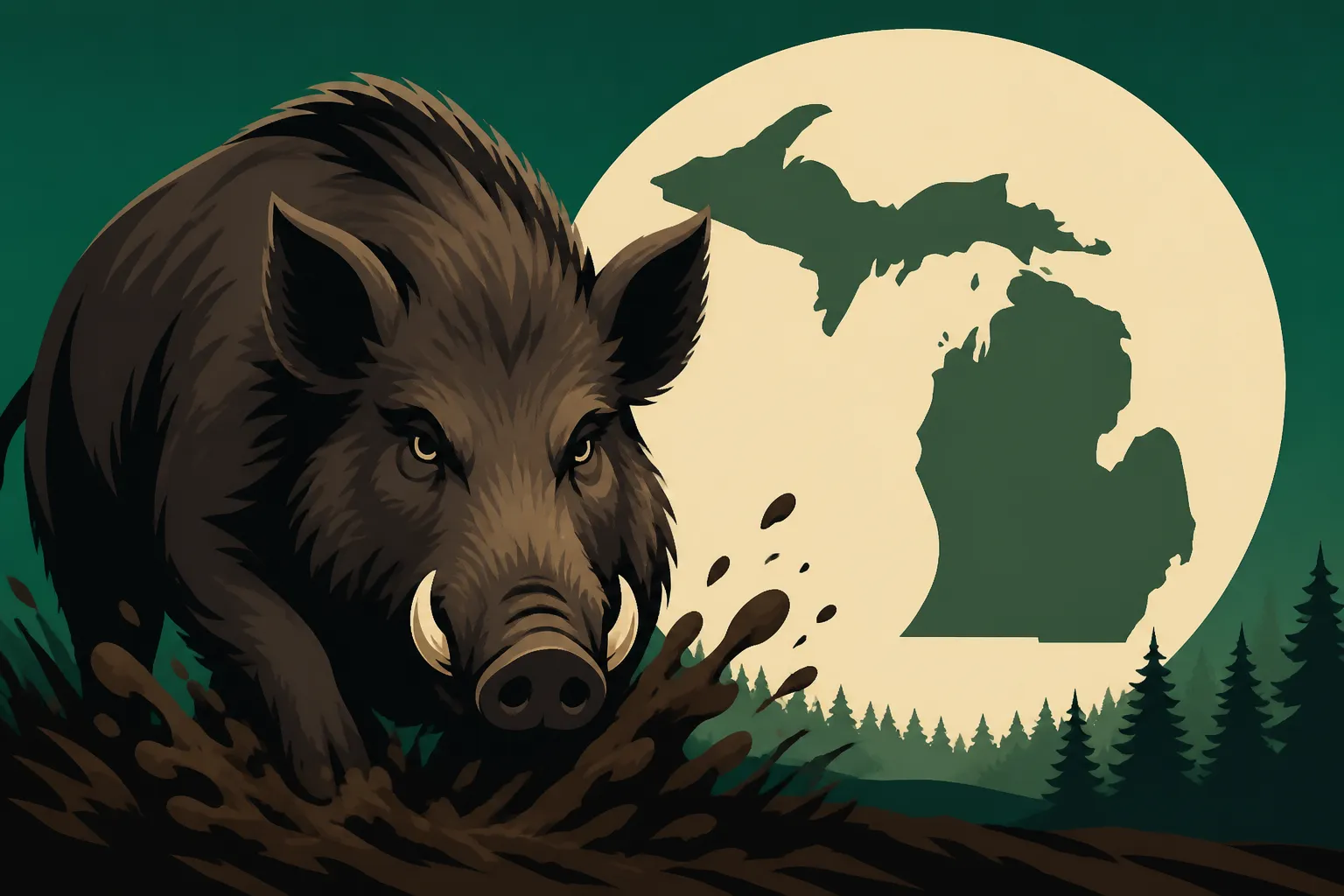
Feral swine are essentially domestic pigs (Sus scrofa) that have reverted to a wild state. They can be any breed or a mix of breeds, and their appearance can vary wildly. Some might look very much like the farm pigs they once were, while others, after a few generations in the wild, develop thicker coats, longer snouts, and tusks, taking on a more "wild boar" appearance. They are often dark in color, bristly, and can range from small piglets to massive boars weighing several hundred pounds. It’s important to remember that even a pig that looks perfectly domestic can be feral if it’s living and reproducing in the wild without human control.
They are incredibly adaptable animals, capable of surviving and thriving in a wide range of habitats, from dense swamps and thick forests to open agricultural fields. This adaptability, combined with their rapid breeding cycle—sows can produce multiple litters per year with many piglets per litter—means their populations can explode very quickly if left unchecked.
Why Are Feral Swine Such a Problem for Michigan?
The reasons feral swine are considered such a grave threat are multifaceted, touching on ecological, agricultural, and disease concerns. Ecologically, they are bulldozers with snouts, tearing up delicate ecosystems. Agriculturally, they devastate crops and can contaminate feed. And perhaps most alarmingly, they are walking reservoirs for serious diseases that could cripple both Michigan's deer herd and its vital livestock industries. The Department of Natural Resources (DNR) views them as an invasive species with zero tolerance, emphasizing immediate detection and eradication.
The challenges are compounded by their intelligence and nocturnal habits, making them difficult to track and remove. If they establish widespread populations, the damage would be extensive and potentially irreversible, similar to what other states in the South and Midwest have experienced. This is why Michigan has adopted an aggressive stance: any feral swine found must be eradicated quickly.
The Destructive Impact of Feral Swine
The destructive capabilities of feral swine are hard to overstate. They are ecosystem engineers in the worst possible way, capable of transforming a vibrant habitat into a barren wasteland. Their presence can severely impact native wildlife populations by destroying food sources, competing for resources, and even directly preying on vulnerable species. For Michigan, with its diverse ecosystems and crucial agricultural sector, this poses an unacceptable risk.
Ecological Damage to Michigan's Habitats
Feral swine are notorious for their "rooting" behavior, where they use their powerful snouts to dig up soil in search of roots, tubers, and invertebrates. This might sound minor, but on a large scale, it's devastating. They turn over acres of forest floor, wetland margins, and field edges, destroying native plant communities, exposing soil to erosion, and disrupting the delicate balance of microorganisms vital for healthy soil. This rooting can also destroy the nests of ground-nesting birds, like wild turkeys, and consume acorns and other mast crops that are critical food sources for deer, bear, and small game like squirrels.
Imagine a pristine cedar swamp, a vital wintering ground for deer in the Upper Peninsula, suddenly churned into a muddy mess by a sounder of pigs. This isn't just an eyesore; it's a loss of critical forage and cover for deer, especially during harsh Michigan winters. Similarly, their destructive foraging in agricultural fields, beyond just eating crops, can compact soil and damage irrigation systems, creating a long-term problem for farmers.
Disease Transmission to Wildlife and Livestock
Perhaps the most alarming aspect of feral swine is their role as disease carriers. They are known hosts for at least 30 diseases and 37 parasites, many of which are highly transmissible to domestic livestock and native wildlife. In Michigan, this could have catastrophic consequences for our deer herd and agricultural economy. Two primary concerns are Classical Swine Fever (CSF) and Pseudorabies Virus (PRV), which are devastating to domestic pigs but rarely affect humans. However, their ability to carry and transmit other diseases is what truly raises alarm bells.
Consider the ongoing fight against diseases like Chronic Wasting Disease in Michigan and Bovine TB Rules in Northeast Michigan. Feral swine could potentially complicate these efforts, or even introduce new threats. They are highly susceptible to diseases like EHD Die-Offs in Michigan Deer and could act as vectors, spreading these diseases over wider areas and into new populations. This makes any encounter with them a public health and wildlife management concern, demanding immediate attention and proper reporting to prevent disease outbreaks.
Where Feral Swine Have Been Sighted in Michigan
The good news, if there is any, is that Michigan has maintained a relatively low incidence of established feral swine populations compared to many other states. However, sporadic sightings and eradication efforts have occurred across various parts of the state, serving as stark reminders of the constant threat. These aren't just isolated events; each sighting represents a potential beachhead for a larger, more entrenched population.
Documented Sightings and Eradication Efforts
Historically, most feral swine sightings in Michigan have been isolated incidents, often involving escaped domestic pigs quickly contained and removed. There have been reports stretching from the agricultural heavy areas of southern Michigan, where pig farms are more common, up into some of the more rural, wooded counties in the northern Lower Peninsula. Thankfully, through the vigilance of citizens and aggressive response by the DNR and USDA, Michigan has avoided the widespread proliferation seen in states further south.
The strategy has been rapid response: confirm the sighting, locate the animals, and remove them as quickly as possible, usually through trapping and euthanasia. This proactive approach aims to prevent any breeding population from becoming established. The goal is zero tolerance, understanding that even a small, unaddressed group can quickly become a large, uncontrollable problem.
Identifying Potential High-Risk Areas
While any area with domestic pig farms could theoretically be a source of escaped animals, regions with dense cover, abundant food sources (like mast crops), and proximity to agricultural fields are considered high-risk for potential establishment. Southern Michigan Farm Country, with its mix of row crops and scattered woodlots, presents ideal conditions for feral swine to thrive if they get a foothold. Similarly, parts of the northern Lower Peninsula, with vast tracts of state forest and wetlands, could offer enough cover and food to allow a population to grow unnoticed for a time.
Hunters and landowners who use tools like GoHunt to scout and understand land features are crucial eyes and ears on the ground in these areas. While GoHunt is excellent for identifying property boundaries and habitat types for deer or turkeys, it's also a valuable tool for visualizing remote areas where feral swine might find refuge, emphasizing the importance of detailed mapping for monitoring land. Understanding the terrain, vegetation, and water sources can help identify places where these animals might try to establish themselves.
Michigan's Proactive Management and Eradication Strategies
Michigan takes the threat of feral swine incredibly seriously. Unlike states where feral swine are an established game animal, Michigan views them as a noxious, invasive species that must be completely eradicated. This isn't just a strong stance; it's backed by aggressive strategies aimed at prevention, early detection, and rapid response to any reported sightings. The DNR, in conjunction with other state and federal agencies, works tirelessly to protect Michigan's natural resources and agricultural interests from this pervasive threat.
The "Zero Tolerance" Policy
Michigan's policy is unequivocal: there are no "wild pigs" or "game animals" when it comes to free-ranging swine. They are legally considered an invasive species, and any individual found in the wild is subject to immediate removal. This zero-tolerance approach is critical because, as we've discussed, these animals reproduce so quickly and cause such widespread damage. Allowing even a small population to persist, perhaps for recreational hunting, would be a catastrophic mistake, paving the way for the ecological and economic disasters seen in other states.
This means that if a feral pig is sighted, the primary goal is not sport but eradication. This strict stance reflects the understanding of the immense threat they pose, and it puts the long-term health of Michigan's ecosystems and industries ahead of any short-term recreational opportunity. This approach relies heavily on public cooperation, particularly from hunters and landowners, to report any sightings promptly and accurately.
Collaborative Eradication Methods
Eradication efforts in Michigan typically involve a multi-pronged approach led by the DNR and the USDA Wildlife Services. The most effective methods usually revolve around trapping entire groups of pigs (called "sounders") at once, rather than individual hunting, which can scatter the animals and make them "trap shy." Advanced trapping techniques, often using large corral traps with remote triggers, allow for the capture of multiple animals simultaneously. Surveillance cameras help to monitor the traps and ensure that the entire sounder has entered before activation.
In some cases, targeted removal by trained professionals may involve sharpshooting, especially when dealing with isolated individuals or situations where trapping isn't feasible. The key is to be strategic and thorough. Information gathered from public sightings is invaluable for directing these efforts. Programs are in place to allow citizens to report a sick animal in Michigan, which would include any feral swine sighting, ensuring that wildlife managers are quickly aware of potential threats and can coordinate an effective response.
The Critical Role of Michigan Hunters
As hunters and outdoor enthusiasts, we are often the first line of defense against threats to Michigan's wildlife and natural habitats. Our time in the woods and fields gives us unique insight and makes us crucial partners in the effort to keep feral swine out of our state. Your awareness, vigilance, and commitment to responsible action are absolutely essential in this ongoing battle.
Identifying and Reporting Feral Swine
The most important thing a hunter can do is learn to identify feral swine and immediately report any sightings. It's easy to mistake an escaped domestic pig for a potential new "game animal," but understanding the grave threat they pose is key.
Here's a quick guide to what to look for:
| Characteristic | Domestic Pig | Feral Swine |
|---|---|---|
| Coat | Varied colors (pink, black, spotted) | Often dark, bristly, sometimes striped |
| Snout | Shorter, broader | Longer, more pointed |
| Ears | Larger, floppier | Smaller, more erect |
| Body Shape | Rounder, heavier | Leaner, more muscular |
| Tusks | Absent or very small | Often present, especially in boars |
| Tail | Curly | Straight or slightly curved |
| Behavior | Tame, often found in enclosures | Wary, secretive, often nocturnal |
| Environment | Farmyards, feedlots | Forests, swamps, fields, remote areas |
If you see what you suspect is a feral pig, or signs of their presence (like extensive rooting or tracks), do NOT attempt to capture or hunt them on your own. Instead, immediately report the sighting to the DNR. Take clear photos or videos if you can do so safely, and note the exact location, time, and number of animals. You can report through the Michigan DNR Hunt Fish App or by calling your local DNR office. Accurate and timely reporting is the cornerstone of Michigan's eradication strategy.
Understanding Hunting Regulations and Restrictions
In Michigan, it is illegal to release swine into the wild, and it is also illegal to hunt feral swine without explicit authorization from the DNR or USDA. This might seem counterintuitive to a hunter who wants to help, but there's a critical reason: recreational hunting of feral swine can actually hinder eradication efforts. When pigs are hunted recreationally, they become dispersed, wary, and often switch to more nocturnal habits, making them much harder to trap effectively. This scattering effect can inadvertently help them spread to new areas and establish new breeding populations.
Therefore, the best way for hunters to help is by reporting, not by pursuing. Remember, Michigan considers them an invasive species, not a game animal. The goal is complete eradication, not population control through recreational hunting. For a full understanding of what game you cannot hunt in Michigan, as well as general rules, always refer to the latest hunting digest and Michigan Wildlife Disease Monitoring information. You might even find some useful information about potential areas for other species, such as during the Michigan Deer Seasons and Tags, when using GoHunt's mapping features. Being informed means you can contribute positively to wildlife management, rather than inadvertently causing more problems.
Preventing the Spread and Future of Feral Swine in Michigan
The battle against feral swine is one of constant vigilance. Preventing their establishment in Michigan is far easier and less costly than trying to manage an entrenched population. Every individual, especially those who spend time outdoors, has a crucial role to play in protecting our state from this destructive invasive species. It's about being informed, responsible, and proactive.
Stopping Unintended Releases and Deliberate Introductions
One of the biggest factors in feral swine populations establishing themselves is the intentional or unintentional release of domestic pigs. Sometimes, a farmer's fence fails, and pigs escape. Other times, unfortunately, individuals might deliberately release pigs into the wild, misguidedly believing they are introducing a new game animal. Both scenarios are incredibly dangerous. State laws are strict regarding the confinement of domestic swine and the severe penalties for releasing any into the wild.
It's critical that anyone raising domestic pigs ensure their enclosures are secure and regularly maintained. Education is also key; spreading awareness about the severe ecological and economic damage feral swine cause can help prevent deliberate introductions. If you ever witness someone releasing pigs into the wild, this constitutes a serious violation, and you should report it immediately to the authorities. These actions fall under Michigan Wildlife Violation Penalties, and stopping them is vital for protecting our future hunting heritage.
Long-Term Monitoring and Public Awareness
Maintaining effective long-term monitoring programs and robust public awareness campaigns are essential for Michigan's continued success in keeping feral swine at bay. The DNR and its partners rely on a network of surveillance efforts, including reporting systems, to track potential sightings and respond quickly. This constant vigilance helps ensure that small incursions don't become large-scale problems.
Public awareness is the bedrock of this strategy. The more people who understand the threat, know how to identify feral swine, and know how to report them, the stronger Michigan's defense will be. This isn't just a concern for hunters; it's for hikers, birdwatchers, farmers, and anyone who enjoys Michigan's outdoors. We all have a stake in keeping our wild places free from these destructive invaders. Every set of eyes and ears in the woods, especially those of us who regularly consult resources like Scouting With Michigan's Mi-HUNT Map or look for specific habitat features, contributes to the collective effort to preserve the integrity of Michigan's diverse and cherished ecosystems.
Disclaimer
This article is for general informational purposes only and does not constitute professional advice. Laws, prices and regulations vary by location and change over time. Consult a qualified professional for guidance on your specific situation.