Michigan Bear Harvest Registration
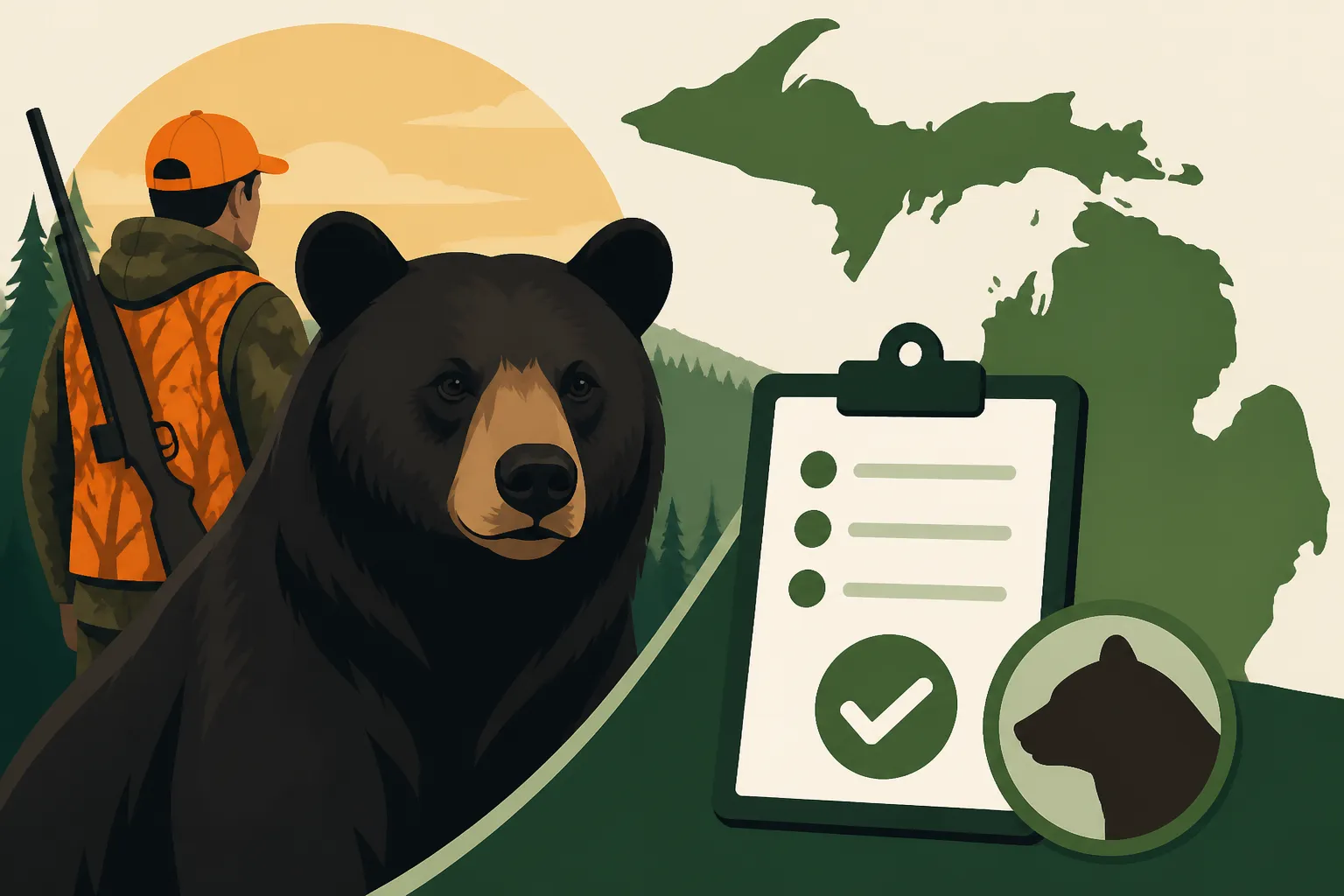
Alright, so you've put in the hard work, navigated the woods, maybe sat through some grueling weather, and finally, you've harvested a Michigan black bear. That moment of success is incredible, a real highlight for any hunter. But here's the thing – that feeling of triumph often quickly gives way to the practical realities, and one of the most important (and sometimes confusing) is getting your bear properly registered. It's not just about a technicality; it's a legal requirement, and it’s absolutely vital for the future of bear hunting in our state. This guide is going to walk you through everything you need to know about Michigan bear harvest registration, from the immediate steps in the field to what happens at the station, making sure you don't miss a beat.
Why Michigan Bear Harvest Registration Is Crucial
Let's be honest, after the adrenaline of a successful bear hunt, the last thing many of us want to think about is paperwork and deadlines. But understanding why bear harvest registration is so important can help make the process feel less like a chore and more like a contribution to the health of Michigan's incredible bear population. It's not just some bureaucratic hoop to jump through; it's foundational to responsible wildlife management.
Fulfilling Your Legal Obligation
First and foremost, registering your bear is a legal requirement. Michigan law mandates that any hunter who harvests a bear must report their kill to the Department of Natural Resources (DNR) within a specific timeframe – typically 72 hours of harvest. This isn't a suggestion; it's the law. Failing to register your bear within this window can lead to fines and even loss of hunting privileges, which nobody wants after such a memorable experience. It's a critical part of the process, right up there with affixing your kill tag.
The stress of getting a large animal out of the woods, often in challenging conditions, then needing to get it to a registration station, is real. Many hunters are out in remote areas, and cell service can be spotty, making it tough to immediately look up registration sites or hours. That's why planning ahead, knowing your local resources, and understanding the specific requirements outlined in the current year's digest for Michigan Bear Season Dates by Unit are so important. It ensures that your fantastic hunting memory isn't tainted by an avoidable legal issue. This requirement is in place to ensure accountability and to provide the DNR with timely data about the take, helping them keep track of overall harvest numbers, which is a key part of how they manage our limited bear hunting opportunities. Remember, if you're lucky enough to draw a tag through the Michigan Bear Licence Drawing, you're also agreeing to abide by these rules.
Gathering Vital Data for Wildlife Management
Beyond the legal aspect, the data collected during registration is absolutely vital for the long-term health and sustainable management of Michigan's Black Bear Population. Every registered bear contributes to a larger dataset that wildlife biologists use to make informed decisions about future hunting seasons, quotas, and management strategies. Without this information, it would be impossible to accurately assess the population size, health, and trends of black bears across the state.
Think about it: when you register your bear, the DNR collects information like the date and location of harvest, the bear's sex, and often a tooth for aging. This data helps them understand harvest rates, age structure within the bear population, and how these factors might be impacting overall numbers. For example, if a particular Michigan Bear Management Units shows a consistent harvest of older bears, it might indicate a healthy, stable population. Conversely, a high percentage of young bears being harvested could signal a need for adjustments in hunting pressure. This biological information is the backbone of conservation efforts, allowing the DNR to ensure that we can continue to enjoy Michigan Black Bear Hunting for generations to come. Your participation isn't just a requirement; it's a direct contribution to preserving this magnificent resource.
Navigating the Bear Registration Process Step-by-Step
You’ve successfully harvested a bear – congratulations! Now comes the critical next phase: getting it legally tagged and registered. This isn't something you can put off. Proper adherence to the steps below ensures your harvest is legitimate and contributes valuable data to wildlife management.
Tagging Your Bear Immediately After Harvest
The very first thing you need to do, before you even think about moving your bear, is to affix your kill tag. This is non-negotiable and a foundational rule for ethical and legal hunting in Michigan. As soon as you confirm your bear is down and you've approached it safely, take out your kill tag from your license. Carefully detach the harvest tag and attach it to the bear, securely, in a visible location. Many hunters thread it through a tendon in the leg or attach it firmly to the ear. The important thing is that it's attached before the animal is moved, and it stays attached until the bear is processed.
While you're doing this, take a moment to record the exact date and time of the harvest on your tag. This information is crucial for registration and ensures you’re within the legal timeframe for reporting. It might be messy, especially if you're field dressing in the woods, but it's a critical step that cannot be skipped. It's the immediate proof that you lawfully harvested that animal. Think of it as the first step in the Michigan Bear Harvest Registration process. Also, ensure you're following all safety protocols, especially if you're with a group. Sometimes, in the excitement of a kill, we forget basic safety. Remember your Michigan Hunter Orange Rules if you're in the field with others.
Finding an Official Bear Registration Station
Once your bear is tagged, your next priority is locating an official bear registration station. These are typically DNR offices, designated check stations, or authorized private businesses (like bait shops, gas stations, or sporting goods stores) that have been approved by the DNR to register bear harvests. It’s absolutely vital to know where these stations are before you head out on your hunt. Trying to find one with a bear in the back of your truck, potentially late at night or on a weekend, can add unnecessary stress.
The Michigan DNR website is the best resource for current registration station locations and their operating hours. You can search by county or general area. Keep in mind that hours can vary significantly, especially for private businesses, and some may not be open late or on Sundays. If you’re hunting in a remote area, like parts of the Upper Peninsula, the closest station might be quite a drive. It’s a good idea to call ahead to confirm hours, especially if you’re traveling a distance or hunting near the end of the 72-hour window. Some hunters even use hunting apps like GoHunt, which can sometimes provide overlays for DNR check stations, allowing for better pre-hunt planning and route mapping. Knowing your Michigan Bear Management Units can also help narrow down your search for local registration sites.
What to Bring and What to Expect at the Station
When you head to the registration station, make sure you have everything you need to make the process smooth and efficient. You’ll want to bring the following:
- Your harvested bear: Typically, the DNR will want to see the entire bear, or at minimum, the head with the tag still attached and evidence of the sex. This allows them to weigh the animal, verify its sex, and extract a premolar tooth for aging. If you’ve field-dressed the bear, that’s usually fine, but confirm if you've already quartered it, as specific rules might apply for tooth extraction.
- Your valid kill tag: This should already be affixed to the bear.
- Your driver's license or state ID: To verify your identity as the hunter.
- Your hunter number/Sportcard: This links the harvest directly to your hunting license and profile. You can usually find this on your physical license or through the
GoHuntapp if you use digital licensing. - Date and exact location (county) of harvest: Be as precise as possible.
At the station, a DNR representative or authorized agent will guide you through the process. They will record the bear’s weight, verify its sex, confirm the harvest date and location, and most importantly, they will extract a small premolar tooth from the bear's jaw. This tooth is absolutely critical for wildlife management and is covered in more detail below. They may also ask you questions about your hunt, like whether you were Hunting Bear Without Bait or Dogs, or where specifically you harvested it. The entire process typically doesn’t take too long, and once completed, you’ll receive a harvest registration confirmation. This document is proof that you’ve legally registered your bear.
Beyond the Paperwork: Biological Data and Carcass Care
Registering your bear is more than just a legal formality; it's a vital step in gathering scientific data that helps manage Michigan's black bear population. What happens at the registration station, particularly regarding the bear's tooth, is incredibly important. After that, how you handle the carcass ensures the meat is safe for consumption.
The Importance of the Bear Tooth
When you bring your bear to the registration station, one of the most crucial pieces of data collected is a small premolar tooth. This isn't just for show; it's a biological goldmine for wildlife biologists. The DNR uses this tooth to accurately determine the bear's age. Just like tree rings, teeth have growth layers that can be counted under a microscope, revealing how old the bear was at the time of harvest.
This aging data is invaluable. It allows biologists to understand the age structure of the bear population in different Michigan Bear Management Units. For instance, if most harvested bears are young, it might suggest a growing population or high hunting pressure. Conversely, a good mix of age classes, including older bears, generally indicates a healthy, stable population. This information directly influences future hunting quotas and season structures, ensuring that Michigan's bear population remains robust and sustainable. By contributing this tooth, you're directly helping the DNR make informed decisions that benefit all future bear hunters. It directly impacts the Michigan Bear Harvest Numbers and helps project future trends.
Proper Carcass Handling and Meat Care
After the excitement of the harvest and the necessary registration, the real work of caring for your valuable bear meat begins. Bear meat is delicious, but it requires careful handling due to the potential for trichinosis, a parasitic disease. While trichinosis is rare in wild bears, it's a risk that must be taken seriously.
Here are key considerations for proper carcass handling and meat care:
- Cooling Quickly: Like all wild game, rapid cooling of the carcass is essential to prevent bacterial growth. Field dress your bear as soon as possible after harvest. If temperatures are warm, quartering the bear and getting the meat into coolers with ice is highly recommended. For those looking for more detail, many principles apply from Field Dressing a Deer in Cold Weather, though bear size requires more effort.
- Cleanliness: Maintain scrupulous cleanliness throughout the process. Use clean knives, surfaces, and game bags.
- Processing: Take your bear to a reputable meat processor or process it yourself with care. Ensure all meat is handled and stored properly.
- Cooking Thoroughly: This is the most critical step for bear meat safety. Bear meat must be cooked to an internal temperature of at least 160°F (71°C) to kill any potential trichinella parasites. Never consume bear meat rare or medium-rare. Utilize a meat thermometer to ensure proper doneness for all cuts, including roasts, steaks, and ground meat.
- Freezing: Freezing meat effectively kills most common foodborne pathogens, but it's important to note that very low freezing temperatures over an extended period are required to kill trichinella, and this method isn't always reliable with standard home freezers. Therefore, thorough cooking remains paramount.
Paying attention to these details ensures that the incredible journey from the woods to your plate results in delicious, safe, and wholesome meals for you and your family. It’s all part of Handling Bear Meat Safely to honor your harvest.
Common Challenges and Smart Solutions for Bear Hunters
Even with the best planning, hunting often throws curveballs. When it comes to Michigan Bear Harvest Registration, challenges can arise, especially concerning the logistics of getting a large animal to a check station. Knowing these potential pitfalls and having solutions in mind can save you a lot of headache after a successful hunt.
Dealing with Limited Access to Stations
One of the biggest frustrations for bear hunters, particularly those venturing into the more remote northern parts of Michigan, is the limited availability and operating hours of registration stations. Imagine you've harvested a bear deep in the Hiawatha National Forest late on a Saturday afternoon. By the time you get it out, clean it up a bit, and start driving, many smaller, privately-owned registration stations might be closed for the weekend. This can quickly put you in a bind, potentially jeopardizing the 72-hour registration window.
Smart Solutions:
- Pre-hunt Reconnaissance: Before your hunt, meticulously map out all potential registration stations within a reasonable driving distance of your hunting area. Don't just rely on a general list; call each one to confirm their current operating hours, especially for weekends and holidays.
- DNR Offices as a Backup: While some private businesses might have limited hours, DNR customer service centers generally have more consistent (though still not 24/7) hours. Know which DNR offices are in your region and their schedules.
- Plan for Overnights: If you're hunting truly remote areas, factor in the possibility that you might need to cool your bear carcass overnight (properly tagged and protected from scavengers) and drive to a station the next morning. This is especially true if you're Hunting the Michigan Upper Peninsula for Deer and extending it to bears, where distances between towns can be vast.
- Utilize Technology: Apps like GoHunt can be invaluable for finding points of interest, including potentially displaying DNR facilities or authorized agents. While not always real-time for hours, they can help with locations. Having a strong GPS system, even offline maps, is crucial.
Ensuring Accurate Data for Your Harvest
It’s easy to get caught up in the excitement, but accurate reporting during registration is paramount. Mistakes in recording information can skew the data that the DNR uses for management, and intentional misreporting can carry serious legal consequences. Hunters sometimes mistakenly record the wrong county of harvest, or misidentify the sex of their bear, especially if it’s a younger animal.
Smart Solutions:
- Double-Check in the Field: Before you even leave the site of the harvest, double-check all the information you've written on your kill tag: date, time, and county. If you're unsure of the exact county line, use a mapping app (like the Mi-HUNT map from the DNR) on your phone or a GPS device to pinpoint your location.
- Confirm Sex: While bears are generally easier to sex than deer, take a moment to confirm. The DNR agent at the station will verify, but having your confidence helps. If you've dressed the bear, ensure the external indicators of sex are still present or you've noted them clearly.
- Engage with the Agent: When you get to the registration station, don't be afraid to ask questions or confirm details with the DNR agent. They are there to help ensure accuracy. This is particularly important for things like the tooth extraction process, which is critical for aging and overall Michigan Bear Harvest Numbers accuracy.
- Ethical Hunting Practices: The entire process, from ethical Shot Placement on a Black Bear to accurate reporting, contributes to the integrity of hunting. Being honest and thorough in your report is a part of being a responsible hunter.
By being prepared for these common challenges, you can ensure that your bear hunt concludes not only with a successful harvest but also with a smooth and legal registration process, contributing positively to Michigan's wildlife conservation efforts.
Michigan Bear Harvest Registration Quick Guide
| Item Needed | Purpose | Notes |
|---|---|---|
| Harvested Bear | For weigh-in, sex verification, and tooth collection. | Typically, the whole bear or at least the head (with tag) and evidence of sex. Confirm rules with DNR if heavily processed. |
| Valid Kill Tag | Legal proof of harvest, linked to your license. | Must be securely attached to the bear before moving it from the kill site. Fill out date and time of harvest accurately. |
| Hunter ID | Driver's License or State ID for identity verification. | Essential for confirming you are the licensed hunter. |
| Hunter Number/Sportcard | Links the harvest to your individual hunting profile. | Available on your physical license, through the DNR e-licensing portal, or sometimes via apps like GoHunt. |
| Date of Harvest | Crucial for meeting the 72-hour registration deadline and data. | Be as precise as possible. |
| Time of Harvest | Helps with data accuracy and confirming legal hunting hours. | Record the approximate time the bear was recovered. |
| County of Harvest | Essential geographic data for population management. | Know the exact county where the bear was taken. Use maps if uncertain about county lines in remote areas. |
| Knowledge of Station Hours | Avoid wasted trips and ensure timely registration. | Check the DNR website or call authorized registration stations before your hunt to confirm hours, especially on weekends and holidays. |
| Field Dressing Kit | For immediate cleaning to preserve meat quality and reduce weight. | Though not brought to the station, essential for pre-registration care. Includes sharp knife, gloves, game bags. Reference Handling a Bear After the Shot for best practices. |
Disclaimer
The information provided in this guide is intended for general informational purposes only and is subject to change. Hunting regulations, season dates, and registration procedures are determined by the Michigan Department of Natural Resources (DNR) and can be updated annually or more frequently. Always consult the most current Michigan Hunting and Trapping Digest, available on the official Michigan DNR website, or contact the DNR directly for the most accurate and up-to-date regulations before participating in any hunting activities. Adherence to all applicable laws and regulations is the sole responsibility of the hunter.