Michigan Late Antlerless Firearm Season
There's a unique window of opportunity many Michigan deer hunters overlook or simply don't understand: the late antlerless firearm season. For those of us who appreciate the chance to extend our time in the woods and fill the freezer, navigating the specific rules and strategies for this post-regular-season hunt can be a game-changer. This guide is designed to demystify the late antlerless season, helping you understand its purpose, how to participate, and what it takes to be successful when the mercury drops.
Understanding Michigan's Late Antlerless Firearm Season
The Michigan Late Antlerless Firearm Season isn't just an afterthought; it's a strategically important period for deer management and offers a distinct hunting experience. After the hustle and bustle of the Michigan's November Firearm Deer Season has settled, this season provides another chance to interact with Michigan's whitetail population.
What is the Late Antlerless Season?
At its heart, the late antlerless firearm season is a crucial tool in Michigan's deer management strategy, primarily aimed at managing deer populations by increasing the antlerless harvest. The Michigan Department of Natural Resources (DNR) utilizes this season to fine-tune deer numbers in specific Deer Management Units (DMUs) where populations might be higher than desired, or where there's a need to address potential disease concerns like Chronic Wasting Disease (CWD).
Think about it from a biological perspective. When deer numbers grow too high, it can lead to overbrowsing of habitat, increased spread of diseases, and more deer-vehicle collisions. By allowing hunters to take antlerless deer (does and fawns) after the main firearm season, the DNR can specifically target the reproductive segment of the herd, which has a more direct impact on future population growth than harvesting antlered bucks. This isn't just about reducing numbers; it's about maintaining a healthy, balanced ecosystem and minimizing negative impacts on agriculture and public safety. For many hunters, it's also a fantastic opportunity to secure venison for the year, often in colder conditions that make meat handling much easier.
Who Can Participate and Where?
Participation in the Michigan Late Antlerless Firearm Season is generally open to all licensed hunters, both residents and non-residents, provided they hold the correct antlerless deer licenses for the specific DMU they intend to hunt. This isn't a "free-for-all" hunt; it's highly regulated by DMU.
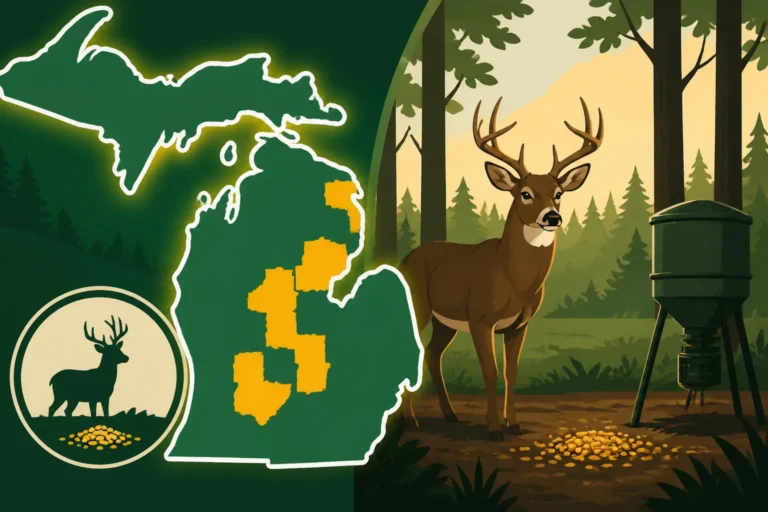
The critical distinction here is the availability of antlerless licenses, which are issued on a DMU-specific quota. These are the same Michigan Antlerless Deer Licences that might have been available during the regular season, but if a DMU still has leftover quotas, they can be purchased for the late season. Historically, these tags are more readily available in the southern Lower Peninsula, often in farm country where deer populations tend to be robust and localized agricultural damage is a concern. Areas like the "Thumb" or southwestern Michigan are prime examples. Conversely, in the Upper Peninsula or parts of the northern Lower Peninsula, antlerless quotas might be much tighter, or non-existent for the late season, reflecting lower deer densities or more vulnerable populations after severe winters.
It’s absolutely essential to check the specific regulations for the DMU you plan to hunt before purchasing a license or heading out. The Michigan DNR's website is the authoritative source for this information. You’ll need to know if the DMU you're interested in is even open for the late antlerless season and if tags are still available. These tags can be purchased over-the-counter at authorized license retailers or online through the DNR's portal. Remember, these tags are typically valid for private land only in many areas, though some public land options might exist in specific DMUs, especially State Game Areas in the southern part of the state. Always verify the public vs. private land designation for your specific tag and location. This hunt period is also inclusive for hunters participating in the Michigan Muzzleloader Deer Hunting season, allowing them to utilize their firearm during this late season for antlerless deer, provided they have the correct tag.
Key Dates, Regulations, and Licences
Navigating the various hunting seasons in Michigan can feel like a maze sometimes, and the late antlerless firearm season is no exception. Knowing the specific dates, understanding the licence requirements, and being clear on the bag limits are absolutely crucial for a successful and legal hunt.
Important Dates and Hunt Periods
The Michigan Late Antlerless Firearm Season typically runs for a specific period after the general firearm season and the muzzleloader season have concluded. While exact dates can shift slightly from year to year, it generally takes place in December, often kicking off in the middle of the month and extending for a couple of weeks, sometimes even into early January in certain years.
For instance, the Michigan Late Antlerless Firearm Dates might run from December 15th to January 1st. This timing is strategic: by this point, the primary breeding phase (the rut) is largely over, and deer have often settled into more predictable late-season patterns focused heavily on food and shelter. The colder weather also significantly reduces the chances of meat spoilage, which is a big bonus for filling the freezer. These dates are usually announced well in advance by the DNR, often as part of the broader Michigan Deer Seasons and Tags regulations published annually. Hunters should always consult the current year's Michigan Hunting and Trapping Digest or the DNR website for the most accurate and up-to-date schedule. Don't rely on memory or last year's dates – deer season dates are serious business!
Licence Requirements and Acquisition
To participate in the late antlerless firearm season, you'll need to possess a valid base hunting license and one or more antlerless deer licenses. The base license is your foundational hunting permission, and then the antlerless license grants you the right to harvest an antlerless deer in a specific DMU.
The critical thing to understand is that these aren't special "late season" tags. They are simply leftover Michigan Antlerless Deer Licences from the initial allocation for each DMU. If a DMU's antlerless quota hasn't been met during earlier seasons, those remaining tags become available for the late hunt. The availability can be quite dynamic; popular DMUs might sell out quickly, while others in less-pressured or higher-deer-density areas might have tags available right up until the season begins. A great way to check availability is through the DNR's online license portal or by calling a local DNR office. Some hunters, myself included, like to use planning tools like GoHunt to keep track of tag availability and season dates across different units, though you still need to verify with official DNR sources. Acquiring these licenses is straightforward: either purchase them online via the DNR website or visit any authorized license retailer, such as a sporting goods store or even some grocery stores. Make sure you select the correct DMU number for your intended hunting area.
Bag Limits and Antlerless-Only Rules
The clue is right in the name: "antlerless." During this season, only deer without antlers, or with antlers less than three inches in length, are legal to harvest. This strict antlerless-only rule is fundamental to the season's purpose of population control.
The number of antlerless deer you can harvest depends on the number of antlerless licenses you've purchased for specific DMUs. In many DMUs, especially in southern Michigan, it's possible to purchase multiple antlerless licenses, allowing a hunter to take several deer. However, each license is tied to a specific DMU. So, if you buy an antlerless tag for DMU 452, you can only use it in DMU 452. You can't use it in DMU 487, even if it's right next door. This highly localized approach ensures that harvest pressure is applied exactly where the DNR determines it's most needed. It's always a good idea to thoroughly review the current year's hunting digest for details on How Many Antlerless Tags You Can Buy and any DMU-specific regulations or restrictions, as these can change annually based on herd health and management objectives.
| DMU Type | Typical Late Antlerless Availability | Public Land Usage | Common Purpose |
|---|---|---|---|
| Southern Farmland | High (often multiple tags available) | Limited/Specific | Population reduction, agricultural relief |
| Northern Lower P. | Moderate to Low | Some available | Targeted management, herd health |
| Upper Peninsula | Very Low to None | Very limited | Extreme caution for vulnerable herds |
Strategic Considerations for Success
Hunting late in the season, especially for antlerless deer, presents a unique set of challenges and rewards. The woods are quieter, the deer are often concentrated, but they're also warier. Success hinges on a thoughtful approach to scouting, understanding weather patterns, and carefully selecting your hunting locations.
Scouting and Locating Late-Season Deer
By the time the late antlerless season rolls around, the landscape has changed dramatically. Most crops are harvested, leaves are off the trees, and the deer's primary focus has shifted from breeding to survival. This means their movements become highly predictable, often revolving around the most reliable Late-Season Food Sources for Whitetails and heavy cover.
I've found that effective late-season scouting isn't about looking for rut sign; it's about identifying remaining food sources. Standing corn, winter wheat, brassicas, clover fields, and even certain mast crops like acorns (if they're still available and not buried under too much snow) become absolute magnets. Deer will often make a single, long movement from their secure bedding areas to these food plots right before dark and then quickly retreat at first light. Locating these primary food sources and then back-tracking to thick thermal cover – think dense cedar swamps, conifer thickets, or even just incredibly dense brushy areas – is key. Deer need protection from the cold winds and snow, and these areas offer warmth and security. Pay close attention to trails leading into and out of these areas, especially those that show heavy traffic, indicating a well-used travel corridor. Using mapping tools like those from GoHunt or the Michigan Mi-HUNT map can be incredibly helpful for identifying potential food sources and dense cover from an aerial view before you even step foot in the woods.
Weather and Its Impact on Hunting
Michigan Decembers can be brutally cold and unpredictable, and understanding how the weather influences deer behavior is paramount during the late antlerless season. Harsh conditions, especially heavy snow and extreme cold, will often make deer move more during daylight hours as they desperately seek calories to fuel their internal furnaces.
On bitter cold days, especially after a significant snowfall, deer tend to move more out of necessity. They need to feed, and they'll do it even during the middle of the day if the conditions are severe enough. However, high winds can suppress movement, even on cold days, as deer seek shelter from the wind chill. Pay attention to wind direction, especially if you're hunting near dense cover. Deer will bed on the leeward side of hills or thickets to escape the wind. Thermals also play a role, especially in the mornings and evenings; cold air sinks, so scent will drift downhill in the mornings and rise as the air warms. My personal strategy for enduring these conditions often involves a robust Cold Weather Sitting Strategy, focusing on layering, good insulated boots, and a warm pack to hold some hot liquids. A thermos of coffee or soup can make a world of difference when you’re waiting in a ground blind or treestand for those last few minutes of shooting light.
Choosing the Right Hunting Spot
Picking your hunting location is always important, but it takes on an amplified significance during the late antlerless season, especially with increased pressure on public land.
If you're hunting public land, you'll need to work harder to find areas that haven't been over-pressured. This often means walking farther, exploring overlooked corners, or targeting habitat types that other hunters might avoid. Using a Ground Blind on Michigan State Land can be very effective in these situations, allowing you to set up quickly and conceal yourself well in sparse late-season cover. Look for swamp edges, dense pine plantations, or overlooked pockets of hardwoods that still have some browse. Don't be afraid to put in the miles; deer often find refuge where human intrusion is minimal.
For private land, the late season is an excellent time to capitalize on existing food sources. If you have access to agricultural fields, focus on the edges where deer emerge from cover. Many farmers are more than happy for hunters to take antlerless deer late in the year, as it helps mitigate crop damage for the following season. This might be a prime opportunity to Getting Private Land Permission in Michigan if you haven't secured it earlier in the year. A polite conversation with a landowner, emphasizing your intention to help manage their deer numbers, can often open doors to valuable late-season hunting opportunities.
Gear, Safety, and Ethical Hunting
When hunting Michigan in late December and early January, proper preparation in terms of gear and unwavering commitment to safety and ethics are not just recommendations, they are prerequisites for a successful and enjoyable experience. The conditions can be unforgiving, and the deer are at their wariest.
Essential Gear for Cold Weather Hunting
Hunting in Michigan during the late antlerless season means dealing with genuine winter conditions. The days are short, the temperatures are often below freezing, and snow is a common companion. Your gear choices must reflect this reality.
Layering is paramount. Start with a good moisture-wicking base layer against your skin, followed by insulating mid-layers like fleece or wool, and topped with a waterproof and windproof outer shell. Wool, in particular, excels in cold, damp conditions because it retains its insulating properties even when wet. Don't skimp on insulation for your extremities; a quality pair of insulated, waterproof boots is non-negotiable for keeping your feet warm and dry during long waits in a stand or blind. Consider boots rated for extremely cold temperatures, or add felt liners. Warm gloves or mittens, and a heavy hat or balaclava, are also critical.
When it comes to firearms, ensure your rifle or shotgun is sighted in and capable of handling the conditions. Many hunters opt for popular Michigan legal cartridges like the .450 Bushmaster, .350 Legend, or traditional slug guns, especially if hunting in the Where Michigan Restricts Rifles for Deer areas of the southern Lower Peninsula. Muzzleloaders are also legal during this period, and while they can be effective, require extra diligence to Keeping a Muzzleloader Dry in Wet Snow. Always bring extra ammunition, a good headlamp with fresh batteries for walking in and out in the dark, and a solid pack with essentials like water, snacks, and a small first-aid kit. Hand warmers and foot warmers can also be a lifesaver, extending your comfort and allowing you to stay on stand longer.
Hunter Orange and Safety Protocols
Safety is always the number one priority, and during the late firearm season, strict adherence to rules like hunter orange requirements is crucial. Even though the primary firearm season has passed, this is still a firearm hunt, and visibility is key.
In Michigan, during any firearm deer season (including the late antlerless firearm season), hunters are required to wear hunter orange. The rule stipulates that you must wear a minimum of How Much Orange Michigan Requires of hunter orange on your outermost garment above the waist, visible from all sides. This means a hunter orange vest, jacket, or even a solid orange hat (as long as it meets the square inch requirement) is necessary. This isn't just about avoiding a ticket; it's about making yourself visible to other hunters who might be in the woods, whether they're also deer hunting, small game hunting, or simply scouting.
Beyond hunter orange, practice all standard firearm safety rules: treat every firearm as if it's loaded, keep the muzzle pointed in a safe direction, keep your finger off the trigger until ready to shoot, and be absolutely certain of your target and what is beyond it. With fewer leaves on the trees, visibility can be greater, but also creates longer sight lines, increasing the importance of knowing your backstop. Never take a shot at a deer silhouetted on a ridge or moving through dense cover without positive identification and a clear understanding of the area beyond.
Ethical Considerations and Carcass Handling
Ethical hunting goes beyond legal compliance; it's about respect for the animal, the land, and the hunting tradition. During the late antlerless season, this includes responsible shot placement and proper care of your harvest.
Aim for a quick, humane kill. With the colder temperatures, there's less concern about immediate meat spoilage, but a good shot is always paramount. Once you've harvested a deer, the cold weather actually works in your favor for Field Dressing a Deer in Cold Weather. The meat will chill down quickly, which is ideal for preservation. However, you still need to get the deer field dressed promptly and, if necessary, transported out of the woods. A deer sled or cart can be invaluable for this, especially if you're on public land far from a vehicle.
Don't forget the legal requirement to validate and Reporting a Michigan Deer Harvest within 72 hours of harvest. This data is critical for the DNR's population management efforts. Also, be mindful of Michigan CWD Rules and Test Sites, especially if hunting in a CWD surveillance or management zone. You might be required or strongly encouraged to submit your deer for testing, and there are specific rules about carcass transportation. Always be a responsible steward of the resource and a respectful hunter.
Advantages and Disadvantages of Late Antlerless Hunting
Every hunting season offers its own unique blend of opportunities and challenges, and the Michigan Late Antlerless Firearm Season is certainly no exception. Understanding these pros and cons can help you decide if this season is the right fit for your hunting goals and preferences.
Benefits for Hunters and Deer Management
For many hunters, the late antlerless season is a welcome extension of their time afield, offering several distinct advantages. Perhaps the most tangible benefit for the individual hunter is the opportunity to fill the freezer with venison. After the main firearm seasons conclude, this provides another chance to secure high-quality, lean protein for the year, often at a time when deer are concentrated and their movements are more predictable. The cold weather is also a huge plus for meat care; there’s far less concern about spoilage, making the processing much less stressful.
Beyond personal harvest, this season is a vital component of Michigan's deer management strategy. It's specifically designed to control deer populations in areas where they are overabundant. By targeting does and fawns, the DNR can more effectively manage herd growth, which in turn helps reduce negative impacts like habitat degradation, agricultural crop damage, and deer-vehicle collisions. For hunters who are passionate about conservation and healthy deer herds, participating in the late antlerless season is a direct way to contribute to these broader management goals. In areas with disease concerns, such as CWD, increased antlerless harvest can also play a role in slowing disease transmission by reducing overall deer density. It's a pragmatic, science-based approach to balancing deer populations with ecological carrying capacity.
Challenges and Considerations for Participation
While the late antlerless season offers compelling benefits, it also comes with its share of challenges that hunters need to be prepared for. The most obvious is the weather. Michigan winters can be brutal, with deep snow, bitter cold, and strong winds. Staying warm, dry, and comfortable for extended periods requires specialized gear, meticulous layering, and a higher tolerance for discomfort. This isn't a hunt for the fair-weather enthusiast.
Deer behavior is another significant consideration. By late December, deer have been pressured for months by bowhunters and firearm hunters. They are exceptionally wary, often moving mostly at dawn and dusk, and sticking to the thickest cover during daylight hours. This means hunters need to be stealthier, more patient, and willing to access harder-to-reach areas. Finding unpressured deer, particularly on public land, can be a real test of endurance and scouting prowess. There's also the challenge of competition, even though the crowds thin out considerably after the main firearm season. Other hunters will be targeting the same food sources and bedding areas, making careful entry and exit strategies even more critical.
Finally, access can be a hurdle. As mentioned, many late antlerless tags are designated for private land only. Securing permission to hunt private property can be challenging, especially if you haven't established a relationship with landowners earlier in the year. If relying on public land, you'll need to research which State Game Areas or parcels of State Forest land allow late antlerless hunting and be prepared to hike into less accessible areas to find success.
Disclaimer
Please note that hunting regulations, season dates, and license requirements are subject to change. Always consult the most current Michigan Hunting and Trapping Digest or the Michigan Department of Natural Resources (DNR) website before planning any hunting trip. This article is intended for informational purposes only and does not constitute legal advice.