How Much Orange Michigan Requires
One of the most common anxieties for any hunter heading into the Michigan woods, especially during firearm season, is wondering if they're wearing enough hunter orange. It's not just about compliance; it's about being seen and staying safe. This guide will walk you through exactly what Michigan requires regarding hunter orange, why it matters so much, and how to make sure you're geared up correctly for every hunt.
The Undeniable Importance of Hunter Orange
Let's be honest, we've all had that moment of doubt, second-guessing our clothing choices as we pull on our hunting gear. Is this vest bright enough? Does this hat count? But beyond the regulations, the fundamental reason for hunter orange is safety. It's a non-negotiable part of responsible hunting, designed to protect every person in the field.
Enhancing Visibility in the Woods
Imagine yourself still-hunting through a thick cedar swamp or carefully walking the edge of an aspen cut. The woods can be dense, shadows play tricks on the eyes, and natural camouflage works almost too well. Hunter orange, by design, stands out against natural backgrounds. It doesn't mimic the colors of deer, turkey, or other game, and its bright, fluorescent hue is incredibly difficult for the human eye to ignore. This high contrast is critical, especially during those low-light hours at dawn and dusk when most hunting activity occurs. It's not about making yourself a target; it's about making sure another hunter, no matter how careful, can clearly identify you as a human, not a deer.
A Proven Tool for Accident Prevention
Decades of hunting accident data across North America consistently show a dramatic reduction in "mistaken for game" incidents in states that mandate hunter orange. Before these regulations became widespread, tragic accidents were far more common. When everyone in the woods is wearing a highly visible, non-game color, the chances of someone being misidentified and shot are drastically reduced. It's a simple, yet incredibly effective, layer of protection. Think of it as a universal signal: "I am a human hunter, not an animal." This signal is understood by everyone, from seasoned veterans to those who just completed their Michigan Hunter Safety and Youth Licences course.
The Hunter's Shared Responsibility
Wearing hunter orange isn't just about protecting yourself; it's about protecting everyone else in the woods. It's a collective responsibility that we all share as members of the hunting community. When you don't wear adequate orange, you're not just putting yourself at risk, but you're also adding an unnecessary burden to every other hunter to identify you correctly in potentially challenging conditions. It creates doubt, and doubt can lead to hesitation or, worse, tragic mistakes. By consistently adhering to the rules and embracing the spirit of safety, we contribute to a safer environment for all. It's a foundational principle that truly embodies the ethics of the sport, and any hunter should prioritize understanding Michigan Hunter Orange Rules.
Michigan's Specific Hunter Orange Requirements
Michigan's regulations are quite specific, and it's essential to understand them completely to avoid citations and, more importantly, stay safe. The rules primarily revolve around a "percentage" of outer clothing and specific headwear during certain seasons.
The 50% Rule and Headwear Mandate
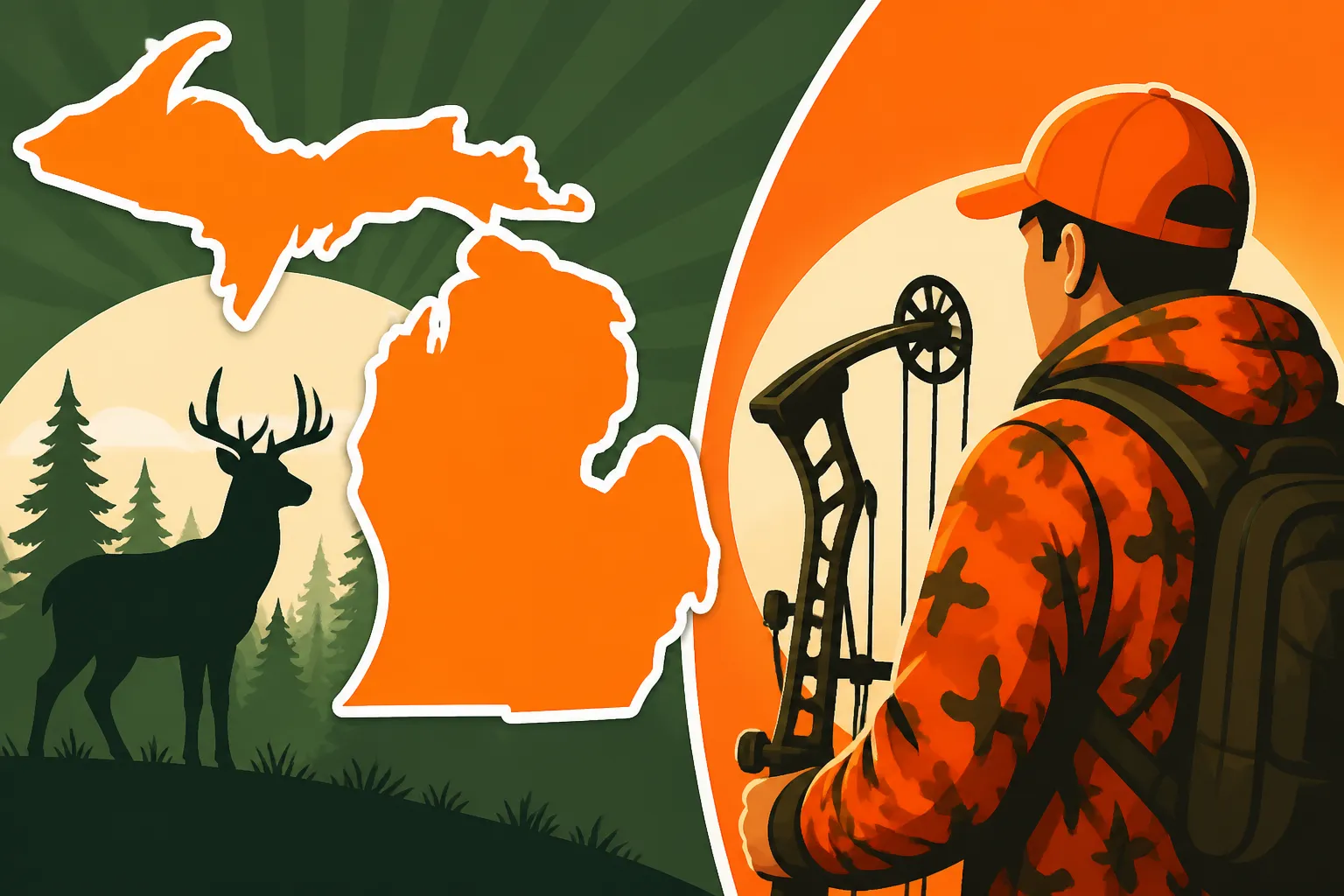
For most firearm deer seasons, including the hugely popular Michigan Firearm Deer Season Structure in November, Michigan law mandates that hunters wear at least 50% hunter orange on their outer clothing above the waist. This isn't just a small patch; it's a substantial portion of your jacket, vest, or coveralls. Furthermore, you must also wear a hunter orange hat, cap, or other headwear visible from all sides. This means no camouflaged beanies or dark ball caps during these specific seasons.
This "50% above the waist" rule is designed to ensure maximum visibility of your torso, which is generally the largest and most easily identifiable part of a human profile in the woods. The headwear component adds another crucial layer, often being the highest point of a hunter, making it visible even when partially obscured by brush or terrain. Many hunters opt for a solid orange vest or jacket, coupled with a bright orange beanie, to easily meet these requirements. Companies like GoHunt often highlight gear that meets these specific state regulations, making it easier for hunters to choose compliant apparel. It's always a good idea to lay out your hunting clothes before the season and visually confirm you meet the How Much Orange Michigan Requires guideline.
When Michigan Hunter Orange is Required by Law
The requirement for hunter orange in Michigan is tied to specific hunting seasons and species. You generally need to wear hunter orange during any firearm deer season. This includes the regular November firearm season, the early antlerless firearm season, the late antlerless season, and even the Michigan Muzzleloader Season Dates. If you're hunting anything other than deer with a firearm during these periods (e.g., coyotes), you are still required to wear hunter orange. The presence of deer hunters in the woods during these times triggers the safety requirement for everyone.
It's also required when hunting bear with a firearm, during firearm elk seasons, and when hunting small game with a firearm on any land where a firearm deer season is open. This broad application ensures safety across a variety of hunting scenarios when projectile weapons are in use and deer hunters might be present. Always check the current hunting guide for the specific dates and areas where these regulations apply, as they can sometimes vary slightly by year or specific management unit. Understanding When Michigan Requires Hunter Orange is paramount to a safe hunting experience.
Exceptions and Common Misconceptions
While the general rule is clear, there are specific situations where hunter orange is not required, and understanding these exceptions is just as important as knowing when to wear it. Misinformation can lead to unnecessary risk or wasted time.
Archery and Special Seasons
One of the most common questions revolves around archery season. For deer hunters using a bow or crossbow during the standard Michigan Archery Deer Season Structure, hunter orange is not legally required. This applies whether you're in the early archery period or during the late archery season that runs concurrent with muzzleloader. The logic here is generally that archery hunting is a shorter-range endeavor, often done from elevated stands, and the risk profile for mistaken-for-game incidents is considered lower. However, even during archery season, some bowhunters choose to wear some orange for walking in and out of their stands, especially if they are hunting on public land where other activities, like hiking or small game hunting, might be occurring. They often remove or cover it once they are safely in their stand.
Similarly, specific hunts like Michigan spring turkey seasons do not require hunter orange because the primary method involves calling turkeys into close range, and the risk of misidentification is generally lower for a hunter camouflaged and set up for turkey hunting. The key here is always to confirm for your specific hunt; a quick check of the regulations in the GoHunt app or Michigan DNR website will clear up any confusion.
Turkey, Waterfowl, and Predator Hunting
Beyond deer archery, there are several other scenarios where hunter orange is not mandated:
- Turkey Hunting: As mentioned, spring and Michigan Fall Turkey Seasons do not require hunter orange. Turkey hunters rely heavily on camouflage to blend into their surroundings to draw birds in.
- Waterfowl Hunting: When hunting ducks, geese, or other migratory birds, full camouflage is essential, and hunter orange is not required. Waterfowl hunting often involves blinds, decoys, and specific concealment tactics.
- Predator and Furbearer Hunting: If you're out Coyote Calling in Michigan Winter or pursuing other predators and furbearers like bobcat or fox, hunter orange is generally not required, especially if you are camouflaged or hunting at night. However, if these seasons overlap with firearm deer seasons, and you are using a firearm, the deer season rules for orange would still apply.
It's crucial to remember that "not required" does not mean "unsafe to wear during transit." Many experienced hunters will still wear a small amount of orange, or an orange vest, while walking to and from their stand during these non-orange-mandated seasons, especially if they are on heavily trafficked public land or walking through areas where deer hunting is active. Once they reach their hunting location and are set up, they can remove it.
Choosing the Right Hunter Orange Gear
So, you know when you need it and why. Now, let's talk about choosing the right gear to meet Michigan's requirements and keep you safe and comfortable in the field. There's more to it than just grabbing the first orange vest you see.
Vests, Hats, and Outerwear Options
The most common and effective way to meet the 50% rule is with a hunter orange vest or jacket. A vest is versatile, easily worn over other layers, and provides excellent visibility. Look for vests that are clearly fluorescent orange, not just a dull, safety orange. Many modern hunting vests come with handy pockets, shell loops, and even hydration compatibility. Full jackets are also an option, particularly if you're hunting in colder weather and need an insulated outer layer that also provides your orange coverage. Some hunters use orange coveralls for total upper-body coverage.
For headwear, a simple hunter orange beanie or baseball cap is usually sufficient. The key is that it must be entirely orange and visible from all sides. Many hunters prefer a beanie for warmth in cold Michigan Novembers. Remember, this isn't optional; a compliant hat is part of the legal requirement. When comparing Orange Hats Versus Vests in Michigan, understand both are typically required during firearm deer seasons.
Material Considerations and Practicality
Beyond just the color, the material of your hunter orange gear matters for comfort and performance in the field.
- Durability: Hunting can be tough on gear. Look for materials that can stand up to snags from brush, tears, and general wear and tear. Ripstop fabrics are a great choice.
- Breathability: If you're doing a lot of walking or hunting in warmer early firearm seasons, breathable materials are crucial to prevent overheating and sweating.
- Weather Resistance: Michigan weather is famously unpredictable. A water-resistant or waterproof outer layer can be a lifesaver, keeping you dry and warm during rain or wet snow. Some companies integrate GoHunt's data into their gear design, taking into account regional weather patterns for optimal performance.
- Quietness: While not always a primary concern for orange layers, if you're wearing an orange jacket as your primary outer layer, you'll want it to be as quiet as possible to avoid spooking game.
- Fit and Layering: Your orange gear should fit comfortably over your other hunting layers without restricting movement. Think about how it will integrate with your base layers, mid-layers, and other camo outerwear. Remember, it needs to be the outermost layer above the waist for compliance.
When it comes to Orange Requirements for Archery Hunters, while not legally mandated, some hunters still opt for a minimal orange during their walk in/out to ensure safety, then remove it once settled. This often means choosing highly packable, lightweight orange items that can be easily stowed away.
| Season/Species | Hunter Orange Required? | Specifics |
|---|---|---|
| Firearm Deer Season (all periods) | Yes | 50% outer clothing above waist AND orange headwear |
| Muzzleloader Deer Season | Yes | 50% outer clothing above waist AND orange headwear |
| Archery Deer Season | No | Optional for safety during transit |
| Spring Turkey Season | No | Camouflage preferred |
| Fall Turkey Season | No | Camouflage preferred |
| Bear Hunting (firearm) | Yes | 50% outer clothing above waist AND orange headwear |
| Elk Hunting (firearm) | Yes | 50% outer clothing above waist AND orange headwear |
| Small Game (with firearm) | Yes (if deer season open) | 50% outer clothing above waist AND orange headwear |
| Waterfowl Hunting | No | Camouflage essential |
| Predator Hunting (firearm) | Yes (if deer season open) | 50% outer clothing above waist AND orange headwear |
This table provides a quick reference, but always consult the current Michigan hunting regulations handbook, which you can often find through resources like the GoHunt platform or the Michigan DNR website, as rules can sometimes be updated. Also, remember to factor in the cost of your Michigan Hunting Licences and What They Cost when planning your season, as proper gear is an investment in safety. Even when hunting Public Hunting Land in Michigan where other users might be present, wearing orange can give you peace of mind.
Disclaimer
This article is for general informational purposes only and does not constitute professional advice. Laws, prices and regulations vary by location and change over time. Consult a qualified professional for guidance on your specific situation.