Michigan Trapping Season Opening Dates
You have cleaned your traps, dyed and waxed them, scouted a creek full of muskrat runs, and now you are staring at the fur harvester digest trying to figure out exactly when you can legally set them. Michigan splits its trapping seasons by species and by zone, and a single wrong date can turn a good season into a ticket. This guide lays out Michigan trapping season opening dates and how to plan around them.
How Michigan Organizes Its Trapping Seasons
Michigan’s trapping seasons are built on two ideas: different furbearers are managed differently, and the state is too large for one calendar to fit everywhere. The Department of Natural Resources sets season dates for each species, then splits many of those seasons across three furbearer management zones. The result is a calendar with staggered openers that can confuse even experienced trappers who move between regions.
The source of truth is the annual Michigan Fur Harvester Digest, published by the DNR. It lists the current season dates, bag limits, registration requirements and trap rules for every species. Dates can shift slightly from year to year, especially when an opener falls on a particular day of the week or when the Natural Resources Commission adjusts a season. This article explains the general patterns so you know what to look for, but always confirm exact dates in the current digest before you set a single trap.
The Three Furbearer Zones
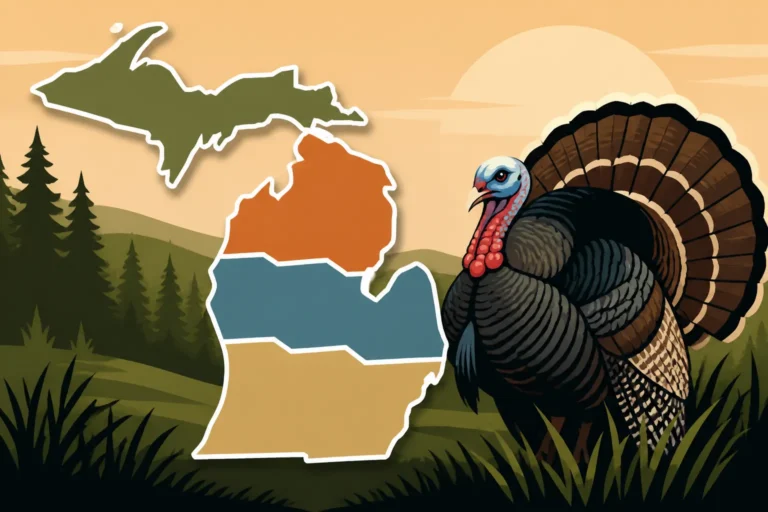
For trapping purposes, Michigan is divided into three zones. Zone 1 is the entire Upper Peninsula. Zone 2 covers the northern Lower Peninsula. Zone 3 covers the southern Lower Peninsula. The boundary between Zones 2 and 3 follows a defined line across the state, roughly separating the northern forests from the farm country of the south, and the digest describes it road by road.
Why does this matter? Furbearer pelts prime at different times depending on latitude and weather. Fur in the Upper Peninsula generally primes earlier than fur in southern Michigan because cold arrives sooner. Opening seasons a little later in the south helps trappers take animals when pelts are worth the most and avoids harvesting animals before their winter coats come in. For more on how the zones shape the whole season, read Michigan Trapping Seasons and Tagging.
Why Openers Differ by Species
Different furbearers prime at different times and face different management needs. Coyotes, foxes and raccoons are abundant and widely distributed, so their seasons tend to open earlier in fall and run for months. Water furbearers like muskrat, mink, beaver and otter follow zone-based schedules tied to pelt quality and population health. Marten and fisher, found mainly in the northern forests, have short, tightly managed seasons with registration requirements. Bobcat seasons are controlled by permits and harvest registration.
The table below summarizes the general pattern. Treat it as a planning outline, not a legal reference.
| Species | General Opening Pattern | Zone Differences | Notes |
|---|---|---|---|
| Coyote, red and gray fox | Mid-October statewide | Usually the same across zones | Coyote can also be hunted under separate rules |
| Raccoon | Mid-October | Usually statewide | Popular with new trappers |
| Muskrat and mink | Late October in Zone 1, later in Zones 2 and 3 | Openers stagger north to south | Season runs into late winter |
| Beaver and otter | Late fall, earlier in the north | Varies by zone | Otter requires registration |
| Marten and fisher | Early winter, short window | Upper Peninsula focus | Registration required |
| Bobcat | Winter, permit and zone dependent | Upper Peninsula and parts of the north | Registration and sealing required |
| Badger, weasel, skunk, opossum | Varies by species | Check digest | Some have very short seasons or none |
Licensing Before the Opener
Every trapper in Michigan needs a fur harvester license, with limited exceptions such as some landowners trapping certain species on their own property. Youth trappers can participate under specific age rules and through mentored programs. The license must be in your possession while you check traps, and certain species also require a kill tag or registration. For a full breakdown, see Michigan Fur Harvester Licence Rules.
Trap identification rules matter too. Traps and snares must carry the trapper’s name and address or an approved identification number, and there are rules on trap types, sizes and placement, especially for water sets and body-gripping traps. These rules apply from the first day of the season, so get your traps labeled well before the opener.
Opening Dates by Species Group
Here is how the season typically unfolds through fall and winter. Remember that exact dates come from the current digest.
Coyote, Fox and Raccoon
For most trappers, the season starts with land furbearers in mid-October. Coyote, red fox, gray fox and raccoon seasons generally open around the same time statewide and run through late winter. This is the time when many trappers run dirt-hole and flat sets along field edges, fencelines and old two-tracks.
Fur on coyotes and foxes improves as the weather cools, so some trappers wait a few weeks after the opener to target them heavily, especially in southern Michigan where early fall can stay warm. Raccoons can be trapped successfully right away, and many new trappers start with raccoons because of their abundance and willingness to visit sets. Coyote trapping overlaps with hunting seasons, and hunters should review Michigan Coyote Hunting Season Rules for the differences between trapping and hunting.
Muskrat and Mink
Muskrat and mink seasons open on a zone-based schedule. Zone 1 in the Upper Peninsula usually opens first, in late October, followed by Zone 2 and then Zone 3 in early to mid November. All three zones typically run into late winter.
Muskrat trapping is a classic starting point for young trappers, and the staggered openers allow some trappers to travel north for an early start before returning to their home waters. Mink tend to follow the same water edges and are often taken in pocket sets and blind sets along banks. When you plan your opening day, scout den sites, feed beds and travel routes in the weeks before the season.
Beaver and Otter
Beaver and otter seasons also follow zone-based dates, with earlier openers in the north and later openers in the south. Beaver seasons often run longer than other species, extending into spring in some zones. Otter seasons are more limited, with registration requirements and limits on how many each trapper can take.
Beaver trapping often involves larger body-gripping traps and specific placement rules near dams and lodges, while otter are frequently caught incidentally in beaver sets. Because otter must be registered, know the reporting deadlines before the season starts. For more on this species, read River Otters in Michigan Waters.
Marten, Fisher and Bobcat
Marten and fisher seasons are short and focused on the northern forests, especially the Upper Peninsula. They typically open in early winter and run only a few weeks. Each trapper is limited in the number of animals they can take, and all harvested marten and fisher must be registered within a set time. For more background, see Fishers and Martens in Michigan.
Bobcat seasons are managed by zone and unit, with hunting and trapping seasons sometimes running on different dates. Harvested bobcats must be registered and sealed. Read Michigan Bobcat Permit and Tagging before you head out, and review Bobcat Range and Harvest in Michigan to understand where populations are strongest.
Planning Your Season Around the Openers
Knowing the opening dates is only half the job. Turning them into a productive season takes planning.
Building a Pre-Season Checklist
A good opening day starts weeks earlier. A simple checklist looks like this:
- Download or pick up the current Michigan Fur Harvester Digest and highlight the dates for your species and zone.
- Buy your fur harvester license and any required tags or registration information.
- Label every trap and snare with your name and address or approved identification number.
- Scout your trapping areas for sign, travel routes and set locations.
- Get written or verbal permission from landowners as required, and confirm public land rules.
- Prepare and organize your gear, including stakes, lures, baits and tools.
- Mark the opening day for each species and zone on a calendar or in your phone.
Mapping Your Trapline
Many trappers use digital mapping to plan routes, mark sets and keep track of property boundaries. GoHunt is known for its hunting maps and research tools, and some trappers use apps like it to mark trails, waterways and access points. Any mapping app can help you organize a trapline, but always confirm boundaries with posted signs and plat maps.
If you trap on state land, check rules for vehicle access, trap placement near trails and campgrounds, and any closures. Michigan has a large amount of public land, but each property may carry its own restrictions. For practical advice on running sets in the north, see Running a Trapline in Northern Michigan.
Timing Within the Season
Opening day is exciting, but it is not always the best day. Water furbearers like muskrat are often most vulnerable early, before trapping pressure and winter ice change their patterns. Land furbearers like coyotes and foxes often have better fur later, after cold weather. Many experienced trappers plan a sequence: water sets early for muskrat and mink, then a shift to canine sets as fur primes, followed by beaver and otter under the ice.
Weather plays a huge role too. Early freeze-up can lock water sets, and heavy snow can make land sets difficult. Watch the forecast and be ready to adjust. GoHunt and other planning tools can help you mark alternative locations so you have options when conditions change.
A Sample Opening Sequence Across the Zones
Trappers who can travel sometimes follow the openers north to south, starting early in the Upper Peninsula and finishing at home in southern Michigan. A typical sequence for someone willing to move around might look like this:
- Mid-October: set land sets for raccoon, coyote and fox close to home, focusing on raccoons while fur on canines is still coming in.
- Late October: travel to Zone 1 for the muskrat and mink opener, working marshes and creeks in the Upper Peninsula for a long weekend.
- Early November: move water sets to Zone 2 as its muskrat and mink season opens, while keeping a few land sets running.
- Mid-November: shift to Zone 3 water as its season opens, and pull lines elsewhere before firearm deer season fills the woods.
- Late fall and early winter: focus on beaver and otter where seasons are open, and on canines as their fur primes.
- Early winter: for those with access to the northern forests, a short marten and fisher effort during that brief window.
Most trappers will not run every step, and that is fine. The value of laying out the sequence is seeing how the calendar fits together, so you can choose the stretch that matches your schedule and your ground.
Gear Checks Before Day One
Nothing ruins an opening morning like a trap that will not fire or a stake that pulls loose. In the weeks before your first opener, inspect every trap for weak springs, worn pans, bent jaws and loose chains. Adjust pan tension, replace swivels that bind, and make sure each trap carries its identification. Check that you have the right stakes for the soil you will be working, whether it is soft marsh muck in the Upper Peninsula or hard clay in southern farm country.
Water trappers should also check waders for leaks before cold weather arrives, and land trappers should organize lures, baits and urine so each set goes in quickly and cleanly. A trapper who can make a clean set in a few minutes covers more ground on opening day and leaves less human scent behind.
Common Opening Day Mistakes
The most common mistake is setting a day early because of a misread date or a confusion between zones. The second is setting traps without proper identification. A third is overextending, putting out more sets than you can check within the required interval. New trappers also sometimes set near trails, parking areas or homes where pets or people are likely to encounter traps. Each of these mistakes is easy to avoid with planning and a careful read of the digest.
Respecting Landowners and Other Users
Trapping seasons overlap with hunting seasons, including deer season, which is the busiest time in Michigan’s woods. Be aware of hunters on public land, avoid setting traps near popular trails and parking areas, and follow any restrictions on trap types near developed areas. On private land, communicate with landowners about where you will set traps and when you will check them. Good relationships with landowners keep land open for trapping in future seasons.
Staying Legal After the Opener
The rules do not stop once the season opens. Several regulations follow you throughout the season.
Trap Checking and Set Rules
Michigan requires trappers to check traps at regular intervals, and the rules vary by trap type and location. Body-gripping traps of certain sizes have placement restrictions, and some sets are only legal in water. Snares have their own rules and may be restricted for some species or zones. These rules exist to reduce non-target catches and ensure animals are dispatched humanely.
Registration and Reporting
Several species, including bobcat, otter, marten and fisher, must be registered with the DNR within a set time after harvest. Registration provides biologists with data used to set future seasons and limits. Some species also require tags to be attached immediately. Failing to register or tag can result in penalties and loss of pelts. For a broader overview of the furbearer picture, read Michigan Furbearers and Trapping.
Handling Incidental Catches
Even careful trappers occasionally catch a species they were not targeting, such as an otter in a beaver set or a fox in a coyote set before or after its season. The digest explains what to do in these situations, including when an animal must be released, when it must be reported, and when it must be turned over to the DNR. Releasing a live non-target animal safely often takes a catchpole or a sheet of plywood and some patience, so carry the right tools.
Reducing incidental catches starts with set selection. Use trap sizes and placements suited to your target, avoid sets near areas where dogs are commonly walked, and adjust pan tension to reduce catches of small non-target animals. These habits protect wildlife and the reputation of trapping as a whole.
Selling and Handling Fur
Many trappers sell fur at auctions or to buyers, while others tan hides themselves. Proper handling, from skinning to stretching and drying, affects value. Pelts taken before they are prime may be worth much less, which is another reason season dates matter. GoHunt users who track their sets and catches digitally can also keep notes on when fur was prime in each location, which helps plan future seasons.
Keeping Up With Changes
Season dates and rules can change based on population surveys, public input and decisions by the Natural Resources Commission. Each year, review the digest carefully, even if you have trapped for decades. Compare it with the previous year’s rules and note any changes in dates, bag limits, zones or registration requirements. For a broader calendar of related seasons, see Michigan Small Game and Furbearer Seasons.
Trapping in Michigan is a tradition that ties people to the land, the seasons and wildlife management. Knowing the opening dates and following the rules ensures the tradition continues for future generations.
Disclaimer
This article is for general informational purposes only and does not constitute professional advice. Laws, prices and regulations vary by location and change over time. Consult a qualified professional for guidance on your specific situation.