Can You Draw Michigan Elk Twice?
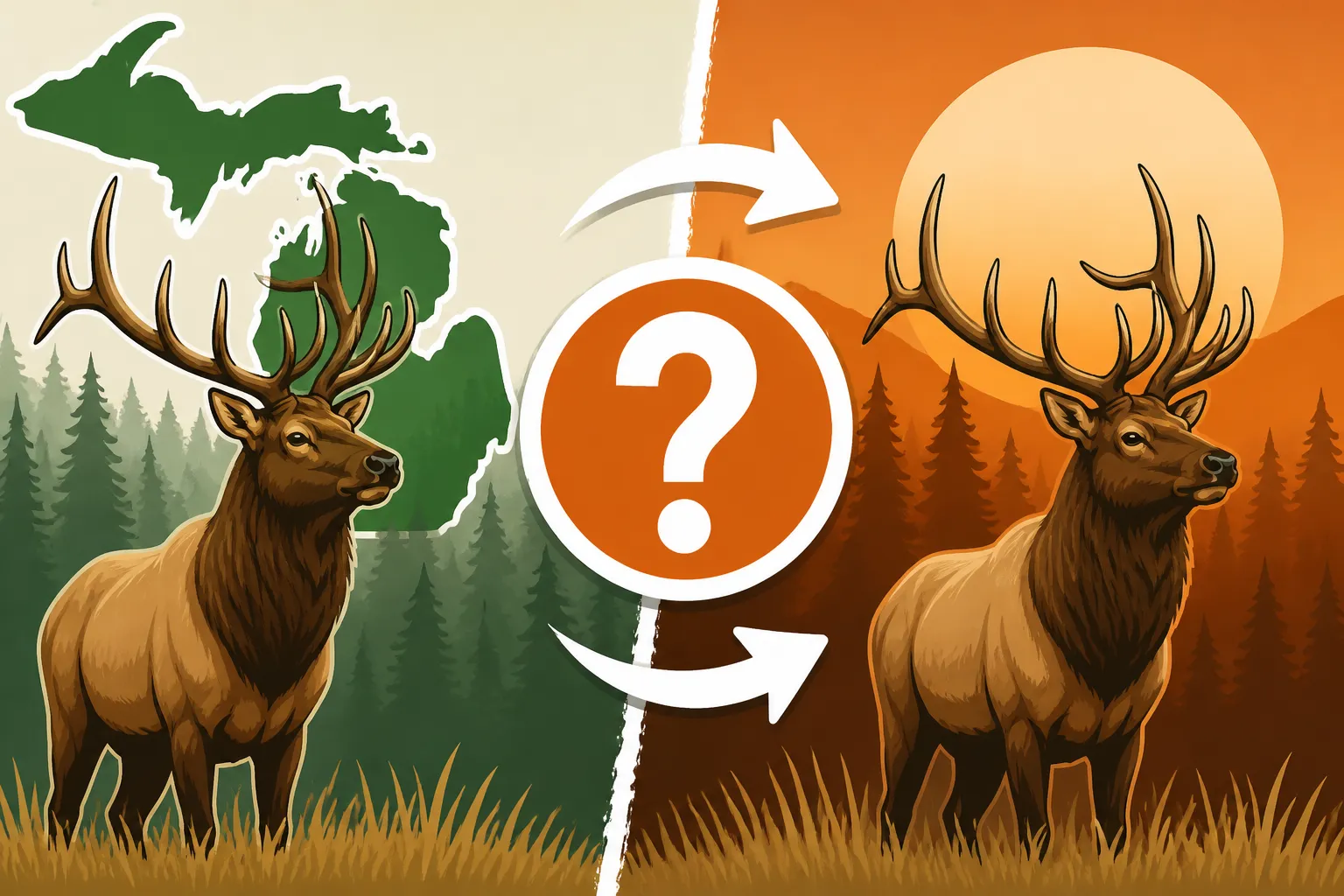
For many Michigan hunters, drawing an elk tag feels like winning the lottery – a once-in-a-lifetime opportunity that most of us only dream about. The process is famously challenging, and the odds can feel insurmountable, leading many to wonder if that dream, once achieved, is truly gone forever. This guide aims to clear up the confusion surrounding Michigan's elk hunting regulations, specifically addressing the burning question: can you draw a Michigan elk tag more than once, and what does that mean for your future hunting aspirations?
Understanding the Michigan Elk Hunt Lottery System
Michigan's elk herd is a remarkable conservation success story, but it's also a highly managed resource. To maintain a healthy population and minimize human-wildlife conflicts, the Michigan Department of Natural Resources (DNR) issues a very limited number of elk licenses each year through a lottery system. This system is designed to provide fair access while controlling harvest numbers, making every tag a coveted prize.
The Preference Point System Explained
The backbone of Michigan's elk drawing system is the preference point. Every year you apply for an elk license and are unsuccessful, you earn one preference point. These points accumulate over time, and the more points you have, the better your odds of drawing a license in subsequent years. It's a system designed to reward persistence, acknowledging the dedication of hunters who apply year after year. However, it's not a guarantee; even with a significant number of points, the draw is still a lottery, and chance plays a role. Many hunters check their Michigan Elk Drawing Results Date with bated breath each summer, hoping their patience has finally paid off.
Types of Elk Licenses and What They Mean
When you apply, you're typically applying for one of two main license types: "any-elk" or "antlerless-only." An "any-elk" license allows you to harvest either a bull or a cow elk, while an "antlerless-only" license restricts you to harvesting a cow. Historically, the DNR offered additional options, but a recent shift has streamlined the process significantly. The total number of How Many Michigan Elk Licences Are Issued is carefully determined by wildlife biologists to ensure sustainable management of the herd. The Any-Elk Versus Antlerless-Only Licences have different odds, with antlerless-only tags generally being easier to draw due to lower demand and higher availability.
Drawing Odds and the Reality of Success
Let's be real: the Michigan Elk Draw Odds are tough. For "any-elk" tags, especially in prime units during peak hunt periods, the odds can be less than 1% for hunters with fewer points. Even with 15+ preference points, success is far from assured. The DNR releases statistics annually, and they often highlight the immense competition. This is where tools like GoHunt become invaluable. Their state-specific draw odds and application strategy tools can help you analyze your chances based on your preference points and chosen hunt period, giving you a realistic perspective and helping you make informed decisions about your application. It's not about finding a cheat code, but understanding the system better.
The Rules for Drawing Multiple Michigan Elk Tags
So, to answer the core question: yes, under specific circumstances, you can draw a Michigan elk tag more than once. However, it's not as simple as drawing an archery deer tag every year. There are strict rules in place, primarily concerning antlered elk, that shape the lifetime opportunities for Michigan hunters.
The Lifetime Limit on Antlered Elk
This is the big one. According to Michigan DNR regulations, a hunter can only harvest one antlered elk in their lifetime in Michigan. This rule is paramount in managing the bull population and spreading out the opportunity to harvest a trophy animal. So, if you're fortunate enough to draw an "any-elk" license and successfully harvest a bull, you will never be eligible to draw another "any-elk" tag again. Your dream of a second big bull in Michigan is, unfortunately, a once-in-a-lifetime affair. This rule underscores the significance of every bull elk harvest and contributes to the mystique of Michigan's elk hunting.
Antlerless Elk Opportunities
The situation changes when it comes to antlerless elk. If you draw an "antlerless-only" license and successfully harvest a cow elk, you are eligible to apply for another elk license in subsequent years. There is currently no lifetime limit on antlerless elk harvested in Michigan. This means that after a successful antlerless harvest, you can re-enter the lottery to build points and try for another tag, whether it be another antlerless tag or, if you haven't harvested an antlered elk yet, an "any-elk" tag. This distinction is crucial for understanding your long-term elk hunting prospects. Many hunters, eager for any elk hunting experience, prioritize antlerless tags to get into the field sooner, knowing it doesn't preclude them from future "any-elk" opportunities.
Reapplication After a Successful Harvest
Let's break down the reapplication process. If you harvest an antlered elk, you are done applying for "any-elk" licenses. Period. You will not accumulate points for "any-elk" tags again. If you harvest an antlerless elk, you will lose all your accumulated preference points for elk and must start over at zero when you apply again. This "point reset" is a critical component of the system, ensuring that once you've had a successful hunt, others get a chance to move up the preference point ladder. It encourages a fair rotation of hunting opportunities among the hundreds of thousands of applicants.
Here's a quick summary of the reapplication rules:
| Harvested Elk Type | Future "Any-Elk" Eligibility | Future "Antlerless-Only" Eligibility | Preference Points After Harvest |
|---|---|---|---|
| Antlered Elk | No (Lifetime Limit Reached) | No (Lifetime Limit Reached) | Reset to 0 (Cannot Apply for Elk) |
| Antlerless Elk | Yes (if no bull previously) | Yes | Reset to 0 |
| No Harvest (Draw) | Yes | Yes | Keep/Gain 1 Point |
| No Harvest (No Draw) | Yes | Yes | Gain 1 Point |
Note: This table reflects current Michigan DNR regulations. Regulations can change, so always consult the latest guide.
Strategies for Maximizing Your Elk Drawing Odds
Given the challenge and the unique rules, having a solid strategy for applying for your Michigan elk licence drawing is key. It's not just about applying blindly; it's about understanding the nuances of the system.
Building Preference Points Consistently
The most straightforward strategy is simply to apply every year, diligently. Even if you're not ready to hunt right now, or if you know your odds are low, continuing to apply ensures you gain a preference point. Think of it as investing in your future elk hunting dream. The longer you apply, the more points you accumulate, and eventually, the better your chances will become. This commitment can span decades for many hunters, but it's the foundation of almost every successful draw story. Remember, even if the Michigan Elk Application Rules seem daunting, consistency is your best friend.
Choosing Your Elk Hunt Period and Unit Wisely
Michigan's elk herd is concentrated primarily in the northern Lower Peninsula, particularly in and around the Pigeon River Country State Forest. The DNR divides this region into various Michigan Elk Management Unit Boundaries and offers different Michigan Elk Hunt Periods. Some periods and units have significantly higher draw odds than others, often due to accessibility, elk density, or the specific type of tag available. For instance, an antlerless tag in a less-pressured unit during a later hunt period might be "easier" to draw than an "any-elk" tag during the early bugle season in a prime location. Researching these options, understanding the trade-offs, and potentially sacrificing a bit of the "ideal" hunt for a better chance at drawing any tag can be a smart move, especially if your goal is just to get into elk country.
Utilizing Resources Like GoHunt for Analysis
This is where detailed analysis comes into play. Online tools and resources, such as those offered by GoHunt, can provide historical draw odds data, unit breakdowns, and even success rates by hunt period. Using these resources can help you:
- Identify trends: Are certain units becoming more popular? Are antlerless tags becoming harder to draw?
- Calculate realistic odds: Plug in your preference points and see what your statistical chances are for different choices.
- Understand unit specifics: GoHunt often provides insights into terrain, public land access, and general elk behavior within each unit, which can influence your decision.
- Optimize your application: Make data-driven decisions on which hunt periods and license types give you the best chance to draw based on your personal goals (e.g., first elk hunt vs. trying for a bull).
Leveraging such tools is like having a seasoned mentor help you navigate the complex application process, significantly increasing your chances of making an informed choice.
Beyond the Draw: What Happens After You Tag an Elk
Drawing the tag is just the first step on an incredible journey. Once you have that coveted license in hand, the real work and adventure begin. But even after a successful hunt, there are still important steps and considerations, especially regarding future applications.
Post-Harvest Rules and Reporting
Michigan, like most states, has strict post-harvest requirements. After you successfully harvest an elk, you must immediately validate your tag and report your kill within a specific timeframe, usually 72 hours. This is typically done online or through the Michigan DNR's mobile app. This reporting is not just a formality; it's crucial data for wildlife biologists to monitor herd health and population dynamics. They use this information to determine future tag allocations and adjust management strategies for Michigan's Elk Herd Size and History. Failing to report your harvest can lead to penalties and could jeopardize your ability to participate in future draws.
The Waiting Period for Reapplication
As discussed, if you harvest an antlered elk, you are no longer eligible for "any-elk" tags. If you harvest an antlerless elk, your preference points reset to zero. This means that after a successful hunt, you effectively enter a "waiting period" during which you start rebuilding your preference points from scratch. This could mean many years of applying and accumulating points before your odds become favorable again for an antlerless tag. This period is a good time to perhaps focus on other Michigan hunting opportunities, like Michigan's November Firearm Deer Season or Spring Turkey Hunting in Michigan, while you patiently wait for your elk preference points to grow once more.
Mentoring Opportunities for New Hunters
Even if you've harvested your lifetime Michigan bull or are waiting to rebuild points, you can still be an active part of Michigan's elk hunting community. The DNR offers opportunities for experienced hunters to serve as mentors through the Michigan Mentored Youth Licence Rules or by simply helping friends and family who draw tags. Guiding a new hunter, sharing your knowledge of the Elk in Michigan's Pigeon River Country habitat, or assisting with scouting and tracking can be an incredibly rewarding experience. It allows you to stay connected to the elk woods and pass on the tradition, even when you're not the one pulling the trigger. It's a fantastic way to give back to the sport and ensure the next generation understands the value of this magnificent resource.
Disclaimer
Please note: Hunting regulations and laws can change. Always consult the most current Michigan DNR hunting guides and regulations before planning any hunting activity. This article is for informational purposes only and should not be considered legal advice.