Michigan Mentored Youth Licence Rules
It can feel daunting trying to introduce the next generation to the joys of Michigan's hunting heritage, especially with all the rules, regulations, and the sheer cost of getting started. Many parents and guardians grapple with how to safely and effectively share their passion without overwhelming a young, eager learner. Thankfully, Michigan offers a fantastic pathway for this: the Mentored Youth Licence, designed to simplify the entry point for kids and ensure a safe, guided experience in the field.
Understanding the Michigan Mentored Youth Licence
The Mentored Youth Licence isn't just another piece of paper; it's a foundational tool designed by the Michigan Department of Natural Resources (DNR) to remove barriers and encourage youth participation in hunting. It recognizes that the best way for a young person to learn is through hands-on experience, guided by a knowledgeable and responsible adult. This program directly addresses the challenge of making hunting accessible and less intimidating for newcomers.
What the Mentored Youth Licence Covers
This special license is incredibly comprehensive, covering a broad spectrum of hunting opportunities. For a single, nominal fee, a mentored youth can hunt virtually all legal game species available in Michigan, including deer, turkey, small game like rabbits and squirrels, and even furbearers like coyotes. Think about it: a single license that covers so much! This means a young hunter can try out various types of hunting throughout the year without needing to buy separate tags for each season or species, which can really add up. This simplifies things immensely for families. While they still need to adhere to specific Michigan Deer Seasons and Tags or Michigan Small Game and Furbearer Seasons, the Mentored Youth Licence acts as a golden ticket, granting access across the board.
For example, a youth might start by accompanying their mentor on a squirrel hunt in early fall, then transition to bowhunting for deer, and later, maybe even try some late-season pheasant hunting. The versatility of this license allows for diverse experiences, helping a young person discover what types of hunting truly resonate with them. It’s all about exposure and learning in a low-pressure environment, allowing them to participate in many facets of hunting life without significant financial commitment right at the outset.
Age Requirements and Eligibility
The Michigan Mentored Youth Licence is specifically for young hunters who are under the age of 17. There’s no minimum age to participate, which is fantastic because it allows parents to introduce their children to hunting at an age they deem appropriate for their individual child's maturity and interest. However, the crucial component is the "mentored" aspect. The youth must be accompanied by a qualified mentor who is at least 21 years old and holds a valid Michigan hunting license for the species being hunted.
This structure means that even a very young child can join an adult in the field, observing and learning the ropes. As they grow older and their skills develop, they can take on more active roles, all under the direct supervision of their mentor. This progressive learning environment is invaluable. It’s not just about pulling a trigger; it’s about understanding wildlife, habitat, ethics, and safety from an early age. The lack of a minimum age requirement acknowledges that true outdoorsmanship is cultivated over years, starting with simple observation and growing into full participation.
The Role of the Mentor
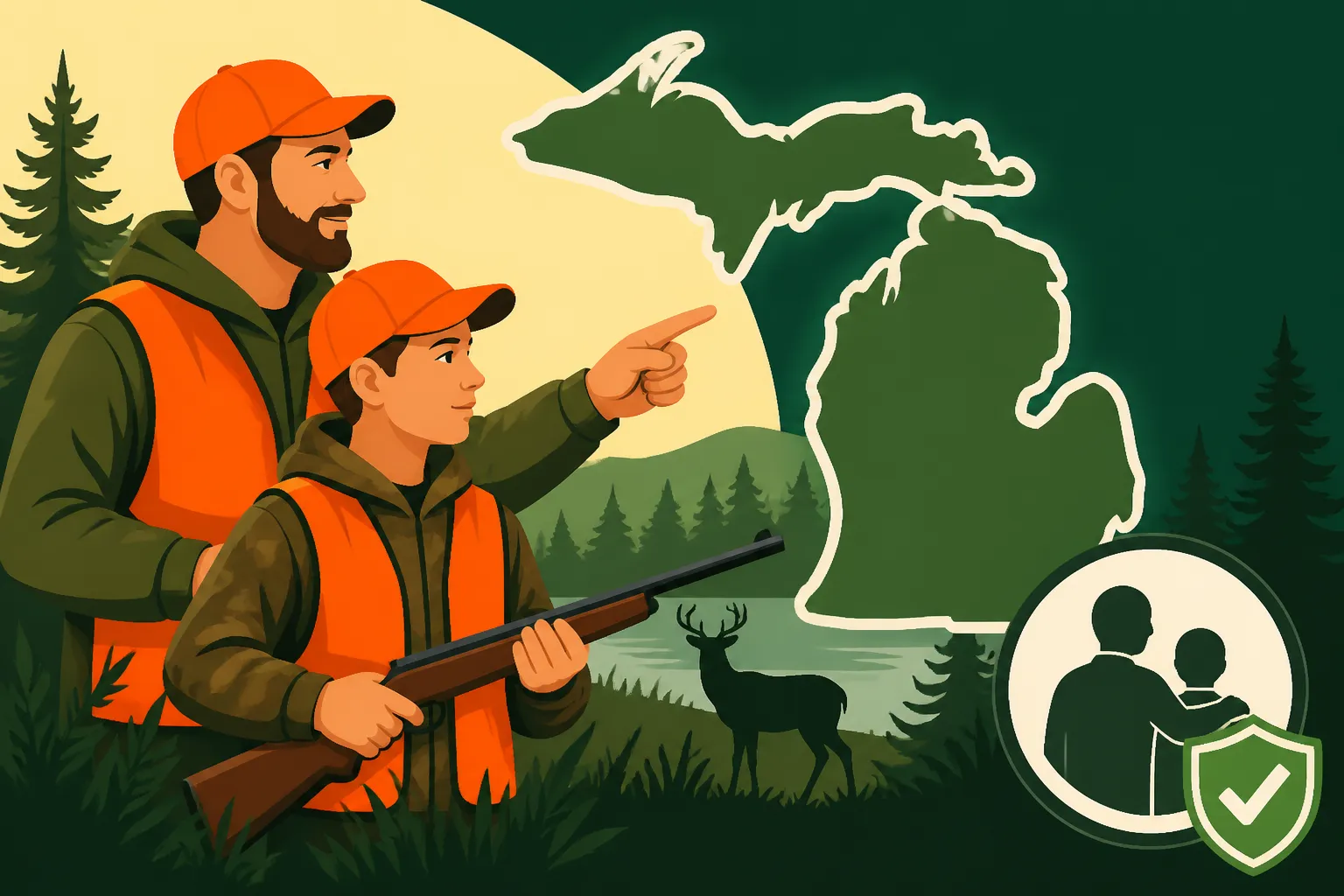
The mentor is the cornerstone of this entire program. They are the guide, the teacher, the safety officer, and the ethical compass for the young hunter. According to Michigan regulations, the mentor must be at least 21 years old and hold their own valid Michigan hunting license for the game species being pursued. This isn't just a casual recommendation; it's a legal requirement designed to ensure that the youth is always under the direct supervision of an experienced and licensed adult.
A mentor is responsible for ensuring the youth acts in a safe and lawful manner at all times. This means they must remain within an arm's reach of the youth hunter when a firearm is present. If the youth is using a bow, the mentor must be close enough for immediate voice control and supervision. The mentor is essentially taking on the full legal responsibility for the youth's actions in the field. This demanding but rewarding role is vital for instilling proper hunting ethics, wildlife conservation principles, and, most importantly, firearms and archery safety. Think of it as a formal apprenticeship, where the mentor passes on not just skills, but a deep respect for the outdoors. If you're considering becoming a mentor, it's worth reviewing the full guidelines on Who Can Be a Michigan Mentor to understand the scope of your responsibilities.
Benefits of the Mentored Youth Program
Beyond simply getting a license, the Mentored Youth Program offers a wealth of benefits that go far in shaping responsible, knowledgeable hunters. It’s not just about ticking a box; it’s about nurturing a lifelong passion and understanding of the natural world. This structured approach helps both the youth and the mentor navigate the complexities of hunting while focusing on the educational experience.
Fostering Early Engagement and Safety
One of the greatest advantages of the Mentored Youth Licence is how it allows for early engagement in a safe, controlled environment. Without needing to complete a formal hunter education course upfront, young kids can go afield, learning gun safety and hunting ethics directly from their mentor. This hands-on, one-on-one instruction is often more effective than a classroom setting for young learners. The emphasis on the mentor staying within arm's reach when a firearm is present means constant, immediate supervision. This drastically reduces the risks associated with inexperienced handling of hunting equipment.
The program creates a scenario where safety is paramount, integrated into every step of the hunting experience. From learning how to safely carry a firearm to identifying target species, the mentor is there to guide and correct in real-time. This early exposure helps ingrain safe habits before a youth ever hunts independently. It also teaches patience, observation skills, and an understanding of wildlife behavior, fostering a deeper connection to nature long before they might be ready to harvest an animal. This is where the real education happens, building a solid foundation for future hunting endeavors.
Cost-Effectiveness for Young Hunters
Let's be honest, hunting can be an expensive hobby. Between licenses, tags, gear, and travel, costs can quickly add up, creating a significant barrier for families, especially those with multiple children. The Michigan Mentored Youth Licence significantly alleviates this burden. For a very low, one-time annual fee, the youth receives privileges for deer, turkey, small game, and furbearers. This single fee eliminates the need for purchasing separate deer tags, turkey tags, small game licenses, and federal duck stamps (though specific waterfowl hunting still requires the federal duck stamp for anyone over 16, regardless of the mentored license).
This cost-saving aspect is huge. It means families can invest more in quality gear, proper clothing, or even just gas to get to their hunting spots, rather than being bogged down by multiple license purchases. It makes trying out different types of hunting incredibly accessible, allowing a young person to explore various disciplines without the pressure of a high initial investment. This financial relief makes it easier for parents to say "yes" to hunting adventures, and for kids to truly experiment with what they enjoy. For more detailed information on specific costs, you can always check out Michigan Hunting Licences and What They Cost.
Simplified Licensing Process
The process of obtaining a hunting license for the first time can be a bit overwhelming, especially when it involves understanding various tags, seasons, and restrictions. The Mentored Youth Licence streamlines this entirely. Instead of navigating multiple options for different species, parents simply purchase this single license for their eligible youth. There’s no requirement for the youth to have completed a hunter education course to acquire this license, making it immediately accessible.
This simplification is a huge draw for busy families. It means less time spent at a licensing agent trying to decipher regulations and more time spent planning the actual hunt. While the youth will eventually need to complete a Michigan Hunter Safety Requirement course to hunt independently at age 10 or older, this program allows them to get valuable field experience before that step. It's a "learn as you go" model, where the practical lessons in the field inform and prepare them for formal instruction later. This eases the initial entry, removing a significant hurdle that often discourages potential young hunters.
Practical Application and Rules
Putting the Mentored Youth Licence into practice involves understanding a few key rules and considerations. It's not just about having the license; it's about adhering to the spirit and letter of the law to ensure a safe and successful experience for the young hunter. This section will delve into the specifics of gear, safety, and where these young hunters can pursue game.
Gear and Equipment for Mentored Youth
When it comes to gear, flexibility is key for mentored youth. The program allows youth hunters to use firearms, bows, or crossbows for the species they are hunting, provided the equipment is legal for that particular season and location. For instance, in Michigan's Limited Firearm Deer Zone, youth are still subject to the same restrictions as adults, meaning they would use shotguns, straight-walled cartridges, or muzzleloaders, not centerfire rifles. However, the unique aspect is that the youth does not need to possess their own firearm. They can share a firearm with their mentor, as long as it remains under the direct control of the mentor when not actively being used by the youth.
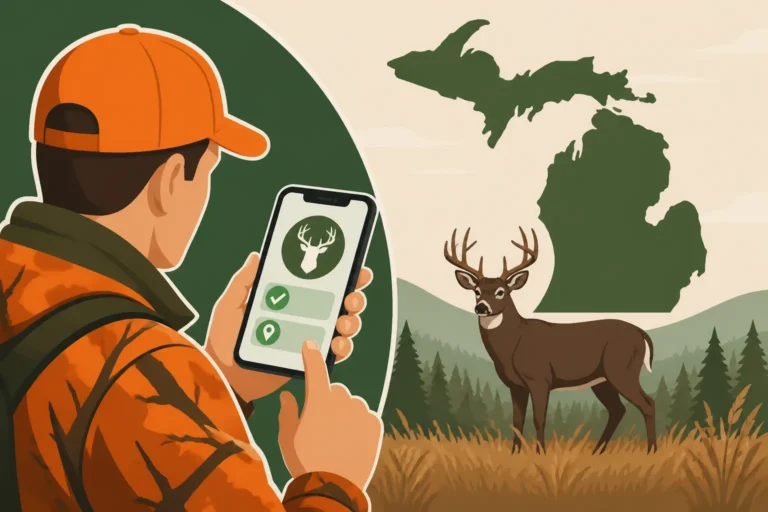
This sharing of equipment is another major cost-saving benefit. It means a family doesn't have to immediately purchase a youth-sized rifle or shotgun, which can be a significant investment. The mentor can simply lend their own properly sized and sighted equipment for the hunt, ensuring the youth has a safe and appropriate tool. This also allows the youth to try different types of equipment before a permanent purchase is made. Many hunters also use modern mapping tools like GoHunt, or the Michigan DNR's Mi-HUNT app, to understand weapon restrictions in various areas.
Safety Regulations and Supervision
Safety is, without a doubt, the paramount concern in the Mentored Youth Program, and specific regulations are in place to ensure it. As mentioned, the mentor must remain within arm's reach of the youth when a firearm is present. This rule is non-negotiable and strictly enforced. For archery equipment, the mentor must be close enough to maintain immediate voice control and supervision. This direct oversight ensures that any potential safety lapse can be immediately addressed by the experienced mentor.
Furthermore, youth hunters participating in this program are exempt from the hunter orange requirement during seasons where it would typically apply to adult hunters. However, many mentors still choose to have their youth wear hunter orange for an added layer of safety, especially during firearm deer season. It's always better to be seen. The mentor, of course, must still abide by all Michigan Hunter Orange Rules. All other general hunting safety rules, such as identifying your target and what's beyond it, proper handling of firearms, and following game laws, apply fully to the mentored experience. The mentor bears the responsibility for ensuring these rules are followed to the letter.
Where Mentored Youth Can Hunt
The Mentored Youth Licence provides broad access to hunting opportunities, covering both public and private lands, just like a standard adult license. This means a mentored youth can hunt on any land where hunting is legally permitted, assuming they have the necessary permissions. If hunting on private land, the mentor must ensure they have obtained permission from the landowner. When on public land, such as state forests or state game areas, all standard public land rules and regulations apply.
This wide access allows mentors to select prime hunting locations that offer the best chance for a positive experience for the youth. Whether it's a quiet corner of a Michigan State Forest Hunting area, a productive Michigan State Game Areas wetland for small game, or a friend's private parcel of woods, the options are plentiful. The ability to hunt across various landscapes helps teach young hunters about different ecosystems and how game animals utilize them. It's crucial for mentors to scout locations in advance, considering factors like hunting pressure and accessibility, to maximize the educational and enjoyable aspects of the hunt. Tools like the Mi-HUNT map or GoHunt can be invaluable for identifying suitable public hunting grounds.
Common Questions and Misconceptions
Despite the clear benefits of the Mentored Youth Licence, there are often common questions and misunderstandings that crop up. Clearing these up can help more families take advantage of this fantastic opportunity to get kids into hunting. Let's tackle a few of the most frequent inquiries.
Hunter Safety Requirements
One of the biggest misconceptions is whether a youth needs to complete a hunter safety course before participating in the Mentored Youth Program. The answer is no, they do not. This is precisely one of the program's key features designed to remove barriers to entry. A youth can obtain and use the Mentored Youth Licence without having completed a formal hunter safety course.
However, it's absolutely crucial to understand that this exemption is only valid while the youth is participating in the Mentored Youth Program under direct supervision. Once a youth reaches age 10, if they wish to purchase a regular hunting license and hunt independently (without the direct supervision of a mentor under the Mentored Youth Licence), they will need to complete a hunter education course. So, while the program offers a fantastic initial pathway, it doesn't replace the need for formal hunter education later on for independent hunting. Many parents use the mentored experience as practical preparation for the formal course, making the classroom learning much more relevant and understandable when the time comes.
Hunting Multiple Species
Another common question revolves around the scope of the Mentored Youth Licence: does it only cover deer, or can a youth hunt other game? The answer, happily, is that it covers most legal game species. This includes white-tailed deer, wild turkey, small game animals like rabbits, squirrels, and pheasants, and even furbearers such as coyote. It's a truly comprehensive license, making it an excellent value and providing diverse hunting opportunities.
The only significant exceptions generally involve waterfowl for youth aged 16 and older, who would still need to purchase a federal duck stamp. However, for most other species, the single Mentored Youth Licence acts as their all-access pass. This broad coverage means a youth can experience the excitement of Spring Turkey Hunting in Michigan in May, chase squirrels in the fall, and participate in Michigan's November Firearm Deer Season – all under the umbrella of that one affordable license. It encourages a well-rounded hunting education and allows young hunters to discover their preferences across different game types and hunting methods.
Transitioning to an Adult License
So, what happens when a youth hunter outgrows the Mentored Youth Program? The transition is straightforward. Once a youth reaches the age of 17, they are no longer eligible for the Mentored Youth Licence. At this point, they will need to purchase standard adult hunting licenses, which may include separate base licenses, deer licenses, turkey licenses, and so on.
Critically, if they plan to hunt independently (without being mentored), they must have completed an approved hunter education course. As mentioned, youth aged 10 and older are generally required to complete hunter safety before purchasing standard licenses without the mentored program's benefit. Therefore, families should plan for the youth to take a hunter safety course well before they reach 17, ideally around age 10-12, while they are still actively participating in the Mentored Youth Program. This allows them to build on their practical field experience with the formal education, ensuring a seamless transition to becoming a fully independent, licensed hunter in Michigan. This forward-thinking approach ensures that the skills and ethics learned during the mentored years are solidified and carried forward.
Summary of Michigan Mentored Youth Licence Rules
Here’s a quick overview of the key aspects of the Michigan Mentored Youth Licence:
| Feature | Details |
|---|---|
| Eligible Age | Under 17 years old (no minimum age) |
| Mentor Requirements | At least 21 years old, possesses a valid Michigan hunting license for the species being hunted |
| Supervision Level | Mentor must be within arm's reach when a firearm is present; voice control/proximity for archery |
| Hunter Safety Course | Not required for the youth to obtain this license; required for independent hunting at age 10+ |
| Species Covered | Deer (archery, firearm, muzzleloader), turkey, small game, furbearers (most legal species) |
| Cost | Nominal, single annual fee (check current DNR regulations for exact price) |
| Hunter Orange | Youth exempt, but recommended; mentor must follow all Hunter Orange Rules |
| Equipment | Youth can use any legal equipment; can share mentor's firearms/bows under supervision |
| Land Access | Public and private land (with permission) |
| Transition | Youth must transition to adult licenses and complete hunter safety by age 17 to hunt independently |
Disclaimer
Please remember that hunting regulations can change. While this guide provides comprehensive information, always consult the most current Michigan DNR hunting regulations and digests before heading afield. It is your responsibility to know and follow all applicable laws.