Michigan Duck Zone Boundaries
Trying to figure out Michigan's duck hunting zones can feel like trying to solve a complicated puzzle, especially when you're just itching to get out on the water or in the marsh. It's frustrating when you're unsure if the season is open or closed, or if your favorite hunting spot falls into a different regulatory bucket than you thought. This comprehensive guide is here to untangle the complexities of Michigan's duck zones, helping you understand where you can hunt and when, so you can plan your waterfowl adventures with confidence.
Understanding Michigan's Duck Zones: Why They Matter So Much
Michigan's waterfowl hunting regulations, particularly for ducks, are intricately tied to a system of geographic zones. These aren't just arbitrary lines on a map; they're carefully drawn boundaries designed to manage duck populations effectively, considering migration patterns, breeding grounds, and local hunting pressure across our diverse landscape. For hunters, knowing which zone you're in is absolutely crucial because it dictates your season opening and closing dates, and sometimes even influences bag limits or specific regulations for certain species. Ignoring these boundaries can lead to a quick conversation with a conservation officer, and trust me, that's not the kind of conversation any hunter wants.
The Rationale Behind Zone Divisions
You might wonder why we can't just have one big, simple Michigan duck season. The truth is, Michigan is a huge state, stretching from the northern tip of the Upper Peninsula down to the agricultural fields near Ohio and Indiana. These vast differences in geography mean wildly different duck habitats and migration timelines. Ducks arrive and depart at varying times, and their populations are impacted differently by weather and food availability across the state. The Michigan Department of Natural Resources (DNR), in collaboration with federal wildlife agencies, uses these zones to tailor hunting seasons to these localized conditions. It’s all about sustainability – ensuring that we harvest ducks responsibly while giving them the best chance to reproduce and thrive.
Impact on Your Hunting Calendar and Bag Limits
The most immediate and significant impact of duck zones on you, the hunter, is on the calendar. Each zone has distinct opening and closing dates for its duck season. What's open in the Upper Peninsula might still be closed in southern Michigan, or vice-versa. This staggered approach helps distribute hunting pressure and aligns seasons with peak migration for different regions. Beyond dates, while daily duck bag limits are often statewide for species like mallards or wood ducks, there can occasionally be zone-specific nuances for certain less common species or special early seasons. Always double-check the current year's Michigan Waterfowl Seasons and Zones digest for the most up-to-date and precise information. It's not worth guessing when it comes to wildlife regulations.
The Four Michigan Duck Zones: Boundaries and Distinctive Features
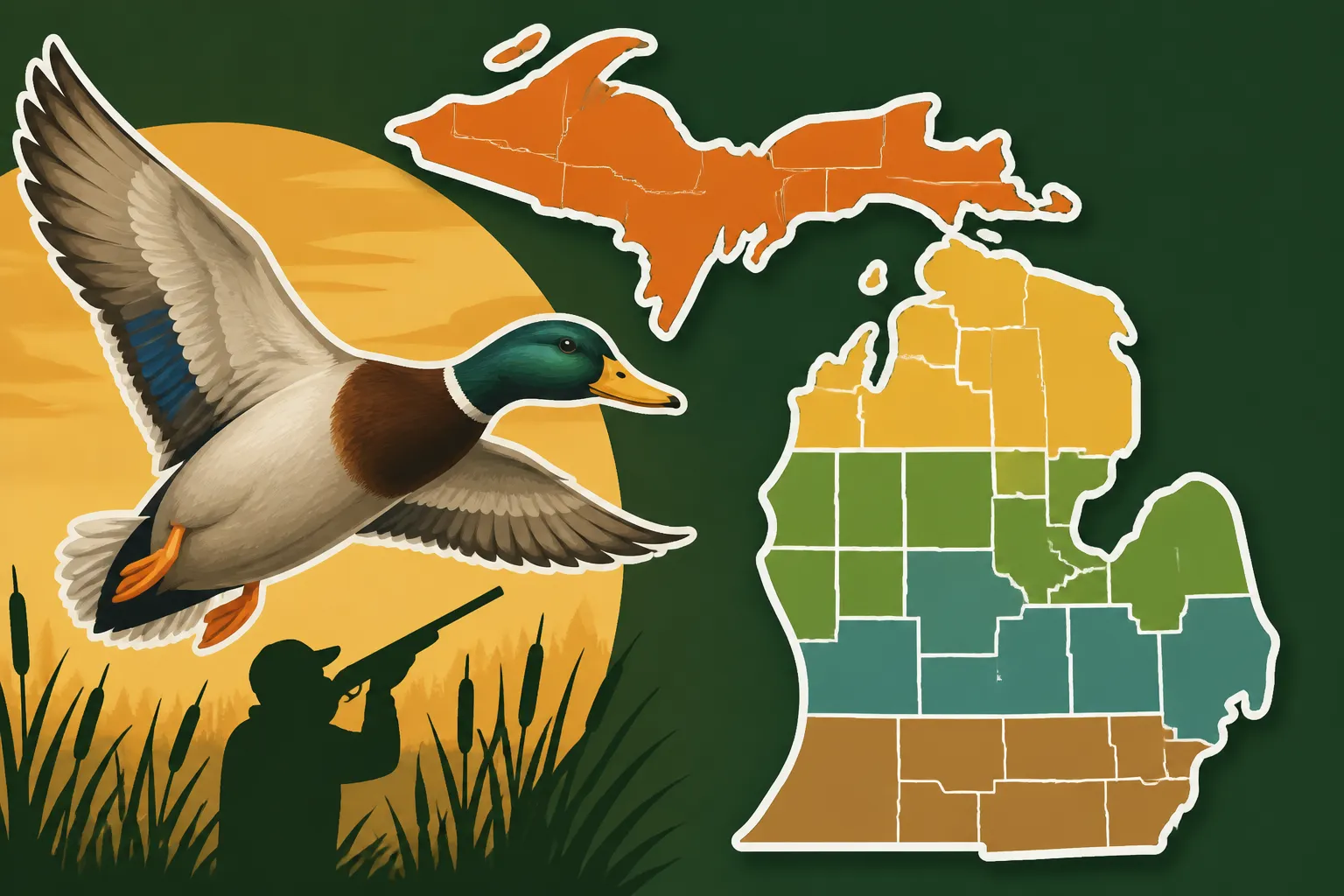
Michigan is divided into four distinct duck zones: the North Zone, Middle Zone, South Zone, and the special Saginaw Bay Zone. Each zone encompasses unique geographical features and experiences different migration patterns, leading to tailored hunting seasons. Understanding where these lines are drawn is your first step to a successful and legal waterfowl season.
The North Zone: U.P. and Far Northern Lower Peninsula Waters
The North Zone covers the entirety of the Upper Peninsula and a significant chunk of the northernmost Lower Peninsula.
Specifically, its southern boundary in the Lower Peninsula is drawn by a line running east and west across the Lower Peninsula at the U.S. Hwy 10/U.S. Hwy 31 intersection, then east on U.S. Hwy 10 to Lake Huron.
This means counties like Mason, Lake, Osceola, Clare, Gladwin, and Arenac are split by or touch this boundary. For instance, if you're hunting north of Ludington on Lake Michigan, you're in the North Zone. If you're near Standish on Saginaw Bay, you might be right on the line.
This zone is characterized by vast expanses of state and federal forest land, numerous inland lakes, and the mighty Great Lakes shoreline. Duck hunting here often involves big water opportunities on Lake Superior, Lake Michigan, and Lake Huron, as well as countless smaller, remote lakes and flowages. The North Zone typically has the earliest opening dates to coincide with the early migrations of northern-breeding ducks and to allow for hunting before severe winter weather pushes birds south. Hunters here often focus on species like ring-necked ducks, goldeneyes, and mergansers, alongside the more common mallards and wood ducks. Weather can turn quickly in this zone, so preparing for extreme cold and rough water is paramount, especially when Hunting the Michigan Upper Peninsula for Deer also involves bracing for the elements.
The Middle Zone: Central Lower Peninsula's Diverse Habitats
Moving south from the North Zone, we enter the Middle Zone, which spans the central portion of the Lower Peninsula. Its southern boundary is marked by a line running east and west from the U.S. Hwy 31/M-20 intersection, then east on M-20 to M-15, then south on M-15 to the I-75 intersection, then north on I-75 to M-24, then south on M-24 to the I-69 intersection, then east on I-69 to the Michigan/Ontario border.
This creates a somewhat jagged, complex boundary that passes through or near counties like Muskegon, Newaygo, Isabella, Midland, Saginaw, and Lapeer. For example, if you're hunting the Muskegon River or inland lakes around Cadillac, you're squarely in the Middle Zone.
The Middle Zone offers a tremendous diversity of habitats, from large river systems like the Grand and Muskegon, to expansive agricultural fields interspersed with wetlands, and numerous state game areas. Hunters here encounter a wide range of ducks, from local resident birds to migratory mallards, wood ducks, and divers. The season dates are usually later than the North Zone but earlier than the South Zone, aiming to catch the bulk of the main migration that passes through this central corridor. This zone is a popular choice for those looking to experience varied hunting opportunities without traveling too far north or south. Waterfowl hunters often utilize public access points and managed areas here, but scouting for good private land opportunities is also common.
The South Zone: Farmland and Urban Fringe Waterfowling
The South Zone covers the southernmost tier of Michigan's Lower Peninsula, a region dominated by agriculture, dense population centers, and numerous small ponds, rivers, and managed wetlands. Its northern boundary is the southern boundary of the Middle Zone.
This includes highly populated counties like Kent, Oakland, Macomb, Wayne, and Washtenaw, as well as prime agricultural areas in Lenawee, Hillsdale, and St. Clair counties. If you're hunting near Ann Arbor, Kalamazoo, or even the Detroit metro area, you're in the South Zone.
This zone typically sees the latest duck season openings, often extending well into December, to capitalize on the late-migrating ducks that push through the state with the onset of colder weather further north. Hunting in the South Zone often involves targeting ducks on flooded crop fields, small farm ponds, larger inland lakes like Lake St. Clair (outside the Saginaw Bay Zone), and the slow-moving rivers that snake through the agricultural landscape. Geese are also a major draw in this zone, especially Field Hunting Geese in Southern Michigan. Due to higher population density, public land access can be more pressured, making careful scouting and permission to hunt private lands even more valuable. For detailed mapping and understanding property lines, especially in the fragmented landscape of the South Zone, tools like GoHunt's mapping overlays can be incredibly useful for pinpointing boundaries and identifying potential hunting spots.
The Saginaw Bay Zone: A Special Great Lakes Enclave
The Saginaw Bay Zone is a unique, geographically distinct area within the larger framework of Michigan's duck zones. It's not defined by a north-south line but rather encompasses the waters and adjacent lands of Saginaw Bay and its immediate tributaries.
Specifically, this zone includes all the waters of Saginaw Bay and Lake Huron southerly of a line from the Charity Island Light to Pt. Lookout, and westerly of a line from Pt. Lookout to the Huron-Tuscola County line, and all lands and waters within the following counties: Arenac, Bay, Huron, and Tuscola. Crucially, the western boundary of the Saginaw Bay Zone is also formed by the line separating it from the Middle Zone, primarily along the eastern boundaries of counties like Midland and Saginaw.
This special zone is established to manage the unique waterfowl populations and hunting traditions of this ecologically significant Great Lakes estuary. Saginaw Bay is a vital stopover point for hundreds of thousands of migratory ducks, especially divers like redheads, canvasbacks, and bluebills, during their fall migration. Hunting here often involves layout boats, marsh blinds, and specialized decoy spreads. The season dates for the Saginaw Bay Zone are generally similar to the South Zone but can have minor variations, reflecting the specific migration patterns and harvest objectives for this critical staging area. It's a truly iconic Michigan waterfowl destination.
Navigating Regulations Within Each Zone
Understanding which duck zone you’re in is only the first step. Each zone, while sharing many general Michigan hunting regulations, has specific nuances that can impact your hunting experience. From season dates to special provisions, being informed is key to a successful and legal hunt.
Zone-Specific Season Dates and Early Openers
The most critical difference between Michigan’s duck zones lies in their season dates. The North Zone, being furthest north, typically opens the earliest, often in late September, to catch the initial push of migratory ducks from Canada before winter weather sets in. The Middle Zone follows, usually opening a week or two later, targeting the main migration through the central Lower Peninsula. Finally, the South Zone and Saginaw Bay Zone tend to open last, often in mid-October, to coincide with the later migration of ducks that hold further north until colder temperatures force them south.
These staggered openings allow hunters across the state to experience peak migration opportunities in their respective regions. It also means that dedicated waterfowl hunters might plan trips to different zones to extend their season or target specific migrations. For instance, you might chase early season wood ducks and resident mallards in the North Zone in September, then transition to the Middle or South Zone in October and November for a mix of puddle ducks and divers. Always consult the official Michigan Duck Season Dates by Zone for the current year, as these dates can shift slightly based on federal frameworks and state management decisions. Missing an opening day because you misread the calendar can be a real bummer.
Species-Specific Regulations and Bag Limits
While the core daily bag limit for many common duck species, like mallards (with specific drake limits), wood ducks, and teal, tends to be uniform across all Michigan zones, there can be subtleties. Occasionally, special early teal seasons or youth hunts might have zone-specific dates or slightly modified bag limits. For divers like scaup (bluebills), the daily bag limit can sometimes change mid-season based on federal quotas, and while this change is typically statewide, it's always good to be aware.
The main takeaway here is vigilance. Don't assume that what was true last year, or what you heard from a buddy hunting a different zone, applies to your current situation. The DNR's annual waterfowl hunting digest is your bible. It will clearly lay out any species-specific nuances for each zone. For instance, when planning your hunt for Great Lakes Waterfowl Hunting in Michigan, you'll want to pay close attention to diver duck limits, which are often a focal point of discussion due to their unique federal management.
Understanding Public Land Access and Zone Rules
Michigan boasts a wealth of public hunting land, from vast state forests to numerous state game areas and national wildlife refuges. While the overarching rules for hunting on public land generally apply statewide, there can be zone-specific implications. For example, some managed waterfowl areas (MWAs) might have draws or specific access rules that are influenced by the zone they are in, due to localized hunting pressure or conservation goals.
When you're scouting new public land or planning a hunt, it's not just about finding good cover or water; it's also about confirming which zone that particular parcel falls into. Using detailed mapping tools like those offered by GoHunt or the Michigan DNR's Mi-HUNT map can help you visualize these boundaries clearly. Imagine finding a perfect marsh on a state game area only to realize it's just across the line in a zone where the season isn't open yet. This kind of precise information can save you a wasted trip and help you effectively plan your Scouting Michigan Public Land Before Season strategies across zones.
Planning Your Hunt Around Zone Dates
Strategic planning is a waterfowler's best friend, and understanding Michigan's duck zones allows for a much more effective and enjoyable season. Rather than just hoping for the best, you can actively tailor your hunting efforts to coincide with peak opportunities in different areas.
Leveraging Early and Late Season Opportunities
The staggered nature of Michigan's duck zones means you can effectively extend your hunting season. If you're passionate about early season puddle ducks like wood ducks and teal, and don't mind heading north, the North Zone's early opening dates are ideal. You might find fantastic opportunities on small, secluded ponds and rivers before the crowds arrive or the birds are pushed further south. This is often when you'll find resident birds that haven't been pressured yet.
Conversely, if you're a fan of late-season hunting, when colder temperatures concentrate birds and freeze out smaller waters, the South Zone and Saginaw Bay Zone offer opportunities well into December. These colder periods often bring a fresh push of northern ducks, and you can find incredible hunting on larger, open waters or fields where ducks are staging. This approach requires flexibility and a willingness to travel, but it can significantly increase your time afield and your chances of success. It's a bit like having multiple opening days!
Adapting to Migration Patterns and Weather Fronts
Ducks are driven by weather and food. A strong cold front pushing down from Canada can bring a wave of new birds into Michigan, often filling the North Zone first, then moving south. By understanding the zone boundaries, you can monitor weather patterns and migration reports, then strategically choose which zone to hunt. If a big freeze hits the U.P., you know it won't be long before those birds are pushing into the Middle and South Zones.
This kind of adaptive hunting is what separates consistently successful waterfowlers from those who just hunt their local spot regardless of conditions. It means being ready to pack up and chase the birds. For instance, if you're tracking the Michigan Waterfowl Migration Timing, you might notice a shift in numbers that tells you it's time to focus on the Middle Zone for a week or two, then switch your attention to the South Zone. Having mapping apps on your phone or tablet, especially those like GoHunt which integrate weather and satellite imagery, can be invaluable for real-time decision making in the field.
Optimizing Travel and Logistical Planning
Hunting multiple zones naturally involves more travel and logistical planning. You'll need to consider drive times, potential overnight stays, and where you'll be storing your gear. If you're planning a trip to the North Zone from southern Michigan, ensure your vehicle is ready for longer distances and potentially rougher roads, especially if you're heading deep into state or national forests.
Packing your gear effectively becomes even more important. You might need different clothing for varying temperatures across zones, or different decoys if you're transitioning from small pond hunting in one zone to Layout Hunting Michigan Big Water in another. Having a clear plan for your destination, permits, and any specific regulations for each zone will save you headaches and maximize your time focused on the hunt. Remember to always report your harvest in a timely manner, regardless of which Michigan duck zone you’re hunting in, as per state regulations.
Common Misconceptions and Troubleshooting Michigan Duck Zones
Even with all the information available, confusion around Michigan's duck zones can still pop up. It's easy to make assumptions or get caught off guard by a minor detail. Let's address some common pitfalls and how to troubleshoot them.
The "Close Enough" Trap
One of the most common mistakes hunters make is assuming that "close enough" applies to zone boundaries. It absolutely does not. If a river, road, or county line is specified as the boundary, then that line is exact. Being 100 yards on the wrong side of the line, even if you can't clearly see the demarcation in the field, means you're in the wrong zone and potentially hunting out of season.
This is where detailed maps become indispensable. Modern GPS apps and online mapping tools, like the Michigan DNR's Mi-HUNT system or premium hunting apps, can show you precisely where these lines are. Before you set out, zoom in on your intended hunting spot and confirm its zone status. Don't rely on general knowledge or a vague memory of where the "line" is. Taking five minutes to verify could save you a significant fine and the loss of your hunting privileges. For example, if you're hunting along the tricky M-20 corridor that delineates part of the Middle and South Zones, knowing your exact position is paramount.
Local Knowledge Versus Official Regulations
While local knowledge is incredibly valuable for finding hot spots, understanding duck behavior, and identifying key staging areas, it should never override the official published regulations. Your buddy might have been hunting "this side of the road" for 20 years, but if the DNR has recently changed a boundary or clarified a rule, his long-standing practice could be outdated.
Always prioritize the official Michigan waterfowl hunting digest from the current year. These digests are updated annually and are the definitive source for all season dates, bag limits, and zone boundaries. You can find them online on the Michigan DNR website or pick up a physical copy wherever hunting licenses are sold. When in doubt, verify it yourself. Remember, ignorance of the law is no excuse, and wardens operate under the official rules, not local folklore. It's like understanding Michigan's November Firearm Deer Season; there are traditions, but official rules are always key.
Dealing with Dynamic Conditions and Boundary Changes
While the major duck zone boundaries tend to be relatively stable year to year, there can be minor adjustments or clarifications. Additionally, water levels, access points, and even the navigability of certain waterways can change due to weather or land management. What was huntable last year might not be this year, or vice-versa.
Stay informed by checking the DNR website regularly for any updates or advisories. If you're hunting a complex area, such as a river system that forms a boundary, or an area prone to flooding, always assess current conditions. Furthermore, remember that the Michigan DNR Hunt Fish App is a great tool for accessing regulations and current information directly from your smartphone, even when you're out in the field. It's a simple way to confirm you're within the rules and can enjoy your hunt worry-free.
Here’s a quick overview of Michigan’s Duck Zones:
| Zone Name | General Location | Key Characteristics | Typical Opening Dates (Consult Current Digest!) | Example Counties (Partial List) |
|---|---|---|---|---|
| North Zone | Upper Peninsula & Far Northern LP | Earliest season, vast wild areas, Great Lakes big water | Late September | Marquette, Mackinac, Cheboygan, Mason (northern part) |
| Middle Zone | Central Lower Peninsula | Diverse habitats, mix of agriculture & timber, major rivers | Early October | Newaygo, Isabella, Midland, Gratiot, Lapeer |
| South Zone | Southern Lower Peninsula | Latest season, heavy agriculture, urban fringe, major lakes | Mid-October | Kent, Oakland, Washtenaw, Lenawee, Kalamazoo |
| Saginaw Bay Zone | Saginaw Bay & adjacent lands/waters | Unique Great Lakes estuary, critical migration stopover | Mid-October (similar to South Zone) | Arenac, Bay, Huron, Tuscola (specific portions for water) |
Note: These dates are general and subject to change annually. Always refer to the current Michigan Waterfowl Hunting Digest for precise dates and regulations.
Conclusion
Understanding Michigan's duck zone boundaries isn't just a regulatory hurdle; it's a fundamental part of planning a successful and rewarding waterfowl season. By taking the time to learn where these lines are drawn and what they mean for your hunting dates and regulations, you're not only staying legal but also positioning yourself to make the most of Michigan's incredible duck hunting opportunities. From the early-season flights in the North Zone to the late-season pushes in the South and Saginaw Bay, each zone offers a unique experience. So, study those maps, check those digests, and get ready to enjoy everything Michigan waterfowling has to offer!
Disclaimer
The information provided in this guide is for general informational purposes only and is not legal advice. Hunting regulations, season dates, and zone boundaries are subject to change annually by the Michigan Department of Natural Resources (DNR). It is the sole responsibility of every hunter to consult and comply with the most current official Michigan Hunting and Trapping Digest and any special regulations or orders issued by the DNR before participating in any hunting activity. Always confirm current regulations directly from the Michigan DNR or federal agencies.