Running a Trapline in Northern Michigan
Running a trapline in Northern Michigan isn't for the faint of heart. It's a demanding pursuit, a true test of grit against unforgiving winters, vast wilderness, and the sharp wits of the animals you pursue. Many aspire to the tradition of trapping, but few truly understand the dedication, knowledge, and sheer endurance required. This guide is here to unravel the complexities, sharing practical advice to help you navigate the unique challenges and traditions of northern Michigan furbearer harvest.
The Unique Challenge of Northern Michigan Trapping
Northern Michigan, from the expansive pine forests of the Lower Peninsula to the rugged, snow-laden wilderness of the Upper Peninsula, presents a trapping environment unlike almost anywhere else in the state. The short daylight hours, the relentless cold, and the often-deep snow make every step, every set, and every check a calculated effort. It's a world where preparation isn't just a good idea; it's absolutely essential for safety and success. Trapping here is a connection to the land and a heritage passed down through generations, demanding respect for both the environment and its wild inhabitants.
Understanding the Landscape and Its Furbearers
The diverse ecosystems of northern Michigan—ranging from dense cedar swamps and vast hardwood ridges to meandering rivers and frozen lakes—are home to a rich array of furbearers. Understanding where these animals live, what they eat, and how they move through the winter landscape is the cornerstone of any successful trapline. Beaver might be found diligently working their lodges and dams along secluded waterways, while muskrats will cling to the edges of cattail marshes and slow-moving creeks, even under a thick blanket of ice.
Coyotes and fox, always on the lookout for an easy meal, will use established game trails, old logging roads, and natural funnels to travel across the snowy landscape, often following the movements of deer. The elusive bobcat prefers the thickest cover, often found in dense cedar swamps or areas with heavy blow-downs, especially where prey like snowshoe hares and deer are concentrated. Understanding these patterns, like how Upper Peninsula Deer Yarding and Winter Movement impacts predator distribution, is key. The Winter Severity Index and What It Means can also provide critical insights into how hard animals are working to survive and where they might be concentrated. This is not casual trapping; it's a deep dive into the natural rhythms of the wild, and being able to read the land, even when it's covered in snow, is a skill that takes years to hone.
Licensing and Regulatory Specifics for Northern Trappers
Before you even think about setting a trap, you need to understand the legal framework governing trapping in Michigan. The Michigan Department of Natural Resources (DNR) sets specific seasons, bag limits, and trap requirements to ensure sustainable furbearer populations. The most fundamental requirement is a valid Michigan Fur Harvester Licence Rules. This isn't just a formality; it's your legal right to pursue these animals and comes with responsibilities. For residents, a fur harvester license might seem like a simple purchase, but it represents your commitment to ethical and lawful trapping.
Beyond the general fur harvester license, certain species, like bobcats, require specific permits or tags, especially in the Northern Lower Peninsula and the Upper Peninsula, where bobcat populations are managed closely. Failing to properly tag a bobcat could lead to serious penalties, so always double-check the regulations for the specific management unit you plan to trap in. All harvested furbearers must be reported within a specific timeframe, often through the DNR's online system or the convenient The Michigan DNR Hunt Fish App. The DNR's website offers detailed Michigan Furbearer Seasons and Tagging information, which is a must-read every year as regulations can change. It's not enough to know the rules; you need to understand the intent behind them, which is always about conservation and ensuring healthy populations for future generations of trappers.
Essential Gear and Strategic Planning for Success
Trapping in northern Michigan is a gear-intensive endeavor, and cutting corners here can literally leave you out in the cold. The right equipment, meticulously maintained and thoughtfully deployed, makes all the difference. Beyond the traps themselves, you'll need tools to navigate the terrain, withstand the elements, and process your catch efficiently. Just as important as the physical gear is the mental preparation and strategic planning that goes into scouting and laying out your trapline before the first snowfall.
Equipping Your Trapline for Extreme Conditions
When you're running a trapline in northern Michigan, you're often miles from the nearest road, traversing deep snow, breaking ice, and enduring brutal temperatures. Your clothing layers, from wicking base layers to heavily insulated outerwear, must be capable of keeping you warm and dry through intense physical exertion and long periods of static observation. Insulated, waterproof boots are non-negotiable, often paired with snowshoes or skis for efficient travel over varied terrain. A sturdy pack, capable of carrying traps, bait, lures, tools, and emergency supplies, is also critical.
For navigating the wilderness, a reliable GPS unit or a smartphone with a robust mapping app like GoHunt is invaluable. These tools allow you to mark trap locations, track your routes, and navigate safely, even in whiteout conditions or dense timber. A hatchet or small axe for cutting setting poles and removing brush, a good knife, and a headlamp for early morning or late evening checks are also essential. When temperatures plummet, carrying a small, portable stove for melting snow or heating up a drink can be a lifesaver, especially if you get turned around or need to hunker down. Your vehicle also becomes part of your essential gear – a reliable 4×4 with a winch and recovery gear is highly recommended when venturing onto remote two-tracks and forest roads that quickly become impassable with snow.
Pre-Season Scouting and Setting Up Smart
The most successful trappers are not just good at setting traps; they are exceptional scouts. Pre-season scouting, long before the first snow flies, is where your trapline truly begins. This involves walking waterways, identifying pinch points, looking for game trails, and noting concentrations of furbearer sign like tracks, scat, and cuttings. Digital mapping resources, like GoHunt's satellite imagery and public land layers, are incredibly useful for identifying potential locations from home. You can analyze terrain, pinpoint remote beaver ponds, or locate dense cover for bobcat and coyote.
Once you have a general idea, boots on the ground are irreplaceable. Look for active beaver lodges and dams, well-used muskrat runs, and coyote/fox travel corridors. Pay attention to natural funnels, such as narrow strips of timber between open fields or creek beds that provide easy travel routes. When you find prime locations, think about how you'll access them in winter conditions. Will deep snow block your path? Are there potential hazards like thin ice? Scouting Michigan Public Land Before Season should include identifying potential setbacks and planning alternative routes. Setting up smart also means considering efficiency: how can you lay out your line to maximize coverage while minimizing travel time and effort, ensuring you can check all your traps within legal timeframes, especially as daylight hours shrink in winter?
Mastering Northern Michigan Trapline Techniques
The art of trapping lies in understanding animal behavior and replicating natural situations that lead to a capture. In northern Michigan, this means adapting standard techniques to suit the frozen, snowy landscape. What works on dry ground in October might be completely ineffective when everything is buried under two feet of snow or locked beneath a sheet of ice. Specific attention to detail, from trap choice to scent placement, is paramount.
Effective Sets for Water and Dryland Furbearers
Water sets are a mainstay in northern Michigan for beaver and muskrat, even in the dead of winter. For beaver, dive sets using large conibear traps (often 330s) placed in channels leading to lodges, dams, or feed beds are highly effective. These are typically submerged, making them nearly immune to snow, but susceptible to extreme ice. Castor mound sets, which mimic the beaver's natural territorial marking behavior, use lure to draw beavers to a trap placed just offshore or at the edge of a channel. When targeting muskrat under the ice, "pocket sets" or "feed bed sets" using smaller conibear traps (110s or 155s) or body-grip traps are common, often accessed by chopping through the ice near their active feeding areas.
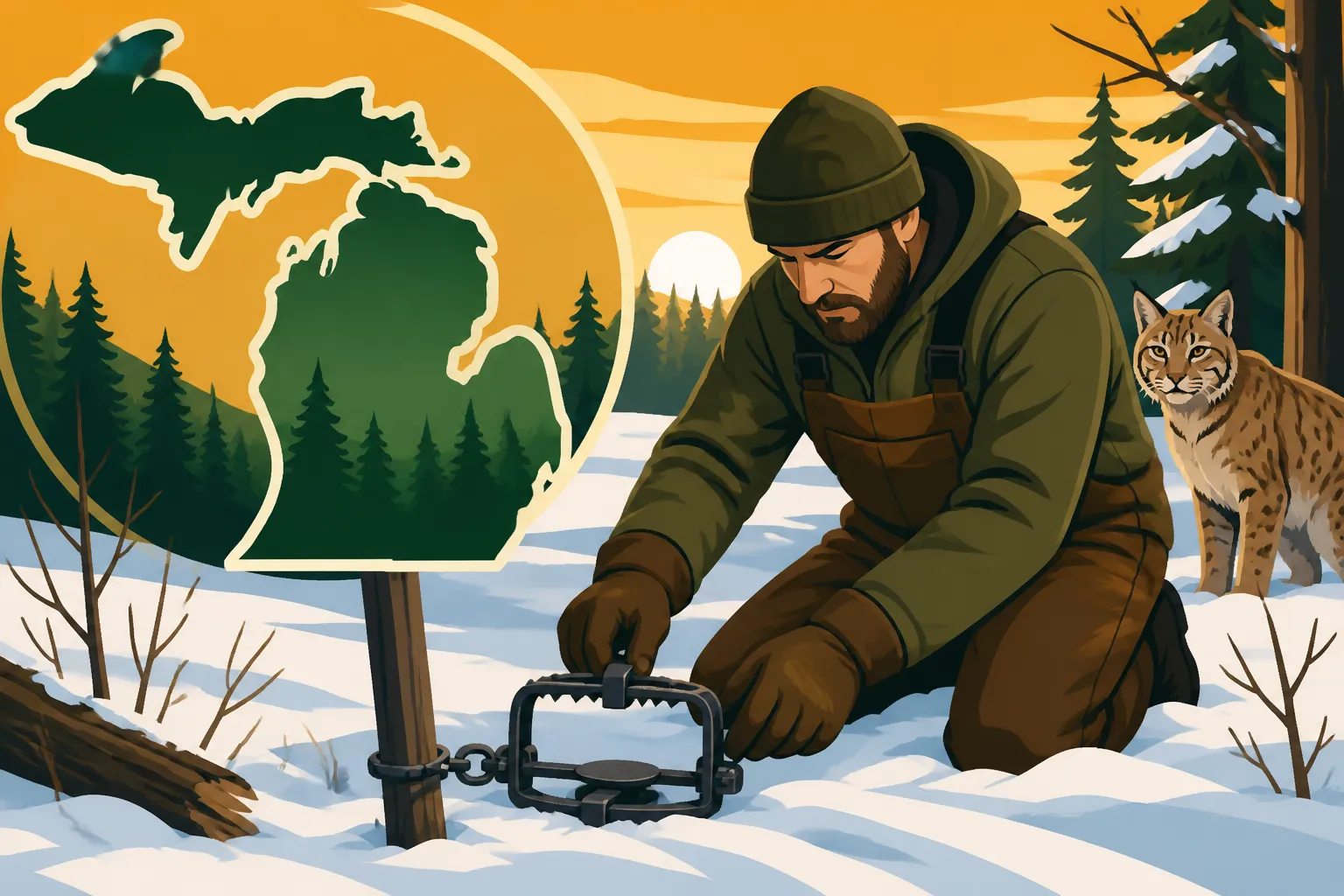
For dryland furbearers like coyotes, fox, and bobcats, snow creates unique challenges and opportunities. Dirt hole sets and flat sets, which are staples in warmer months, need modification. Traps must be meticulously bedded so they don't freeze solid, often using peat moss, waxed dirt, or a layer of anti-freeze crystals under the pan. Blind sets placed on well-used trails, under leaning logs, or at the entrance to culverts can be effective, especially for bobcats that prefer to travel through dense cover. Snares, when legally set, are also extremely efficient for canines and bobcats along travel corridors. Ensure all dryland sets are well-blended with the natural environment, using natural materials to cover the trap and blend your trap site into the snowy surroundings, reducing suspicion from wary animals.
Species-Specific Strategies for Key Critters
Each furbearer demands a tailored approach, combining an understanding of their natural instincts with a knowledge of their specific winter habits.
- Beaver: In winter, beavers are often under the ice, so targeting active lodges, channels, and fresh cuttings is key. Locate "push-ups" or air pockets under the ice where beavers are feeding. Submerged conibears or snare poles can be very effective here.
- Muskrat: Look for active muskrat huts or feed beds in marshes and slow-moving streams. Under-ice sets are common, often placed in runs leading to feeding areas or near their huts. Small foothold traps or 110 conibears work well.
- Coyote: Coyote Calling in Michigan Winter is a popular hunting method, but trapping for coyotes involves understanding their territoriality and travel patterns. Dirt hole and flat sets, heavily lured with urine and gland lures, placed along ridges, field edges, or pinch points are standard. Snow itself can be an advantage, making tracks easy to read and helping to blend trap sites. Consider using larger traps like #3 or #4 coilsprings or longsprings, robust enough for a coyote.
- Fox: Similar to coyotes, but red and gray fox are often found in areas with more mixed cover and agricultural edges. Smaller traps (#1.5 or #2 coilsprings) are generally preferred. Lures should be less intense than for coyotes. Blind sets along fence lines or brush piles are also productive.
- Bobcat: These stealthy predators are often the most prized catch in northern Michigan. They prefer heavy cover, particularly cedar swamps and dense regenerating clear-cuts. Trail sets using #2 or #3 coilsprings, often with a visual attractant like feathers or a piece of reflective material, are effective. Box sets or cubby sets, especially those mimicking a natural den or a protected feeding spot, can also entice a bobcat. A good bobcat trapper knows that patience and meticulous set construction, focusing on natural-looking trap sites, are rewarded. Hunters also pursue Bobcat Hunting in the Upper Peninsula with dogs, but trapping remains a primary method for fur harvesters.
Sustaining Your Trapline Through Winter's Demands
Running a trapline is not a set-it-and-forget-it endeavor. It's a daily commitment, often battling harsh weather, physical fatigue, and the need for constant vigilance. The rewards, however, are immense: the satisfaction of working with the land, the connection to nature, and the tangible results of your skill and persistence.
Daily Checks, Weather Adaptations, and Safety
Michigan law requires traps to be checked at least once every 24 hours. In northern Michigan, this can be a monumental task. Imagine waking before dawn, battling below-zero temperatures, and slogging through deep snow to check dozens of trap sites, often miles apart. You need to be prepared for anything Mother Nature throws at you. A sudden blizzard can bury your sets, making them invisible and inaccessible. Extreme cold can freeze your traps solid, rendering them useless, or making the ground too hard to properly bed a new set. Rain and freezing rain can quickly create a layer of ice over everything.
Adapting to these conditions means being flexible. You might need to change your trap checking schedule, even doing it twice a day if conditions are rapidly changing, though legally, once every 24 hours is the minimum. If a major snowstorm is forecast, you might pull certain dryland sets to avoid burying them or making them impossible to find. Always carry emergency supplies, including extra food, water, a first-aid kit, fire-starting materials, and communication devices, especially if you're alone in remote areas. Remember, your safety is paramount. No furbearer is worth taking unnecessary risks. Planning your route, letting someone know where you're going and when you expect to return, are all critical aspects of safe trapping.
Ethical Considerations and Responsible Trapping Practices
Beyond the legal requirements, ethical trapping is a deeply ingrained value among responsible fur harvesters. This means minimizing suffering for captured animals by using properly sized and maintained traps that are designed for humane capture and dispatch. Prompt dispatch of animals is crucial, and trappers are trained in quick, humane methods. It also means handling carcasses respectfully, ensuring nothing goes to waste, whether it's the fur or the meat (for edible species).
Responsible trapping extends to land stewardship. Always seek permission before trapping on private land, even if you’ve been given general permission in the past – a quick check-in is a sign of respect. On public land, follow all regulations regarding trap placement, setback distances from roads and trails, and avoid areas with high foot traffic to minimize interactions with non-target species or pets. This proactive approach helps to maintain a positive public image for trapping. Disposing of animal carcasses legally and respectfully is also part of the ethical code; knowing about Michigan Wildlife Disease Monitoring can also inform how you handle and dispose of certain animals to prevent spread of disease. Ultimately, ethical trapping is about upholding the highest standards of animal welfare, respecting the environment, and ensuring that this traditional practice continues responsibly into the future.
Northern Michigan Furbearer Quick Guide
| Furbearer Species | Typical Habitat | Recommended Trap Types | Key Set Types | Winter Considerations |
|---|---|---|---|---|
| Beaver | Rivers, lakes, ponds, swamps | 330 Conibear, Snares | Submerged channel sets, castor mound sets, lodge/dam sets | Ice thickness, water flow, push-ups under ice |
| Muskrat | Marshes, slow creeks, canals | 110/155 Conibear, Foothold #1.5 | Under-ice sets, feed bed sets, pocket sets | Ice thickness, active runs, baiting with vegetables |
| Coyote | Mixed forests, farm edges, clear-cuts | Foothold #3/4, Snares | Dirt holes, flat sets, scent posts, blind sets | Deep snow, freezing ground, wind-blown areas |
| Fox (Red/Gray) | Mixed forests, farm edges, brushy areas | Foothold #1.5/2, Snares | Dirt holes, flat sets, blind sets along trails | Snow covering sets, lighter lures |
| Bobcat | Dense cedar swamps, heavy timber, logging roads | Foothold #2/3, Cubby/Box Sets, Snares | Trail sets, cubby sets, visual attractants | Deep snow tracking, dense cover access |
| Mink | Stream banks, beaver runs, culverts | 110 Conibear, Foothold #1.5 | Blind sets, pocket sets, cubby sets | Ice along waterways, dense brush |
| Raccoon | Hardwood forests, farm fields, riparian areas | Foothold #1.5/2, Dog-proof traps | Dirt holes, cubby sets, culvert sets | Denning in severe cold, target early winter |
Disclaimer
The information provided in this guide is for educational and informational purposes only and does not constitute legal advice. Trapping regulations, seasons, and licensing requirements in Michigan are subject to change. Always consult the most current Michigan Department of Natural Resources (DNR) regulations and local ordinances before engaging in any trapping activities. It is your responsibility to understand and comply with all applicable laws.