How Michigan’s Archery Split Works
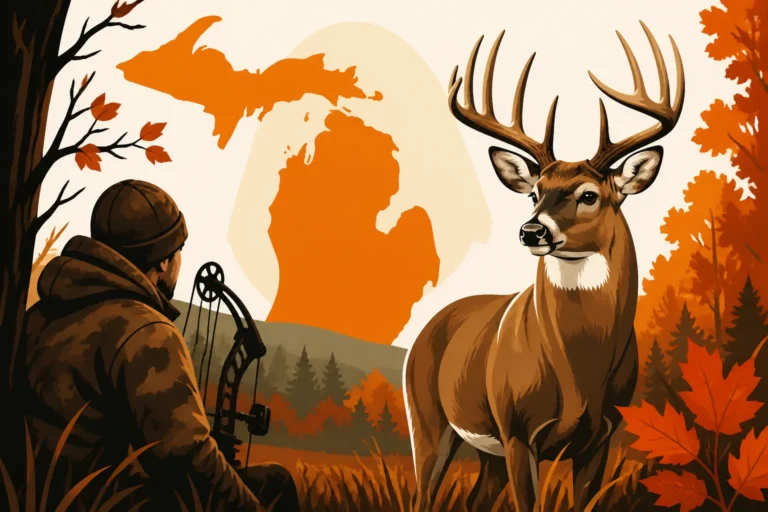
One common source of confusion for Michigan deer hunters, particularly those new to our state's unique regulations or archers coming from states with continuous seasons, is the "split" archery season. It can seem a bit disjointed, interrupting the flow of a typical bowhunting experience. This comprehensive guide is designed to demystify Michigan's split archery season, breaking down its structure, explaining the rationale behind it, and offering practical strategies for success during both segments.
Understanding Michigan's Split Archery Season Concept
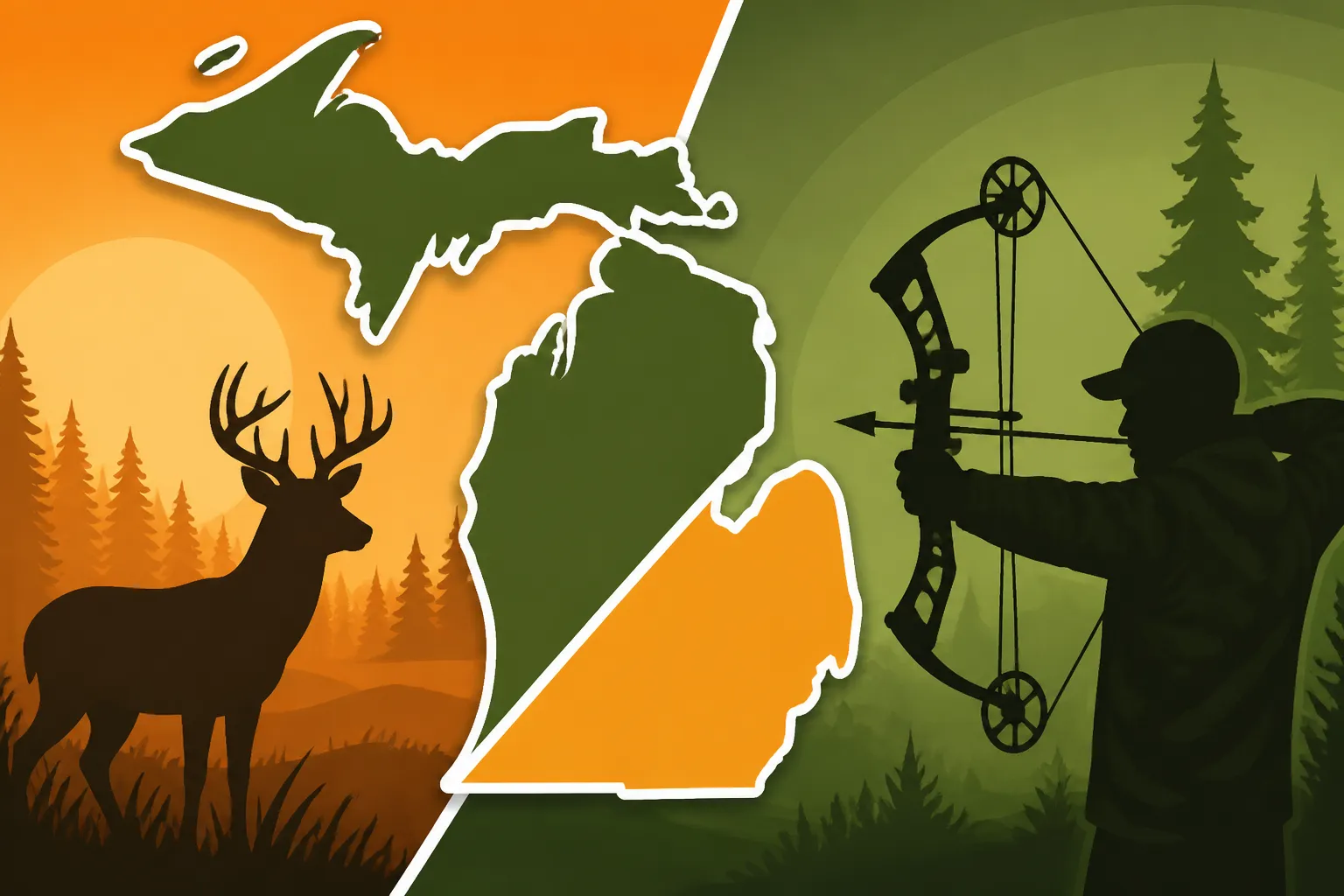
Michigan's archery deer season isn't a continuous stretch from October 1st through January 1st, like some might assume or prefer. Instead, it's deliberately divided into two distinct periods, separated by the much-anticipated statewide firearm deer season. This creates unique challenges and opportunities for bowhunters, forcing them to adapt their strategies to different deer behaviors and hunting pressures. It’s a system born from a balance of tradition, deer management goals, and hunter opportunity, but it certainly keeps us on our toes.
The Rationale Behind the Split
The primary reason for Michigan's split archery season is to accommodate the firearm deer season, which typically runs from November 15th to November 30th. This two-week period is a monumental event for hunters across the state, and allowing archery hunting concurrently, particularly with cross-zone rules for firearms, could create significant safety concerns and management complexities. By pausing the archery season, the Michigan Department of Natural Resources (DNR) simplifies the regulatory landscape during the most intense hunting period of the year. It also helps manage hunter crowding and ensures that the focus, for a short but critical time, is solely on firearm hunting. This structured approach aims to optimize the harvest across various methods while maintaining a semblance of order in the woods.
Key Dates to Remember
The Michigan archery deer season unfolds in two parts:
- First Segment: October 1st through November 14th
- Intermission: November 15th through November 30th (Statewide Firearm Season)
- Second Segment: December 1st through January 1st
These dates are etched into every serious Michigan deer hunter's mind, and understanding the nuances of each segment is crucial for maximizing your time afield. The shift from the relatively quiet early archery woods to the hustle and bustle of firearm season, then back to the often-snowy late archery woods, demands flexibility and a keen understanding of deer behavior under varying conditions. It's not just about different dates; it's about entirely different hunting scenarios. For a full breakdown of all the specific dates and licence options, you'll want to review the official Michigan Deer Seasons and Tags information.
The First Archery Segment: October 1 to November 14
The first segment of Michigan's archery season is, for many, the purest form of bowhunting. It's a time of crisp autumn mornings, changing leaves, and deer that are still relatively undisturbed by human pressure. This period covers everything from the early season patterns of bachelor groups and predictable feeding routines to the exciting build-up of the pre-rut, making it incredibly diverse in terms of hunting opportunities.
Early Season Deer Behavior and Habitat
When October 1st rolls around, deer are typically still in their summer-fall patterns, heavily focused on food sources. Early in the month, you'll often find bucks still in their bachelor groups, feeding consistently on agricultural fields like soybeans or alfalfa, or gorging on acorns in hardwood forests. White oaks, in particular, are absolute magnets when they drop. Does and fawns will also be out in force, often using established trails between bedding areas and food.
Hunters need to be keenly aware of these predictable patterns. Scouting becomes paramount, observing where deer enter and exit fields, finding those well-worn trails, and identifying preferred mast crops. The early season is often about intercepting deer during their routine movements. Temperatures can still be quite mild, even warm, meaning scent control is critical, and deer are often moving primarily during low-light hours. Using a good mapping tool like GoHunt can really help pinpoint these prime feeding and bedding areas on public land before you even step foot in the woods. This is also the time when understanding thermals, especially in the mornings and evenings as temperatures shift, becomes crucial for success, ensuring your scent doesn't betray you.
Pre-Rut Excitement and Activity
As the calendar progresses into late October and early November, a palpable shift occurs in the deer woods: the pre-rut begins. Bachelor groups start to break up, and bucks, fueled by rising testosterone, become more territorial and aggressive. This is when you start seeing more scrapes and rubs appearing with increasing frequency. Bucks are no longer just feeding; they're actively seeking does, even if the does aren't quite ready to breed yet.
This transition period offers some of the most thrilling bowhunting. Bucks, still somewhat predictable from their early season patterns, are now also venturing out more during daylight hours, expanding their cruising ranges, and responding to calling. Grunt tubes and rattling antlers can become effective tools as bucks are eager to assert dominance or check out perceived rivals. You might find a shooter buck checking a scrape line at midday, a sight rarely seen in early October. This is precisely why many hunters eagerly await Hunting the Pre-Rut in Late October, as it offers a fantastic window of opportunity before the intense pressure of the firearm season.
The Interruption: Firearm Season's Impact
The period from November 15th to November 30th completely changes the deer hunting landscape in Michigan. Archery equipment must be cased, and firearms take center stage. While you might not be bowhunting, this interruption is incredibly important for archers to understand, as it profoundly impacts deer behavior and sets the stage for the late archery segment.
Navigating the November Firearm Season
For many, the statewide firearm season is a time-honored tradition, a chance to gather with family and friends at deer camp. But for archers, it's a two-week period where deer quickly become educated and nocturnal. The sheer volume of hunters in the woods, the increased noise, and the constant movement push deer into thicker cover, often making them much more cautious. Legal shooting hours are packed with activity, and deer learn quickly to move under the cloak of darkness.
Hunters participating in the firearm season are required to wear hunter orange, a critical safety measure. Even if you're not hunting, if you're scouting or simply in the woods, it's wise to adhere to these safety guidelines. Deer drives become a common tactic on public lands, pushing deer out of their typical haunts. Understanding these dynamics is key, because the deer that survive this gauntlet are the ones you'll be pursuing come December 1st. Many of the tactics and experiences during this period are covered in detail in guides like Michigan's November Firearm Deer Season.
Preparing for the Late Archery Reopening
While you can't carry your bow during the firearm season, you can use this time for strategic observation and planning. Pay attention to where the pressure is heaviest. Note where deer might be escaping to – often overlooked pockets of thick cover, dense swamps, or private land sanctuaries adjacent to public hunting grounds. The deer's priority during firearm season is survival, and they will seek out the safest, most impenetrable cover they can find.
When the firearm season ends, these survival instincts don't just disappear. Deer will be wary, and their patterns will have shifted. This is an excellent time to update your GoHunt maps with notes on observed pressure points and potential new bedding areas. It's about thinking like a pressured deer. Where would you hide? Where would you feel safe enough to eventually move to food? This proactive preparation during the break can give you a significant advantage when the second archery segment reopens.
The Second Archery Segment: December 1 to January 1
Welcome to late archery season in Michigan – a period characterized by cold, often snow, and deer that are weary from weeks of hunting pressure. This segment demands a completely different approach than the early season. Gone are the days of the pre-rut frenzy; now, it's all about survival, food, and energy conservation for the deer.
Post-Rut Challenges and Changing Patterns
After the intense physical demands of the rut and the stress of firearm season, bucks are often depleted, having lost a significant amount of body weight. Their primary focus shifts from breeding to simply finding enough to eat to regain energy and survive the winter. Does, too, are focused on recovery and sustaining themselves. The consistent movements to scrapes and rubs are largely over.
Instead, deer patterns revolve almost entirely around readily available food sources and secure bedding cover. They become incredibly efficient, often moving only enough to feed and then returning to dense thermal cover, such as cedar swamps or thick conifer stands, to conserve energy. This makes them much harder to locate, and any slip-up in scent control or entry/exit routes can quickly send them packing. Hunting becomes a chess match against highly educated animals.
Identifying Late-Season Food Sources
Successful late-season archery hunting hinges on finding the most attractive and available food sources. Acorns, if any are left, will still be utilized, but often the preferred foods shift to agricultural crops. Standing cornfields are absolute magnets, offering both food and thermal cover. Brassicas, like turnips and radishes planted in food plots, become incredibly palatable after a hard frost, converting starches to sugars. Browsing on woody plants like dogwood, aspen shoots, and maples also becomes more important as other food dwindles.
Scouting for these specific food sources is paramount. Look for tracks and droppings in and around cornfields, food plots, and dense browse areas. Often, deer will hit these spots right at last light, making evening hunts particularly effective. Using your GoHunt app to locate potential standing crop fields, especially near dense cover, is a great tactic. Understanding Late-Season Food Sources for Whitetails is non-negotiable for success during this cold, challenging time.
Cold Weather Hunting Strategies
Hunting in December and early January in Michigan means dealing with the cold, and often, snow. Your gear, particularly your layering system, needs to be up to the task. Insulated boots, warm base layers, and an outer shell that can cut the wind are essential for enduring long sits. Think about packing hand warmers and even a small, insulated seat cushion.
Snow, while challenging, can also be a significant advantage. Fresh snow can blanket your scent and make deer incredibly visible. More importantly, it provides a canvas for tracking. You can identify exactly where deer are moving, what they're feeding on, and where they're bedding down. Still-hunting, slowly moving through the woods, can be highly effective after a fresh snow, allowing you to sneak up on deer focused on browsing. However, keeping your muzzleloader dry in wet snow can be a real challenge for those utilizing that specific season as well, so prepare accordingly. Cold Weather Sitting Strategy articles can provide even more specialized advice for staying comfortable and effective when temperatures plummet.
Strategic Considerations for Both Segments
To truly master Michigan's split archery season, you need a holistic approach, viewing both segments as interconnected parts of a larger strategy. It's not just about what to do during the hunt, but how to plan, prepare, and adapt throughout the entire fall and early winter.
Adapting Tactics to Each Period
The most critical strategic consideration is adaptability. What works on October 5th will likely not work on December 5th.
-
Early Season (Oct 1 – Nov 14): Focus on ambush points near predictable food sources and travel corridors. Be incredibly scent conscious, as deer are less agitated. Calls are less effective early on but become increasingly potent as the pre-rut kicks in. Use gentle grunts and doe bleats to draw in curious bucks. Entry and exit routes should be meticulously planned to avoid spooking deer in their relaxed state.
-
Late Season (Dec 1 – Jan 1): Shift your focus entirely to finding primary food sources and the thickest thermal cover. Deer are highly sensitive to pressure, so limit your movement and be prepared for longer, colder sits. Calls are generally less effective, though a soft doe bleat might still pique a buck's interest if he's seeking one last hot doe. Tracking in the snow becomes a primary tactic. Consider using ground blinds more often, as they can help with concealment and warmth, especially when sitting for extended periods in brutal conditions.
The Role of Technology in Modern Hunting
Modern technology has revolutionized hunting, and it's particularly valuable when navigating the complexities of Michigan's split season. Mapping applications are indispensable. GoHunt, for example, allows you to pinpoint public and private land boundaries, mark food sources, bedding areas, and historical deer sightings. You can use it to scout remotely, identify potential pinch points or funnels, and plan your entry and exit routes without disturbing the woods.
Trail cameras become crucial scouting tools. In the early season, they help confirm deer patterns on food. After firearm season, they can reveal if and when deer return to specific areas, helping you identify pockets of activity for the late archery segment. Weather apps are vital for predicting deer movement – pay attention to cold fronts and snow forecasts, which often trigger increased feeding activity. All these digital tools, when used effectively, can save you countless hours of unproductive hunting and significantly increase your chances of success across both segments of the season. Knowing Scouting Michigan Public Land Before Season with these tools can really give you an edge.
Licensing and Regulations for Bowhunters
Beyond the season dates, archers in Michigan need to be intimately familiar with specific licensing and regulatory requirements. A Michigan Base License is required for all hunting, and then you'll need a Deer License or a Deer Combo License. The Deer Combo License, which typically includes two kill tags (one for an antlered deer and one for any deer, or two any deer tags depending on the specific licence), is often the most cost-effective option for bowhunters planning to hunt both segments.
It's also critical to understand Antler Point Restrictions (APRs) in your specific Deer Management Unit (DMU), as these can vary significantly across the state. Some DMUs have mandatory APRs, while others do not. You must be able to properly identify a legal buck while in the field. Don't forget that crossbows are legal during both portions of the archery season, offering an option for hunters who prefer them or have physical limitations. Always double-check the latest Michigan Hunting and Trapping Digest, as regulations can sometimes change year to year.
Michigan Archery Season Segment Comparison
To help visualize the distinct characteristics of each segment, here's a comparative overview:
| Feature | First Archery Segment (Oct 1 – Nov 14) | Second Archery Segment (Dec 1 – Jan 1) |
|---|---|---|
| Typical Weather | Mild to cool, colorful fall, light frosts. | Cold, often snowy, potentially brutal winds, freezing temperatures. |
| Deer Behavior | Early: Predictable feeding patterns, bachelor groups. Pre-rut: Seeking, cruising, scrapes, rubs. | Post-rut recovery, focus on survival. Highly educated and nocturnal. |
| Key Food Sources | Acorns (white oak first), soft mast, agricultural fields (soybeans, alfalfa). | Standing corn, brassicas, heavy browse, leftover acorns. |
| Hunting Pressure | Low to moderate early, increasing with pre-rut. | Generally lower than firearm, but deer are still extremely wary from previous pressure. |
| Best Tactics | Ambush feeding routes, stand hunting over scrapes, calling during pre-rut. | Ambush pinch points between thick cover and primary food, tracking in snow. |
| Buck Movements | Consistent early, then wide-ranging cruising during pre-rut. | Limited, direct movements to and from preferred food and bedding. |
| Primary Goal | Intercept deer in established patterns, capitalize on pre-rut seeking. | Find the single best food source and hunt it diligently. |
This table highlights just how different these two periods are, reinforcing the need for distinct strategies and mindsets to be successful throughout Michigan's unique archery split season.
Disclaimer
Hunting is an inherently dangerous activity. Always prioritize safety, adhere to all local and state regulations, and ensure you have proper training and equipment. The information provided here is for educational purposes and should not replace official Michigan Department of Natural Resources regulations or certified hunter safety courses.