Michigan Junior and Senior Licences
Navigating Michigan's hunting license system can sometimes feel like trying to track a mature buck through a tangled cedar swamp – confusing, challenging, and easy to get lost if you don't know the lay of the land. This is especially true when it comes to understanding the specific options and requirements for our youngest and most seasoned hunters. This guide aims to clear up the fog around Michigan's junior and senior hunting licenses, making it easier for families to get out into the woods together.
Understanding Michigan's Commitment to Youth Hunters
Michigan has a deeply rooted tradition of hunting, and a big part of keeping that tradition alive is making sure the next generation has safe, accessible, and affordable ways to learn and participate. The DNR has put programs in place to encourage this, recognizing that getting kids outdoors is vital for the future of conservation and for building strong family bonds.
The Mentored Youth Hunting Program
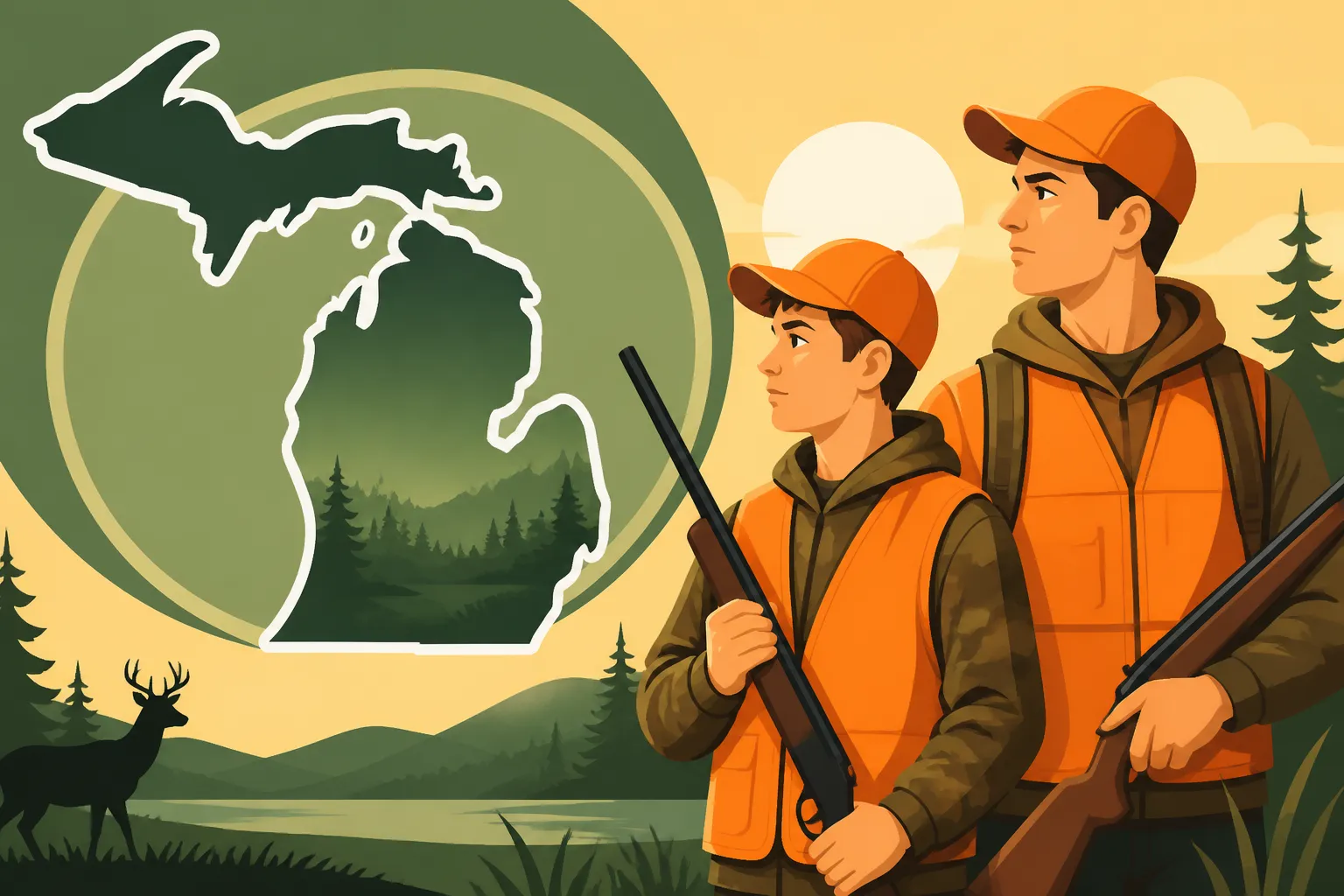
For many young aspiring hunters, the journey begins with Michigan's fantastic Mentored Youth Hunting Program. It's designed specifically for kids under the age of 17 who want to experience hunting without the immediate pressure of taking a hunter safety course or buying a full suite of licenses. It's a wonderful gateway into the outdoors, allowing them to participate under the direct supervision of an experienced, licensed adult.
The beauty of this program is its simplicity and emphasis on safety. A mentor, who must be at least 21 years old and hold a valid Michigan hunting license, can take a mentored youth out for nearly all hunting seasons, from deer to small game, and even waterfowl, as long as the mentor possesses the required stamps for the youth to legally hunt those species. The mentored youth doesn't need a separate license, only a free base license which is part of The Michigan Mentored Youth Licence Package. This means no separate deer tag, turkey license, or waterfowl stamp for the kid – it's all covered under the mentor's valid licenses. This structure is perfect for those first few seasons, allowing the focus to be entirely on learning safe gun handling, ethical hunting practices, and the pure joy of being in nature, rather than stressing over regulations. It's a low-barrier entry point that has brought countless new hunters into the fold, and it addresses the common frustration parents might have about getting their kids involved without a huge upfront commitment.
Junior Base and Deer Licences
Once a young hunter gains confidence, perhaps after a few seasons in the mentored program, or if they're a bit older when they start, they'll transition to needing their own licenses. Michigan offers specific junior license options that are both comprehensive and more affordable than adult versions. These licenses are generally available for those aged 10-16.
The core of a junior hunter's license package typically includes a junior base license and specific game licenses, like a junior deer license. The base license is always the starting point, covering small game and providing eligibility for purchasing additional game-specific licenses. Michigan Junior Licence Prices are designed to be budget-friendly, reflecting the state's commitment to youth participation. For instance, a junior deer license allows a young hunter to harvest one antlered deer, aligning them with the general deer hunting regulations in their chosen DMU. If they want to hunt antlerless deer, they'd still need to apply for or purchase an antlerless deer license, just like an adult, provided they meet all other requirements like possessing a hunter safety certificate. This transition from the mentored program to holding their own licenses is a significant step, fostering independence and a deeper understanding of personal responsibility in hunting. It prepares them for a lifetime of ethical hunting and appreciation for wildlife management.
Navigating Senior Hunting Privileges and Requirements
Just as Michigan makes it easier for new, young hunters to get started, the state also recognizes the lifetime of contributions from its senior hunting population. These folks have often hunted for decades, passing down traditions and supporting conservation through their license purchases. To honor this, Michigan provides special considerations and reduced pricing for its senior residents, acknowledging that while the passion for hunting may never fade, the resources and physical capabilities might change over time.
Eligibility for Senior Licences
The threshold for what qualifies someone as a "senior" for hunting license purposes in Michigan is straightforward: you generally need to be 65 years of age or older. This age requirement is consistent across most license types, ensuring that once you hit that milestone, you can access the benefits. The primary requirement, beyond age, is residency. Michigan's senior license discounts are specifically for residents who have made Michigan their home, reflecting the idea that these are the folks who have invested in the state's wildlife and wild places over many years. Non-residents, regardless of age, will typically pay the standard non-resident rates, though they are still welcome to hunt here.
This recognition for senior hunters is more than just a discount; it's a nod to their enduring connection to the outdoors. It validates the commitment many have made over decades, often through thick and thin, cold and rain, passing on their knowledge to younger generations. It removes some of the financial burden that could otherwise prevent someone from continuing a cherished annual tradition, helping to ensure they can stay active in the woods as long as they are able.
Senior Deer and Small Game Licences
Michigan's senior license options cover a wide array of hunting opportunities, making it affordable for older hunters to continue pursuing their passions. The most popular options include the senior base license, senior deer license, and senior combo deer license, all at significantly reduced rates compared to what an adult under 65 would pay. For example, the senior base license covers small game and allows for the purchase of additional tags, much like the standard Michigan Resident Base Licence Cost, but at a fraction of the price.
A senior deer license, whether it's an antlered-only tag or part of a combo that includes an antlerless option, offers substantial savings. This is a huge benefit for those on fixed incomes or simply appreciating the gesture after years of purchasing full-price licenses. These licenses enable senior hunters to participate in the general archery, firearm, and muzzleloader deer seasons, allowing them to enjoy Michigan's November Firearm Deer Season or a crisp Muzzleloader Deer Hunting in Michigan experience without breaking the bank. The reduced cost truly helps to offset other hunting expenses, which can accumulate rapidly, from fuel for the truck to new gear. It acknowledges the dedication these hunters have shown and encourages them to remain active participants in Michigan's rich hunting culture.
The Practicalities of Obtaining Your License
Once you know which license you need, the next step is actually getting your hands on it. Michigan has made great strides in offering convenient ways to purchase hunting licenses, striving to make the process as smooth as possible for everyone, including those who might not be tech-savvy or prefer traditional methods.
Online, In-Person, and App Purchases
Gone are the days when you absolutely had to trek to a physical store to get your hunting license. Today, you have several user-friendly options. The Michigan DNR website is a robust platform where you can purchase most licenses from the comfort of your home. This is particularly convenient for busy families or seniors who might prefer not to travel. The process is typically straightforward: create an account, select your licenses, and pay. You can then print your license at home or save it digitally to your phone. We've got a great guide if you want to dive deeper into Buying Michigan Licences Online.
Beyond the website, the Michigan DNR Hunt Fish App, often mentioned by services like GoHunt for its convenience, has become an invaluable tool. It allows hunters to purchase licenses, report harvests, and even view regulations right from their smartphone. It’s incredibly handy when you're already in the field or just remembered you needed to renew. For those who still prefer a more personal touch or need assistance, authorized license retailers across the state, such as bait shops, sporting goods stores, and many convenient stores, are always an option. These vendors often have knowledgeable staff who can help navigate the choices and print your physical license on the spot. This multi-channel approach ensures that whether you're a tech-loving youth or a senior who prefers a face-to-face transaction, getting your Michigan hunting license is accessible.
Required Documentation and Information
No matter how you choose to purchase your license, you'll need to have certain information and documentation ready. This ensures that the right license is issued to the right person and that all state and federal regulations are met. The most fundamental piece of information is proof of identity and residency, usually a Michigan driver's license or state ID. For youth hunters transitioning out of the mentored program, having their Michigan Hunter Safety Requirement certificate number is crucial, as this is a mandatory step before purchasing most licenses for those born after January 1, 1960.
You'll also need your customer ID from the DNR's license system. If you've ever bought a license, entered a drawing, or registered a harvest, you'll have one. If not, the system will generate one for you during your first purchase. It's a good idea to keep this number handy, especially if you're using a planning tool like GoHunt to manage your hunting strategy, as it often integrates with state licensing systems. For specific draw-based licenses like bear or elk, you’ll also need to be aware of application deadlines and preference point accumulation. While it might seem like a bit of paperwork, having everything prepared streamlines the process significantly, letting you get back to planning your next adventure in the Michigan woods faster.
Additional Considerations for Junior and Senior Hunters
While the primary focus is often on the license itself, there are other important aspects for junior and senior hunters to consider that enhance their experience and ensure they stay within the bounds of Michigan's hunting laws. These include essential safety training and understanding how special opportunities can benefit different age groups.
Hunter Safety Education for All Ages
For any hunter born after January 1, 1960, completing a hunter safety education course is a non-negotiable requirement before purchasing their first Michigan hunting license, with the exception of those participating in the Mentored Youth Hunting Program. This course isn't just a hurdle to jump; it's a foundational experience that teaches firearm safety, ethical hunting practices, wildlife identification, and conservation principles. For junior hunters, it’s an empowering step that demonstrates their commitment and readiness to become responsible members of the hunting community.
Michigan offers various ways to complete this crucial training. Traditional classroom courses provide hands-on experience and direct interaction with certified instructors, which can be particularly beneficial for younger students. However, for those with busy schedules or limited access to in-person classes, online options have become increasingly popular. You can find detailed information about Taking Michigan Hunter Safety Online, which often involves an online component followed by a field day to demonstrate practical skills. While the course is mandatory for many, it's highly recommended for all hunters, including seniors who might be returning to hunting after a long break, as a refresher on modern safety practices and regulations. It’s an investment in safety that pays dividends for a lifetime in the woods.
Special Opportunities and Regulations
Michigan offers several hunting opportunities that are particularly well-suited for junior hunters, designed to provide a less crowded, more focused experience. The Liberty Hunt, for example, is a special firearm deer season held for youth (16 years and younger) and hunters with disabilities, typically occurring in September. This provides a fantastic chance for young hunters to experience deer hunting during a milder time of year and often with less hunting pressure. If you're planning on Hunting the Liberty Hunt With a Youth, understanding the specific rules for that weekend is key. Similarly, The Early Antlerless Firearm Weekend provides another opportunity for youth to fill antlerless tags before the main firearm season kicks off, again, reducing competition and focusing on a quality experience.
For both junior and senior hunters, it's always important to stay current with Michigan's ever-evolving regulations. While general license requirements are fairly stable, specific season dates, bag limits, and antler point restrictions can change annually. Consulting the current Michigan Hunting Digest and services like GoHunt or the DNR’s official website, which are regularly updated, is essential. And remember, once you've successfully harvested game, adhering to Reporting a Michigan Harvest in 72 Hours is a mandatory step for everyone, regardless of age, ensuring the DNR has accurate data for wildlife management. These additional layers of planning and compliance are part and parcel of being a responsible Michigan hunter.
Planning Your Hunt with Junior and Senior Hunters
Whether you're introducing a grandchild to the thrill of the chase or finding ways for an aging parent to continue their beloved tradition, planning is paramount. Tailoring the hunting experience to the specific needs and abilities of junior and senior hunters ensures a positive, safe, and memorable outing for everyone involved.
Mentoring Younger Generations
Hunting with youth is less about filling a tag and more about filling a lifetime of memories and teaching invaluable lessons. When planning a hunt with a junior hunter, consider starting with something less intense, like small game hunting, which offers more action and teaches foundational skills like stalking and shooting. If deer hunting, prioritize comfort and warmth. A strategically placed ground blind, rather than a tree stand, can be less intimidating and offer more room for movement and conversation. Take frequent breaks, bring plenty of snacks, and be ready to adapt to their attention span.
It’s also crucial to involve them in the entire process, from pre-season scouting to identifying good areas. Tools like the Michigan DNR Mi-HUNT map can be incredibly helpful for Scouting Michigan Public Land Before Season together, teaching them how to read terrain and find sign. When they are engaged in the preparation, they appreciate the actual hunt even more. Remember, the goal is to cultivate a love for the outdoors and the hunting tradition, not to force a harvest. Patience, positive reinforcement, and making it fun are the keys to successful mentorship.
Adapting for Senior Hunters
Hunting into your golden years is a testament to dedication, but it often requires smart adaptations. Physical demands that were once easy can become challenging. For senior hunters, comfort and accessibility become paramount. Consider Using a Ground Blind on Michigan State Land as a primary setup; they are warmer, more comfortable, and eliminate the risks associated with climbing into a tree stand. Look for hunting spots that minimize long walks or difficult terrain. Many state game areas and accessible public lands have improved access points that can be utilized.
Gear choices can also make a significant difference. Lighter firearms, comfortable seating, and even electric carts (where permitted) can extend the time a senior hunter can comfortably spend in the field. Warm, layered clothing and portable heaters in a blind can combat the cold that becomes more penetrating with age. The focus shifts from endurance to strategy and comfort. Services like GoHunt can help identify accessible public lands with good deer populations, allowing senior hunters to continue enjoying the sport they love, perhaps just in a slightly different, more comfortable way. It's about finding smart ways to stay in the game, appreciating every moment spent in Michigan's wild places.
| License Type | Target Age Group | Key Features | Approximate Resident Cost (2024)* | Hunter Safety Required (if born after 1/1/1960) |
|---|---|---|---|---|
| Mentored Youth Base License | Under 17 | Free license; youth hunts under direct supervision of a licensed adult (age 21+). | FREE | No (mentor must be licensed) |
| Junior Base License | 10-16 | Required for small game, and to purchase additional junior licenses. | ~$6.00 | Yes |
| Junior Deer License | 10-16 | Allows harvest of one antlered deer (or specific antlerless if applicable). | ~$20.00 | Yes |
| Senior Base License | 65+ | Required for small game, and to purchase additional senior licenses. | ~$6.00 | Yes (if applicable, or exempted by age) |
| Senior Deer License | 65+ | Allows harvest of one antlered deer (or specific antlerless if applicable). | ~$20.00 | Yes (if applicable, or exempted by age) |
| Senior Deer Combo License | 65+ | Includes two deer tags (usually one antlered, one antlerless). | ~$26.00 | Yes (if applicable, or exempted by age) |
*Prices are subject to change; always check the current Michigan DNR Hunting and Trapping Digest.
Disclaimer
The information provided in this guide is for general informational purposes only and is not a substitute for the official Michigan Department of Natural Resources (DNR) hunting and trapping regulations. Hunters are responsible for understanding and complying with all current state and federal laws. Always consult the most recent Michigan Hunting and Trapping Digest, available on the Michigan DNR website, before participating in any hunting activity.