Baraga and Iron County Public Land
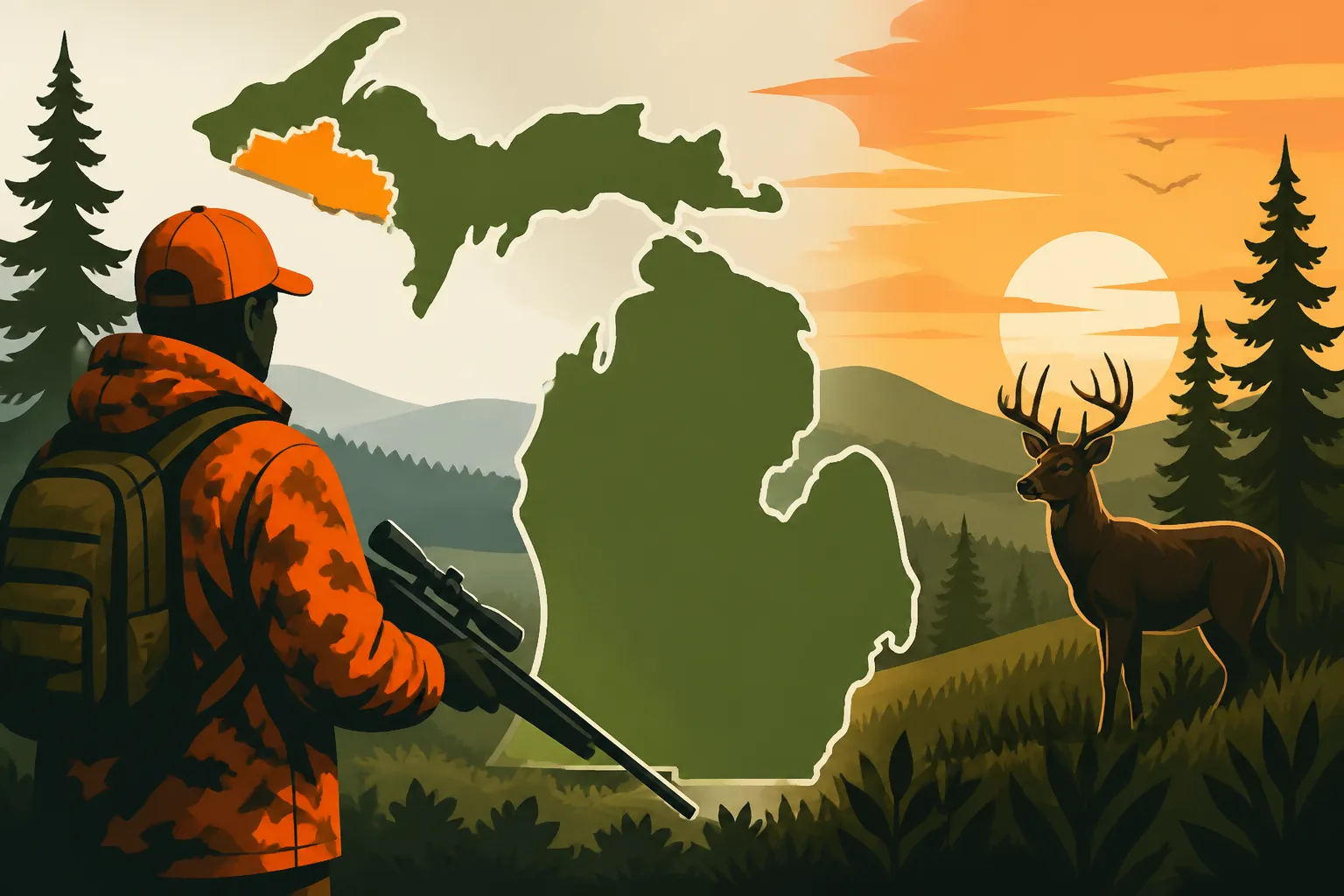
If you've ever gazed at a map of Michigan's Upper Peninsula, your eyes might have been drawn to the expansive green swaths of Baraga and Iron Counties. These aren't just names on a map; they represent some of the most vast and wildest public lands in our state, offering incredible, albeit challenging, hunting opportunities. For many of us, the sheer scale can feel intimidating, making it hard to know where to even begin. This guide is dedicated to demystifying hunting these magnificent, sprawling public lands, helping you understand their unique characteristics, and equipping you with the knowledge to pursue deer, bear, grouse, and more in a truly wild setting.
Understanding the Landscape of Baraga and Iron Counties
Baraga and Iron Counties, nestled in the heart of Michigan's western Upper Peninsula, are synonymous with "big woods." Unlike the smaller, fragmented parcels of public land found in some parts of the Lower Peninsula, these counties boast immense tracts of unbroken forest, state game areas, and federal forest lands. This vastness presents both incredible opportunity and unique challenges, demanding a different approach from hunters used to more accessible or managed landscapes. The sheer acreage can feel overwhelming, but with a bit of understanding about the lay of the land, you can start to break it down into manageable, huntable sections.
The Vastness of the Big Woods
When we talk about the "big woods" in Baraga and Iron Counties, we're really talking about a significant portion of the Michigan State Forest Hunting system, alongside parts of the Ottawa National Forest. Imagine hundreds of thousands of acres where logging roads might be your only access point, and walking a mile or two from the vehicle barely scratches the surface. This isn't your typical state game area where you can expect to hear other hunters every few hundred yards. Here, solitude is often a given, which is a blessing for those seeking a truly immersive experience, but it also means you need to be self-reliant and prepared for extended periods away from easily accessible services. The terrain can be rugged, with significant elevation changes, thick cedar swamps, and rocky ridges, all covered in a dense mix of hardwoods, conifers, and regenerating clearcuts. This is the kind of country where a good map and compass, or a reliable GPS app, are not just helpful, they're absolutely essential.
Key Habitat Types for Game
The diverse landscape of Baraga and Iron Counties supports a variety of game species, each favoring specific habitat types. Understanding these will be key to your scouting and hunting success. You'll find extensive tracts of mature northern hardwoods—maple, beech, and yellow birch—often on higher ground, offering mast crops for deer, bear, and squirrels. Interspersed throughout are significant stands of conifers, particularly cedar swamps and spruce thickets, which are critical for deer wintering areas, especially when heavy snow blankets the region. These dense evergreen stands provide thermal cover and some browse when other food sources are buried deep. Upper Peninsula Deer Yarding and Winter Movement are highly influenced by these habitat types.
Regenerating aspen and other clearcuts, often the result of commercial timber operations, are absolutely golden for grouse, woodcock, and young deer. These areas provide dense cover, abundant browse, and insect life that supports a thriving ecosystem. Furthermore, river systems like the Sturgeon River, Paint River, and Michigamme River create riparian corridors with their own unique blends of vegetation, often attracting deer, bear, and various waterfowl. Lake edges and wetland areas also provide crucial habitat for a host of wildlife, from waterfowl to furbearers. Each habitat type offers a different set of challenges and rewards for the diligent hunter, and learning to read them will unlock many opportunities.
Navigating Public Ownership
One of the biggest hurdles for hunters new to these expansive public lands is understanding who owns what. While a vast amount is indeed public, it's not always a single, contiguous block. You'll encounter state forests, federal national forests, and sometimes even parcels of Commercial Forest Act (CFA) land, all of which are open to public hunting. However, there can also be interspersed private holdings, especially around old mining towns, along major roads, or near lakeshores. This patchwork can be tricky to navigate without the right tools.
Mapping applications like onX Hunt are virtually indispensable here. They offer detailed property line overlays that allow you to distinguish public from private land instantly, even deep in the woods where traditional landmarks are scarce. Without such a tool, you risk inadvertently trespassing or missing out on prime public ground because you weren't sure of its status. Always download offline maps before you head out, as cell service can be spotty or nonexistent in many of these remote areas. Taking the time to study these maps thoroughly before your trip, identifying access points, potential pinch points, and large blocks of public ground, will give you a significant advantage and prevent frustration once you're on the ground.
Targeting Whitetails in the Western Upper Peninsula
Hunting whitetails in Baraga and Iron Counties is a quintessential big woods experience. It’s not about hunting over food plots or established bait sites (which are prohibited in most of the U.P. anyway), but rather about understanding deer movement in a vast, wild landscape. These deer are often pressured only lightly, but they are also exceptionally wary, relying on their senses and the dense cover to survive. The rewards, however, can be substantial, as these areas can produce mature bucks that have rarely encountered human scent or sound.
Strategies for Deer in Remote Timber
When you're hunting deer in the sprawling timber of the U.P., your strategy needs to shift from finding specific food sources to understanding travel corridors and cover. Deer here move differently than in agricultural areas. They might feed on browse, acorns (when available), or regeneration in clearcuts, but their primary concern is security. Look for subtle terrain features that create natural funnels: saddles between ridges, narrow strips of timber connecting larger blocks of cover, or the edges of dense cedar swamps. These are places where deer are most likely to travel from bedding to feeding areas or simply move through their home range.
Still-hunting is a highly effective tactic in these big woods. Moving slowly and deliberately, observing more than you move, allows you to cover ground while staying alert. Pay attention to the wind, as scent control is paramount. Another excellent approach is to find unpressured pockets of public land, often miles from the nearest road or two-track. Finding Ground Others Walk Past is crucial. This means being willing to put in the effort to hike deep, or even use mountain bikes for extended access on old logging trails. Setting up portable stands or ground blinds in these remote spots, especially near fresh sign, can be incredibly productive, but remember to adhere to Treestand Rules on Michigan Public Land.
Reading Sign and Movement Patterns
Reading deer sign in the big woods requires a keen eye and an understanding of the environment. Unlike the obvious scrape lines and rubs you might find in farm country, sign in dense timber can be more subtle. Look for heavily used deer trails that crisscross through thickets or follow ridge lines. Pay attention to fresh droppings, which indicate recent activity. Rubs might not be massive, but small ones on saplings can indicate a buck passing through.
More importantly, learn to interpret how deer use the different habitat types. During severe winters, deer will yard up in the thickest cedar swamps, and understanding Upper Peninsula Deer Yarding and Winter Movement is vital. In the fall, they might spend more time in hardwood ridges when acorns are dropping. After a fresh snowfall, tracking becomes a powerful tool, allowing you to follow deer movements directly. Look for tracks leading into and out of bedding areas, or patterns that suggest a buck is cruising for does during the rut. Scouting these areas extensively before the season, even without a weapon, will dramatically increase your chances of success. Mapping apps can help mark potential bedding areas, feeding zones, and travel corridors for later reference.
The Impact of Winter and Logging
The harsh U.P. winters, with their deep snow and prolonged cold, have a significant impact on the deer herd in Baraga and Iron Counties. Severe winters can lead to higher fawn mortality and can put a strain on adult deer. Understanding the Winter Severity Index and What It Means can give you an idea of how the herd might be faring in a given year. This natural culling means that the deer that survive are generally robust and resilient.
Logging operations are also a critical factor in deer habitat. While they might temporarily disrupt an area, clearcuts and select cuts create new growth and edge habitat that are hugely beneficial for deer in the long run. The dense regeneration provides excellent browse and cover. Identifying recent logging operations can be a goldmine for hunting, as deer will often gravitate to these areas for food and security. Old logging roads, even if overgrown, can also serve as fantastic access routes into otherwise impenetrable areas, and knowing the ORV Rules on Michigan State Forest Roads is important if you plan to use them. Keep an eye on timber sale maps from the DNR or National Forest Service, as these can point you to upcoming or recent cuts that will attract deer.
Beyond Deer: Other Game Species and Tactics
While whitetails often dominate the conversation, Baraga and Iron Counties offer fantastic opportunities for a diverse range of other game species. From big game like black bear to small game like grouse and snowshoe hares, these vast public lands truly cater to the all-around hunter. Diversifying your pursuits not only expands your season but also deepens your understanding of the local ecosystems.
Bear, Grouse, and Other Opportunities
Baraga and Iron Counties are prime Michigan Black Bear Hunting country. Bears are present throughout the big woods, often frequenting areas with abundant berry crops, acorn-producing oaks, and regenerating clearcuts where they can find insects and other forage. Many hunters pursue bear with bait, which is a legal and effective method in these units. However, spot-and-stalk or still-hunting bears, while incredibly challenging, offers a truly wild experience. Focus on areas with high concentrations of natural food sources, thick cover, and near water. Be aware that drawing a bear tag in the U.P. often requires several Michigan Bear Preference Points, so apply diligently.
For upland bird enthusiasts, these counties are a dream come true for Grouse and Woodcock Hunting in Michigan. The mosaic of regenerating aspen stands, alder runs along stream bottoms, and mixed conifer-hardwood forests provides ideal habitat. Ruffed grouse thrive in younger aspen cuts (typically 8-20 years old), while woodcock prefer wetter, dense alder thickets. A good bird dog is a huge asset here, but skilled hunters can flush birds by walking strategically through prime cover. Late September and October, when the leaves are changing and before heavy snows, offer some of the most beautiful and productive upland hunting experiences. Look for Grouse Hunting Michigan Aspen Cover and Woodcock Hunting Michigan Alder Runs in your scouting.
Accessing Waterfowl and Small Game Hotspots
While not typically thought of as primary waterfowl destinations like the Great Lakes shorelines, Baraga and Iron Counties do offer localized opportunities for ducks and geese, particularly along the larger rivers and smaller inland lakes. Jump shooting small rivers and beaver ponds can be surprisingly productive for wood ducks and mallards. Look for secluded stretches of water that are less accessible, often requiring a bit of a hike or a canoe/kayak portage. Identifying these hidden gems often comes down to extensive map study and on-the-ground scouting.
Small game hunting also shines here. Snowshoe hares are abundant in the thick conifer swamps, particularly after a snowfall, when their tracks are easy to spot. Running Beagles on Michigan Snowshoe Hares is a popular and effective method. Squirrels, especially gray squirrels, are plentiful in the mature hardwood forests, particularly during years of good mast crops. Hunting squirrels in Michigan hardwoods can be a great way to hone your still-hunting skills and enjoy a relaxed day in the woods, especially during the early archery season. Finding a stand of oaks or beech with fresh nut cuttings can lead to quick action.
Essential Gear and Scouting for Success
Hunting the vast public lands of Baraga and Iron Counties isn't just about knowing where to go; it's also about being properly equipped and prepared. The remote nature of these areas means you often have to be self-sufficient, and the weather can be unpredictable. Thinking through your gear and scouting strategy beforehand can make all the difference between a successful, enjoyable hunt and a miserable, or even dangerous, one.
Must-Have Gear for U.P. Public Land
Given the rugged terrain and potential for deep penetration into remote areas, your gear choices are critical. First and foremost, a reliable navigation system is non-negotiable. Whether it's a dedicated GPS unit or a mapping app like onX Hunt on your phone (with downloaded offline maps and a portable charger!), you need to know where you are and how to get back. GPS Units Versus Phone Apps are both viable, but redundancy is always wise.
Footwear is another absolute priority. You'll be covering many miles, often through wet, uneven, or snowy ground. High-quality, waterproof boots that offer excellent ankle support are essential. Consider boots specifically designed for Boots for Michigan Swamps and Snow, as you’ll likely encounter both. Layered clothing is also key, allowing you to adapt to changing temperatures throughout the day. A good base layer, insulating mid-layers, and a waterproof/windproof outer shell will keep you comfortable. Given the possibility of Cold Weather Sitting Strategy, hand warmers and an insulated seat pad can be lifesavers. Don't forget a sturdy pack to carry your essentials, including water, snacks, a first-aid kit, a headlamp, and game processing tools. A deer drag or sled can be invaluable if you're fortunate enough to harvest a deer deep in the woods, especially when Getting a Deer Out of a Michigan Cedar Swamp or deep snow.
| Game Species | Preferred Habitat (Baraga & Iron) | Key Hunting Considerations |
|---|---|---|
| White-tailed Deer | Mature hardwoods, cedar swamps, clearcuts | Focus on funnels, still-hunting, remote areas. Understanding winter yarding and logging impact. |
| Black Bear | Berry patches, oak ridges, dense conifer | Baiting (where legal) or spot-and-stalk/still-hunting. Identify natural food sources and thick cover. |
| Ruffed Grouse | Regenerating aspen cuts (8-20 years old) | Walk logging roads, old two-tracks, and dense aspen stands. Best with a dog, but can be walked up. |
| American Woodcock | Wet alder runs, stream bottoms | Hunt moist, dense cover, especially during migration flights. Focus on areas with good soil for probing. |
| Snowshoe Hare | Thick cedar swamps, conifer stands | Best after snow for tracking. Use beagles or still-hunt dense cover. |
| Gray Squirrel | Mature hardwood forests (oak, beech, maple) | Still-hunt quietly, focus on mast-producing trees. Early archery season is a great time to hunt them. |
Pre-Season Scouting and In-Season Adaptations
Scouting in Baraga and Iron Counties should begin long before the season opens, ideally with mapping apps like GoHunt or onX Hunt from the comfort of your home. Identify large blocks of public land, recent clearcuts, dense swamps, and potential travel corridors. Look for areas with limited road access, as these often see less pressure. Use satellite imagery to spot subtle features like ridges, drainages, or benches that might concentrate game. Scouting Michigan Public Land Before Season is not just helpful, it's a necessity in this vast environment.
Once you're on the ground, whether pre-season or in-season, be prepared to adapt. The woods change constantly due to weather, logging, and other factors. If your initial spot isn't producing, don't be afraid to move. Walk old logging roads, check edges of swamps, or explore new clearcuts. Always pay attention to fresh sign and current conditions. If acorns are dropping heavily in one area, deer will be there. If a fresh snow has fallen, use it to your advantage for tracking. The most successful hunters here are those who are flexible and willing to put in the miles to find where the game is.
Safety and Preparedness in Remote Areas
The remoteness of Baraga and Iron Counties means that safety and preparedness are paramount. Cell service is unreliable, so don't count on it for emergencies. Always let someone know exactly where you're going and when you expect to return. Carry a whistle and learn how to use it for signaling. A well-stocked first-aid kit, fire-starting materials, and extra layers of clothing are not optional; they are critical. The weather can turn quickly in the U.P., and hypothermia is a real danger if you're not prepared.
If you are hunting with others, consider carrying two-way radios, especially if you plan on covering ground separately or conducting Deer Drives With Three or Four Hunters. These can be invaluable for communication where cell phones fail. Be mindful of potential hazards: deep swamps, rocky terrain, fallen timber, and the very real possibility of getting turned around in the dense woods. Carrying a portable water filter or purification tablets is also a good idea. Respect the wildness of these lands, and you'll find them incredibly rewarding.
Disclaimer
This article is for general informational purposes only and does not constitute professional advice. Laws, prices and regulations vary by location and change over time. Consult a qualified professional for guidance on your specific situation.