Camping on Michigan State Land
For many of us who love chasing game across Michigan's vast public lands, the thought of setting up a temporary home right near our hunting grounds is incredibly appealing. But let's be honest, figuring out exactly where you can pitch a tent or park an RV on state land without breaking any rules can feel like navigating a maze blindfolded. This guide is here to untangle that confusion, offering a clear, empathetic look at your camping options on Michigan state land, so you can focus on the hunt, not the rulebook.
Understanding Michigan's Camping Landscape
Michigan boasts an incredible amount of public land, a true gift for hunters and outdoor enthusiasts. However, not all public land is created equal when it comes to camping. It's crucial to understand the distinction between various land designations and their respective camping regulations. This isn't just about avoiding a fine; it's about respecting the land and ensuring a positive experience for everyone who uses it.
Dispersed Camping: The Call of the Wild
Dispersed camping, often called primitive or backcountry camping, is the ultimate freedom for those who want to truly get away from it all. This means pitching your tent or parking your camper outside of developed campgrounds, typically in state forests or federal lands. Imagine waking up to the sound of rustling leaves, stepping out of your tent, and already being in your hunting spot. That's the allure.
Generally, in Michigan's state forests, you can dispersed camp for free, but there are some critical guidelines to follow. You usually need to be a certain distance from designated campgrounds, paved roads, and water sources to minimize impact. This type of camping requires a higher degree of self-sufficiency since there are no restrooms, potable water, or trash services. Everything you bring in, you must pack out, including all waste. The beauty of dispersed camping is the solitude and the ability to choose a spot that perfectly suits your hunting strategy, allowing you to be right in the action for morning and evening hunts. For more details on the specific regulations, you might want to read up on Dispersed Camping on Michigan State Forest.
Designated Campgrounds: Comfort and Community
On the other end of the spectrum are Michigan's designated state forest campgrounds. These sites offer amenities like vault toilets, picnic tables, and sometimes even hand pumps for water. They're typically found near lakes, rivers, or scenic areas, and they provide a more structured camping experience. While you sacrifice some of the solitude of dispersed camping, you gain convenience and a sense of security, especially if you're bringing family along or prefer not to worry about every last detail of primitive living.
Many of these campgrounds are popular during peak seasons, so securing a spot, especially for larger groups or longer stays, can require reservations. There’s usually a nightly fee associated with these sites, which helps maintain the facilities. For hunters, these campgrounds can serve as an excellent base camp, offering a place to recharge and clean up after a long day in the woods. While you might not be right next to your hunting spot, the drive to a prime area is often short, and you have access to amenities that make camp life much easier. You can find a lot of useful information on specific locations and amenities by checking out Michigan State Forest Campgrounds.
Comparing the Options: Which is Right for You?
Choosing between dispersed and designated camping often comes down to your personal preferences, your hunting style, and what you prioritize in a camp experience. Are you a solo hunter who craves deep woods solitude and minimal fuss, or do you prefer the convenience of a picnic table and a nearby latrine?
| Feature | Dispersed Camping | Designated Campgrounds |
|---|---|---|
| Location | State forests, national forests, undeveloped areas | Established sites, often near water or scenic routes |
| Cost | Free (usually) | Nightly fees apply |
| Amenities | None (self-sufficient required) | Vault toilets, picnic tables, fire rings, sometimes water |
| Privacy/Solitude | High, if you choose your spot well | Moderate to low, especially during peak season |
| Accessibility | Can require driving on rough two-tracks/gravel roads | Generally accessible by paved or well-maintained gravel roads |
| Duration | Typically limited (e.g., 15 days in a 30-day period) | Set stay limits, often reservable for longer periods |
| Impact | Requires strict Leave No Trace practices | Managed facilities to contain impact |
If your hunting strategy involves early morning entries and late evening exits from your stand, minimizing travel time is key. Dispersed camping allows you to be as close as legally possible, often making the difference between an extra hour of sleep or an earlier start. Conversely, if you're coming with a group, an RV, or prefer to have a central hub with some comforts, a designated campground might be the more practical and enjoyable choice. Both offer unique benefits, and the "best" option is truly the one that aligns with your specific trip goals.
Rules of the Road: Navigating Camping Regulations
Understanding Michigan's camping regulations isn't just a suggestion; it's a necessity for responsible outdoor recreation. Ignoring these rules can lead to fines, damage to natural resources, and even the closure of public access. It's a small effort that makes a huge difference in preserving our wild spaces.
Permits, Fees, and Length of Stay
For dispersed camping in Michigan State Forests, a specific permit usually isn't required, which is a big part of its appeal. However, there are typically limits on how long you can stay in one spot. This might be something like 15 consecutive days within a 30-day period, ensuring that no single group monopolizes a prime location and allows the land to recover. It's always wise to check the Michigan Department of Natural Resources (DNR) website or local forest office for the most current rules, as regulations can sometimes vary by region or even specific forest units.
Designated campgrounds almost always require a fee, and often a Recreation Passport is needed for vehicle entry into state parks and certain state forest campgrounds. Fees vary, and reservations are often handled through the DNR's online system or a third-party booking service. These campgrounds also have strict stay limits, often around 14 consecutive days, to manage demand and maintain facilities. Knowing these limits beforehand is crucial for planning your hunting trip, especially if you intend to stay for an extended period during peak deer season.
Campsite Etiquette and Impact Minimization
Whether you're roughing it in the backcountry or enjoying a designated site, practicing "Leave No Trace" principles is paramount. This means packing out everything you pack in – and we mean everything. This includes food scraps, plastic, cans, and even toilet paper. For dispersed camping, proper human waste disposal involves digging a cathole at least 6-8 inches deep and 200 feet from water sources, trails, and campsites.
Fires are another consideration. In dispersed settings, only build fires in existing fire rings or in safe, cleared areas, ensuring they are completely out before you leave. Never cut live trees for firewood; use only dead and downed wood. Many designated campgrounds have fire rings provided. Also, be mindful of noise levels, especially if you're camping near others. Remember, many people are out there seeking peace and quiet, and as hunters, we want to maintain a low profile. Leaving your campsite cleaner than you found it is always the goal, setting a good example for others and ensuring these lands remain open and healthy for future generations.
Firewood, Waste, and Other Essentials
Bringing your own firewood from outside the area can be a real problem. Invasive species, like the emerald ash borer, can hitch a ride on firewood, devastating local tree populations. Michigan has strict regulations about moving firewood, so it’s always best to buy it locally at your destination, or collect dead and downed wood if permitted and you’re dispersed camping.
When it comes to waste, beyond packing out your trash, consider your water usage. If you're near a stream or lake, avoid washing dishes or bathing directly in the water. Use biodegradable soaps and carry water at least 200 feet away from the source for washing. For hunters, this also extends to proper disposal of game waste. While field dressing is common, understand rules about gut piles near campsites or high-traffic areas. Also, be aware of rules regarding items like Treestand Rules on Michigan Public Land or Trail Camera Rules on Michigan Public Land, as these often have specific placement requirements, even when setting up near a camp.
Finding Your Perfect Campsite
The success of your hunting camp, particularly on public land, often hinges on finding the right spot. It's not just about aesthetics; it's about accessibility, proximity to game, and adherence to regulations. This takes a bit of planning and the right tools.
Utilizing Digital Mapping Tools
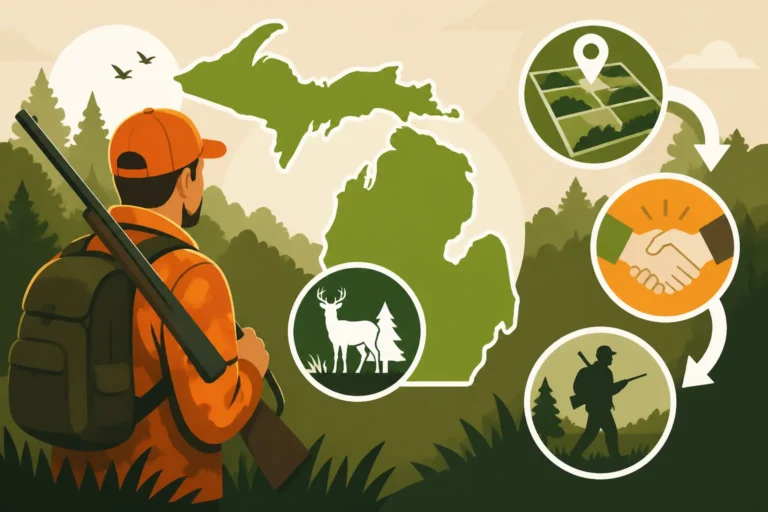
In today's world, digital mapping tools are invaluable for public land hunters and campers. Apps like onX Hunt and GoHunt have revolutionized the way we scout and navigate Michigan's vast state lands. These platforms offer detailed property line overlays, showing you exactly where state land begins and ends, which is crucial for identifying legal camping areas, especially for dispersed camping.
Beyond property lines, these apps often include topographical maps, satellite imagery, and even layers indicating forest roads, hiking trails, and potential water sources. This allows you to "e-scout" from your living room, identifying promising camping spots that are off the beaten path but still accessible. You can mark potential campsites, measure distances to your hunting areas, and plan your approach routes, all before you even load your truck. For instance, using the aerial imagery on onX Hunt can help you spot secluded clearings or mature timber stands that might be perfect for a quiet camp. Check out onX Layers for Michigan Land Status for more on how these tools can assist you.
Reading the Landscape: Terrain and Water Access
When you're physically on the ground, or even when studying maps, learning to "read" the landscape is a crucial skill for finding a good campsite. Look for flat, well-drained areas that are naturally clear of dense brush. Avoid low-lying depressions that might collect water during a rainstorm, and steer clear of unstable slopes. Tree cover can offer protection from wind and sun, but make sure to check for any dead branches (widowmakers) that could fall.
Proximity to a reliable water source is often a priority, especially for longer stays or if you're doing a lot of cooking and cleaning at camp. However, remember the rules about camping and human impact distances from water. Consider the type of water source – a flowing stream might be better than a stagnant pond. For hunters, thinking about how deer or other game use the landscape will also influence your camp choice. Setting up your camp quietly, away from major game trails, can allow you to keep your hunting area undisturbed.
Scouting Ahead: Before Your Boots Hit the Ground
The best way to ensure a great campsite is to scout it beforehand. If possible, a dedicated scouting trip a few weeks or months before your hunt can save you a lot of grief. During this trip, you can confirm access roads, check the suitability of potential camping spots, and identify any unforeseen challenges like excessively muddy roads or heavily used areas.
Even if you can't make a dedicated trip, using your mapping apps combined with local knowledge or calling the local DNR office can provide valuable insights. Ask about any recent logging activity that might have created new roads (or closed old ones), or if there are any known areas of high recreational use you might want to avoid. Being prepared with a primary and a backup campsite in mind will reduce stress, especially if you're arriving late in the day or during a busy season when prime spots might be taken. Remember that Vehicle Rules on Michigan State Land also dictate how far you can drive into some areas, which impacts how close you can get your gear to a desired campsite.
Preparing for Your Michigan Camping Trip
Michigan's weather can be notoriously unpredictable, especially during hunting seasons. Proper preparation isn't just about comfort; it's about safety and ensuring your trip is enjoyable, not miserable.
Essential Gear for Michigan's Weather
Layering is the golden rule for Michigan's variable temperatures. Even a sunny autumn day can turn into a chilly, damp evening. Start with a good base layer that wicks moisture away from your skin, add insulating layers like fleece or wool, and top it with a waterproof and windproof outer shell. Don't forget a warm hat and gloves, even if the forecast seems mild; cold hands and a cold head can quickly ruin a hunt. For specific cold-weather strategies, you might find useful tips in Cold Weather Sitting Strategy.
Your shelter needs to be robust. A quality tent with a good rainfly is essential, even if you’re camping in a camper or RV, as condensation and rain are common. For sleeping, a sleeping bag rated for temperatures at least 10-20 degrees colder than the lowest predicted night temperature is a good idea. A sleeping pad with a high R-value is also crucial, as much of your body heat can be lost to the cold ground. Don't underestimate the need for good rain gear – a dry hunter is a happy hunter.
Food Storage and Wildlife Precautions
When camping in Michigan's state lands, you are sharing the environment with a variety of wildlife, including black bears, coyotes, and various rodents. Proper food storage is not just a recommendation; it's a necessity to protect both your food and the animals. Bears, in particular, are attracted to human food and can become habituated if they associate campsites with easy meals.
Always store food and scented items (like toothpaste, deodorant, and even some cooking gear) in a bear-resistant container, a hard-sided vehicle, or suspended from a tree at least 10 feet off the ground and 4 feet from the trunk. Never leave food unattended, and always clean up thoroughly after meals. Dispose of all trash in designated bins at campgrounds or pack it out with you when dispersed camping. Ignoring these precautions not only puts your food at risk but can also lead to dangerous encounters with wildlife and, in severe cases, the need for wildlife to be removed from the area.
Safety and Emergency Preparedness
Venturing into Michigan’s state lands, especially for dispersed camping, means you're often far from immediate help. A well-stocked first aid kit is non-negotiable, capable of handling everything from minor cuts and blisters to more serious injuries. Consider taking a wilderness first aid course if you frequently camp in remote areas. Communication is also key; cell service can be spotty or nonexistent in many state forests, particularly in the Upper Peninsula. A satellite messenger or a two-way radio can be a literal lifesaver. You can find more comprehensive advice on what to carry in First Aid Kits for Remote Upper Peninsula Ground.
Beyond first aid, have a plan. Share your itinerary with someone reliable, including your exact camping location and expected return time. Carry a physical map and compass in addition to your digital mapping apps, and know how to use them. A headlamp or flashlight with extra batteries is crucial, as are fire starters. Being prepared for unexpected weather changes or emergencies means you can handle challenges calmly and safely, rather than panicking.
Specific Scenarios and Considerations for Hunters
Camping during hunting season brings its own set of unique considerations. Your campsite isn't just a place to sleep; it's an integral part of your hunting strategy and logistics.
Setting Up Basecamp Near Hunting Areas
Choosing a camp location that provides good access to your hunting spots is paramount. For deer hunters, this might mean finding a secluded area within easy walking distance of a prime bedding area, a food source, or a travel corridor. Camping allows you to be in place well before legal shooting light and stay out until the very end, maximizing your hunting opportunities.
However, be mindful of how your camp impacts the surrounding area. Avoid setting up directly on game trails or in areas that are obviously heavily used by animals, as your presence will likely push them out. Use stealthy entry and exit routes to and from your stand, avoiding disturbing the area around your camp or your hunting zone. Consider how far your scent might travel, especially if you're cooking strongly scented foods at camp. The goal is to be close, but not intrusive. This strategy is especially important when considering topics like Hunting the Michigan Rut in November where deer movement is critical.
Dealing with Hunting Pressure and Other Users
Michigan's public lands can get busy, especially during the firearm deer season. While you might be seeking solitude, understand that you'll likely be sharing the woods with other hunters, hikers, birdwatchers, and other outdoor enthusiasts. Your campsite could be a beacon.
If you’re hunting during firearm seasons, Michigan requires specific amounts of hunter orange to be visible. While not strictly a camping rule, it's a critical safety measure when moving between your camp and your hunting area. Be respectful of other hunters' space and avoid setting up your camp too close to another established site or known hunting location. If you encounter other hunters, a friendly wave and a brief chat can go a long way in fostering good relationships. Remember that Hunting Pressure on Michigan State Land is a real factor, and choosing a less obvious campsite can sometimes mean less disturbance from other people.
Post-Hunt Considerations: Meat Care and Clean-Up
The work doesn't end when you drop an animal; in many ways, it's just beginning. Camping on state land, especially dispersed camping, means you need a plan for proper meat care. Warm weather, common during early archery season, necessitates quick processing and cooling of game meat. Having coolers, ice, and game bags ready at camp is essential. For detailed guidance on this, check out Meat Care Gear for Michigan Hunters.
After field dressing, proper disposal of offal is important. Dragging it well away from your campsite and trails, into dense cover, is generally recommended. At the end of your trip, perform a thorough clean-up. Pack out all trash, including any spent ammunition casings, and ensure your fire is completely extinguished and cold to the touch. If you used a designated campsite, make sure it’s tidy for the next users. If you were dispersed camping, try to leave no trace that you were ever there, allowing the wild to reclaim your temporary home.
Disclaimer
This article is for general informational purposes only and does not constitute professional advice. Laws, prices and regulations vary by location and change over time. Consult a qualified professional for guidance on your specific situation.