Why Michigan Has the Most Public Land Out East
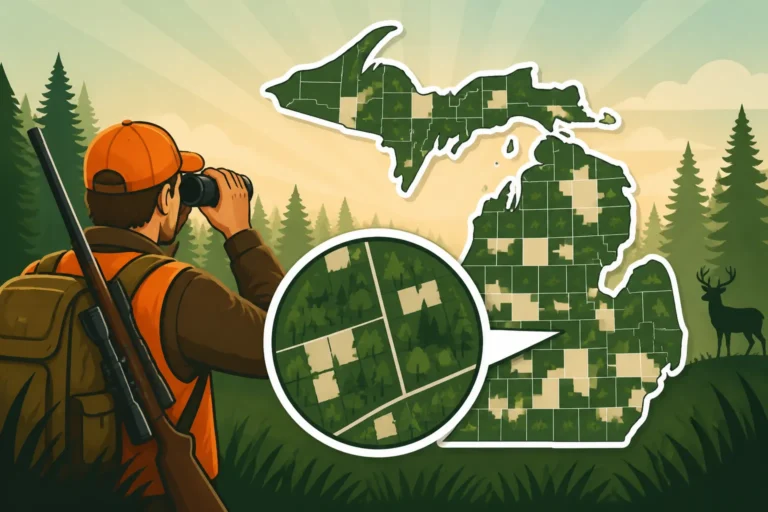
It's a question many hunters, especially those from states further east, ask when they first look at a Michigan land map: "How on earth does Michigan have so much public land?" You've likely felt that familiar pang of frustration, scouring maps in other states, only to find endless blocks of private property, often posted and inaccessible. Then you look at Michigan, and it's like a breath of fresh air, a sea of green and yellow on your onX Hunt app. This guide is going to peel back the layers of history, geography, and policy to explain exactly why Michigan is such a public land gem in the eastern United States. It’s not just luck; it’s a fascinating story of boom, bust, and intentional recovery that shaped the very landscape we now enjoy.
The Echoes of a Timber Empire: How Land Was Lost and Reclaimed
To truly understand Michigan's vast public land holdings, you have to rewind to the late 19th and early 20th centuries. This was the era of the great logging boom, a time when Michigan was literally built on timber. Imagine immense white pine and hardwood forests stretching for miles, covering much of the Lower and Upper Peninsulas. Loggers moved in with an efficiency that was both awe-inspiring and devastating. They clear-cut vast tracts of land, often with little thought for sustainable forestry or reforestation.
What happened next was predictable in hindsight, but catastrophic at the time. Once the valuable timber was gone, much of the land was left barren, prone to massive wildfires fueled by logging slash, and virtually worthless to the private owners who had stripped it. Companies packed up and moved west, leaving behind a scarred landscape and, crucially, a massive tax burden. Many of these timber companies simply abandoned their holdings, refusing to pay property taxes on land that no longer held commercial value.
The Great Tax Forfeitures
This widespread abandonment led to what's known as "tax forfeiture." When property taxes weren't paid, the land reverted to state ownership. This wasn't just a few scattered parcels; it was millions of acres, particularly in the northern Lower Peninsula and throughout the Upper Peninsula. These vast, contiguous blocks of land, once private, suddenly became public. It was a crisis for the state treasury, but a massive, unintended gift to future generations of hunters, hikers, and outdoor enthusiasts.
The state found itself the unwilling owner of immense amounts of cutover, burnt-over, and often swampy land. Rather than trying to sell it all off, which would have been difficult and uneconomical given its condition, a new vision began to emerge. Conservationists, sportsmen, and forward-thinking politicians recognized the opportunity to manage these lands for the public good, focusing on reforestation, wildlife habitat, and recreation. This pivotal moment laid the groundwork for the expansive state forests and game areas we cherish today.
Geography and Ecology: Nature's Contribution to Public Access
Beyond the historical events, Michigan’s very geography and ecology played a significant role in determining which lands became public and remained so. Not all land is created equal in terms of development potential, and Michigan has a lot of rugged, wetland-rich, and otherwise "unproductive" ground that simply wasn't attractive for intensive agriculture or residential growth.
Unsuitable for Farming and Development
Much of the land that was heavily logged, particularly in the northern half of the state, consisted of sandy, nutrient-poor soils that were never suitable for large-scale agriculture. Unlike states further south with vast tracts of fertile farmland, Michigan's northern regions presented a different challenge. After the timber was removed, these areas often struggled to regenerate naturally, and farming attempts were largely unsuccessful.
Furthermore, Michigan is blessed (or, depending on your perspective, burdened) with an incredible amount of water. From the thousands of inland lakes to the sprawling wetlands, bogs, and cedar swamps that define much of our northern landscape, a significant portion of the state is simply too wet or too difficult to develop economically. While these areas are phenomenal for wildlife – think of the deer Hunting Michigan Swamp Edges for Deer or grouse that thrive in them – they don't hold the same appeal for large-scale housing developments or commercial ventures. These less-desirable lands were often among the first to be abandoned and absorbed into the public trust.
The Great Lakes Influence
The sheer scale of the Great Lakes also contributes to Michigan's unique land profile. Our extensive coastlines, with their dunes, marshes, and remote shoreline areas, often fall under public protection as state parks, recreation areas, or coastal wildlife management zones. These areas are vital for waterfowl, migratory birds, and offer incredible fishing and boating opportunities, but also contribute to the overall acreage of publicly accessible land. The influence of the lakes creates unique microclimates and ecosystems that were deemed worthy of preservation, further cementing large areas as public domain.
Progressive Conservation Policies and Funding
It wasn't enough for land to simply revert to the state; it needed to be managed, protected, and enhanced for public use. Michigan has a long and proud history of conservation, driven by dedicated individuals and robust policy frameworks that ensured these lands would remain public and productive.
Dedicated Funding for Land Acquisition and Management
One of the most critical elements has been the establishment of dedicated funding sources. Hunting and fishing license fees, for example, play a huge role. When you purchase your Michigan Hunting Licences and What They Cost or a waterfowl stamp, a portion of that money goes directly towards the acquisition, maintenance, and enhancement of public lands and wildlife habitat. This self-sustaining funding model ensures that conservation efforts aren't solely reliant on fickle general tax revenues.
Michigan has also utilized various bond programs and dedicated funds, like the Natural Resources Trust Fund (NRTF), which uses revenue from oil, gas, and mineral leases on state-owned land to purchase new public land or develop existing recreational facilities. This forward-thinking approach has allowed the state to not only hold onto its inherited lands but actively expand its public estate, acquiring critical parcels from willing sellers to consolidate holdings or protect vital habitat corridors.
Innovative Programs for Access and Management
Michigan has also implemented innovative programs that, while not always directly adding to public ownership, significantly enhance public access. The Commercial Forest Act (CFA) is a prime example. This program provides property tax incentives to private landowners who manage their timber for commercial harvest, in exchange for allowing public access for hunting and fishing. While it's still private land, the CFA essentially opens up vast tracts of privately owned commercial timberland to the public, blending the lines between strictly public and private access. Michigan Commercial Forest Land Access is a huge benefit to hunters, offering access to areas that might otherwise be locked up.
Similarly, programs like the Michigan Hunting Access Program (HAP), while focused on private agricultural lands, demonstrate the state's commitment to ensuring diverse hunting opportunities. Although these lands aren't "public," they are managed for public use, expanding the footprint of available hunting grounds. These policies reflect a deep-seated belief in the public's right to access and enjoy natural resources, a philosophy that has permeated Michigan's approach to land management for generations.
Comparing Michigan's Public Land to Other Eastern States
When you stack Michigan up against many other states east of the Mississippi, the difference in public land availability is stark. While states like Pennsylvania or New York certainly have public lands, they often don't have the sheer contiguous blocks or the per-capita acreage that Michigan boasts.
A Look at the Landscape Differences
Many other eastern states experienced much longer periods of agricultural development and denser settlement patterns. Land in places like Ohio or Indiana was cleared early on for rich farming soils, leading to a much higher percentage of privately owned, cultivated land. Even states with significant timber resources, like parts of the Southeast, often had different historical land ownership patterns, where large industrial timber holdings remained private for generations, never undergoing the massive tax forfeiture events seen in Michigan.
Michigan's unique blend of extensive post-logging tax forfeitures, combined with large areas of less agriculturally productive land, and sustained conservation efforts, created a perfect storm for public land abundance. While other eastern states may have piecemeal state forests or scattered wildlife areas, Michigan offers expansive opportunities, particularly in its northern regions, where you can literally walk for miles across state or national forest land without encountering a private boundary. This is why tools like onX Hunt or GoHunt are so popular here; they help you navigate these vast, interwoven public tracts.
Key Public Land Types in Michigan
Michigan offers a diverse array of public land types, each managed for specific purposes but generally open to hunting.
| Public Land Type | Description | Typical Size | Primary Management Focus |
|---|---|---|---|
| State Forests | Vast, forested tracts managed by the Michigan DNR for timber production, wildlife habitat, and recreation. | Millions of acres | Sustainable forestry, wildlife, dispersed recreation |
| State Game Areas | Smaller, intensively managed areas focused specifically on wildlife habitat and public hunting. Often include wetlands, fields, and woodlands. | Thousands of acres each | Wildlife production, public hunting, habitat enhancement |
| National Forests | Federally managed lands (Huron-Manistee, Ottawa, Hiawatha) offering immense wild areas for multiple uses, including hunting, fishing, and logging. | Millions of acres | Ecosystem health, recreation, timber, wildlife, water quality |
| State Recreation Areas | Often closer to population centers, these areas balance recreation (camping, hiking) with hunting opportunities, though hunting may be more restricted in some zones. | Hundreds to thousands of acres | Diverse outdoor recreation, some hunting |
| Commercial Forest Act Lands | Privately owned timberlands where landowners receive tax breaks in exchange for allowing public foot access for hunting and fishing. | Varies greatly | Timber production, public access |
Knowing these different types of public land can help you plan your hunts. Whether you're interested in Hunting the Michigan Upper Peninsula for Deer or looking for Grouse and Woodcock Hunting in Michigan in the northern Lower, chances are, you'll find ample public ground to explore. You can dive deeper into specific public land types by checking out Michigan State Forest Hunting or Michigan State Game Areas for more details on what to expect.
The Future of Michigan's Public Land
The commitment to public land in Michigan remains strong. While challenges like habitat fragmentation, invasive species, and continued development pressures exist, the foundation laid by past generations ensures that Michigan will likely remain a beacon for public land access in the East. Organizations, state agencies, and conservation groups continue to work tirelessly to protect existing public lands, acquire new parcels, and ensure that these spaces are managed effectively for both wildlife and people.
So, the next time you're traversing a vast stretch of state land, or pinpointing an obscure public parcel on your Using the Michigan Mi-HUNT Map, take a moment to appreciate the journey of that land. It’s a testament to Michigan’s unique history and a forward-looking conservation ethic that ensures incredible hunting opportunities will endure for generations to come.
Disclaimer
This article is for general informational purposes only and does not constitute professional advice. Laws, prices and regulations vary by location and change over time. Consult a qualified professional for guidance on your specific situation.