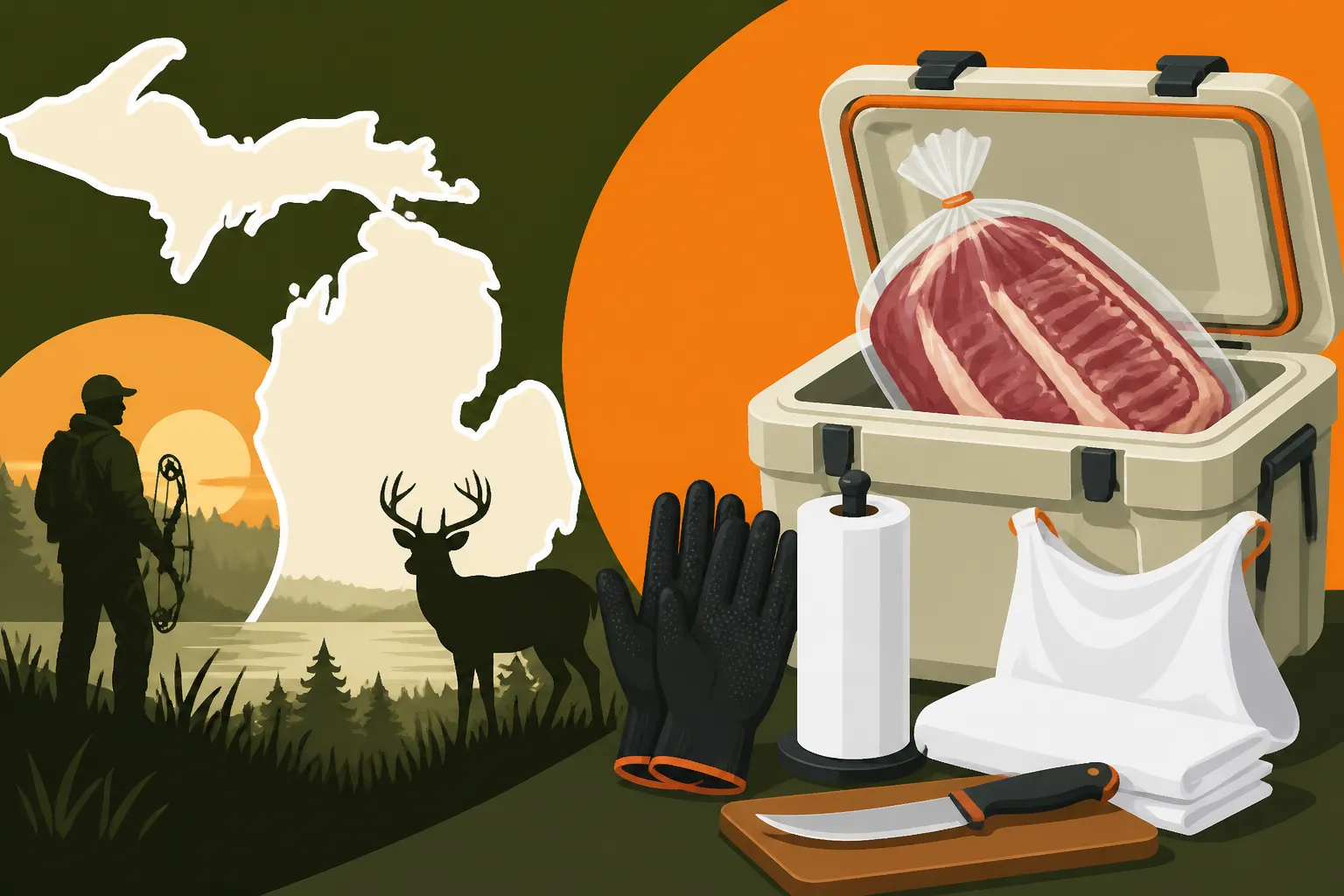
Meat Care Gear for Michigan Hunters
You've just put in the hard work, the scouting, the early mornings, and finally, your shot was true. The feeling of success is incredible, but the job isn't over. In fact, one of the most crucial parts of the hunt begins the moment you recover your game: taking proper care of the meat. Nothing is more disheartening than having an animal spoil due to poor handling, especially in Michigan's often unpredictable weather. This comprehensive guide will walk you through all the essential meat care gear Michigan hunters need, from the initial field dressing to getting that precious game home and ready for the table.
The Field Dressing Fundamentals: First Steps to Fresh Meat
After the shot and the recovery, the immediate priority is to get the animal field dressed. This is where you remove the internal organs, which helps the carcass cool down rapidly and prevents bacterial growth that can quickly taint the meat. Skimping on this step or using inadequate tools can lead to serious regret.
Essential Knives and Sharpeners
A good, sharp knife is paramount for efficient and hygienic field dressing. You're going to be cutting through hide, muscle, and potentially bone, so reliability and edge retention are key.
Imagine you've just taken down a beautiful Michigan buck deep in a cedar swamp. You're miles from the truck, and the sun is already starting to climb, threatening to warm the carcass. This isn't the time to struggle with a dull blade or a flimsy folder. A fixed-blade knife with a sturdy handle and a blade length of about 4-6 inches is often preferred for field dressing. It offers better control and is easier to clean than a folding knife, reducing places where blood and tissue can hide. Look for stainless steel, which resists corrosion – a real blessing when you're dealing with wet, messy conditions.
Beyond just a good knife, having a way to keep it razor-sharp is non-negotiable. Even the best steel will dull after field dressing a large animal. A small, portable sharpener, like a ceramic rod or a diamond stone, tucked into your pack can save the day. There's nothing worse than trying to finish the job with a knife that's tearing instead of cutting, making the process messy and frustrating. Keeping that edge keen makes the task quicker, cleaner, and ultimately, safer for you.
Many hunters also carry a smaller utility knife or even a dedicated gut hook tool. While not strictly necessary if your main knife is sharp and you're skilled, a gut hook can make opening the abdominal cavity cleaner and faster, minimizing the risk of puncturing intestines and contaminating the meat with stomach contents. When you're out in the Hunting Michigan Cedar Swamps or deep in the Michigan Upper Peninsula for Deer, every advantage for efficiency and cleanliness counts.
Gloves and Wipes for Hygiene
Field dressing is inherently a messy job, but that doesn't mean it has to be unhygienic. Protecting yourself and preventing contamination of the meat is crucial.
Disposable gloves, preferably nitrile, are an absolute must-have. Not only do they keep your hands clean and prevent that lingering game smell, but more importantly, they offer a barrier against potential pathogens. Wildlife can carry various diseases, and while the risk is often low, protecting yourself is smart. Plus, when you're done, you can simply peel them off, turn them inside out with all the mess contained, and dispose of them properly. Always pack several pairs, as one might tear or you might need a fresh pair after a particularly messy step.
Along with gloves, a small pack of unscented wet wipes or a roll of paper towels can be incredibly useful. After the internal organs are removed, a quick wipe-down of your hands, the knife, and the inside of the body cavity can make a significant difference. While you won't get it spotless in the field, removing excess blood and debris helps the meat cool more effectively and reduces the risk of bacterial growth. This simple step contributes significantly to the overall quality of your harvest.
Consider even a small spray bottle with a mild bleach solution or food-grade sanitizer for your knife and hands if you're in a more organized camp setting. For public land hunting, a dedicated kit for cleaning up quickly is highly recommended, ensuring you leave no trace and handle your meat with the utmost care.
Transporting Your Harvest: Getting It Out of the Woods
Once your animal is field dressed, the next challenge is getting it back to your vehicle, camp, or processor. Michigan's diverse terrain, from dense woods to agricultural fields, demands adaptable transport solutions.
Deer Sleds and Carts
Dragging a whole deer, especially a large buck, through rough terrain can be an exhausting and potentially back-breaking ordeal. This is where purpose-built sleds and carts shine.
A deer sled, often made of durable plastic, allows you to slide the carcass over snow, leaves, or even bare ground with much less friction than simply dragging it. It protects the hide and the meat from abrasions and dirt, keeping your valuable harvest cleaner. For those hunting in the Northern Lower Peninsula during late archery or muzzleloader seasons, when snow might be on the ground, a sled is a game-changer. It distributes the weight, making a heavy deer feel significantly lighter, especially if you have a partner to help pull. Just make sure to secure the deer properly to the sled to prevent it from sliding off on uneven ground.
Deer carts, typically wheeled systems, are excellent for moving game over longer distances on relatively flat or gently rolling terrain, like two-tracks, old logging roads, or agricultural fields in Southern Michigan Farm Country Deer Hunting. They keep the entire carcass off the ground, ensuring maximum cleanliness. Look for sturdy wheels, a strong frame, and straps to secure the animal. While they might be cumbersome in dense brush or deep swamps, for many Michigan hunting scenarios, a cart can save you hours of strenuous dragging. Think about how much easier it is to get that deer from a remote corner of a state game area to your truck with a good cart.
If you frequently hunt solo or target larger game, investing in a high-quality Sleds and Drags for Snow Country or a robust deer cart is well worth the cost. It not only saves your energy but also helps ensure the meat arrives in pristine condition. Don't be that hunter who dreads the retrieve more than the shot; be prepared.
Game Bags and Tarps
Even if you're using a sled or a cart, additional protection for your meat is a good idea, especially in warmer weather or when the journey out is long.
Game bags are breathable fabric bags designed to protect quarters or even whole, caped-out carcasses from insects, dirt, and debris while allowing air circulation to help the meat cool. For larger animals like deer or bear, quartering in the field and packing the meat out in game bags is often the only practical option, especially if you're deep in the Hunting the Michigan Upper Peninsula for Deer or tackling steep, challenging terrain. They are essential for keeping flies off the meat, which can spoil a harvest surprisingly quickly on a warm October day. Look for sturdy, reusable bags that can be washed and disinfected between uses.
Tarps, on the other hand, serve a more immediate and practical purpose for initial handling and protecting your vehicle. A heavy-duty tarp can be laid out on the ground to provide a clean surface for field dressing, keeping the carcass off the dirt and away from debris. Once the animal is dressed and ready to be loaded, a tarp lining the bed of your truck or the back of your SUV will contain any remaining blood, hair, and dirt, saving you a significant cleanup headache later. This simple, inexpensive piece of gear is invaluable for maintaining cleanliness and protecting your investments.
When considering options for Game Bags for Warm October Days or simply protecting your truck, remember that these items are about maintaining the quality of the meat you worked so hard for. A small investment here can prevent a huge loss.
Cooling and Initial Storage: The Race Against Spoilage
Temperature management is arguably the most critical factor in preserving game meat. Michigan's weather can be fickle, with warm early fall days giving way to bitter cold in December. You need a plan to cool your animal down quickly.
Coolers and Ice Management
Once you have your field-dressed animal out of the woods, getting it cooled down to below 40°F (4°C) as quickly as possible is paramount.
High-quality coolers are essential for this task, especially if you're hunting in warmer weather, like during Michigan's Archery Split Works or the early part of Bowhunting Michigan's Split Archery Season. Roto-molded coolers, known for their superior insulation and durability, are often worth the investment for serious hunters. They can hold ice for days, which is crucial if you have a longer drive home or need to let the meat age a bit. You’ll need a cooler large enough to hold at least two quarters of a deer, if not more, packed with ice. It’s better to have too much space than not enough, as you want air circulation around the meat even within the cooler.
Proper ice management means not just dumping a few bags in. Use block ice if possible, as it melts slower than cubed ice. You can also freeze gallon jugs of water to use as "ice packs" – they keep things cold and provide potable water once they melt. When packing the cooler, place a layer of ice on the bottom, then your game meat (ideally in game bags to keep it dry), and then more ice on top. If you're quartering a deer, consider separating the meat from the ice with a barrier, like a clean garbage bag, if you want to keep the meat dry, or just let it soak if you prefer that method. Always keep the drain plug open slightly if you want to drain meltwater, or closed if you're trying to brine the meat.
For larger game or multiple animals, you might need several coolers. Think about a good strategy for coolers and game bags. If you harvest a deer on a warm October afternoon, you'll need to get that meat on ice within a few hours to prevent spoilage. This is where being prepared with ice already in camp or knowing where the nearest ice supplier is can make all the difference.
Temporary Hanging and Air Circulation
Before it goes into the cooler or if temperatures are ideal, hanging your game can be an excellent way to cool it and start the aging process.
If hunting conditions are cold and dry (below 40°F / 4°C, ideally closer to freezing, with low humidity), hanging your deer or other game can be incredibly effective. A simple gambrel and a sturdy rope or chain in a garage, barn, or even a robust tree can work wonders. Hanging allows air to circulate completely around the carcass, facilitating even cooling. It also allows the muscles to relax, which can tenderize the meat. Just ensure the area is secure from scavengers and flies. Many Michigan deer camps have dedicated hanging poles or sheds for this purpose, turning it into a cherished tradition.
The critical factor here is the weather. If temperatures are fluctuating or if it's too warm, hanging is not advisable unless you have a refrigerated space. A warm, humid environment will quickly promote bacterial growth. But when conditions are right, hanging for 24-48 hours can greatly improve the texture and flavor of the meat. This is particularly relevant during Michigan's November Firearm Deer Season when cold temperatures are often on your side.
Even if you plan to quarter and pack in a cooler, a brief period of hanging to stiffen the carcass can make quartering easier and cleaner. It's all about making the most of the natural elements when they cooperate and having a backup plan when they don't.
Processing Tools: From Field to Freezer
Once you've cooled your game, the real work of transforming it into table-ready cuts begins. Whether you do it yourself or send it to a processor, having the right tools for home processing can save money and give you full control over your harvest.
Butchering Knives and Saws
For those who embrace the full cycle of the hunt, from field to plate, a dedicated set of butchering tools is invaluable.
A good butchering knife set typically includes several knives of varying lengths and blade types: a boning knife (flexible, thin blade for separating meat from bone), a breaking knife (longer, stiffer blade for larger cuts), and a skinning knife (often with a curved, upswept tip). These knives are designed for specific tasks, making the job much more efficient and yielding cleaner cuts than trying to do everything with your field dressing knife. Keep them incredibly sharp with a quality steel or stone, as a dull knife is not only inefficient but also dangerous.
Beyond knives, a meat saw is often necessary for larger game. While some hunters prefer to use the "gutless method" in the field and bone out entirely, others want to split the carcass or cut through ribs. A sturdy bone saw, either manual or electric, makes quick work of these tougher sections. This is especially true for breaking down a large bear or an elk taken during Michigan's Limited Elk Hunt, where bone-in cuts are desired, or simply to manage the carcass into more manageable pieces for further processing.
Having the right tools means you're not fighting the animal; you're working with it. It makes the entire process more enjoyable and ensures you get the most out of every ounce of meat. Plus, knowing you processed your own game is a satisfying experience, connecting you even more deeply to the harvest.
Grinders and Vacuum Sealers
After cutting your roasts and steaks, you'll likely have trim that's perfect for grinding, and then you'll need to package everything for long-term storage.
A quality meat grinder is a fantastic investment for any serious hunter. It allows you to turn venison trim into burger, sausage, or even ground jerky meat. You can control the fat content by mixing in beef or pork fat, ensuring a lean and flavorful product. Different grinding plates offer various textures, from coarse chili grind to fine burger meat. For those who enjoy making their own Cooking a Wild Turkey Breast or wild game sausage, a grinder is indispensable. It truly maximizes your harvest, transforming less desirable cuts into delicious, versatile options.
Once your meat is cut and ground, a vacuum sealer becomes your best friend for long-term storage. Freezing meat in standard freezer bags often leads to "freezer burn," which is dehydration that affects flavor and texture. A vacuum sealer removes all the air from the package, preventing freezer burn and dramatically extending the shelf life of your meat. Vacuum-sealed meat can last for years in the freezer without degradation, preserving that fresh-from-the-woods taste. It also protects against cross-contamination and makes for neat, organized freezer storage.
Consider the long-term benefits of these tools. While an initial investment, a grinder and vacuum sealer pay for themselves quickly by reducing waste and preserving the quality of your hard-earned meat for months, even years. Butchering a Deer at Camp becomes a more rewarding experience with these additions.
Hygiene and Cleanliness: Preventing Contamination
Maintaining strict hygiene throughout the meat care process is paramount. Contamination can ruin meat quickly, making all your efforts pointless.
Sanitizers and Cleaning Solutions
Keeping your workspace and tools clean is just as important as keeping the meat cool.
Before and after processing, all surfaces, tools, and hands that come into contact with the meat should be thoroughly cleaned and sanitized. A good food-grade sanitizer or a solution of diluted bleach (one tablespoon per gallon of water) can be used on cutting boards, countertops, and knives. This kills bacteria that could otherwise transfer to your meat, significantly reducing the risk of spoilage. For outdoor field dressing, carrying a small bottle of hand sanitizer is wise, especially after handling the gut pile.
For larger clean-ups at camp or home, a designated wash station with hot, soapy water is ideal. Scrub brushes, dish soap, and a strong hose are essential for cleaning blood and tissue from equipment, coolers, and even the inside of your vehicle. Remember to clean everything immediately after use; dried blood and tissue are much harder to remove. This diligent cleaning routine is a cornerstone of responsible meat care and directly impacts the safety and flavor of your wild game.
Dedicated Meat Handling Supplies
To further prevent cross-contamination, it's a good practice to have supplies specifically dedicated to meat processing.
This includes separate cutting boards (ideally plastic or composite, which are easier to sanitize than wood), knives, and even sponges or rags that are only used for game meat. You don't want to use the same cutting board for your venison steaks that you just used to chop vegetables for dinner without a thorough sanitization in between. This simple separation minimizes the risk of introducing bacteria from other food sources or surfaces to your precious game.
Having a set of dedicated stainless steel bowls or food-grade tubs for holding cut meat before grinding or packaging is also highly recommended. These can be easily cleaned and sanitized, unlike household containers that might harbor residues. By investing in these specific items, you create a cleaner, safer environment for handling your meat, reflecting the respect you have for the animal and the food it provides.
Long-Term Preservation: Enjoying Your Harvest All Year
The goal isn't just to get the meat home safely; it's to enjoy it throughout the year. Proper long-term preservation methods ensure your efforts in the field translate into delicious meals for months to come.
Vacuum Sealers and Freezer Paper
As mentioned earlier, vacuum sealers are a game-changer for extending the life and quality of your frozen game meat.
Vacuum sealing removes oxygen, the primary culprit behind freezer burn and spoilage. When oxygen is present, meat dehydrates and oxidizes, leading to dry, discolored, and unappetizing spots. With a vacuum sealer, your steaks, roasts, and ground meat will maintain their fresh taste, texture, and color for much longer than in standard freezer bags. The investment in a good quality sealer and rolls of bags will pay dividends in flavor and reduce wasted meat.
While vacuum sealing is king, good old-fashioned freezer paper still has its place, especially for hunters without a vacuum sealer. When using freezer paper, wrap the meat tightly, ensuring no air pockets. Then, wrap it again in a second layer, sealing the edges with freezer tape. The key is to create an airtight seal. While not as effective as a vacuum sealer, proper freezer paper wrapping is far superior to standard plastic wrap or thin freezer bags for preventing freezer burn. Always label your packages with the date and type of meat so you know exactly what you have in the freezer.
Regardless of your chosen method, consistently wrapping and sealing your meat immediately after processing is crucial. The longer it sits, exposed to air, the more potential for quality degradation. The effort you put in now will be rewarded with delicious meals later.
Building a Stocked Game Meat Pantry
Thinking beyond just freezing, consider ways to further process and store your game for variety and convenience.
This might include canning game meat, smoking cuts for jerky or cured meats, or even rendering fat for cooking. Canning, using a pressure canner, is an excellent way to create shelf-stable jars of stew meat or ground venison that are ready to go at a moment's notice. Smoked jerky, a favorite among many hunters, offers a delicious, portable snack that also has a longer shelf life. These methods not only diversify how you enjoy your game but also act as a backup in case of freezer issues.
For those looking to optimize their entire hunting experience and track their harvest inventory, using a tool like GoHunt could even extend to tracking freezer contents. While primarily for mapping and scouting, adapting such a system to log your game meat cuts and dates could be a neat way to ensure you cycle through your oldest meat first, minimizing waste.
The idea is to maximize every part of the animal and ensure that nothing goes to waste. From roasts and steaks to sausage and jerky, proper preservation techniques allow you to savor the taste of Michigan's wild game long after the season ends.
Emergency and Remote Site Considerations
Michigan offers vast public lands, and sometimes you find success deep in the backcountry, far from easy vehicle access. These situations demand specialized meat care strategies.
Boning Kits for Deep Woods
When a deer goes down far from the trail, dragging it out whole might be impossible. This is where a boning kit becomes essential.
A boning kit typically includes a sharp boning knife, a small saw (or a sturdy knife that can cut through joints), disposable gloves, and several heavy-duty game bags. The goal is to break the animal down into manageable quarters, remove as much bone as possible to reduce weight, and pack the meat out. This process, often called the "gutless method" by backcountry hunters, involves skinning and quartering the animal without opening the body cavity, which can be cleaner and faster. This is particularly relevant when you're Getting a Deer Out of a Michigan Cedar Swamp or from rugged terrain in the Hunting the Michigan Upper Peninsula for Deer.
Understanding how to quickly and efficiently bone out an animal in the field is a valuable skill. It not only reduces the physical exertion of the pack-out but also allows for better cooling of the meat once it's separated into smaller pieces and placed in breathable game bags. This is a skill that can be practiced in controlled environments, making you more confident when the moment arises in the field.
For remote hunts, consider adding a lightweight, packable meat hauling frame or a sturdy backpack with a dedicated meat shelf. These allow you to carry heavy loads of boned-out meat comfortably, ensuring you can retrieve your entire harvest even from the most challenging locations.
Water and First Aid for Extended Stays
When you're deep in the woods, the unexpected can happen, and you need to be self-sufficient, especially when handling meat.
Always pack extra water, not just for drinking, but also for rinsing hands, knives, or even cooling a small portion of meat if you have a stream nearby (though direct stream contact should be limited to prevent contamination). Dehydration can severely impact your judgment and physical ability, making field dressing and packing out even harder. A good water filter or purification tablets can also be a lifesaver for ensuring clean drinking water during extended retrieves.
A comprehensive first aid kit is another non-negotiable item. Cuts and scrapes are common when handling sharp knives and rough carcasses. Having the means to clean and dress a wound promptly can prevent infection, especially when you're miles from medical help. Include bandages, antiseptic wipes, pain relievers, and any personal medications. Being prepared for minor injuries allows you to focus on the task at hand without added worry.
For long treks out, especially in Michigan's variable weather, having emergency supplies like a headlamp, fire starter, and extra layers of clothing can mean the difference between a successful retrieve and a dangerous situation. Your hunting plan should always include provisions for extended time in the field, just in case that dream buck takes you farther than anticipated.
Modern Tech Aids for Optimal Meat Care
While traditional methods are timeless, modern technology can offer valuable assistance in optimizing your meat care efforts.
Digital Thermometers and GPS Tracking
Knowing the internal temperature of your game meat is crucial for ensuring it cools properly and stays out of the "danger zone" where bacteria thrive.
A simple digital meat thermometer can provide peace of mind. After field dressing and perhaps quartering, insert the probe into the thickest part of the meat (e.g., the hindquarter) without touching bone. You want to see the temperature drop below 40°F (4°C) as quickly as possible. This is especially important during early season hunts or if you're unsure about the ambient temperature's effectiveness. It takes the guesswork out of meat cooling and empowers you to make informed decisions about when to get the meat on ice or to a cooler.
GPS tracking, whether through a dedicated unit or a hunting app like GoHunt on your smartphone, is invaluable for marking the precise location of your downed animal and charting the most efficient path for retrieval. This is particularly helpful when you're blood trailing a deer in Michigan snow or trying to find your way back to a spot where you left quarters to cool. You can mark the kill site, the location of your cache of game bags, and your vehicle, ensuring a smooth and confident retrieval. Tools like Michigan's Mi-HUNT Map and OnX layers can also help you identify property lines and access points, vital for responsible retrieval.
Communication and Weather Apps
Staying connected and informed about the weather can impact your meat care decisions, especially in remote areas.
A reliable form of communication, whether it's a satellite messenger, a two-way radio for your hunting party, or even just a fully charged cell phone (where service is available), can be crucial. If you need assistance with a heavy retrieve or if conditions unexpectedly worsen, being able to call for help is vital. Coordinating with others on a deer drive or for a planned retrieve in areas like the Michigan Upper Peninsula for Deer also makes the process safer and more efficient.
Weather apps, even basic ones, can provide critical information about current and forecasted temperatures, humidity, and precipitation. Knowing if a warm front is moving in or if heavy rain is expected can influence your decision to hang an animal or get it on ice immediately. For instance, if you know temperatures are going to rise, you might opt to quarter and cooler pack immediately rather than risk hanging overnight. Apps, like a basic weather feature found on many hunting platforms, including GoHunt, can help you make these time-sensitive decisions, safeguarding your harvest.
Disclaimer
This article is for general informational purposes only and does not constitute professional advice. Laws, prices and regulations vary by location and change over time. Consult a qualified professional for guidance on your specific situation.