Michigan’s Limited Elk Hunt
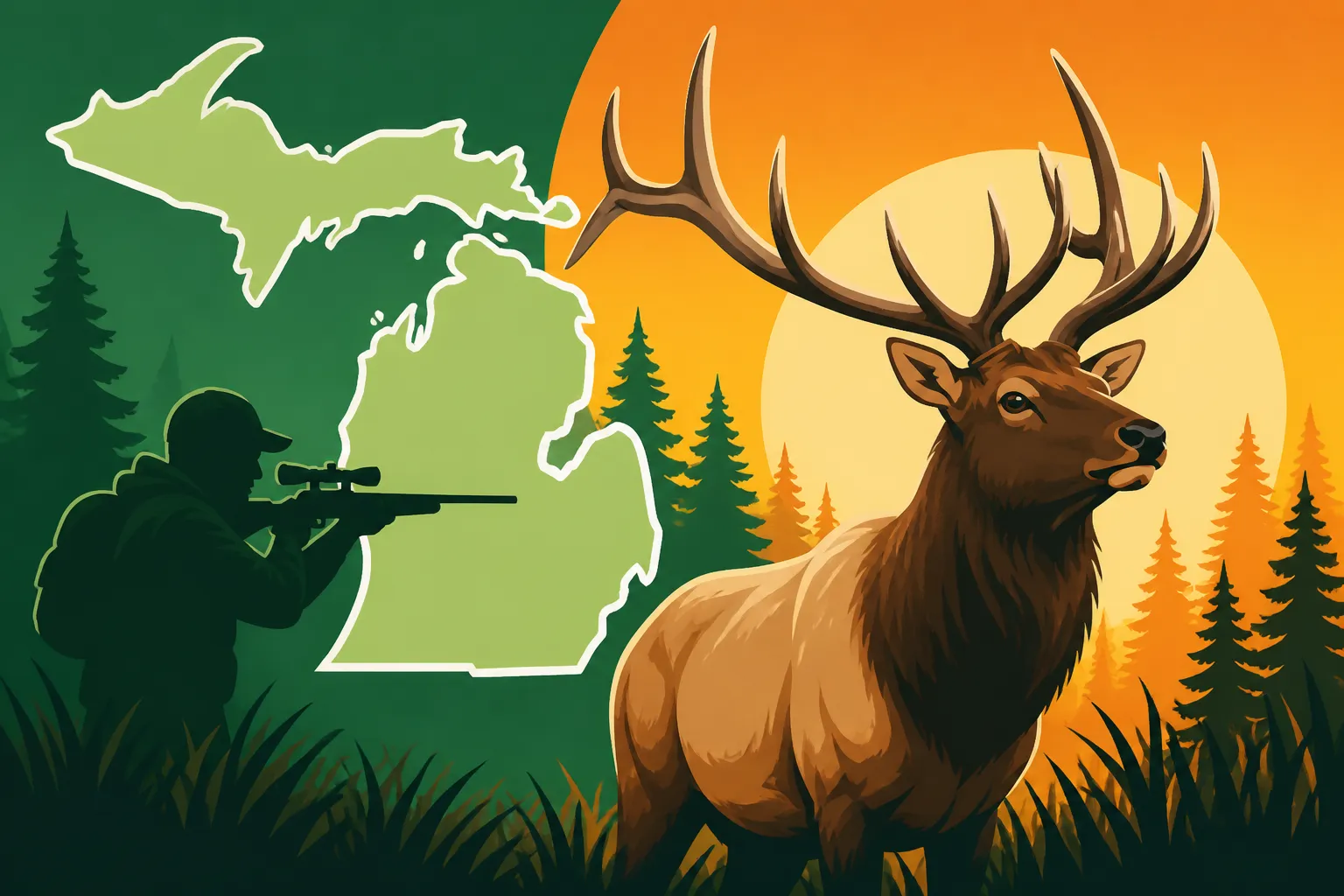
Oh, the Michigan elk hunt. For so many of us, it's not just a hunt; it's a lifelong dream, a near-mythical pursuit in our own backyard. The frustration of applying year after year, watching the draw results with a pit in your stomach, only to be met with disappointment, is something every aspiring elk hunter here understands deeply. This guide aims to pull back the curtain on Michigan's incredibly limited elk hunt, offering a comprehensive look at the herd, the intricate application process, what to expect if you're lucky enough to draw a tag, and how to make the most of this once-in-a-lifetime opportunity.
The Dream of Michigan Elk Hunting
For countless Michiganders, the idea of pursuing a wild elk in their home state is the pinnacle of their hunting aspirations. It’s an almost sacred dream, fueled by stories and photographs of these magnificent animals roaming our northern woods. But let's be real, turning that dream into a reality is tougher than pulling a stubborn stump out of frozen ground. The odds are stacked against you, and the waiting game can feel endless, yet the allure of that potential tag keeps us coming back.
Why the Michigan Elk Hunt Is So Special
Michigan's elk herd isn't just a population of game animals; it's a conservation success story. After being extirpated from the state in the late 19th century, elk were reintroduced in 1918 with just seven animals. From that small beginning, the herd has grown and thrived in the northern Lower Peninsula, particularly in the sprawling Pigeon River Country State Forest and surrounding areas. This makes the Michigan elk hunt incredibly special because it's a testament to dedicated conservation efforts and a chance to pursue a majestic animal that once vanished from our landscape. It’s not just a hunt; it’s participating in a legacy.
The experience of chasing elk through Michigan's mixed hardwoods, cedar swamps, and aspen cuts is profoundly different from hunting deer. These animals are massive, wily, and inhabit some of the most remote and challenging terrain the Lower Peninsula has to offer. The sheer scale of the hunt, from the size of the animals to the vastness of their habitat, elevates it far beyond a typical whitetail outing. It truly feels like an adventure into wild Michigan, a unique blend of wilderness challenge and close-to-home accessibility.
Furthermore, the limited nature of the hunt adds to its mystique and value. Drawing a tag isn't just luck; it's a privilege. Hunters often spend years, even decades, accumulating preference points, dreaming of the day they see their name on the draw list. This makes the hunt not just a personal achievement but often a cherished family event, with generations gathering to support the lucky hunter. It’s a shared experience, binding families and friends to the wild traditions of Michigan.
The Rarity of an Elk Tag
Let's not sugarcoat it: drawing a Michigan elk tag is exceptionally difficult. The Michigan Department of Natural Resources (DNR) carefully manages the herd to balance population health with limited hunting opportunities. Each year, only a small number of tags are issued, typically ranging from 200 to 260 across both antlered and antlerless categories. When you consider that tens of thousands of hunters apply annually, you quickly realize the odds are astronomical.
For context, the draw odds for an antlered elk tag can be less than 1%, sometimes even below 0.5% for applicants with fewer preference points. Even with maximum preference points, success isn't guaranteed; it just significantly improves your chances. This extreme rarity is the primary source of frustration for many applicants. You might put in for twenty or thirty years, accumulating max points, and still not draw. It's a testament to both the high demand and the tightly controlled harvest necessary to maintain a healthy, wild elk population.
The sheer volume of applications means that every single tag is highly coveted. Hunters from all corners of Michigan, and even some non-residents (though their odds are even slimmer due to allocation rules), throw their hat in the ring. This competitive environment breeds a unique culture of hope and patience, where checking the draw results becomes a significant annual event, often met with a resigned sigh for most. It’s a marathon, not a sprint, and most of us are just hoping to eventually cross that finish line.
Balancing Conservation and Opportunity
The DNR's approach to the elk hunt is a delicate balancing act between offering hunting opportunities and ensuring the long-term health and stability of the herd. The limited number of tags isn't arbitrary; it's a calculated decision based on extensive biological data, herd health assessments, and habitat conditions. The goal is always to maintain a robust, self-sustaining elk population while also managing any conflicts with landowners, particularly agricultural damage caused by foraging elk.
This means that while hunters understandably want more tags, the DNR must prioritize the species first. If the herd grows too large for its habitat or causes excessive damage to farms, adjustments are made to tag numbers and hunt units. Conversely, if harsh winters take a toll on the herd, as can happen in northern Michigan, tag numbers might be reduced to allow for recovery. This dynamic management ensures that the elk resource remains healthy for future generations, even if it means fewer immediate opportunities for hunters.
The revenue generated from elk licence applications and fees directly funds ongoing elk management and habitat improvement projects. This cyclical relationship ensures that hunters' investments contribute directly to the very resource they wish to pursue. Understanding this broader conservation picture can help temper some of the frustration over low draw odds, knowing that our participation, even without a tag, supports the health of these magnificent animals.
Understanding Michigan's Elk Herd
To truly appreciate the Michigan elk hunt, you need to understand the animals themselves and their journey back to our state. Their history, behavior, and where they choose to make their homes are all critical pieces of the puzzle for anyone hoping to pursue them. It’s more than just a hunt; it’s an interaction with a truly wild success story.
History and Restoration of Michigan Elk
As mentioned, Michigan's original elk population was completely wiped out by overhunting and habitat destruction in the late 1800s. It was a tragic loss of a magnificent species. The first significant effort to bring them back occurred in 1918 when seven elk from Yellowstone National Park were released near Wolverine, Michigan. These animals were the progenitors of today's thriving herd, a testament to what dedicated conservation efforts can achieve.
The early years of elk restoration focused heavily on protection and habitat improvement. Hunting was prohibited for many decades to allow the herd to grow and establish itself. Over time, as the population expanded and began to impact local agriculture and forest regeneration, the need for management through hunting became apparent. The first modern elk hunting season in Michigan was held in 1964, marking a significant milestone in their recovery. Since then, the herd has seen its ups and downs, influenced by habitat changes, weather, and management strategies. To learn more about this incredible journey, you can explore resources like How Elk Were Restored to Michigan.
Today, the Michigan DNR estimates the elk herd to be between 1,000 and 1,300 animals, a healthy and stable population, though subject to fluctuations. This success didn't happen by accident; it's the result of continuous monitoring, habitat projects, and carefully regulated hunting. Every hunter who applies, whether they draw a tag or not, contributes to the funds that make this ongoing work possible, securing the future for Michigan's elk.
Where Michigan's Elk Live and Roam
Michigan's elk herd is primarily concentrated in the northeastern Lower Peninsula, within what's often referred to as the "elk range." This area spans parts of Cheboygan, Otsego, Montmorency, and Presque Isle counties. The heart of this range is the Pigeon River Country State Forest, a vast expanse of mixed northern hardwoods, conifer swamps, and open clearings that provides ideal habitat.
These areas offer the diverse food sources and cover that elk need to thrive. They utilize the mature hardwood forests for acorns and shelter, move into aspen and clearcut areas for browsing on new growth, and seek refuge in dense cedar swamps, especially during harsh winters. Understanding these habitat preferences is key to scouting and finding elk. It's a rugged landscape, often characterized by sandy two-tracks, rolling hills, and vast tracts of public land. You can delve deeper into specific locations by checking out Which Counties Hold Michigan Elk.
While the core range remains consistent, elk are known to wander, sometimes showing up outside their typical boundaries, especially young bulls. However, for hunting purposes, the DNR's designated Elk Management Units (EMUs) cover the areas where elk populations are consistently present and managed. These units are large, often encompassing hundreds of square miles, requiring hunters to be prepared for extensive travel and robust physical activity if they are lucky enough to draw a tag.
Elk Population Management and Goals
The Michigan DNR employs a science-based approach to manage the elk population, with specific goals aimed at maintaining a healthy herd size, minimizing human-elk conflicts, and providing sustainable hunting opportunities. The primary objective is to keep the population within a biologically sound carrying capacity for the available habitat, typically targeting a pre-hunt population of around 1,000 to 1,300 animals.
This management involves annual aerial surveys to estimate herd size, monitoring herd health for diseases like Chronic Wasting Disease (CWD) – though CWD has not been detected in Michigan elk, vigilance is key – and assessing reproduction and survival rates. Based on this data, the DNR determines the number of tags to issue each year, as well as the specific harvest objectives for antlered and antlerless elk. These decisions are not made lightly; they involve extensive biological analysis and public input.
One significant aspect of elk management is addressing agricultural damage. Elk can cause considerable damage to crops, especially corn, alfalfa, and hayfields, which leads to understandable frustration for farmers. The DNR works with landowners to implement deterrents and sometimes offers permits for damage control. The hunting season itself serves as the primary tool to manage herd numbers and disperse elk from sensitive agricultural areas, balancing the needs of wildlife with the livelihoods of rural communities. The continuous efforts to balance these complex factors ensure that Michigan's elk herd remains a treasured resource.
Navigating the Michigan Elk Application Process
The application process for a Michigan elk tag can feel like navigating a dense cedar swamp without a compass – confusing and intimidating. But once you understand the steps, deadlines, and the all-important preference point system, it becomes much clearer. This is where patience and persistence truly pay off.
Eligibility and Licence Requirements
Before you even think about applying for an elk tag, you need to ensure you meet the basic eligibility requirements set by the Michigan DNR. First and foremost, you must possess a valid Michigan Base Hunting Licence. This is the foundation upon which all other hunting privileges are built, including applying for limited draw hunts. For new hunters or those who haven't hunted in a while, completing a certified hunter safety course is also a prerequisite, particularly for those born after January 1, 1960. More details on this can be found at Michigan Hunter Safety Requirement.
Beyond the base licence, there are age requirements. You generally must be 10 years or older to apply for an elk licence, though youth hunters aged 10-16 have specific opportunities through programs like the mentored youth hunting licence. Residency status also plays a crucial role. Michigan residents have significantly better odds in the draw, as a large percentage of tags are reserved for them. Non-residents can apply, but their allocation is extremely limited, making their chances even more remote. Make sure all your personal information on your DNR account is accurate and up to date, as discrepancies can cause issues during the application or if you draw a tag.
It's also essential to understand that there are different types of elk licences – antlered and antlerless. You must choose which type you are applying for during the application period. Most hunters will aim for an antlered tag, but antlerless tags often have slightly better odds and are crucial for population management. You can only apply for one elk licence per year, and once you draw an antlered tag, you must wait a specific number of years (currently 10) before you can apply for another antlered tag. This rule ensures more hunters get a chance at this coveted experience.
Understanding Preference Points
Preference points are the lifeblood of the Michigan elk drawing system. They are designed to reward consistent applicants, slowly increasing their odds of drawing a tag over time. Here’s how they work: Every year you apply for an elk licence and are unsuccessful in the drawing, you accrue one preference point. These points accumulate year after year, meaning the more consecutive years you apply without drawing, the more points you have.
When the draw takes place, applicants with more preference points are given higher priority. Essentially, your points increase your "lottery tickets" in the drawing. For example, if you have 15 preference points, you have 15 entries into the draw, while someone with zero points has only one. This system ensures that while luck is always a factor, long-term commitment significantly improves your chances, validating the effort and patience of dedicated hunters. You can usually check your preference point status through your DNR online account or by using a tool like the GoHunt platform, which often provides analytics on draw odds based on point totals.
It's crucial to understand that preference points are specific to the elk drawing. They don't transfer to other limited draw hunts like bear or turkey. They also do not guarantee a tag, even with the maximum number of points; they simply give you a much better statistical chance. If you miss a year of applying, you lose all your accumulated preference points, so consistency is key. This is the primary frustration point for many hunters – a single oversight can wipe out years of patiently built-up advantage, making careful planning and calendar reminders essential. Dive deeper into the system with How Michigan Bear Preference Points Work, which explains a similar system for another limited draw.
Application Deadlines and Draw Results
Missing the application deadline for Michigan's elk hunt is a devastating blow, as it means losing a year of accumulating preference points and, of course, any chance at a tag. The application period typically opens in May and closes in early June, usually around the first or second week. It's vital to mark these dates on your calendar and set multiple reminders. The DNR website will always have the most current and official dates, so make a point to check it annually.
Applying is usually done online through the DNR's e-licensing system. It’s a straightforward process, but it's always wise to double-check all your selections, especially whether you're applying for an antlered or antlerless tag and ensuring your hunt period choices are correct. There is a non-refundable application fee associated with applying, which, as mentioned earlier, contributes directly to elk management.
The moment of truth usually arrives in late June or early July when the draw results are posted. This is often an anxious time for thousands of applicants. You can typically check the results online through your DNR account. For those lucky enough to draw, the excitement is palpable, but for the vast majority, it's back to square one, patiently accruing another preference point for next year's drawing. Platforms like GoHunt often provide historical draw odds and success rates that can help manage expectations and inform future application strategies, but nothing beats the official DNR results. It’s a bittersweet annual ritual, a test of patience and enduring hope.
Here's a simplified look at the preference point system:
| Preference Points | Relative Chance of Drawing (Antlered) | Relative Chance of Drawing (Antlerless) | Notes |
|---|---|---|---|
| 0 Points | Very Low (e.g., <0.5%) | Low (e.g., 1-2%) | Your first application, purely luck. |
| 5 Points | Low (e.g., 1-2%) | Moderate (e.g., 5-8%) | Starting to build some advantage. |
| 10 Points | Moderate (e.g., 3-5%) | Good (e.g., 10-15%) | Significant improvement in odds. |
| 15+ Points | Good (e.g., 6-10%) | Very Good (e.g., 20-30%) | Max points offer the best statistical chance, but no guarantee. |
Disclaimer: These are approximate odds and can fluctuate annually based on total applicants, tag allocations, and other factors. Always consult official DNR statistics for the most current information.
Elk Hunt Periods and Management Units
If you're one of the incredibly fortunate few to draw a Michigan elk tag, your next step is to understand the specific hunt periods and the boundaries of your assigned Elk Management Unit (EMU). This information will dictate when and where you can hunt, and getting it right is crucial for a successful and legal hunt.
The Different Hunt Periods Explained
Michigan's elk hunt is divided into specific hunt periods, each with its own dates and characteristics. These periods are designed to spread out hunting pressure, manage harvest targets, and offer varied experiences. Historically, there have been several periods, often including early and late season hunts, which can span from late August/early September through December.
Hunt Period 1 (HP1): This is typically an early season hunt, often starting in late August or early September. The weather can still be warm, and elk are often found in more open areas, sometimes still in summer patterns. Bulls might not be in hard antler yet, or just coming out of velvet, but the opportunity for spot-and-stalk is often good before heavy leaf-fall. This period might involve higher chances of encountering elk in agricultural areas as they feed on maturing crops.
Hunt Period 2 (HP2): Often falling in September or early October, this period can coincide with the tail end of the elk rut. Bugling activity might be present, offering exciting calling opportunities. The weather is generally cooler, and elk may be moving more. This can be a highly sought-after period due to the potential for rutting activity and cooler temperatures.
Hunt Period 3 (HP3): This period usually takes place in October or early November, often overlapping with Michigan's archery deer season. Leaves are typically off the trees, improving visibility in the woods. Elk might be transitioning from summer feeding areas to more secure cover. The weather can be unpredictable, ranging from mild to significant cold.
Hunt Period 4 (HP4): Often occurring in December, this is a late-season hunt. Temperatures are cold, and snow is likely. Elk are often concentrated in wintering areas, particularly cedar swamps and dense cover, which can make them easier to locate but harder to access. This period offers a challenging but potentially rewarding experience, with less foliage on trees, but hunters must be prepared for harsh winter conditions. For a comprehensive overview of dates, refer to Michigan Elk Hunt Period Dates on the DNR website.
Each period offers a distinct set of challenges and opportunities, and your strategy will need to adapt accordingly. Understanding these differences is key to planning your hunt, from clothing choices to scouting techniques.
Specific Elk Management Unit Boundaries
When you draw an elk tag, it will be designated for a specific Elk Management Unit (EMU). These units are geographically defined areas within the core elk range of the northern Lower Peninsula. It is absolutely critical that you understand the exact boundaries of your assigned EMU, as hunting outside of it is a serious violation. The DNR provides detailed maps of these units, and tools like GoHunt or other mapping apps with public land overlays can be invaluable for pinpointing these boundaries in the field.
Michigan currently has multiple EMUs, each encompassing different parts of the elk range. Some are primarily state forest land, while others include a mix of public and private property. For example, some units might center around the Pigeon River Country State Forest, while others extend into areas with more private agricultural land. The specific unit you are assigned depends on the draw and tag availability. You can check the current year's Michigan Elk Management Unit Boundaries on the DNR's website.
Before you ever set foot in the woods, you must familiarize yourself with your EMU map. Identify public land access points, private land boundaries (and plan to seek permission if you intend to hunt private parcels within your unit), and key habitat features. Knowing your unit inside and out is foundational to developing a successful hunting strategy and staying legal.
Antlered vs. Antlerless Licence Options
When applying for a Michigan elk tag, you'll generally choose between an antlered elk licence (sometimes called "any-elk") and an antlerless elk licence. These choices have significant implications for your draw odds and your hunting experience.
An antlered elk licence allows you to harvest an elk of either sex, provided it has at least one antler of a minimum length (often 3 inches). These are the most highly coveted tags and, consequently, have the lowest draw odds. Hunters typically apply for these tags with the hope of taking a bull elk, which are the iconic image of elk hunting. However, the "any-elk" designation does give you the flexibility to take an antlerless animal if the opportunity arises and you choose to do so, though most holding an antlered tag will focus on bulls.
An antlerless elk licence allows you to harvest only an antlerless elk (cows or calves). While perhaps not as glamorous as an antlered tag, these tags are crucial for population management, helping to control herd growth and density. The draw odds for antlerless tags are typically significantly better than for antlered tags, especially for applicants with fewer preference points. For many hunters, drawing an antlerless tag is a fantastic opportunity to experience an elk hunt, put prime elk meat in the freezer, and contribute to conservation. It's often the more realistic goal for those with lower point totals or those prioritizing the experience over a trophy. To understand more about the available options, you can consult Any-Elk Versus Antlerless-Only Licences.
The choice between antlered and antlerless often comes down to personal goals and realistic expectations. If your primary goal is to put elk meat on the table and experience the hunt, an antlerless tag might be your best bet for better draw odds. If a bull is your ultimate objective, you’ll likely commit to applying for antlered tags, understanding it could be a very long wait.
Essential Gear and Tactics for Michigan Elk
Drawing an elk tag is just the first step. The real work begins in preparing for the hunt itself. Michigan elk hunting, especially in the rugged northern Lower Peninsula, demands specific gear and well-thought-out tactics. It's a completely different ballgame from deer hunting, and being unprepared can quickly turn a dream hunt into a nightmare.
Rifle and Optics Choices for Elk
When it comes to firearms for Michigan elk, you need a rifle that delivers sufficient energy and accuracy for these large, tough animals. While many deer calibers can technically kill an elk, having a cartridge with more knockdown power and flatter trajectory for potentially longer shots is a wise choice. Popular choices often include the .30-06 Springfield, .300 Winchester Magnum, .338 Winchester Magnum, and the .308 Winchester. For those hunting in areas where rifles are restricted, straight-wall cartridges like the .450 Bushmaster are increasingly popular and effective, offering significant power at shorter ranges. For more on this, check out Rifle Setups for Michigan Deer and consider how these principles scale up for elk.
A quality rifle scope is equally critical. Michigan's elk country can involve dense timber and low-light conditions, especially during the early morning and late evening hours when elk are most active. A scope with good light-gathering capabilities (e.g., a large objective lens like 40mm or 50mm) and a magnification range suitable for both close-quarters and medium-range shots (e.g., 3-9x or 4-12x) is ideal. Make sure your rifle is sighted in meticulously at a realistic range for your chosen cartridge, typically 100-200 yards, and practice shooting from various field positions, not just off a bench.
Optics don't stop at the rifle scope. A good pair of binoculars (8×42 or 10×42) is indispensable for scanning distant ridges, clearcuts, and dense cover. Elk can blend in remarkably well, and a quality binocular can save you miles of walking by allowing you to spot an animal from afar. A rangefinder is also highly recommended, especially in undulating terrain where distances can be deceiving. Knowing the exact range to your target can make all the difference in a clean, ethical shot. For broader advice on glass, refer to Optics for Michigan Timber and Swamp.
Scouting and Locating Elk Pre-Season
Successful elk hunting in Michigan often hinges on extensive pre-season scouting. Unlike deer, elk cover vast amounts of territory, and their patterns can shift based on food sources, hunting pressure, and weather. If you draw a tag, the work needs to start immediately. This means getting boots on the ground in your assigned EMU months before your hunt period begins.
Start by poring over maps – physical topographic maps, aerial photos, and digital mapping apps like GoHunt or onX Hunt are invaluable. Look for natural funnels, pinch points, dense cover (especially cedar swamps and conifer thickets), and historical feeding areas (clearings, aspen cuts, agricultural fields if on private land). Identify water sources and potential bedding areas on elevated terrain or within thick cover. Once you have a theoretical map, it's time to verify it.
Scouting involves looking for physical sign: tracks (much larger than deer tracks), droppings, rub lines on trees (bulls will rub their antlers, leaving significant damage), and most importantly, fresh browse and grazing areas. Pay attention to game trails; elk trails are often distinct and heavily used. If you're hunting during the rut (early fall periods), listen for bugles. Using trail cameras in key areas can also provide valuable intelligence on elk presence and movement patterns, helping you pinpoint their core areas. Scouting helps you understand Where Michigan Elk Live and how they use the terrain.
Hunting Strategies for Success
Michigan elk hunting often requires a blend of strategies, adapting to the specific hunt period, weather, and terrain. Still-hunting, where you move slowly and deliberately through the woods, pausing frequently to scan and listen, is a highly effective method, especially in thick cover or during the late season when elk are concentrated in yards. This requires extreme patience and the ability to move silently.
Spot-and-stalk is another common tactic, particularly in more open clearcuts or during early season hunts when visibility is better. This involves using your binoculars to locate elk from a distance and then carefully planning an approach to get within shooting range. Wind direction is paramount here; elk have an incredible sense of smell. Always try to approach from downwind.
Calling can be very effective, especially during the early hunt periods when bulls are rutting. Learning to bugle, cow call, and useLocator calls can draw elk in or help you pinpoint their location. However, be mindful that Michigan elk can be pressured, and sometimes less calling is more effective. Always be prepared for a quick shot when calling, as elk can appear silently. For more on calling tactics, think about concepts from Rattling and Grunting in Michigan and how they might apply to elk.
Regardless of the strategy, being physically fit is paramount. Michigan's elk range can be steep, rugged, and densely vegetated. You might need to walk many miles, often dragging out a very heavy animal. Carrying essential survival gear, including a first-aid kit, navigation tools, water, and warm clothing, is crucial, especially when venturing deep into remote public lands like those detailed in Public Hunting Land in Michigan. Be ready for anything, because Michigan elk country will test you.
After the Harvest: Reporting and Processing Your Elk
The moment you pull the trigger on a Michigan elk is just the beginning of another crucial phase: the ethical and legal responsibilities that follow. From mandatory reporting to proper meat care, knowing these steps is vital to ensure your hunt culminates successfully and legally.
Mandatory Reporting and Inspection
Congratulations, you've harvested a Michigan elk! This is a moment of immense pride and relief, but the work isn't over. One of the most critical steps after harvesting an elk in Michigan is the mandatory reporting and inspection. Unlike deer, where you can often report online, elk harvested in Michigan must be physically presented at a DNR check station or designated inspection site within 24 hours of harvest.
This requirement serves several important purposes:
- Biological Data Collection: DNR biologists collect vital data from each harvested elk, including age, sex, and physical condition. This information is critical for assessing herd health, understanding population dynamics, and informing future management decisions.
- Disease Monitoring: Perhaps most importantly, the DNR conducts mandatory disease surveillance on all harvested elk, primarily testing for Chronic Wasting Disease (CWD). While Michigan's elk herd has remained CWD-free, continuous testing is essential to ensure early detection if the disease ever appears. This protects both the elk herd and other cervid populations. For more on this, see Michigan CWD Rules and Test Sites.
- Legal Validation: The inspection process officially validates your harvest, and DNR staff will attach a seal to your elk. This seal is required for legal transportation and processing of the animal.
You'll need to locate the nearest elk check station, which the DNR will provide information on to all tag holders. Plan your hunt with this in mind, considering how you'll get your elk out of the woods and to a station within the tight timeframe. It's a significant logistical challenge but a non-negotiable part of the Michigan elk hunt.
Field Dressing and Meat Care
Elk are large animals, and proper field dressing and meat care are essential to preserve the quality of the meat. Given their size, this is not a job for one person, especially if you're deep in the woods. Plan to have help, or be prepared for a lengthy and arduous process.
Immediately after the harvest, the first step is to field dress the animal. Remove the entrails to allow the carcass to cool down as quickly as possible. Elk meat can spoil rapidly, especially during warmer early season hunts. If you're hunting in warmer temperatures, consider splitting the carcass and quartering the animal in the field to allow for even faster cooling. This also makes extraction from the woods much more manageable, as even a field-dressed elk can weigh hundreds of pounds.
For late-season hunts, while cold temperatures are your friend for cooling, snow and moisture can also pose challenges. Protect the meat from dirt, leaves, and snow using game bags. Once the animal is field-dressed, focus on getting it out of the woods. A deer sled, heavy-duty game cart, or even quartering the animal into large frame packs might be necessary for remote areas. Once out, transport your elk promptly to the check station. After inspection, if you're not taking it to a professional processor, ensure the carcass is kept cool and dry until you can butcher it yourself. For general meat care advice, check out Meat Care Gear for Michigan Hunters.
Transporting Your Elk in Michigan
Proper legal transportation of your harvested elk is the final logistical hurdle. After your elk has been inspected and sealed by the DNR, you can legally transport it. The seal must remain attached to the animal until it reaches your home, a processor, or a taxidermist.
When transporting your elk, especially if you quartered it in the field, ensure all parts of the animal, including the head (if you harvested an antlered elk) and any other parts required for inspection, are together and clearly associated with your tag and seal. This is important for compliance with Michigan's Michigan Carcass Transport Restrictions, which are designed to prevent the spread of diseases like CWD. While CWD isn't in elk yet, adhering to these rules for all cervids is a good habit.
If you plan to take your elk to a commercial processor or taxidermist, communicate with them beforehand to understand their requirements and timelines. Many processors in Michigan's elk range are experienced with handling elk. Ensure they understand that the animal must retain its DNR seal until processing is complete. For those who want to learn more about preparing game, Butchering a Deer at Camp can offer relevant insights, even though an elk is much larger! Proper preparation and legal compliance ensure that the culmination of your long-awaited elk hunt is both satisfying and entirely lawful.
Common Challenges and Misconceptions
Hunting Michigan elk is challenging, and it’s important to enter the woods with realistic expectations. Many hunters, even experienced deer hunters, underestimate the unique difficulties that come with pursuing these magnificent animals in our state. Let's tackle some common hurdles and clear up a few misconceptions.
Public Land Pressure and Access Issues
While Michigan boasts vast tracts of public land, including the heart of the elk range, hunting pressure can still be a significant factor, especially during the early hunt periods. Even though tag numbers are limited, the sheer size of the EMUs means hunters can often be spread out. However, access points, popular clearings, and easily accessible public land areas can see concentrated activity. If you’ve ever hunted Opening Day Crowds on Michigan State Land, you know the challenge this can present.
The challenge isn't just other hunters; it's also navigating the mix of public and private land. Many EMUs are a patchwork, meaning you might encounter "No Trespassing" signs right next to state land. This requires careful attention to your maps and often means asking for private land permission, which can be difficult to obtain, especially for elk. Always respect private property boundaries; trespassing is a serious offense and tarnishes the reputation of all hunters.
One of the best ways to mitigate public land pressure is to simply walk farther. Most hunters stick close to roads and main trails. By utilizing mapping tools and being willing to put in the miles, you can often find areas that see significantly less human disturbance. This might mean quartering an elk out over a long distance, but it can be the key to finding undisturbed animals. Look for those hidden pockets of public ground that others overlook, perhaps areas that require navigating a thick swamp or a long, arduous hike.
The Reality of Elk Behavior in Michigan
Many hunters come into an elk hunt with preconceived notions based on Western elk hunting shows. While some behaviors are universal, Michigan elk often exhibit different patterns due to habitat and pressure. Our elk are not typically found in vast, open meadows or alpine environments. Instead, they thrive in dense, mixed forests, often utilizing thick cedar swamps for bedding and security. This makes spotting them incredibly difficult and often means close-quarters encounters.
Michigan elk, especially the mature bulls, are incredibly wary animals. They've grown up with hunting pressure, and their survival depends on their ability to detect and evade humans. This means they are often most active during low-light hours and will quickly retreat into the densest cover at the slightest disturbance. Their senses of smell and hearing are exceptionally keen, so wind direction and silent movement are paramount. You often won't hear them crashing through the woods like a freight train; they can move with surprising stealth for their size.
Furthermore, while bugling is part of the elk hunting experience, Michigan elk may not be as vocal as their Western counterparts, particularly outside the peak rut or in areas with high pressure. Over-calling can sometimes push them away. Learning to read their sign, understand their travel corridors, and anticipate their movements based on current conditions is often more productive than relying solely on aggressive calling tactics. It’s about being a woodsman first, and a caller second.
Debunking Elk Hunting Myths
Several myths persist about Michigan elk hunting that can hinder a hunter's success and realistic expectations.
Myth 1: Elk are easy to find because they're so big.
Reality: While elk are large, they are masters of camouflage and cover. In Michigan's dense forests and swamps, they can literally disappear. Finding them often involves meticulously searching for sign and understanding their preferred habitat, not just hoping to stumble upon one in the open.
Myth 2: You need an ultra-magnum rifle to kill a Michigan elk.
Reality: While a powerful cartridge is recommended, shot placement is always paramount. A well-placed shot from a .30-06 or .308 is far more effective than a poorly placed shot from a .338 Magnum. Focus on accuracy and ethical shot placement with a proven elk cartridge. For more on appropriate calibers, check out Best Rifle Caliber for Michigan Deer and scale up accordingly.
Myth 3: All Michigan elk are in the Pigeon River Country State Forest.
Reality: While Pigeon River is the heart of the elk range, elk utilize a much broader area across the designated EMUs. They move between state forest, state game areas, and even private agricultural lands. Relying solely on one area could mean missing out on opportunities elsewhere in your assigned unit. Being familiar with Pigeon River Country Deer Hunting can help, but remember elk are far more expansive.
Myth 4: Elk only move at dawn and dusk.
Reality: While elk are most active during low light, they can and do move throughout the day, especially during the rut, or if pressured. Don't quit hunting just because the sun is high. Still-hunting through bedding areas or dense cover midday can often yield results, particularly if you are moving extremely slowly and deliberately.
Understanding and preparing for these realities, rather than relying on myths, will set you up for a more rewarding and successful Michigan elk hunt, if you are lucky enough to draw that coveted tag.
Supporting Michigan's Elk Population
Even if you’ve never drawn an elk tag, or if you’re still patiently building preference points, your involvement as a hunter contributes significantly to Michigan’s elk population. It’s a collective effort that ensures these magnificent animals continue to thrive for generations to come.
How Licence Fees Contribute to Conservation
Every time you purchase a Michigan Base Hunting Licence, apply for an elk tag, or buy other hunting and fishing licences, a portion of those funds goes directly into conservation efforts. This is a critical funding mechanism for the Michigan DNR, allowing them to manage not only elk but all wildlife across the state. These funds are often matched by federal dollars through programs like the Pittman-Robertson Act, amplifying their impact.
Specifically for elk, these licence and application fees fund a range of activities:
- Habitat Improvement: Projects like prescribed burns, timber harvests to create early successional habitat, and planting food plots help ensure the elk have adequate food and cover.
- Research and Monitoring: Ongoing studies into elk health, population dynamics, disease surveillance, and movement patterns are all funded by these fees. This data is essential for informed management decisions.
- Law Enforcement: Funds help support conservation officers who protect elk from poaching and ensure hunters adhere to regulations.
- Conflict Resolution: Resources are allocated to address conflicts between elk and landowners, such as crop damage, helping to maintain social tolerance for the herd.
So, even if you’re frustrated by the low draw odds, take solace in knowing your application fee isn't just a lottery ticket; it's an investment in the health and future of Michigan's elk herd. It’s part of a larger system that has brought elk back from extirpation and sustains them today.
Volunteer Opportunities and Habitat Work
Beyond financial contributions, there are numerous ways to directly support Michigan's elk population through volunteerism and hands-on habitat work. The DNR and various conservation organizations frequently organize workdays focused on improving elk habitat. These activities can include planting trees, clearing invasive species, maintaining food plots, or improving access for management purposes.
Participating in these events offers a tangible way to give back to the resource and gain a deeper understanding of elk ecology. You'll work alongside biologists, foresters, and fellow conservationists, learning about the intricacies of habitat management and the challenges faced by the elk herd. It’s also a fantastic way to scout an area, meet like-minded individuals, and spend time in Michigan's beautiful elk country. Organizations like the Rocky Mountain Elk Foundation (RMEF) often partner with the DNR on such projects, offering additional avenues for involvement. Check the DNR website or RMEF Michigan chapter pages for upcoming opportunities.
These efforts are vital because wildlife conservation isn't just about protection; it's about active management and improvement of their environment. Human intervention, in the form of careful habitat work, often makes the difference between a struggling population and a thriving one. Your sweat equity can be just as valuable as your dollars.
Responsible Elk Viewing and Coexistence
Even outside of hunting, interacting with Michigan's elk population provides unique opportunities and responsibilities. Elk viewing is a popular activity, especially during the fall rut when bulls are bugling and visible. The Pigeon River Country State Forest has designated elk viewing areas that offer fantastic chances to observe these animals in their natural habitat. To learn more about where to see them, consider Elk Viewing in Michigan.
However, responsible elk viewing is crucial. Always maintain a respectful distance, use binoculars or spotting scopes to view them, and never approach or harass elk. Feeding wild elk is highly discouraged and often illegal, as it can habituate them to humans, lead to disease transmission, and alter their natural foraging behaviors. Always pack out what you pack in, and leave no trace of your presence.
For those who live or own property within the elk range, understanding how to coexist with these large animals is important. This might involve fencing off gardens, properly securing garbage, or working with the DNR on damage mitigation strategies. By promoting responsible interactions, both hunters and non-hunters contribute to a positive relationship between humans and elk, ensuring Michigan's herd remains a cherished and celebrated part of our natural heritage for generations to come.
Disclaimer
Please remember that hunting regulations, season dates, and application procedures for Michigan’s limited elk hunt are subject to change annually. Always consult the official Michigan Department of Natural Resources (DNR) website and current year hunting digests for the most accurate and up-to-date information before planning your hunt or submitting your application. This guide provides general information and best practices but should not be considered a substitute for official DNR publications.