Hunting Grouse and Woodcock Together
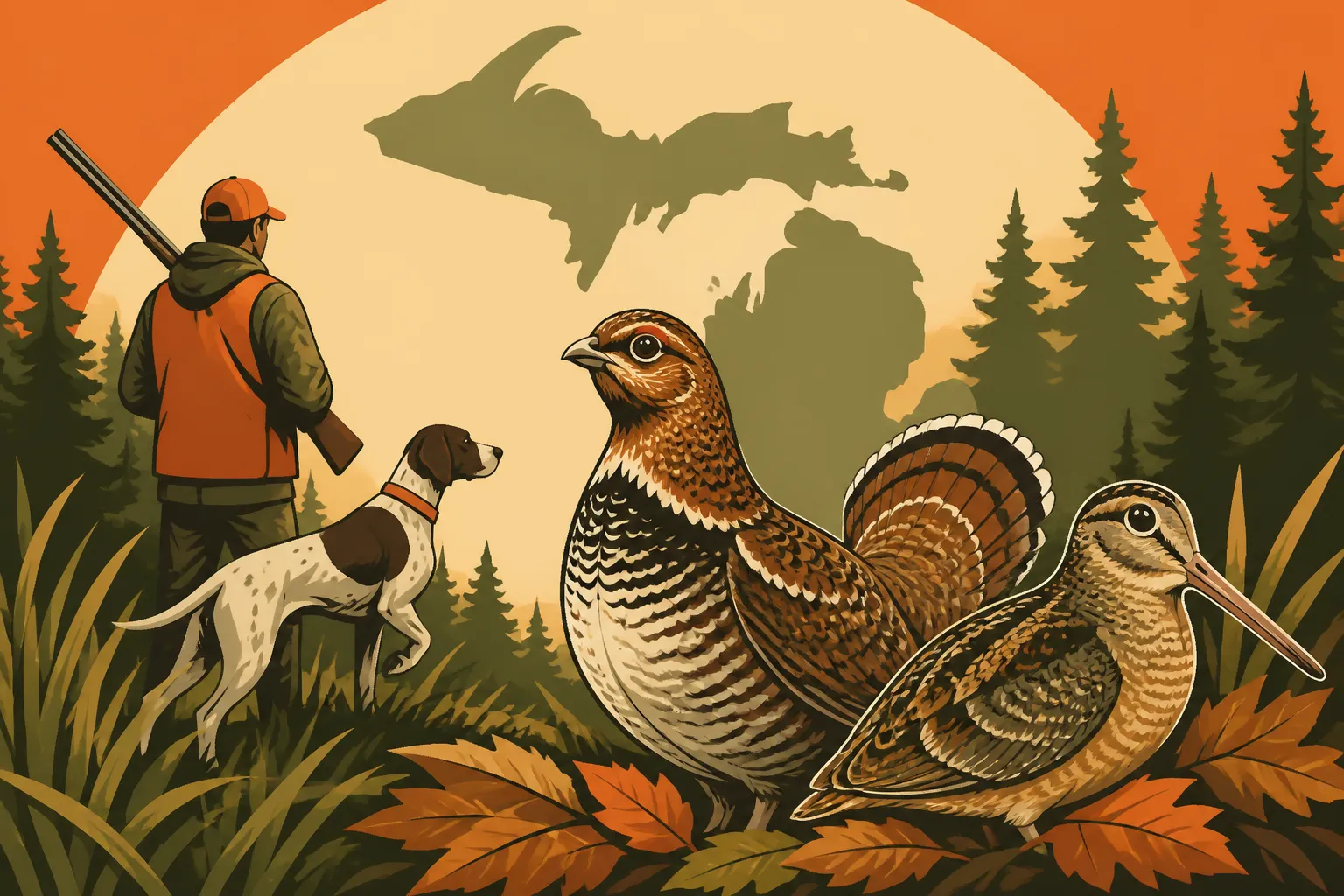
Hunting both ruffed grouse and American woodcock in Michigan during the same outing can sometimes feel like chasing two entirely different ghosts in the woods. Many hunters struggle to pinpoint those elusive pockets of cover where both species thrive, leading to frustration and missed opportunities, especially when prime time is fleeting. This comprehensive guide is designed to help you understand the shared and distinct habitat preferences of these magnificent birds, equipping you with the knowledge and tactics to consistently put both grouse and woodcock in your game vest.
Understanding Shared Habitat Preferences
One of the biggest keys to success when targeting both grouse and woodcock is recognizing that while they have some distinct preferences, there's a significant overlap in the types of cover they'll use, especially in Michigan. Grouse are often associated with aspen regeneration and mixed hardwood forests, while woodcock are famously tied to alder runs and young, wet lowland areas. The magic happens where these two worlds meet.
Aspen and Alder Intersections
Imagine a classic Michigan landscape: you've got a thriving aspen clearcut that's five to fifteen years old, full of saplings and dense overhead cover – perfect grouse territory. Now, picture that aspen cut bordering a low-lying, slightly wetter area fed by a small creek or seep, where alders and dogwoods have taken root. This is the sweet spot. Grouse will work the drier, brushier edges of the aspen, but they're not above dipping into the slightly wetter fringes, especially on cooler days or in the late afternoon. Woodcock, on the other hand, will often be found deeper in the alders, probing the soft soil for worms, but they'll often "edge" out into the younger aspen growth, particularly if the understory is open enough for them to fly through but still offers overhead protection.
This intersection is critical. Instead of walking distinct grouse cover for an hour, then changing gears and moving to completely different woodcock cover, focus your efforts on areas where these cover types seamlessly transition. Look for points, fingers, or peninsulas of aspen extending into marshy edges, or alder thickets that rise slightly into younger, denser hardwoods. Topographic maps, especially those with wetland overlays on platforms like GoHunt, can be invaluable for identifying these transitional zones before you even step foot in the woods. You might find some excellent Michigan Grouse Enhanced Management Site List options that naturally present this kind of mixed habitat.
Timber Diversity and Undergrowth
Both grouse and woodcock prefer areas with a diverse timber mix that provides varying levels of cover and food sources. For grouse, this often means younger, thick stands of aspen, birch, or even oak and maple with a dense understory. They need that thick overhead canopy to protect them from raptors and that dense brush at ground level to hide from predators. For woodcock, it's about soft, moist soil and thick overhead cover, usually provided by alders, willow, or young, dense conifers. When these elements are close, you increase your odds.
A diverse undergrowth, including ferns, bracken, dogwood, and other shrubby growth, benefits both. Grouse feed on buds, catkins, and berries, which are often found in these diverse understories. Woodcock, while primarily worm-eaters, also benefit from the cover provided by dense shrubs. Focus on areas where you see a rich variety of plant life, indicating good soil and moisture conditions, which are the building blocks of a healthy ecosystem for these birds. In the Northern Lower Peninsula, for instance, you'll find incredible diversity where pine plantations meet pockets of hardwoods and lowland cedar swamps, creating these perfect mixed environments.
Timing Your Hunt for Optimal Success
Timing is everything when pursuing grouse and woodcock simultaneously in Michigan. Their seasons overlap significantly, but the peak windows for finding them together are often influenced by migratory patterns and weather conditions.
Early Season Opportunities
Michigan's grouse and woodcock seasons typically open in mid-September. This early part of the season offers unique opportunities before heavy leaf fall. While the foliage is still dense, which can make shooting challenging, it's a great time to find local, resident birds. Woodcock, in particular, will still be scattered across their breeding grounds before their southward migration kicks into high gear.
During early September, look for young aspen cuts that border cattail marshes or alder swamps. The grouse will be using the thick aspen for cover and feeding on berries, while the woodcock will be in the wetter, worm-rich soil nearby. The challenge here is visibility; shots can be difficult through the thick canopy. Consider employing tactics like Flushing Grouse Without a Dog by walking slowly and methodically, using the thick cover to your advantage to get close before they flush. As the season progresses into early October, as some leaves start to drop, the shooting windows will improve, but the woodcock migration will also begin.
The Peak of the Woodcock Migration
The absolute sweet spot for hunting both species together often coincides with the peak of the woodcock migration, which typically occurs from mid-October through early November in Michigan. This is when local woodcock populations are bolstered by birds migrating from further north, passing through Michigan on their way south. Weather fronts, especially cold snaps from Canada, can push large numbers of woodcock into prime habitat.
For more detailed information on this, check out our guide on Timing the Michigan Woodcock Flight. During this period, the leaves have usually dropped significantly, improving visibility and making it easier to spot flushing birds. This is the time to really focus on those transitional cover types: the edges of older aspen cuts adjacent to alder bottoms, tag alder thickets near mature timber, or even small swales and drains within larger blocks of forest. The grouse will be actively feeding in the aspens, and the woodcock will be concentrated in the low, moist areas. This often provides the best chance for a mixed bag, assuming you've scouted the right locations.
Late Season and Cold Weather
As November progresses, especially after the firearm deer season, opportunities for woodcock dwindle as they complete their migration. However, late-season grouse hunting can still be excellent. If you're still hoping for a mixed bag, you'll need to focus on finding pockets of woodcock that have lingered, usually in the warmest, most protected, and wettest cover they can find – think spring seeps that haven't frozen over, or dense cedar swamps with soft ground.
Grouse, on the other hand, will often shift their habits as winter approaches. They'll frequent denser conifers for thermal cover and start feeding heavily on dormant buds, particularly aspen and birch catkins. If you're hunting in late November or early December, your focus will likely shift more towards grouse, but keep an eye out for those resilient woodcock in sheltered, wet spots. Understanding Michigan Grouse Season Dates and Michigan Woodcock Season Dates is crucial for planning these late-season outings.
Essential Gear and Tactics for a Mixed Bag
To successfully hunt both grouse and woodcock, you need gear and tactics that are versatile enough for both species and the demanding Michigan cover.
Shotgun and Ammunition Choices
Selecting the right shotgun and ammunition is paramount. Both grouse and woodcock are small, fast-flying birds that often flush in extremely thick cover, requiring quick, instinctive shooting.
A lightweight, fast-handling shotgun is ideal. Many hunters favor 20-gauge or 28-gauge shotguns for their lighter recoil and agility, especially when carrying them for miles through dense cover. A double-barrel (side-by-side or over-under) allows for quick follow-up shots and the flexibility of different chokes. For example, you might run an improved cylinder in the first barrel for close flushes and a modified choke in the second for longer shots.
When it comes to ammunition, lead shot is generally legal for upland birds in Michigan, unless you're hunting in a specific non-toxic shot zone (always check local regulations). Light loads of 7 ½ or 8 shot are perfect for both species. You want enough pellets to ensure a clean kill without excessive damage to the meat. A good starting point is a 2 ¾-inch shell with 7/8 to 1 ounce of 7 ½ or 8 shot. Getting your gun properly patterned before the season is always a good idea. Our guide on Best Shotgun Gauge for Michigan Grouse and Choke Choice for Fast Flushes offers more in-depth advice on these choices.
Apparel and Footwear for Dense Cover
Michigan's grouse and woodcock cover is often thick, wet, and unforgiving. Your clothing and footwear need to stand up to the challenge.
Hunter Orange: Michigan requires hunters to wear hunter orange during specific seasons, and while upland bird hunting often falls outside the core deer firearm seasons, it's always wise to wear highly visible orange, especially on public land. Even during archery season, it's a good safety practice. At a minimum, a bright orange vest or hat is recommended.
Brush Pants and Upland Vest: Durable brush pants are a non-negotiable. They protect your legs from thorns, briars, and abrasive cover. Look for pants made of tough materials like Cordura or waxed cotton, preferably with a waterproof treatment. An upland vest is also essential, allowing you to carry shells, water, snacks, and most importantly, your birds in a game bag. Many vests also feature a hydration bladder pocket, which is invaluable for long treks. For more on this, consider reading up on Upland Vests With Water Capacity and Brush Pants for Michigan Alder.
Footwear: For the often-wet conditions of woodcock cover, waterproof boots are critical. Choose boots that offer good ankle support for uneven terrain and are comfortable enough for many miles of walking. Rubber boots or waterproof leather boots with good traction are excellent choices. If you plan to wade through standing water or deeper mud, hip waders or chest waders might even be necessary. Our advice on Boots for Walking Michigan Aspen Cuts provides additional insights.
Dogs or Dogless Hunting
While a well-trained bird dog can be an incredible asset for finding and flushing grouse and woodcock, it's absolutely possible to hunt these birds successfully without one.
Hunting with a Dog: A pointing dog, like a German Shorthaired Pointer, English Setter, or Brittany, is invaluable for locating birds and holding them for a shot. A good flushing dog, such as a Springer Spaniel or Labrador, can also be highly effective. The key is a dog that works close, especially in thick Michigan cover, and responds well to commands. A dog also greatly improves game recovery, reducing the chance of leaving a downed bird in dense brush.
Dogless Hunting: If you don't have a dog, you'll need to adjust your tactics. Walking slowly, pausing frequently, and using the wind to your advantage are crucial. Many dogless hunters employ a "stop and go" technique: walk for 30-60 seconds, then stop for 10-15 seconds. This often makes nervous birds flush, as they mistake your pause for a predator freezing on their location. Pay close attention to fresh sign like droppings or dusting spots. While more challenging, Flushing Grouse Without a Dog is a skill many Michigan hunters master.
Maximizing Your Chances in the Field
Even with the right gear and an understanding of habitat, the real test comes in the field. Effective scouting and strategic hunting can significantly boost your success rate.
Pre-Season Scouting and Maps
Pre-season scouting is not just for deer hunters; it's vital for upland birds too. Before the season opens, dedicate time to walking potential hunting areas. Look for the habitat characteristics described above: young aspen stands, alder thickets, lowland fringes, and areas with diverse undergrowth. Note areas with active sign, such as grouse droppings, dusting bowls, or woodcock probing holes.
Using mapping tools like GoHunt, or the Michigan DNR's Mi-HUNT map, is incredibly helpful. You can overlay aerial imagery with public land boundaries, wetland indicators, and timber harvest data. This allows you to identify promising areas from home, saving you valuable hunting time. Look for younger clearcuts (often visible as lighter green or regenerated areas on aerials) adjacent to darker green, wet areas. Pay attention to stream corridors, drainage ditches, and any areas that appear consistently moist.
Hunting the Edges and Transitions
As mentioned earlier, the edges and transitions between different habitat types are where you'll find the most action. Instead of busting through the middle of a dense alder swamp or a uniform aspen stand, focus your efforts on the boundaries. Walk along the edge where an aspen cut meets an alder bottom, or where a conifer stand transitions into a deciduous forest. These are the highways and lunch counters for both grouse and woodcock.
Consider the time of day and recent weather. On cool, damp mornings, woodcock might be spread out in open, wet areas, while grouse might be feeding on berries on higher ground. As the day warms up, woodcock might move to denser, shadier cover, and grouse might move towards thicker thermal cover or dust baths. Adjust your route and focus accordingly. Don't be afraid to circle back through promising areas, as new birds might have moved in.
Working the Wind and Sun
Always try to hunt with the wind in your face, or at least quartering to you. This allows you to move quietly and gives you an advantage if you're hunting with a dog, as it helps them scent birds more effectively. It also means flushing birds will often fly away from you, giving you a slightly longer shot opportunity.
The sun can also play a role. Hunting with the sun at your back, especially in the morning or late afternoon, can make it harder for you to see flushing birds against the glare. Conversely, having the sun in your eyes can make it difficult to shoot accurately. Plan your routes to keep the sun to your side or back as much as possible, or wear a wide-brimmed hat to help shade your eyes.
Remember that Michigan's varied terrain means you'll encounter different conditions. On some days, you might be in open hardwoods, while the next, you're battling through dense lowland brush. Adaptability is key, and the reward of a mixed bag of these iconic Michigan game birds is well worth the effort.
| Feature | Ruffed Grouse Preference | American Woodcock Preference | Overlap for Mixed Bag |
|---|---|---|---|
| Habitat Type | Young aspen, mixed hardwoods (5-15 year old regeneration) | Alder thickets, willow, young conifers, moist bottomlands | Edges where young aspen/hardwoods meet wet alder/willow |
| Soil/Moisture | Drier uplands, well-drained but with good undergrowth | Soft, moist, worm-rich soil (often near water) | Slightly moist, transitional zones with good drainage |
| Cover Density | Dense overhead canopy, thick ground cover for escape | Dense, low-growing cover for concealment (usually 5-15 ft tall) | Areas with mixed vertical and horizontal cover |
| Food Sources | Buds, catkins (aspen, birch), berries, insects | Earthworms (primary), some insects | Mixed berry bushes, ground cover with good insect life |
| Migration | Resident (some local movements) | Migratory (early October to early November peak) | Peak woodcock migration in mid-October when grouse are active |
| Elevation | Higher ground, slopes, ridges | Low-lying areas, swamps, stream bottoms | Transitional slopes from high to low ground, gentle swales |
Conclusion
Successfully hunting both grouse and woodcock in Michigan is a rewarding challenge that asks you to pay close attention to the nuances of the landscape. It's about more than just walking through the woods; it's about reading the cover, understanding the seasons, and having the right mindset and gear. By focusing on those crucial habitat intersections, timing your hunts strategically, and preparing with versatile equipment and tactics, you'll be well on your way to enjoying the unique thrill of a mixed bag. Every flush, whether it's the explosive burst of a grouse or the twittering flight of a woodcock, is a testament to the wild beauty of Michigan's upland woods.
Disclaimer
Hunting and outdoor activities inherently carry risks. Always prioritize safety, follow all Michigan Department of Natural Resources (DNR) regulations, and respect private property. Consult the current Michigan Hunting and Trapping Digest for the most up-to-date rules and season dates before heading afield.