Hunting a Marsh After the Morning Draw
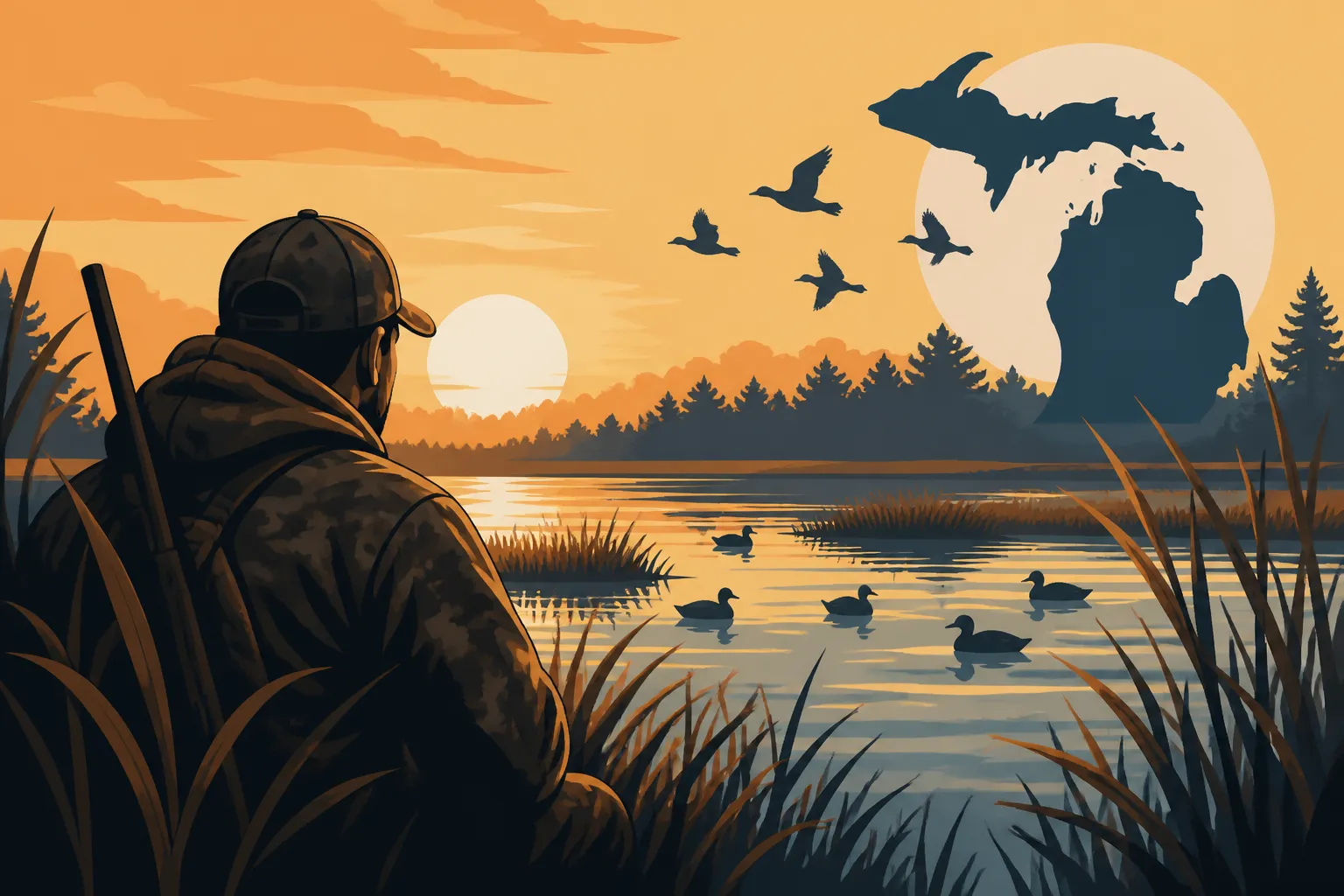
The piercing alarm clock on a frigid Michigan morning, the scramble to get to the managed waterfowl area, the anxious wait for the draw results, and then… the disappointment of not getting one of those coveted prime spots. It's a common frustration for many Michigan duck and goose hunters, leaving you feeling like your day is over before it even began. But I'm here to tell you that the morning draw is just the opening act, not the whole show. This guide will walk you through how to successfully hunt a marsh after the morning draw, turning potential frustration into a productive and rewarding hunt.
Understanding the Morning Draw and Its Aftermath
For many Michigan waterfowlers, the early morning ritual at a managed waterfowl area is as ingrained as the smell of stale coffee and damp waders. Places like Pointe Mouillee, Nayanquing Point, or Fish Point are legendary, but getting a good spot can feel like winning the lottery. When you don't draw that prime spot, it’s easy to feel defeated, but understanding what happens after the initial push is key to turning your day around.
The Dynamics of the Managed Waterfowl Draw
The managed waterfowl draw system in Michigan is designed to distribute hunters across specific areas, often with carefully managed habitat units. Think of it as a controlled chaos. Hunters line up, hope their number gets called, and then rush to claim their assigned hunting unit. For those who do secure a spot, the excitement is palpable; they know they're heading into a location that usually holds birds or is on a key flight path.
This initial influx of hunters and the ensuing morning volley of shots create a massive disturbance. It's like dropping a stone into a still pond – the ripples spread far and wide. The hunters who drew those coveted spots are often hoping for the first flight of birds, the ones fresh off the roost, unsuspecting and eager to feed. This makes for intense, fast-paced action for the lucky few, but it also fundamentally changes the entire marsh ecosystem for the rest of the day. For more information on how these managed areas operate, check out our guide on Michigan Managed Waterfowl Area Draws.
The Psychological Impact on Waterfowl
Imagine being a duck or goose trying to enjoy a quiet breakfast when suddenly, shotguns are booming, hunters are yelling, and boats are roaring to life. It's enough to send anyone scrambling! Waterfowl, despite their seemingly wild nature, are creatures of habit and remarkably intelligent when it comes to self-preservation. When the morning draw begins, and the first waves of hunters start moving into their spots, birds that were comfortably roosting or feeding immediately feel the pressure.
Their first instinct is almost always to flee. They'll lift off in massive flocks, often climbing high into the sky, trying to get above the noise and danger. But where do they go? They don't just vanish into thin air. Instead, they seek out areas of safety. This might be a nearby sanctuary, a large body of open water where they feel secure, or even just secluded, often overlooked pockets of the marsh that are less accessible or simply not part of the active hunting units. These "refugees" are the birds you'll be targeting. They're not looking for food or social interaction anymore; they're looking for peace and quiet. Understanding this shift in their behavior from feeding to seeking sanctuary is crucial for hunting successfully after the morning draw.
Reading the Marsh: Waterfowl Behavior After Pressure
Successfully hunting a marsh after the morning draw isn't about brute force or loud calling; it's about finesse and observation. You need to become a detective, reading the subtle clues the marsh provides about where the pressured birds have gone to find respite.
Identifying "Quiet Zones" and Untapped Areas
After the initial barrage, the marsh develops a distinct personality. There will be the "hot" zones where the drawn hunters are, and then there will be the "quiet zones" – these are your golden opportunities. Waterfowl, once disturbed, don't necessarily fly miles away. Instead, they often just move to the nearest perceived safe haven. This could be a thick stand of cattails in an inaccessible corner, a shallow backwater slough hidden from view, or even deeper, open water areas where hunters in waders can't easily reach.
Your job is to identify these spots. Often, these areas are adjacent to the main hunting units but are difficult to access due to mud, thick vegetation, or shallow water. They might be small pockets that simply don't have enough room for a full party to set up, or they might be on the opposite side of a wind break from the primary hunting pressure. Using detailed mapping tools, like those provided by GoHunt or the Michigan DNR's Mi-HUNT map, can be incredibly helpful here. Look for subtle changes in topography, deeper channels leading to isolated ponds, or dense cover that would naturally provide concealment. Sometimes, even the smallest patch of unpressured water, no bigger than a kitchen table, can hold a few contented ducks after the morning rush.
The Mid-Day Lull and Afternoon Feed
Waterfowl, like most wildlife, operate on a natural rhythm. Typically, they'll leave their roosting areas at dawn to feed, then return to loaf or rest during the mid-day, before heading out for another feed in the late afternoon. The morning draw completely disrupts this natural cycle. The initial feed is interrupted, and the mid-day rest is often spent dodging hunters.
However, birds still need to eat. As the morning pressure wanes and drawn hunters start to pack up or simply settle into a quieter rhythm, the surviving birds might begin to feel safe enough to venture out for that delayed meal. This is where the mid-day lull transitions into a potential afternoon feed. The key is understanding that this "afternoon feed" might not happen in the traditional prime feeding grounds that were pounded in the morning. Instead, birds might seek out less obvious, quieter food sources. This could be a patch of submerged vegetation in a secluded cove, or a shallow area with invertebrates stirred up by the earlier activity. Your best bet is to be patiently waiting in one of those quiet zones as the marsh slowly starts to breathe again. Observing the overall Duck Migration Timing Through Michigan can help you anticipate when different species might be more active.
Scouting for Success in Post-Draw Conditions
Effective scouting is always crucial in waterfowl hunting, but for hunting a marsh after the morning draw, it becomes absolutely paramount. You're not just looking for birds; you're looking for their escape routes, their hiding spots, and their patterns of evasion.
Pre-Season and Early-Season Reconnaissance
You can't just show up on the day of the hunt and expect to find these hidden gems. The true work begins long before the draw. Spend time in the marsh during the late summer and early fall, before hunting pressure really ramps up. Walk the edges, paddle through sloughs, and use binoculars from elevated positions outside the hunting area to observe where birds go when they're undisturbed. This helps you identify natural resting areas and preferred feeding spots.
Pay close attention to wind breaks, deep water pockets, and areas of dense vegetation. These are often the same places birds will flee to when the guns start roaring. Note any bottlenecks or funnels that birds naturally use to fly between different parts of the marsh or to enter and exit sanctuaries. These funnels can become critical ambush points later in the season. Consider using mapping applications like GoHunt to mark potential "safe zones" and escape routes during your scouting trips. Knowing the general Michigan Waterfowl Seasons and Zones will help you time your scouting efforts.
Real-Time Observations During the Draw
This is where many hunters miss a crucial opportunity. Instead of just grumbling about not drawing a prime spot, take a moment to watch. When the morning rush begins and the first shots ring out, pay close attention to the flight patterns of the birds. Where are they coming from? Where are they trying to go? Are they flying high and wide, or are they hugging the treeline or cattail edges?
Often, you'll see large flocks of ducks and geese pour out of the main hunting units and immediately head for a specific, seemingly "untouchable" section of the marsh or a nearby refuge. That's your clue! That's where you need to focus your efforts for the rest of the day. Note the wind direction; birds almost always land and take off into the wind. This will inform your setup later. Watching where birds land after being pressured is like getting a direct message from the ducks themselves, telling you exactly where they feel safe. This kind of real-time intelligence is invaluable and far more effective than just blindly picking a spot.
Essential Gear for After-Draw Marsh Hunting
Hunting a marsh after the morning draw demands a slightly different approach to gear than a typical aggressive morning setup. Your focus needs to shift towards realism, subtlety, and mobility.
Decoy Spreads for Pressured Birds
When birds have been shot at all morning, they become incredibly wary. A massive, flashy spread of decoys that worked on naive birds at dawn can actually be a deterrent later in the day. Often, less is more. Consider a smaller, more realistic spread.
- Smaller Spreads, Realism First: Instead of 2-3 dozen decoys, try a spread of 6-12 high-quality, lifelike decoys. Mix in different species if you know they frequent the area – a few mallards, some teal, maybe a pintail or two if they're migrating. This conveys a sense of natural activity without looking like an obvious trap.
- Confidence Decoys: Sometimes, adding a few non-duck decoys can make a big difference. A pair of coot decoys or even a lone goose decoy sitting peacefully can lend an air of safety to your spread, convincing wary ducks that it's a safe place to land.
- Motion Decoys: A single, subtle motion decoy, like a jerk string or a very slowly rotating spinning wing decoy, can provide just enough realistic movement to catch a duck's eye without being overtly aggressive. Avoid overly active motion that might spook pressured birds.
- Placement for Landing: Crucially, create a wide-open landing zone for the birds. They want to land in safety, away from anything that looks like cover or a hunter. Position your decoys to guide them directly into your kill hole.
Camouflage, Calling, and Concealment
Your ability to disappear into the marsh is paramount. These birds have just experienced intense pressure and will be scanning the area with extreme caution.
- Flawless Concealment: Forget about a quick setup. Take the time to absolutely disappear. Natural blinds built from surrounding vegetation are often superior to artificial blinds because they blend seamlessly. If using a portable blind, ensure it's brushed in perfectly. Mud your face, wear gloves, and eliminate any shiny objects. Even a hint of reflected sunlight can ruin your hunt.
- Subtle Calling: Aggressive, loud calling that might work on an excited flock in the morning can easily flare pressured birds. Instead, opt for soft, subtle calls. A few contented quacks, a soft chuckle, or a feeding chatter can be much more effective. Mimic the quiet sounds of happy, unpressured ducks. It's about reassurance, not aggression.
- Mobility Gear: You might need to move to find those quiet zones. This often means navigating tricky terrain. Good Waders and Boats for Michigan Marshes are essential. A sneak boat, kayak, or even a sturdy canoe can help you access those hard-to-reach pockets where pressured birds are hiding. Make sure any boat you use is camouflaged effectively and moves quietly through the water. Remember, stealth is your best friend.
Strategic Setups for Mid-Day and Afternoon Hunting
Once you've identified a potential quiet zone and assembled your gear, it's time to execute a strategic setup. This isn't about setting up in the obvious place; it's about anticipating the subtle movements of wary birds.
Positioning for Escape Routes and Resting Areas
Your setup location is everything when targeting pressured birds. You're not intercepting a main flight path; you're trying to ambush birds that are either seeking refuge or cautiously venturing out for a late feed.
- Edges of Sanctuaries: Position yourself on the very edge of a known sanctuary or an area you've identified as a "no-go" zone for other hunters. Birds will often cup their wings and attempt to land just inside these protected areas. If you're concealed just outside, on their approach, you have a solid chance.
- Bottlenecks and Funnels: Look for natural choke points or funnels. These could be narrow channels between islands of cattails, a break in a tree line, or a slight rise in topography that forces birds to fly a particular path. If birds are being pushed from one side of the marsh to another, these funnels become high-traffic areas.
- Wind Awareness: Always set up with the wind at your back, or slightly quartering. Ducks and geese prefer to land and take off into the wind. This means they will typically approach your decoys facing you, giving you the best shot opportunity as they commit.
- Low Profile: Your blind needs to be absolutely invisible. Dig into the bank, use natural vegetation, or utilize a low-profile layout blind if the terrain allows. Remember, these birds have spent the morning avoiding hunters, so any unnatural outline will immediately send them flaring.
Here's a quick comparison of decoy spread strategies for pressured marsh hunting:
| Decoy Spread Strategy | Best For | Decoy Count | Key Features |
|---|---|---|---|
| Small & Realistic | Highly pressured ducks, late morning/early afternoon | 6-12 | High-quality, mixed species, natural motion |
| Confidence Spread | Wary ducks and geese, to create a sense of safety | 10-15 (mix of ducks, coots, maybe a goose) | Focus on natural, relaxed posture of decoys |
| Landing Zone Focus | Enticing birds to commit to a specific landing spot | 12-18 | Wide-open "kill hole," decoys positioned as guides |
| Bottleneck/Funnel | Directing flight path through a narrow opening | 6-10 | Minimal decoys, placed strategically to confirm safety |
Adapting to Changing Conditions
The marsh is a dynamic environment, and what works at 10 AM might not work at 2 PM. Flexibility is key.
- Wind Shifts: Wind is a constant factor in waterfowl hunting. If the wind shifts significantly, you might need to adjust your decoy spread or even move your entire setup to maintain the optimal landing approach. Keeping a close eye on the weather forecast and real-time conditions is vital.
- Bird Activity: Observe if birds start moving more or less as the day progresses. Are they still hugging the distant treelines, or are they beginning to venture into more open water? Adjust your calling volume and style accordingly. If they're moving more freely, you might be able to increase your calling slightly; if they're still skittish, stick to soft, reassuring clucks.
- The Patience Game: Perhaps the most important adaptation is patience. Hunting after the morning draw is rarely a fast-paced, high-volume affair. It's often about waiting for those few, wary birds to make a mistake. There will be long periods of quiet. Use this time to remain absolutely still, observe your surroundings, and stay ready. You might only get a few opportunities, but if you're patient and well-prepared, those opportunities can be golden. If you do get a few birds, make sure you understand the Michigan Duck Daily Bag Limit. After a successful hunt, remember to Report a Michigan Harvest in 72 Hours or whatever the specific rules are for waterfowl. Always ensure your Michigan Federal Duck Stamp Rules are up to date.
Safety Considerations and Ethical Hunting
Hunting a marsh after the morning draw, especially if you're venturing into less-traveled areas, comes with its own set of safety and ethical responsibilities. The solitude of these spots can be a double-edged sword.
Water Safety and Navigation
Many of the quiet zones in a marsh are "quiet" precisely because they're difficult to access. This often means traversing tricky water, thick mud, or dense vegetation.
- Know Your Limits: Don't attempt to access an area if you're not confident in your ability to get there and back safely. Deep mud can trap waders, and dense reeds can hide treacherous drop-offs or submerged obstacles.
- PFDs Are Not Optional: Even if you're in shallow water, a personal flotation device (PFD) is a non-negotiable item, especially if you're using a small boat or wading through questionable bottoms. Falling in cold marsh water can quickly lead to hypothermia.
- Communication is Key: Always tell someone where you're going and when you expect to return. Carry a fully charged cell phone in a waterproof bag, and consider a two-way radio if you're hunting with a partner in areas with spotty cell service.
- Weather Watch: Michigan weather can change rapidly. A calm morning can turn into a blustery afternoon with white caps on open water. Be aware of changing wind, temperature, and precipitation forecasts. Heading out onto Layout Hunting Michigan Big Water during a surprise squall can be extremely dangerous.
Respecting Other Hunters and Wildlife
Even after the morning draw, there might still be other hunters out there, and your actions reflect on the entire hunting community.
- Avoid Sky-Busting: There's nothing more frustrating than a hunter taking an excessively long shot and flaring birds for everyone. Be patient, let the birds work, and only shoot at ducks and geese that are within your effective range.
- Be Mindful of Sanctuaries: Respect any designated refuge areas. Not only is it illegal to hunt within them, but pressuring birds in these safe havens can disrupt their patterns for days, impacting everyone's hunting opportunities.
- Pick Up Your Shells: Be a good steward of the land. Pick up all your spent shotgun shells and any other trash you bring in. Leave the marsh cleaner than you found it.
- Ethical Shooting: Always strive for clean, ethical kills. If you wound a bird, make every effort to recover it. This ties into ensuring you know the Michigan Duck Daily Bag Limit and only shooting at identifiable birds within range. Understanding the Michigan Duck Harvest Numbers overall highlights the importance of each ethical harvest. Don't forget to complete your Michigan HIP Certification for Bird Hunters as required.
Hunting a marsh after the morning draw might feel like a consolation prize, but with the right mindset, preparation, and techniques, it can often lead to some of the most satisfying and challenging waterfowl hunting experiences Michigan has to offer.
Disclaimer
Please be aware that hunting regulations, seasons, and licensing requirements can change. Always consult the most current Michigan Department of Natural Resources (DNR) regulations before planning any hunting trip. This article is for informational purposes only and does not constitute legal advice or guarantee hunting success.