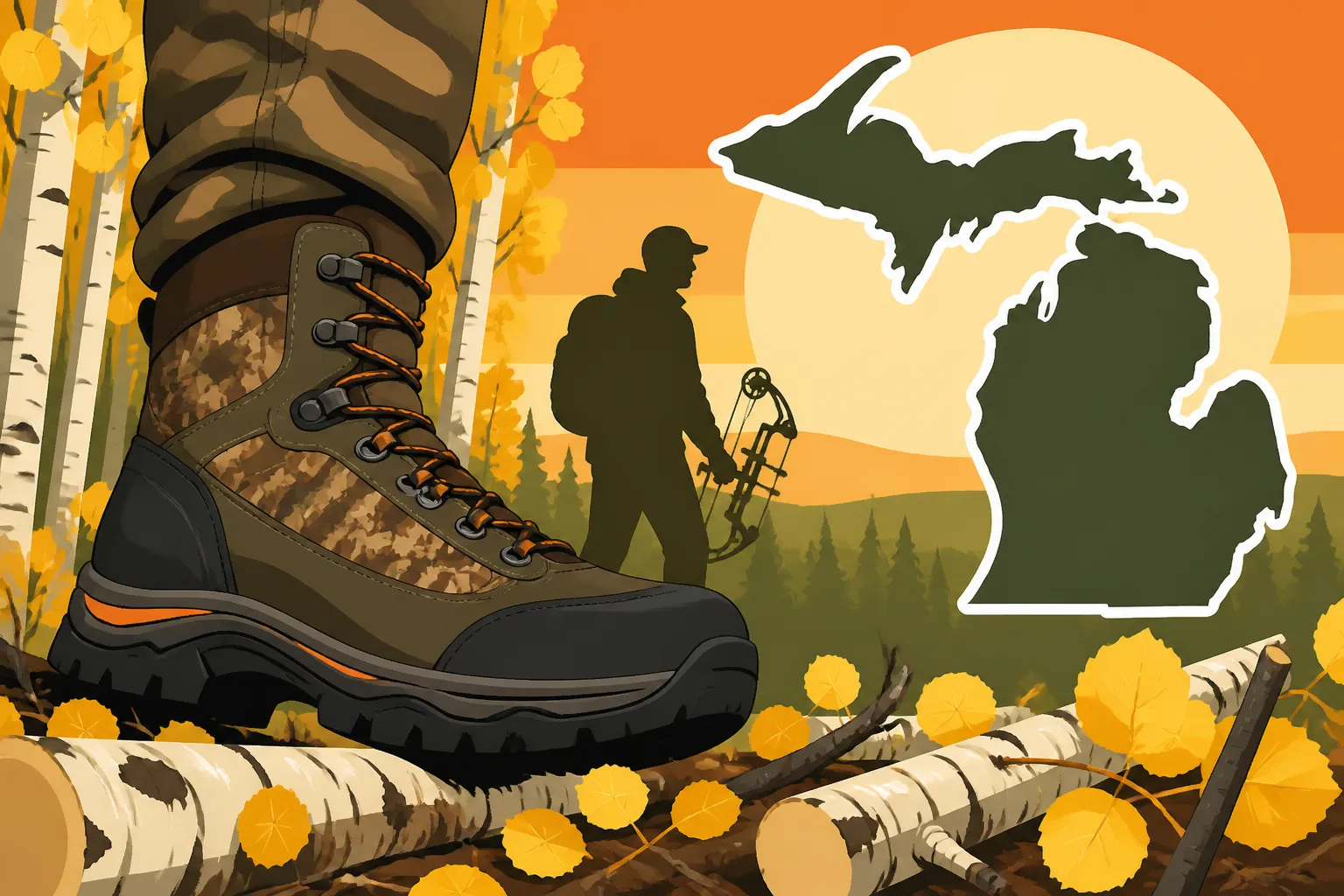
Boots for Walking Michigan Aspen Cuts
If you've spent any time chasing grouse or woodcock in Michigan's aspen cuts, you know it's a special kind of challenge for your feet. These regenerating forests, while wildlife havens, are also notorious for their dense undergrowth, hidden water, treacherous root systems, and a ground that seems perpetually damp. Picking the right pair of boots isn't just about comfort; it's about staying dry, maintaining your footing, and ultimately, extending your hunt without blisters or twisted ankles. This guide will walk you through what to look for in boots specifically designed to conquer the unique demands of Michigan's aspen country.
Understanding the Terrain: Why Aspen Cuts Are So Tough on Boots
Michigan's aspen cuts are fantastic habitat for grouse and woodcock, but they're also incredibly demanding on your gear, especially your boots. The landscape is a constant battle against moisture, uneven footing, and relentless brush. It's a place where a casual stroll quickly turns into a deliberate, careful hike, and your boots are your first line of defense.
The Mud and Water Factor
Let's face it, Michigan is a state crisscrossed with wetlands, low areas, and countless small streams, even in seemingly dry areas. Aspen stands, particularly younger ones, often grow in soils that retain moisture or are adjacent to boggy sections. You can go from ankle-deep dry leaves to knee-deep muck in just a few steps. It's not uncommon to punch through seemingly solid ground into a hidden seep. This means your boots aren't just protecting you from a morning dew; they're facing standing water, saturated soil, and persistent mud. Nothing saps your morale faster than cold, wet feet a mile back in the cover. This is especially true when you're Grouse Hunting Michigan Aspen Cover where staying comfortable allows you to focus on the birds.
Uneven Ground and Stumps
Beyond the wetness, aspen cuts are a minefield of tripping hazards. The ground is rarely flat. You'll encounter hidden stumps from previous logging, tangled root systems, blowdowns, and a thick carpet of saplings and brush that obscures your footing. Every step requires concentration. A boot that lacks proper support can lead to a twisted ankle or a strained knee, cutting your hunt short and potentially causing a serious injury miles from the nearest two-track. Picture yourself flushing a bird, turning quickly, and feeling your foot roll — it's a common scenario in these environments.
Seasonal Challenges
The challenges presented by aspen cuts also shift with the seasons. In early fall, during the initial weeks of grouse and woodcock season, the ground can be a mix of damp earth and thick green vegetation. By late October and into November, the leaves have fallen, creating a slippery, ankle-deep carpet that hides rocks, roots, and wet spots. A light rain can turn these fallen leaves into a slick, treacherous surface. Later in the season, as temperatures drop, standing water can freeze, turning into hidden ice patches under a light dusting of snow. Each phase presents its own unique demands, meaning a versatile boot is often preferred over one strictly for dry, even ground. When you're Woodcock Hunting Michigan Alder Runs, these seasonal changes are just as important to consider.
Key Features to Look For in Aspen Cut Boots
When you're out there, miles from the truck, with a bird dog sniffing every scent, your boots become an extension of your body. They need to perform under pressure, protecting your feet from the elements and the terrain. Ignoring these key features can lead to a miserable day and potentially even an unsafe situation.
Waterproofing
This is non-negotiable for Michigan aspen cuts. As we discussed, you will encounter water. Good waterproofing means you can step through a puddle, cross a shallow creek, or slog through boggy ground without your socks getting soaked. Look for boots that feature established waterproof membranes like Gore-Tex, or other reputable proprietary technologies. These membranes are designed to let sweat vapor escape while preventing external water from entering. However, remember that "waterproof" isn't a magic shield for deep submersion; the height of the boot's shaft also plays a crucial role. A 6-inch waterproof boot will still get wet if you step into 8 inches of water. Higher boots (8-10 inches) offer more protection against deeper puddles and brush-scraping moisture. Always check the waterproof rating and what the manufacturer guarantees.
Support and Stability
Given the uneven, root-bound, and often slippery terrain, ankle support is paramount. A good boot will have a stiff, supportive collar that cradles your ankle, preventing it from rolling over when you step on an unseen log or rock. This isn't just about preventing sprains; it reduces fatigue over a long day of walking. Furthermore, the boot's sole needs to provide torsional rigidity—meaning it resists twisting—to maintain stability on canted surfaces. A shank (often steel, nylon, or fiberglass) embedded in the sole contributes to this stiffness and protects your feet from sharp objects penetrating from below. Don't skimp here; a flimsy boot will leave your feet screaming and your balance compromised, especially when you're doing a lot of Flushing Grouse Without a Dog and constantly moving.
Traction and Outsole Design
The outsole is where the rubber meets the trail (or the mud). In aspen cuts, you need a sole with aggressive, multi-directional lugs that can grip in soft mud, shed debris, and prevent slips on wet leaves and moss-covered logs. Avoid boots with shallow, smooth tread patterns; these are fine for groomed trails but utterly useless in Michigan's dense cover. Deeper, widely spaced lugs are generally better for mud, as they allow mud to clear out rather than pack up. The rubber compound itself also matters; some compounds offer better grip in wet or cold conditions. Consider also the heel design; a defined heel can help grip on downhill slopes.
Durability and Materials
Aspen cuts are tough on boot uppers, too. Expect constant abrasion from thorny brush, sharp stumps, and fallen branches.
- Full-grain leather is incredibly durable, molds to your foot over time, and can be re-waterproofed. It's often heavier and requires more break-in but offers excellent longevity.
- Synthetics (like nylon, Cordura, or microfibers) are lighter, often more breathable, and dry faster. They can be very durable too, especially when reinforced, but may not last as long as well-maintained leather over many seasons of hard use.
- Rubber boots excel in waterproofing and often require no break-in. They are fantastic for truly wet, muddy conditions but typically offer less ankle support, breathability, and cushioning than traditional hiking or hunting boots. They also can be less puncture-resistant in the upper portions.
Many modern boots are a hybrid of leather and synthetic materials, aiming to combine the best aspects of both: durability in high-wear areas with lighter weight and breathability elsewhere. Look for reinforced toe caps and heel counters, and ensure stitching is robust. When you're checking out options, a resource like GoHunt can provide detailed reviews and comparisons on various material constructions.
Types of Boots Best Suited for Michigan Aspen Cuts
Choosing the right boot often comes down to balancing waterproofing, support, and overall comfort for the specific conditions you anticipate. There isn't one "perfect" boot, but rather a spectrum of options that excel in different aspects.
Traditional Leather/Synthetic Hiking Boots
These are your workhorse boots, often resembling heavy-duty hiking boots but built with hunting in mind. They typically feature a mix of durable full-grain leather and rugged synthetic fabrics, combined with a waterproof-breathable membrane like Gore-Tex.
- Pros: Excellent ankle support, good cushioning for long days, strong traction, and breathability. They break in to mold to your feet, offering superior comfort over time. They are generally versatile enough for varied terrain, from the thick stuff to more open woods. Many hunters find their feet much less fatigued after a long day in a well-fitting pair.
- Cons: Can be heavier than pure synthetics. While waterproof, deeper puddles or prolonged submersion will eventually find a way in if the boot isn't tall enough. They also require more care and drying time after a truly wet hunt compared to rubber. The break-in period can be uncomfortable if not managed properly. If you're Hunting Grouse and Woodcock Together, you might cover a lot of ground, and comfort is key.
- Ideal Use: Most general grouse and woodcock hunting in aspen cuts where you expect a mix of wet and dry ground, requiring extensive walking and good support.
Rubber Boots
When the ground is truly saturated, or you anticipate sloshing through standing water and deep mud, rubber boots are kings of waterproofing. They come in various heights, from ankle-fit to knee-high.
- Pros: Unbeatable waterproofing. You can walk through standing water up to the top of the boot without a drop getting in. They're easy to clean – just hose them off. Many modern rubber boots, like those from LaCrosse or Muck Boots, now incorporate insulation for colder weather and improved sole designs for better traction and comfort than the old-school flimsy models.
GoHuntreviews often highlight popular insulated rubber boot models for cold, wet conditions. - Cons: Generally offer less ankle support than lace-up boots, which can be a problem on uneven terrain, increasing the risk of rolling an ankle. They can be less breathable, leading to sweaty feet, especially during warmer early-season hunts or when you're moving a lot. This can ironically lead to wet feet from sweat, even if external water is kept out. They tend to be heavier and bulkier, which can lead to fatigue over many miles.
- Ideal Use: Best for areas known to be consistently wet, boggy, or where you'll be crossing streams frequently. Excellent for early morning hunts when heavy dew soaks everything. Also a strong choice for late season when cold and wet are the primary concerns.
Hybrid Boots
This category has gained popularity by trying to offer the best of both worlds. Hybrid boots often feature a waterproof rubber lower section that extends well above the ankle, combined with a lighter, more breathable, and supportive upper made of leather or synthetic materials.
- Pros: Excellent waterproofing in the critical foot and lower ankle areas, combined with better ankle support, breathability, and often lighter weight than full rubber boots. They provide a good balance for hunters who face consistently damp conditions but still need the comfort and support for long walks.
- Cons: They can still be a bit less breathable than a pure leather/synthetic boot. The transition point between rubber and upper material is a potential failure point for waterproofing over time, depending on construction quality. They can be a bit more expensive due to their complex construction.
- Ideal Use: A fantastic all-around option for Michigan aspen cuts, particularly if you're hitting early season hunts and expect moderate to heavy moisture. They offer a great blend of protection and performance for the active upland hunter. When you are Hunting the Michigan Upper Peninsula for Deer and walking rugged, wet terrain, a good hybrid boot can make all the difference.
Sizing, Fit, and Maintenance for Longevity
Even the best boots in the world won't perform if they don't fit right or aren't cared for properly. A little attention to detail before and after your hunt can dramatically improve your experience and extend the life of your investment.
Getting the Right Fit
This is crucial. Always try on boots with the kind of socks you'll actually wear while hunting. Your foot swells slightly throughout the day, so trying them on later in the afternoon or after being on your feet for a while is a good idea. You should have enough room to wiggle your toes, but your heel should not lift excessively when you walk. Your foot should feel snug but not compressed. Walk around the store (or your house) for a good 10-15 minutes to identify any pressure points. Don't rush this process; a poorly fitting boot will cause blisters, hotspots, and general misery. Many serious hunters even check out detailed sizing guides and customer reviews on sites like GoHunt before making a purchase, to see if a particular brand runs large or small.
Sock Selection: The Unsung Hero
Your socks are just as important as your boots. Cotton socks are a definite no-go for hunting; they absorb moisture, stay wet, and cause blisters. Instead, opt for wool or synthetic blends designed for hiking or hunting. These materials wick moisture away from your skin, helping to keep your feet dry and warm even if they sweat. They also offer cushioning in key areas. Experiment with different thicknesses based on the temperature and the fit of your boots. A thin liner sock paired with a thicker outer sock can be a great system for wicking moisture and preventing friction.
Post-Hunt Care for Longevity
After a day in the aspen cuts, your boots will likely be dirty and damp.
- Clean Them: Brush off loose dirt and mud. If they're really caked, a gentle rinse with water (avoiding submerging leather boots unless they are fully rubber clad) will help. Let them air dry naturally. Never use direct heat sources like a campfire, radiator, or hairdryer, as this can damage materials, especially leather and waterproof membranes.
- Dry Them Thoroughly: If the inside is wet, stuff them with newspaper or use a boot dryer (avoiding heat settings that are too high for leather). Ensure they are completely dry before storing them to prevent mold, mildew, and unpleasant odors.
- Condition Leather: For leather boots, once dry, apply a leather conditioner or waterproofing treatment as recommended by the manufacturer. This keeps the leather supple, prevents cracking, and maintains its water resistance. Even synthetic boots can benefit from a DWR (Durable Water Repellent) spray refresh on their fabric portions.
- Inspect: Regularly check seams, laces, and soles for wear and tear. Address small issues before they become big problems. Replacing worn laces or re-gluing a minor sole separation can save a pair of boots.
Taking these steps will ensure your boots are ready for your next adventure, whether you're hunting in the thick cover or on Scouting Michigan Public Land Before Season.
| Boot Type | Pros | Cons | Ideal Michigan Aspen Cut Scenario |
|---|---|---|---|
| Traditional Hunting Boots | Excellent ankle support, breathable, versatile, durable. | Can be heavy, require break-in, not for deep standing water. | Mixed terrain, long walks, moderate moisture, general upland hunting. |
| Rubber Boots | Superior waterproofing, easy to clean, often insulated. | Less ankle support, less breathable, can be heavy/bulky. | Extremely wet/boggy areas, stream crossings, heavy dew, cold and muddy conditions. |
| Hybrid Boots | Good blend of waterproofing and support, more breathable. | Can be expensive, potential for wear at material transitions. | Consistently damp conditions needing good support, variable terrain, longer hunts where comfort is key. |
Remember, your boots are a crucial part of your upland hunting success in Michigan. Invest wisely, care for them diligently, and they'll carry you through countless miles of rewarding days in the covers.
Disclaimer
This article is for general informational purposes only and does not constitute professional advice. Laws, prices and regulations vary by location and change over time. Consult a qualified professional for guidance on your specific situation.