Michigan Apprentice Licence Rules
It’s a tale as old as time in Michigan: you want to share the incredible experience of hunting with a new person, whether it's your child, a grandchild, a friend, or even a spouse, but the hurdle of hunter safety often feels like a massive roadblock, especially with busy schedules. Many aspiring hunters or their eager mentors get stuck wondering how to get started without immediately committing to a multi-day course. Thankfully, Michigan offers a fantastic solution to this exact problem with its Apprentice License rules, designed to smooth the entry into our rich hunting traditions and allow newcomers to experience the field under direct supervision.
Understanding the Michigan Apprentice License: A Bridge to Hunting
Michigan’s Apprentice License program is a thoughtful initiative designed to introduce new hunters to the sport in a safe, mentored environment before they complete their official hunter education course. It’s a vital bridge, allowing folks to get hands-on experience and fall in love with hunting without the upfront time commitment of a hunter safety class. For many, especially busy families or adults who decide later in life that they want to try hunting, this license is a game-changer. It removes that initial barrier and makes the path to becoming a hunter much more accessible and less daunting.
What Exactly is an Apprentice License?
At its core, a Michigan Apprentice License serves as a temporary, supervised permit that allows an individual to participate in hunting activities without first completing a certified hunter safety course. Think of it as a learner's permit for hunting. Its primary purpose is to remove the initial hurdle of hunter education, enabling a direct entry into the field, albeit with strict conditions. This approach acknowledges that some people learn best by doing, or simply need to experience the sport firsthand to truly commit to the required coursework. It's a fantastic way to gauge interest and develop foundational skills and fieldcraft under the watchful eye of an experienced hunter.
The Apprentice License is specifically aimed at new hunters, regardless of age. While it’s often used by parents introducing their children to the outdoors, it’s equally available and beneficial for adults who are new to hunting. Perhaps you've always wanted to try deer hunting with a friend, or learn the ropes of pheasant hunting. This license opens that door. It directly addresses the common frustration of wanting to share the outdoors but being constrained by the need for formal certification before even stepping foot in the woods with a firearm or bow. It's a way to try before you fully buy into the commitment of hunter education. The Michigan Department of Natural Resources (DNR) designed this program to encourage participation and ensure the continuity of our hunting heritage, recognizing that a positive first experience can make all the difference.
Who Qualifies for an Apprentice License?
One of the great things about Michigan’s Apprentice License is its broad applicability. There aren't strict age minimums beyond what's generally required for a hunting license in Michigan, though it's most commonly utilized by youth and adults who haven't yet completed hunter safety. Essentially, anyone who hasn't fulfilled the Michigan Hunter Safety Requirement but wishes to hunt in Michigan can apply for this license, provided they meet certain conditions. It's a true entry point for everyone, whether you're a young teenager eager to join family deer camp or an adult looking to pick up a new outdoor hobby.
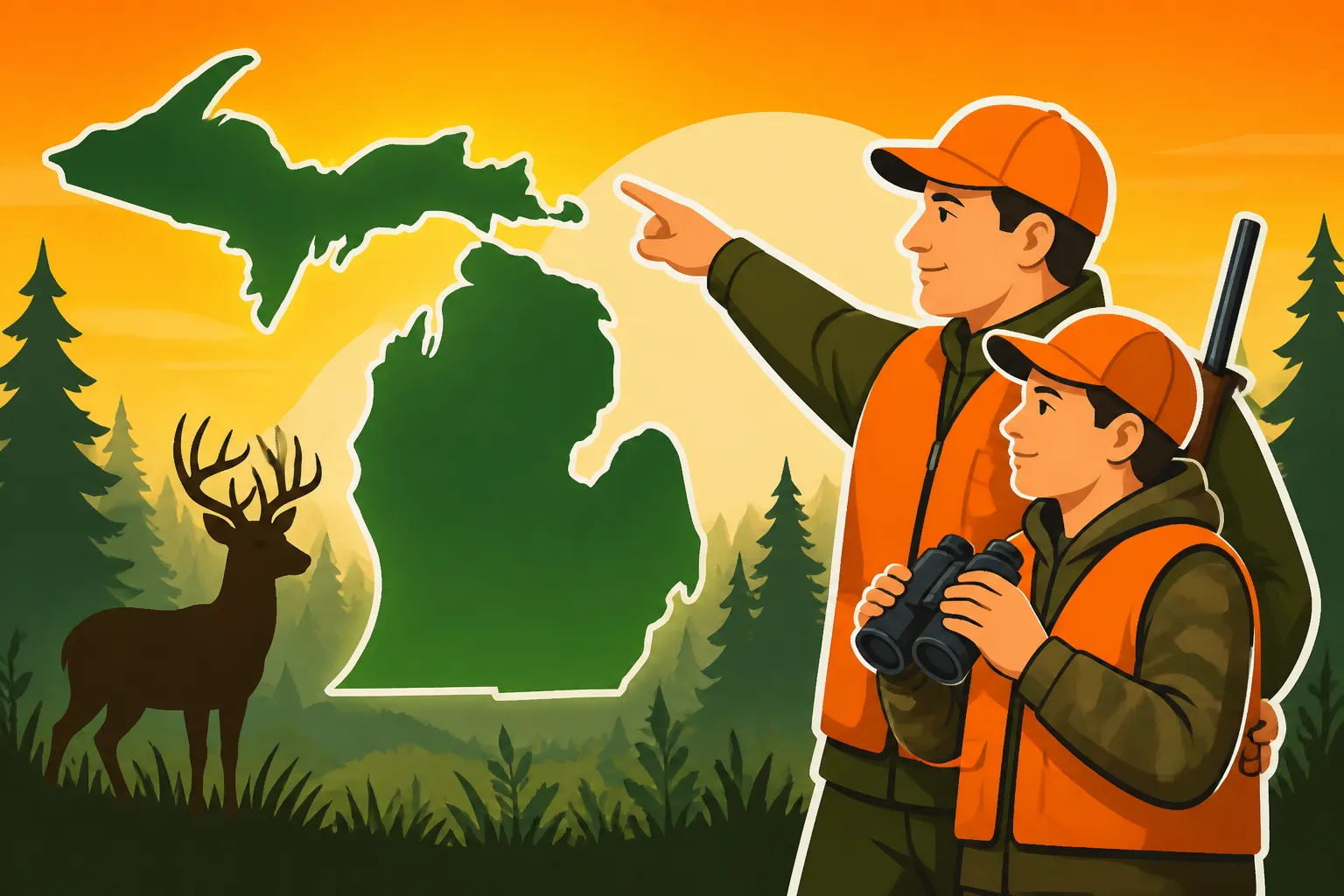
Both Michigan residents and non-residents are eligible to purchase an Apprentice License. This makes it a great option for families with relatives visiting from out of state who want to experience Michigan's fantastic hunting opportunities. The key restriction, and it’s a non-negotiable one, is that an apprentice hunter must hunt under the direct supervision of a qualified mentor. This isn't a license that grants you independent hunting privileges; it's explicitly for learning and experiencing the sport safely with guidance. You can’t just buy it and head out into the woods on your own. It's about mentorship, hands-on learning, and ensuring that safety is paramount, especially when handling firearms or archery equipment for the first time. The license itself acts as a gateway, allowing the apprentice to legally carry and use hunting equipment for the duration of the hunt, but always with that experienced eye nearby.
The Crucial Role of the Mentor: Guidance and Safety
The Michigan Apprentice License program hinges entirely on the mentor. This isn't just about someone legally present; it's about active, responsible guidance. Without a dedicated and knowledgeable mentor, the apprentice license loses its purpose. The mentor is the key educator, safety officer, and ethical guide in the field, making their role absolutely critical for a positive and safe experience for the new hunter. It’s a commitment, but one that yields immense satisfaction as you pass on skills and traditions.
Who Can Be a Michigan Mentor?
To be a qualified mentor in Michigan, you can't just be any hunter. The Michigan DNR has specific criteria to ensure that the individual providing supervision is competent and responsible. First and foremost, a mentor must be at least 18 years old. This age requirement ensures a certain level of maturity and experience. Beyond age, the mentor must possess a valid Michigan hunting license for the current season. This means if you're mentoring someone for deer hunting, you, as the mentor, must also hold a valid Michigan deer license. This ensures that the mentor is not only legally able to hunt but also understands the specific regulations and seasons for the game being pursued.
Furthermore, a mentor must have previously held a hunting license or successfully completed a hunter safety education course. This critical qualification ensures that the mentor isn't just a casual outdoorsperson but someone who has demonstrated a fundamental understanding of hunting laws, ethics, and safety practices. This dual requirement of age and proven hunting knowledge is designed to safeguard the apprentice and ensure they receive proper instruction. It’s not just about being able to shoot; it’s about understanding the entire context of hunting, from wildlife management to ethical shot placement and game recovery. This responsibility shouldn't be taken lightly, as the mentor is essentially vouching for the safety and legal compliance of their apprentice.
Responsibilities of a Mentor in the Field
When you take on the role of a mentor for an apprentice hunter, you're signing up for much more than just walking alongside them. Your responsibilities are extensive and paramount to a successful and safe hunting experience. The most critical aspect is "direct supervision." This isn't a vague term; it means being close enough to the apprentice to provide immediate assistance and instruction. The DNR often defines this as being within arm's reach for immediate control of a firearm, or at least within normal voice and visual contact without the aid of electronic devices. This ensures that if the apprentice encounters a situation they’re unsure about, or if a safety concern arises, the mentor can intervene instantly. You are literally their eyes, ears, and guiding hand.
Beyond proximity, the mentor is responsible for comprehensive safety instruction. This includes teaching proper firearm or bow handling, understanding safe zones of fire, explaining shot placement for various game, and demonstrating how to load, unload, and carry a weapon safely. You’re also responsible for legal compliance, ensuring the apprentice understands and adheres to all bag limits, season dates, and hunting regulations, which can be quite complex in Michigan. For example, knowing the rules for Michigan Deer Seasons and Tags or understanding specific antler point restrictions in certain DMUs falls to the mentor. More than just rules, you are teaching ethics: respect for wildlife, responsible land stewardship, and the importance of fair chase. A good mentor instills a deep appreciation for the outdoors and the traditions of hunting, far beyond just pulling a trigger. This hands-on, real-time teaching is invaluable and often far more impactful than what can be learned in a classroom setting alone.
What the Apprentice License Allows You to Hunt in Michigan
The Michigan Apprentice License is surprisingly versatile, allowing a new hunter to participate in a wide array of hunting activities, mirroring many of the opportunities available to fully licensed hunters. This broad scope is intentional, providing a rich introductory experience. However, it's crucial to understand that while the opportunity is broad, the apprentice's participation is always contingent on their mentor's license and direct supervision, as well as obtaining the correct individual tags where necessary.
Covered Game Species and Seasons
With a Michigan Apprentice License, a new hunter, under the guidance of their mentor, can pursue most of Michigan's popular game species. This includes big game like white-tailed deer during various seasons, such as archery, firearm, and muzzleloader. It's important to remember that for the apprentice to hunt deer, the mentor must also possess a valid deer license for the appropriate season and area. The apprentice themselves would need to purchase an antlered or antlerless deer tag, just like any other hunter. So, if your apprentice wants to try Bowhunting Michigan's Split Archery Season, you, as the mentor, need to have your archery deer license too.
Beyond deer, the apprentice license extends to small game like rabbits, squirrels, grouse, pheasants, and woodcock, allowing for diverse hunting experiences. Imagine sharing the excitement of flushing a grouse in an aspen cut or sitting quietly for squirrels in a mature oak woodlot. For turkey hunting, whether it's the thrilling Spring Turkey Hunting in Michigan season or the fall hunt, an apprentice can participate once they've secured a valid turkey tag for a specific unit and hunt period, again, with a properly licensed mentor. Waterfowl hunting is also on the table, which means a new hunter can learn the ropes of duck and goose hunting, provided they (and their mentor) also possess the required federal duck stamp and Michigan waterfowl license, and are HIP certified. The beauty here is the sheer breadth of experiences available, allowing an apprentice to sample different types of hunting and discover what truly excites them about the outdoors, all under expert guidance.
Limitations and Restrictions to Be Aware Of
While the Apprentice License offers incredible flexibility, it's vital to be fully aware of its inherent limitations and restrictions. These are in place to ensure safety and uphold the integrity of the hunting regulations. The most significant and frequently stressed limitation is that an apprentice hunter can never hunt alone. They must always be under the direct, immediate supervision of their qualified mentor. This isn't just a suggestion; it’s a legal requirement. Stepping into the woods by yourself with an apprentice license is a violation.
Furthermore, while the apprentice license allows participation in hunting, it doesn't automatically grant all privileges. For specific game species like deer, turkey, bear, or elk, the apprentice still needs to purchase the relevant individual tags, just as any other hunter would. For example, the Apprentice License covers the base hunting privilege, but to hunt a deer, you still need a valid deer tag like those covered in Michigan Deer Seasons and Tags. The mentor must also be legally licensed for the specific species and season the apprentice is hunting. For instance, if an apprentice wants to hunt waterfowl, their mentor must also have the appropriate waterfowl licenses and stamps. Another key point: an apprentice license holder cannot act as a mentor themselves. Their role is strictly as a learner. Lastly, and this is important for those aspiring to draw highly sought-after tags, time spent hunting with an Apprentice License does not accrue preference points for special drawings like Michigan's bear or elk hunts, or even specific turkey permits. These points are typically tied to a full hunting license with hunter safety certification. It's truly a stepping stone, not a full replacement for certified hunter education.
How to Obtain and Utilize a Michigan Apprentice License
Getting your hands on a Michigan Apprentice License is a straightforward process, designed to be as accessible as the program itself. The DNR has made it simple to acquire, encouraging participation rather than creating unnecessary bureaucratic hurdles. Understanding the purchase process and the eventual transition to a full hunting license is key for both the apprentice and their mentor.
The Application Process and Cost
Obtaining a Michigan Apprentice License is as simple as purchasing a standard hunting license. You can do this conveniently through the Michigan DNR's website, where you can manage all your licensing needs, or at any authorized license retailer across the state. These retailers include most sporting goods stores, bait shops, and some department stores – anywhere you'd typically buy a fishing or hunting license. The process is quick; you simply declare that you are applying for an apprentice license, which essentially means you're purchasing a Michigan Resident Base Licence Cost (or non-resident equivalent) and any desired game-specific tags (like a deer tag or turkey tag), with the understanding that you haven't completed hunter safety yet and will hunt under a mentor.
The cost of the Apprentice License itself is generally equivalent to the standard Michigan Base License, plus the cost of any additional game tags you choose to purchase (e.g., deer, turkey). There isn't an "extra fee" specifically for the apprentice status; it's simply a designation on your purchased license. For example, a youth apprentice would purchase a Michigan Junior Licence Package, but with the apprentice designation. This streamlined approach makes it easy for mentors to get their apprentices ready for the field without breaking the bank or navigating a complex application process. Just remember, while the base license gives you the privilege to hunt small game, if you're after deer, you'll still need to add those specific deer tags to your purchase, which is crucial for legal hunting. The license year in Michigan typically runs from March 1 to February 28, so you’ll need to renew it annually.
Transitioning to a Full Hunting License
The Michigan Apprentice License is a fantastic tool, but it's important to remember it's a temporary measure. The program allows an individual to use the apprentice license for a maximum of two license years. This means you can hunt under a mentor for two different hunting seasons, giving you ample time to decide if hunting is truly for you and to fit the hunter safety course into your schedule. For instance, if you buy your first apprentice license in spring 2024, you could use it for the 2024-2025 license year and again for the 2025-2026 license year. After this, to continue hunting independently, the apprentice is required to successfully complete a state-approved hunter safety course.
This two-year window is a generous timeframe to solidify interest and gain foundational experience. It's the perfect opportunity to learn the ropes, understand the rhythm of the woods, and decide which types of hunting you enjoy most. Once you've completed your hunter safety course, you can then purchase a full, unrestricted hunting license and enjoy the independence of hunting on your own, or continue to hunt with your mentor, but now as a fully certified hunter. The benefits of transitioning to a full license are significant: you gain the knowledge and confidence of certified training, you no longer need direct supervision, and you become eligible for accumulating preference points for future limited draw hunts like bear or elk. It's the natural progression of becoming a truly self-sufficient and responsible Michigan hunter, carrying on the tradition with a full understanding of its requirements and ethics.
Practical Scenarios and Common Questions for Apprentice Hunters
Navigating the nuances of any hunting regulation can sometimes feel like a puzzle, and the Apprentice License program is no exception. New hunters and their mentors often have specific questions that pop up once they're actually in the field or planning their hunts. Let's tackle a couple of the most common ones to ensure everyone is clear on the rules and can make the most of their apprentice hunting experience.
What if the Mentor Doesn't Hunt the Same Species?
This is a really common question, and it highlights a critical aspect of the mentor's responsibility. The rule is quite clear: for an apprentice to legally hunt a specific game species, their mentor must also be legally licensed to hunt that exact species during that exact season. For example, if an apprentice wants to hunt deer during Michigan’s November Firearm Deer Season, the mentor not only needs a base hunting license but also a valid Michigan deer hunting license for the current year. It's not enough for the mentor to just be a hunter in general; they must be licensed for the specific quarry the apprentice is pursuing.
Let's imagine a scenario: you, the mentor, love chasing ruffed grouse in the fall, so you have your base license. Your apprentice, however, is really keen on getting a turkey tag for the late fall season. While you're happy to guide them, if you haven't applied for or purchased a fall turkey license yourself, you cannot legally mentor them on a turkey hunt. The same goes for waterfowl. If an apprentice has purchased their waterfowl license and federal duck stamp, but the mentor only has a deer license, they cannot legally supervise a duck hunt. The mentor's licenses define the scope of what the apprentice can legally hunt under their guidance. This regulation ensures that the mentor has a full understanding of the species-specific rules, bag limits, and ethical considerations, providing the most informed and compliant supervision possible. So, before heading out, both mentor and apprentice need to ensure all their ducks (and licenses) are in a row.
Using Technology to Enhance the Apprentice Experience
In today's world, technology has become an invaluable tool for hunters, and apprentice hunters and their mentors can greatly benefit from incorporating it into their learning and hunting experience. One of the most powerful tools available is mapping applications like GoHunt. These apps allow hunters to clearly identify public land boundaries, differentiate them from private parcels, and even overlay features like topography, satellite imagery, and specific habitat types. For a new hunter, understanding land ownership and where they can legally hunt is fundamental. Using GoHunt can prevent accidental trespassing and help mentors teach their apprentices how to read a landscape, identify potential deer bedding areas, or find excellent grouse cover like those described in Grouse Hunting Michigan Aspen Cover.
Beyond legal boundaries, these mapping tools are fantastic for scouting. Mentors can use them to show apprentices how to identify potential pinch points, travel corridors, or ideal locations for setting up a ground blind or treestand. They can mark specific features like food sources, water, or dense cover, helping the apprentice develop crucial scouting skills even before setting foot in the woods. For example, before Scouting Michigan Public Land Before Season, a mentor can use an app to highlight likely areas to find sign. The visual nature of these apps makes complex concepts easier to grasp for a beginner. Additionally, the Michigan DNR’s Mi-HUNT map and other online resources provide a wealth of educational information, from identifying specific game areas to understanding habitat management efforts. Integrating technology like this can make the learning process more engaging, efficient, and ultimately, safer for the apprentice.
| Feature | Michigan Apprentice License | Michigan Full Hunting License |
|---|---|---|
| Hunter Safety | Not required before obtaining | Required |
| Mentorship | Mandatory direct supervision by a qualified mentor | Optional (can hunt independently) |
| Eligibility | Any individual (resident or nonresident) without hunter safety certification | Any individual (resident or nonresident) with hunter safety certification |
| Duration | Limited to two license years | Unlimited, as long as renewed annually |
| Game Tags | Base license for small game, additional tags (deer, turkey, etc.) purchased separately | Base license for small game, additional tags (deer, turkey, etc.) purchased separately |
| Preference Points | Does not accrue preference points for special drawings (bear, elk, specific turkey hunts) | Accrues preference points for eligible drawings |
| Mentor Eligibility | Cannot mentor other apprentice hunters | Can mentor apprentice hunters (if over 18, licensed, and previously certified/licensed) |
| Cost | Same as standard Base License + game tags | Same as standard Base License + game tags |
Disclaimer
Please remember that hunting regulations in Michigan can change. While this guide aims to provide accurate and up-to-date information regarding Michigan's Apprentice License rules, it is your responsibility to always consult the official Michigan Department of Natural Resources (DNR) hunting digests and regulations before heading into the field. This article is for informational purposes only and should not be considered legal advice.