Michigan Waterfowl Licence and Stamps
Trying to figure out all the licenses, stamps, and certifications you need to hunt waterfowl in Michigan can feel like navigating a swamp blindfolded. It’s not as straightforward as just buying a deer tag, and forgetting one little piece of paper can quickly turn a hopeful morning into a frustrating encounter with a conservation officer. This guide is here to untangle that web, breaking down every essential document you need so you can focus on calling in ducks and geese, not worrying about being compliant.
The Foundation: Understanding Your Base Requirements
Before you even think about setting up a decoy spread or calling a flock of mallards, there are a few fundamental licenses that every Michigan hunter, regardless of their quarry, absolutely must possess. These are the bedrock upon which all other specialized tags and stamps are built. It's easy to overlook these foundational pieces when you're focused on the specifics of waterfowl, but without them, you're not legally hunting anything at all.
The Michigan Base License Explained
Think of the Michigan Base License as your entry ticket into the world of hunting in our great state. It's the first thing you buy, and it's mandatory for any hunting activity. Without this, no other hunting license or stamp you purchase is valid. It’s a common misconception, especially for those new to hunting, that they can just buy a turkey or deer tag directly. Nope, not in Michigan. The Base License covers your legal right to pursue small game and provides the framework for adding specialized licenses like those for deer, bear, or, in our case, waterfowl. For residents, it's typically a modest fee, but it's arguably the most important piece of paper in your hunting wallet. It’s also often a prerequisite for applying for drawings, like those for Michigan bear licences.
The Michigan Waterfowl Hunting License
Once your Base License is secured, and you’ve established your legal right to hunt, the next step specifically for waterfowl is to purchase the Michigan Waterfowl Hunting License. This isn't just a suggestion; it's a non-negotiable requirement for anyone 16 years of age or older who plans to hunt ducks, geese, mergansers, coots, or any other migratory birds in the state. This license essentially acts as Michigan's endorsement for your waterfowl pursuits, acknowledging that you understand and agree to abide by the state's specific migratory bird hunting regulations. It's separate from your small game license and is tailored specifically to the unique management and conservation needs of waterfowl populations within Michigan's borders. It's pretty straightforward to add this to your purchase when you're picking up your Base License online or at a retailer.
The All-Important Federal Duck Stamp
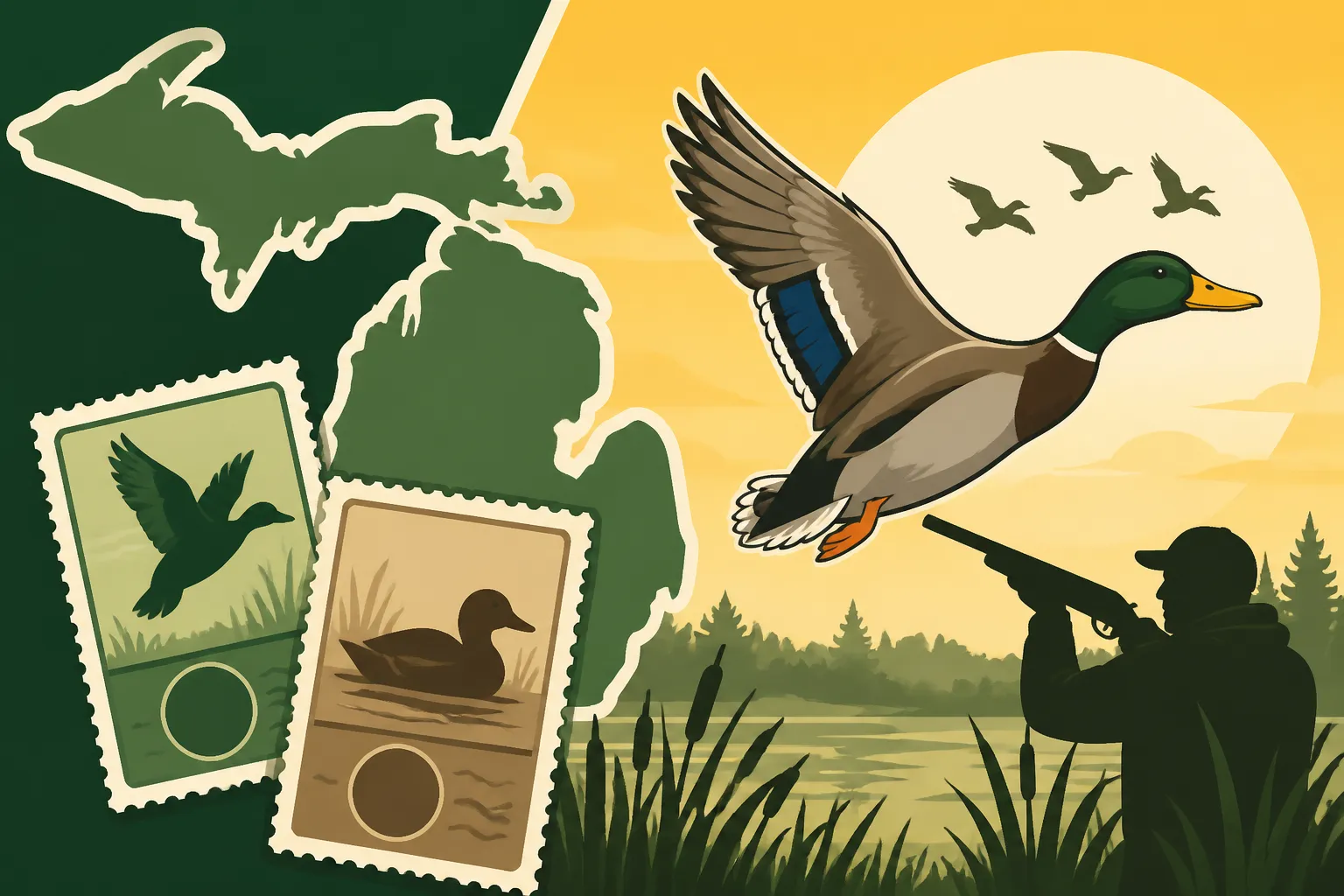
Beyond Michigan's state-specific requirements, there’s a critical piece of paper that transcends state lines and directly supports waterfowl conservation across the entire country: the Federal Migratory Bird Hunting and Conservation Stamp, more commonly known as the Federal Duck Stamp. This isn't just a formality; it's a vital contribution to the future of waterfowl hunting.
What the Federal Duck Stamp Funds
When you purchase a Federal Duck Stamp, you're not just buying a pretty piece of artwork; you're directly investing in habitat conservation. A staggering 98% of the revenue generated from the sale of these stamps goes directly into the Migratory Bird Conservation Fund. This fund is then used by the U.S. Fish and Wildlife Service to acquire or lease wetlands and associated habitats for the National Wildlife Refuge System. These refuges are crucial breeding, resting, and wintering grounds for countless species of waterfowl and other wildlife. So, every dollar you spend on a duck stamp translates into tangible on-the-ground habitat work, ensuring that future generations have places to hunt and wildlife to enjoy. It's truly a win-win for hunters and conservation.
Where and How to Purchase Your Stamp
Getting your Federal Duck Stamp is fairly easy, but there are a couple of ways to go about it. You can purchase the physical stamp at most U.S. Post Offices, many sporting goods stores, and even some national wildlife refuges. For the modern hunter, you can also buy it online through various vendors or via the Michigan DNR's electronic licensing system. If you buy it electronically, you'll receive an e-stamp with a 45-day validity period. It’s crucial to remember that you must carry proof of purchase while hunting. If you use the e-stamp, make sure to print it out or have it readily available on your phone. The actual physical stamp will be mailed to you later, and once it arrives, you’ll need to sign it across the face in ink to make it valid. Be mindful of this process, especially if you're planning a trip soon after purchasing, as you might need that temporary proof. Many hunters keep track of these details through apps or platforms, much like those offered by GoHunt, that help consolidate licensing information.
HIP Certification: Not Just a Formality
Another often-overlooked but absolutely mandatory requirement for hunting migratory birds in Michigan, and indeed across the U.S., is the Harvest Information Program (HIP) certification. This isn't a license you pay for, but a survey you complete, and it’s just as vital as any stamp or tag.
Why HIP Certification is Essential
The HIP certification is a simple, brief survey that asks you about your hunting activity for certain migratory bird species in the previous season. The U.S. Fish and Wildlife Service, along with state wildlife agencies, uses this data to estimate the total number of hunters pursuing various migratory birds and their harvest success. This information is absolutely critical for setting annual hunting seasons and bag limits. Without accurate data from HIP, wildlife managers would be making decisions in the dark, potentially leading to overharvest or underutilization of these precious resources. So, while it might feel like just another step, it's truly a foundational component of sound waterfowl management. Even if you didn't hunt migratory birds the previous year, you still need to complete the certification to indicate that.
How to Complete Your HIP Certification in Michigan
Fortunately, completing your HIP certification in Michigan is straightforward and usually done when you purchase your Michigan Base License and Waterfowl Hunting License. When you're buying these licenses online or at a registered retailer, you'll be prompted to answer a few questions about your migratory bird hunting activity from the previous season. It literally takes less than a minute. Once completed, your license will indicate that you are HIP certified. There's no separate card or stamp issued for HIP; it's simply an endorsement on your state hunting license. Just remember, it's required annually, so you can't just do it once and be done. Every hunting season, you'll need to re-certify. This annual process ensures the data remains current and relevant for effective wildlife management decisions. Many hunters find resources like GoHunt helpful for reminding them of these annual requirements.
Summary of Waterfowl Hunting Requirements
Let's put it all together. To legally hunt waterfowl in Michigan, you're going to need a few key items. It's a system designed to ensure responsible hunting and robust conservation efforts for our migratory bird populations. Understanding each component is vital for a stress-free season.
| Requirement | Description | Where to Purchase/Obtain | Notes |
|---|---|---|---|
| Michigan Base License | Required for ALL hunting activities in Michigan. | Michigan DNR website, authorized retailers | This is the foundation; no other hunting license is valid without it. |
| Michigan Waterfowl Hunting License | State-specific endorsement for hunting migratory birds. | Michigan DNR website, authorized retailers | Required for anyone 16 years or older targeting ducks, geese, etc. |
| Federal Duck Stamp | National stamp funding waterfowl habitat conservation. | U.S. Post Office, sporting goods stores, online | 98% of funds go to habitat. Must be signed across the face. E-stamps provide temporary proof. Refer to Michigan Federal Duck Stamp Rules for details. |
| HIP Certification | Harvest Information Program survey for migratory bird management data. | Completed during state license purchase | Free, annual requirement. Essential for setting seasons and limits. See Michigan HIP Certification for Bird Hunters for more information. |
| Michigan Duck Hunting Season | Adherence to specific season dates and zones. | Michigan DNR Waterfowl Digest | Season dates vary by zone (North, Middle, South). Always check the latest digest. Consult Michigan Duck Season Dates by Zone for detailed information. |
| Michigan Goose Hunting Season | Adherence to specific season dates and zones for geese. | Michigan DNR Waterfowl Digest | Goose seasons can differ from duck seasons and have specific management units. Learn more about Michigan Goose Seasons and Units. |
| Non-Toxic Shot | Required for hunting waterfowl. | Sporting goods stores | Lead shot is illegal for waterfowl hunting nationwide. This applies to all ducks, geese, and other migratory birds. |
Other Considerations for Michigan Waterfowl Hunters
Getting your licenses and stamps sorted is just the first step. To truly be prepared for the Michigan waterfowl seasons, there are a few other important details you’ll want to keep in mind. From understanding specific regulations to knowing how to find the best spots, these details can make a significant difference in your hunting success and overall experience.
Understanding Michigan Waterfowl Seasons and Zones
Michigan is a big state, and its geography influences waterfowl migration patterns significantly. Because of this, the state is divided into specific waterfowl hunting zones: the North Zone, Middle Zone, and South Zone. Each zone has distinct opening and closing dates for duck and goose seasons, along with different bag limits for various species. It’s absolutely critical to know which zone you’ll be hunting in and to check the current year’s Michigan Waterfowl Hunting Digest for the most up-to-date dates and regulations. These can change annually, so never rely on last year's knowledge. Hunting outside the legal season dates or exceeding bag limits are serious offenses. For a detailed breakdown, check out Michigan Waterfowl Seasons and Zones.
Gear Up for Success and Safety
Beyond the paper requirements, having the right gear is paramount for a successful and safe waterfowl hunt in Michigan. You’ll need quality waders, especially for hunting in Michigan marshes or setting decoys in shallow water. Good layering for cold, wet weather is crucial, as Michigan waterfowl hunting often involves chilly mornings and unpredictable conditions. A reliable shotgun capable of handling non-toxic shot is a must, along with a variety of chokes. Don’t forget your decoys – from spread size to motion decoys, these are vital for attracting birds. And always, always prioritize safety: life jackets in boats, proper handling of firearms, and communicating with your hunting partners. If you're tackling big water, learning about Layout Hunting Michigan Big Water or utilizing suitable Waders and Boats for Michigan Marshes will be invaluable. Proper Waterfowl Loads for Michigan Divers are also a consideration.
Public Access and Managed Hunts
Michigan offers a wealth of public land for waterfowl hunting, including State Game Areas, State Forests, and National Forests. However, some of the most productive waterfowl hunting spots are found within Michigan's Managed Waterfowl Areas, such as Pointe Mouillee, Nayanquing Point, and Fish Point. These areas often operate on a draw system, where hunters apply for specific hunting dates and blinds. Participating in a draw means you’ll need to understand the application process and deadlines. It can be a fantastic opportunity for quality hunting, but it requires planning. Always scout your chosen location, public or private, to understand access points and identify potential hunting pressure. Don't forget that Hunting a Michigan Managed Waterfowl Draw is a different experience requiring specific knowledge. Knowing how to use tools like GoHunt for scouting and identifying public land opportunities can give you a real edge in finding less pressured spots.
Disclaimer
The information provided in this guide is for general informational purposes only and does not constitute legal advice. Hunting regulations in Michigan can change, and it is the hunter's responsibility to verify all current rules, regulations, and season dates with the Michigan Department of Natural Resources (DNR) before hunting. Always consult the official Michigan Hunting and Trapping Digest or the Michigan DNR website for the most accurate and up-to-date information.