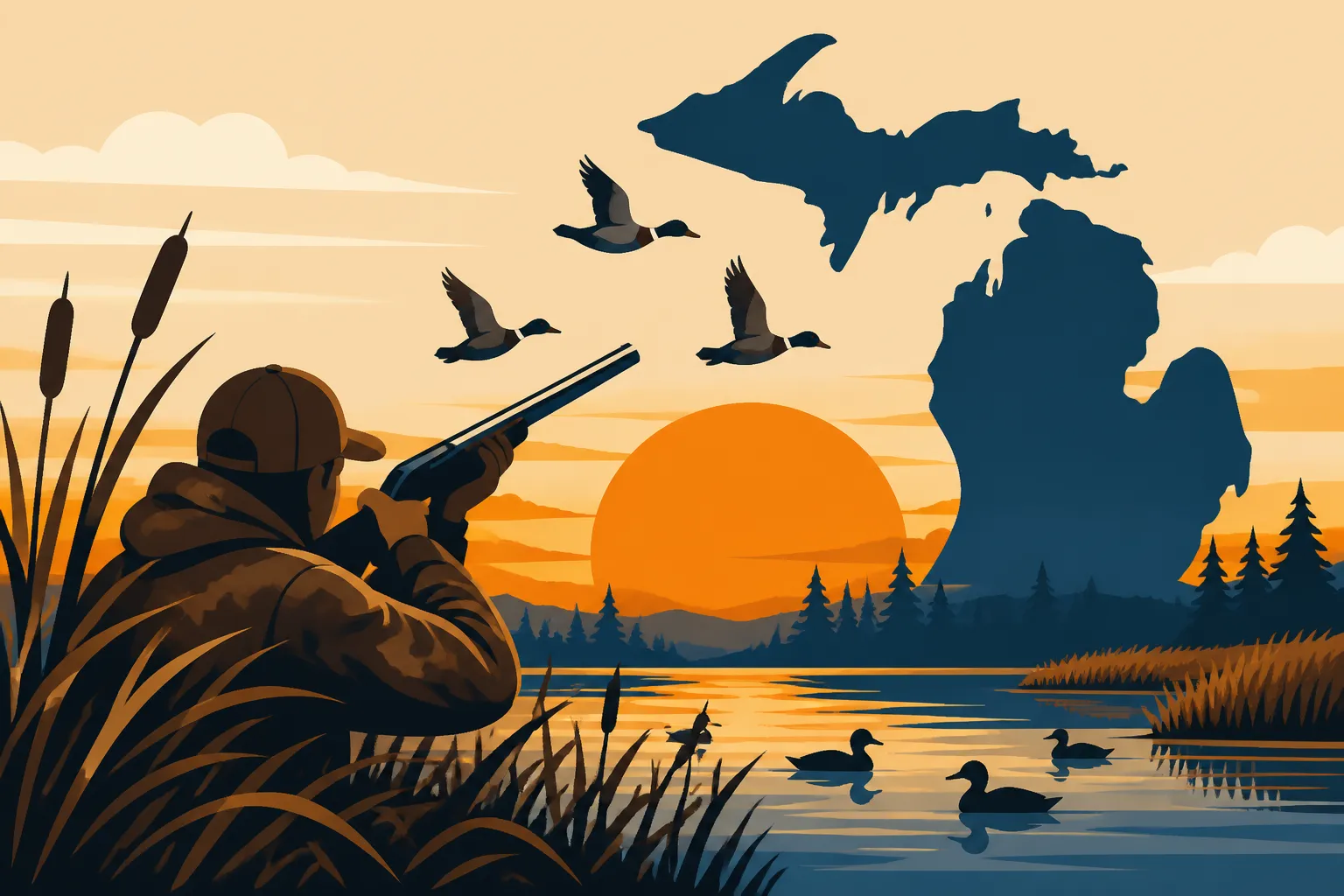
Hunting a Michigan Managed Waterfowl Draw
There's nothing quite like the thrill of waterfowl hunting in Michigan, but let's be honest, finding a prime spot that isn't already pressured to oblivion can feel like finding a needle in a haystack. This is especially true when you're dreaming of those big marshes and flooded timber spots where the ducks and geese really want to be. This guide is here to cut through the confusion and frustration of the Michigan managed waterfowl draw system, helping you understand how it works, how to prepare, and how to maximize your chances of success once you've secured a coveted spot.
Navigating the Michigan Managed Waterfowl Draw System
Michigan's managed waterfowl areas are a unique and often incredible opportunity for hunters, but they come with their own set of rules and a competitive entry system. It's a system designed to concentrate birds and manage hunting pressure, which means it can be a source of both immense excitement and occasional disappointment. Understanding the ins and outs is your first step toward success.
What Managed Draws Are and Why They Exist
Managed waterfowl areas are specific tracts of public land, often marshlands or flooded agricultural fields, that are intensively managed by the Michigan Department of Natural Resources (DNR) to provide optimal habitat for migrating waterfowl. Think of places like Pointe Mouillee State Game Area, Nayanquing Point State Wildlife Area, or Fish Point State Wildlife Area on Saginaw Bay. These aren't just random public lands; they're habitat havens designed to attract and hold ducks and geese. The "draw" part comes in because access to these prime spots is often limited to a certain number of hunters each day, selected through a lottery system.
The primary reason for these draws is to manage hunter pressure. Without a draw system, these highly attractive areas would be overrun, leading to unsafe conditions, over-harvesting, and birds being constantly harassed and leaving the area. By controlling the number of hunters, the DNR aims to provide a higher quality hunting experience, ensure sustainable harvest, and maintain critical waterfowl habitat. For hunters, it means that if you get drawn, you often have a designated hunting zone or blind site, which, while not private, offers a much more controlled and often productive environment than open public land. It certainly beats showing up to a marsh only to find every desirable spot already taken.
The draw system can be frustrating, no doubt. You put in for a hunt, you wait, and often, you don't get selected. It's a common story shared by many Michigan waterfowl hunters. But when your number does come up, it's an opportunity for some truly exceptional hunting, often on birds that haven't been relentlessly pressured by a thousand other hunters. These areas are a testament to Michigan's commitment to waterfowl and hunter opportunity, even if the road to access can feel like a bumpy one.
The Application and Selection Process
Getting into a managed waterfowl draw starts well before you ever step foot in the marsh. First and foremost, you'll need your Michigan Base License, a Michigan Waterfowl License, and you must register for the federal Harvest Information Program (HIP). These are non-negotiables for any migratory bird hunting in the state. Once those are in order, you can then focus on the specifics of the draw.
The application process for managed waterfowl draws can vary slightly by area and season. Many of the larger, more popular areas have online application periods well in advance of the season. You'll submit your application through the Michigan DNR's website, often indicating your preferred dates and areas. Some areas, especially for late-season or specific hunt periods, might also offer "standing room only" or "standby" draws conducted in person on the morning of the hunt. This means showing up incredibly early, sometimes hours before dawn, to put your name in a hat and hope for a spot. It's a gamble, but for those without a guaranteed draw, it's often the only shot at some truly exceptional hunting.
The reality of draw odds can be a bitter pill. For popular weekend dates in prime locations, you might be one of hundreds, or even thousands, applying for a handful of spots. It’s part of the game. When you do get drawn, or are lucky enough to pull a good number in a standby draw, the excitement is palpable. You'll often be assigned a specific hunting unit or blind location within the managed area. It's crucial to understand that even if you miss out on the initial draw, sometimes leftover tags or standby opportunities open up, especially during weekdays or later in the season. Don't give up hope; persistent hunters often find a way. For more details on the necessary permits, check out the information on the Michigan Federal Duck Stamp Rules and Michigan HIP Certification for Bird Hunters.
Understanding Your Assigned Unit and Rules
Once you've successfully navigated the draw and have your hunting spot secured, whether it's an assigned blind number or a designated wade-in unit, your next critical step is to fully understand the specific rules and regulations for that particular managed area. This isn't a one-size-fits-all situation; rules can differ significantly between, say, the extensive marshes of Pointe Mouillee and the smaller impoundments of Nayanquing Point. Ignoring these rules isn't just bad etiquette; it can lead to citations, loss of hunting privileges, and even outright fines.
Common rules to pay close attention to include designated shooting hours (which can sometimes vary from general state regulations), specific access points for boats or walk-ins, restrictions on boat types (e.g., no motors in certain zones), the number of decoys allowed, and even specific types of blinds permitted. Some areas require you to hunt from a DNR-provided blind, while others allow you to construct your own temporary blind, or hunt from a boat or layout blind. It's not uncommon for managed areas to have a "no permanent blind" rule, meaning anything you bring in must be removed at the end of your hunt. Always check the DNR's specific fact sheet or website for the managed area you'll be hunting. These are usually updated annually and provide critical details you won't want to miss.
Furthermore, understanding the layout of your assigned unit or blind is paramount. Many managed areas provide maps with numbered blinds or defined unit boundaries. Crossing into another hunter's designated zone is a serious no-no and can quickly lead to conflicts. This strict zoning is part of what makes these areas manageable and ensures everyone gets a fair shot. If you find yourself in a situation where you're not drawn for an early spot, or you’re hunting on a standby basis, understanding how to navigate the area and potentially capitalize on opportunities like Hunting a Marsh After the Morning Draw can still lead to a successful outing, especially if you know where the birds might move later in the day.
Essential Preparation for Your Draw Hunt
Getting drawn is only half the battle. The other half is showing up prepared to make the most of your opportunity. Michigan's waterfowl conditions can be notoriously variable, from crisp, clear autumn days to frigid, windy, and wet late-season hunts. Proper preparation in terms of scouting, gear, and patterning your shotgun is what separates a successful hunt from a frustrating one.
Pre-Season Scouting and Intel Gathering
Even if you don't know your exact draw unit until the last minute, general pre-season scouting of the managed waterfowl area is invaluable. Spend time observing the area from designated viewing points if possible. Look for common flight paths, areas where birds tend to congregate or feed, and how water levels might affect access and bird movement. Pay attention to dominant winds during your scouting trips, as this will heavily influence how ducks and geese approach a landing zone. Using tools like the Michigan DNR's Mi-HUNT map, along with premium mapping services like GoHunt, can give you a significant advantage. These platforms offer detailed aerial imagery, topo maps, and public land boundaries, allowing you to identify potential travel corridors, sheltered pockets, and even likely food sources without physically being on the ground.
Don't just look at the water; consider the surrounding landscape. Are there standing corn fields nearby that geese might be hitting? Are there flooded timber sections that draw wood ducks? Understanding the overall ecology of the managed area will help you predict bird behavior, even if you’re assigned a spot you’ve never hunted before. Early morning and late evening drives around the perimeter of the area, or even a hike on designated trails, can reveal where birds are roosting and feeding. This kind of intelligence-gathering builds a mental map of the area, which becomes crucial when you need to make quick decisions on hunt day. For broader scouting tips that apply to many public lands, refer to our guide on Scouting Michigan Public Land Before Season.
Remember, conditions change. What was a hot spot in early October might be dried up or frozen over by November. Stay updated on local water levels and weather forecasts. Sometimes, what seems like a less desirable unit on paper might become a fantastic spot due to recent weather or a shift in bird patterns. Being observant and adaptable, even before you step foot in your assigned blind, will pay dividends.
Gear Up for Michigan Waterfowl Conditions
Michigan's waterfowl season spans a wide range of weather conditions, from mild September teal hunts to brutal late-season diver pushes on the Great Lakes. Being prepared with the right gear is non-negotiable for comfort, safety, and success. Starting with your base layers, think wool or performance synthetics that wick moisture away and retain warmth even when wet. Layering is key, allowing you to add or shed clothing as the day progresses and your activity level changes. Over this, a waterproof and windproof outer shell is absolutely essential. Rain in the marsh is more than just an inconvenience; it can be dangerous if you get cold.
When it comes to specialized waterfowl gear, quality waders are paramount. Whether you're in neoprene for warmth or breathable for mobility, ensure they fit well and are leak-free. Nothing ruins a hunt faster than cold, wet feet. Decoys are another critical component. While some managed areas provide blinds, few provide decoys. Depending on the species you're targeting (ducks, geese, or a mix) and the size of your unit, you'll need a sufficient spread. A mix of mallard, pintail, or diver decoys, combined with a few full-body or shell goose decoys if geese are present, can be effective. Motion decoys, like spinning wing decoys, can often add that extra bit of realism that draws birds in, but always check local regulations as some managed areas restrict their use. For more specifics on what to wear, our guide on Waders for Michigan Marsh Hunting and Blind Bags and Cold-Weather Gear provides excellent detail.
Don't forget the smaller, but equally important, items: a reliable headlamp with extra batteries, a sturdy shotgun, plenty of non-toxic shot, a thermos with coffee or hot chocolate, and a well-stocked blind bag with calls, snacks, and any essential safety gear. A good pair of waterproof gloves or mittens are also crucial. You'll be handling cold, wet decoys, and a severe cold front can quickly make bare hands unbearable. And if you're venturing out on larger bodies of water or using a boat, personal flotation devices are a must. For tips on setting up your spread, you might find some useful crossover advice in Decoy Spreads for Great Lakes Divers, even for marsh hunting.
Practice and Patterning Your Shotgun
You’ve got a rare opportunity in a managed area, so you absolutely need to make sure your shotgun is ready to perform. This means more than just having it sighted in; it means patterning it with the exact ammunition you plan to use for your hunt. Different loads, shot sizes, and even brands can pattern differently through the same choke tube. You need to know what your gun and choke combination will do at typical waterfowl shooting ranges (20-40 yards).
Take your shotgun, your choke tubes, and a box of your chosen non-toxic loads (steel, bismuth, or tungsten-matrix) to the range. Set up large paper targets at 20, 30, and 40 yards. Fire at each target, then analyze the pattern. Are there any large holes in the pattern that a duck or goose could fly through? Is the pattern evenly distributed? Knowing your effective range will prevent you from taking questionable shots that often result in missed birds or, worse, crippled birds that are never recovered. This practice will build your confidence, which is vital when that flock of mallards suddenly banks into your spread.
Beyond patterning, practice your swing. Waterfowl hunting involves dynamic shooting at fast-moving targets. Simulate shooting from a blind or out of a boat. Practice shouldering your gun smoothly and swinging through the target. This muscle memory will be invaluable when birds come rocketing in. Ethical hunting demands that you can make clean, quick kills, and that confidence comes directly from knowing your equipment and having practiced with it.
On-the-Water Tactics and Ethical Hunting
When the alarm clock blares in the pre-dawn darkness of hunt day, all your planning and preparation culminate. The actual hunting in a managed area requires both strategic thinking and a strong sense of ethical responsibility, especially given the shared nature of these public resources.
Setting Up Your Spread and Blind
Once you arrive at your assigned unit or blind, the clock is ticking. You need to set your decoys and get your blind ready quickly and efficiently, often in the dark. The primary factors influencing your decoy spread are wind direction, sun position, and the expected flight path of the birds. Waterfowl almost always land into the wind, so position your main kill hole – the open water where you want birds to land – directly downwind of your blind. A classic "J" or "U" shaped spread with the opening facing into the wind works well, creating a natural landing zone. Use a mix of feeder and upright decoys to mimic a relaxed flock.
Blending in is absolutely critical. Whether you're using a pre-existing DNR blind, a layout blind, or building a makeshift blind from natural cover, concealment is key. Ducks and geese have incredible eyesight, and they've seen every trick in the book. Use natural vegetation from around your blind to break up your outline. If you're in a wade-in unit, don't just stand in the open water; find cattails, phragmites, or other cover to tuck into. Make sure your face is covered with a mask or face paint, and your hands are gloved. Any shine or unnatural shape will flare birds. Consider using a dog blind if you have a retriever, ensuring they are also well concealed. Remember, the birds have likely seen hunters before, so a natural-looking, comfortable, and well-hidden setup is your best bet for success.
Think about shooting lanes too. Before the birds start flying, identify clear lines of fire from your blind, minimizing obstacles that could deflect shot. This often involves trimming a few cattails or branches, but always check the rules for your specific managed area to ensure you're not violating any regulations about altering the habitat. While the managed areas sometimes resemble Layout Hunting Michigan Big Water in terms of open space, the marsh environment has its own challenges and opportunities for hiding.
Calling, Decoying, and Staying Vigilant
Calling is an art, not a science, and less can often be more, especially in managed areas where birds are likely to have heard every call under the sun. Start with subtle greetings or contented feeding calls. Watch the birds' reactions; if they turn your way, continue calling softly. If they shy away, go quiet. Aggressive calling can sometimes spook birds that are wary from previous encounters. The goal is to sound like a natural, inviting flock, not an overzealous band. Mix in a variety of calls – quacks, greetings, contented clucks, and even the occasional hail call for distant birds – but always gauge their response.
Decoying works in conjunction with calling. Once birds commit and start working your spread, stop calling and let the decoys do the work. Remain absolutely still, even if it feels like they're going to land right on your head. The moment they spot movement, they're gone. It's a test of patience and discipline. Your primary focus should be on reading the birds, watching their wing beats, and anticipating their approach. Identify the specific birds you plan to shoot, especially if there are certain bag limits or species you're targeting.
Vigilance isn't just about spotting birds; it's about being aware of your surroundings and other hunters. Managed areas can still see a lot of activity, and unfortunately, some hunters aren't as considerate as they should be. Being mindful of your shooting lanes and not swinging your gun towards other blinds or hunter locations is crucial for safety. The reality of Hunting Pressure on Michigan State Land, even within a managed zone, means you'll likely encounter other hunters. Be respectful, communicate if necessary, and always prioritize safety over a shot.
Retrieval, Respect, and Reporting
Once you've taken a shot and downed a bird, swift retrieval is paramount. A wounded bird can quickly swim or run into thick cover and be lost forever, which is a waste of a precious resource. If you have a trained retriever, send them immediately. If you're retrieving yourself, mark the exact spot where the bird fell and move directly to it. Quality waders and good physical condition are essential for quickly navigating the marsh. Don't hesitate to use a boat if allowed and necessary for retrieval.
After the hunt, there are a few important steps. First, ensure you've properly tagged and retrieved all your birds. Respect for the managed area means leaving no trace behind. Pick up all your empty shell casings, any discarded blind material, and absolutely any trash. Leave the area cleaner than you found it. This practice ensures that these valuable hunting grounds remain pristine for future generations and maintains positive relationships with the DNR and other hunters. It’s part of the hunter’s ethic.
Finally, and this is mandatory, you must report your harvest. Michigan, like all states, requires waterfowl hunters to report their harvest to the DNR, usually within a short timeframe after the hunt. This data is critical for wildlife biologists to monitor waterfowl populations, set future bag limits, and ensure the long-term health of the resource. You can often do this online or through the Michigan DNR's mobile app. Be honest and accurate in your reporting. For specific daily limits, refer to the Michigan Duck Daily Bag Limit and Michigan Goose Management Unit Rules. It's a small but vital part of being a responsible Michigan waterfowl hunter.
| Managed Waterfowl Area | Location | Typical Application Method | Key Feature | Common Species |
|---|---|---|---|---|
| Pointe Mouillee S.G.A. | Monroe Co. | Online Draw / Standby | Extensive Marshes, Lake Erie access | Divers, Mallards, Geese |
| Nayanquing Point S.W.A. | Bay Co. | Online Draw / Standby | Saginaw Bay Marsh, Agricultural Fields | Mallards, Geese, Teal |
| Fish Point S.W.A. | Tuscola Co. | Online Draw / Standby | Managed Impoundments, Flooded Timber | Mallards, Wood Ducks, Geese |
| Fennville Farm Unit | Allegan Co. | Online Draw / Standby | Flooded Corn/Soy Fields | Geese, Mallards |
| Shiawassee River S.G.A. | Saginaw Co. | Standby (often) | Riverine Marsh, Flooded Fields | Mallards, Wood Ducks, Geese |
Disclaimer
Please be aware that hunting regulations in Michigan can change. Always consult the latest Michigan DNR Waterfowl Hunting Guide and specific managed area regulations before planning your hunt. This guide is for informational purposes only and does not substitute official regulations.