Applying for a Michigan Waterfowl Draw
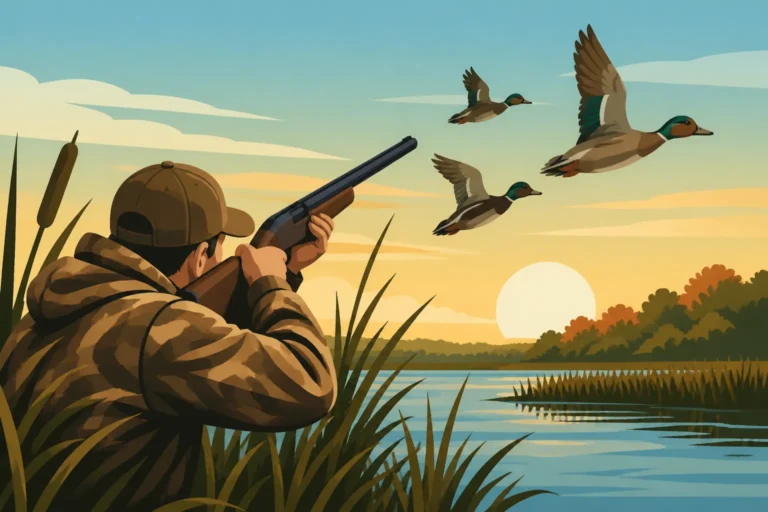
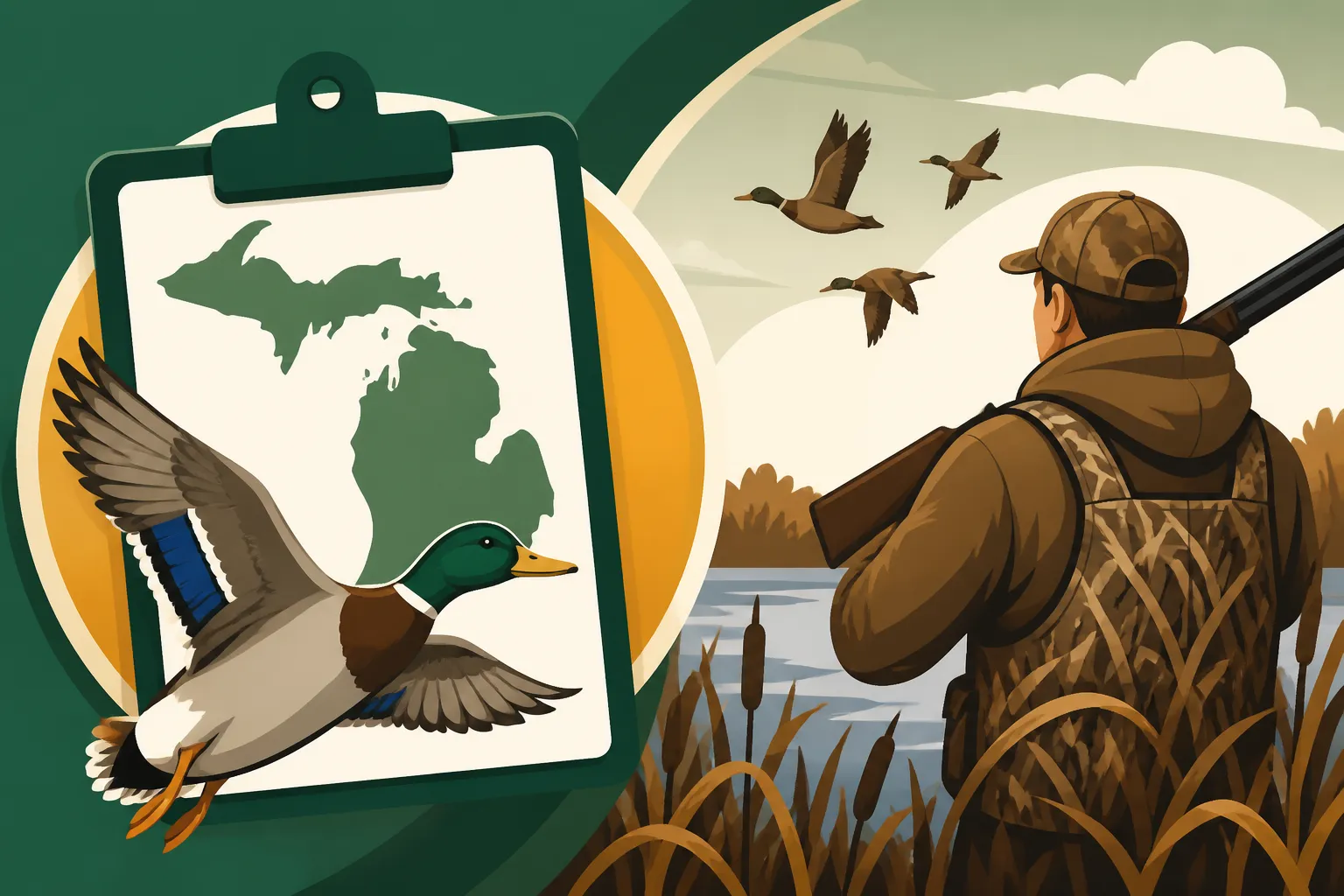
Let's be honest, trying to navigate the Michigan waterfowl draw system can feel like trying to find a teal in a blizzard—confusing, frustrating, and often leaving you wondering if you're even looking in the right direction. Many passionate waterfowlers in Michigan yearn for a prime spot in one of our incredible managed wetlands, but the application process itself often feels like the biggest hurdle. This comprehensive guide is here to untangle that knot, walking you through everything you need to know about applying for a Michigan waterfowl draw, from understanding why they exist to what to do once you've secured that coveted spot.
Understanding Michigan's Managed Waterfowl Draw System
Michigan is blessed with some truly incredible waterfowl hunting opportunities, particularly in our expansive managed wetlands. These areas, strategically developed and maintained by the Michigan Department of Natural Resources (DNR), provide critical habitat for ducks and geese, and in turn, some of the most consistent hunting in the state. However, with great habitat comes great demand, and that's where the draw system comes into play. It’s designed to ensure fair access and manage hunter numbers in these popular locations, preventing overcrowding and maintaining a quality experience for everyone.
Why Draws Exist and Where They Happen
Imagine hundreds of hunters all showing up at the same wetland on opening day, scrambling for the best spots. It would be chaos, unsafe, and ultimately ruin the hunting for everyone involved. Waterfowl draws prevent this by assigning specific hunting zones or blinds to a limited number of hunters on a given day. This system allocates access equitably, giving everyone a chance at prime real estate. These draws primarily occur at our state's premier managed waterfowl areas, often referred to as "managed hunts" or "controlled waterfowl areas."
Key locations offering these draw opportunities include:
- Pointe Mouillee State Game Area: Located in Monroe County, a legendary spot along Lake Erie.
- Nayanquing Point State Wildlife Area: Situated on Saginaw Bay in Bay County, known for its diverse duck hunting.
- Fish Point Wildlife Area: Also on Saginaw Bay, in Tuscola County, a historical hotspot for waterfowl.
- Shiawassee River State Game Area: In Saginaw County, part of the larger Shiawassee National Wildlife Refuge complex, offering fantastic river and marsh hunting.
While all these areas offer excellent hunting, the demand for them is immense, especially during peak migration periods. Without a structured draw, they would simply be overrun. It's a system designed to protect the resource and ensure a fair shake for every hunter. You can explore more about these specific locations and the broader concept in our guide on Michigan Managed Waterfowl Area Draws.
The Different Types of Waterfowl Draws
When people talk about Michigan waterfowl draws, they're often referring to a couple of different systems. It's important to understand the distinction, as the application process differs.
Firstly, there are the Daily Drawings at Managed Areas. For most hunt dates, particularly during the main waterfowl seasons, many managed areas operate on a daily, in-person draw. Hunters arrive well before legal shooting hours, register, and then participate in a random drawing for available hunting zones or blinds. If you're drawn, you get your pick (based on draw order) of the available spots for that day. If you're not drawn, you might have the opportunity to participate in a "re-draw" for any no-show spots, or you might be eligible for "stand-by" hunting if spots remain or become open later in the day. This is a common and exciting tradition for many Michigan waterfowlers.
Secondly, and what this guide primarily focuses on, are the Preroll or Reserved Hunt Drawings. These are applications submitted online prior to the season for specific hunt dates at certain managed areas. Instead of showing up on the day and hoping for the best, you apply in advance for a chance to secure a guaranteed hunting opportunity on a particular date. These preroll draws are highly sought after because they take the guesswork and the early morning wait out of the equation. If you're successful in a preroll draw, you have a confirmed reservation, meaning you don't have to participate in the daily drawing for that specific hunt. These drawings typically cover the opening weekends and other high-demand dates. The DNR will announce the specific areas and dates available for preroll drawings each year, so it pays to stay vigilant.
The Step-by-Step Application Process
Applying for a Michigan waterfowl draw, especially the preroll or reserved hunts, requires a bit of foresight and attention to detail. It's not overly complicated, but missing a step or a deadline can mean missing out on a prime hunting opportunity. Let's break down exactly what you need to do.
Essential Licenses and Requirements Before You Apply
Before you can even think about putting in for a draw, you need to ensure you're squared away with all the necessary licenses and certifications. This is non-negotiable for any migratory bird hunting in Michigan.
- Michigan Base License: This is your foundational hunting license. Every hunter in Michigan needs one, whether you're chasing deer, squirrels, or ducks.
- Michigan Waterfowl License (State Duck Stamp): This is a specific endorsement for hunting waterfowl in Michigan. It's an additional purchase on top of your base license.
- Federal Migratory Bird Hunting and Conservation Stamp (Federal Duck Stamp): This iconic stamp is required for all migratory waterfowl hunters aged 16 and older across the entire United States. Make sure you purchase and sign this stamp. You can buy it at most post offices, sporting goods stores, or online through the DNR or U.S. Fish & Wildlife Service. You can learn more about its requirements in our guide on Michigan Federal Duck Stamp Rules.
- Harvest Information Program (HIP) Certification: This free certification is vital for anyone hunting migratory birds. It helps the U.S. Fish & Wildlife Service gather data on hunter activity. When you purchase your waterfowl license, you'll be prompted to complete the HIP survey. It's quick and easy, but absolutely mandatory. Don't forget this! We cover this in detail in our article on Michigan HIP Certification for Bird Hunters.
Make sure all these are purchased and valid before the application window opens. There's nothing worse than getting ready to apply and realizing you're missing a critical piece of paperwork. Tools like the GoHunt app or the Michigan DNR's own Hunt Fish app can be incredibly helpful for keeping track of your licenses and certifications on your phone, making sure you always have proof of compliance.
Navigating the Online Application Portal
Once you have your ducks in a row (pun intended!) regarding licenses, it's time to hit the online application portal. The Michigan DNR uses a consolidated online system for all license purchases and draw applications.
- Access the DNR eLicense System: Head to the official Michigan DNR eLicense website. If you don't already have an account, you'll need to create one. This usually involves providing personal information like your name, address, and driver's license number, and setting up a username and password. Keep this information handy, as you'll use it for all future Michigan hunting and fishing transactions.
- Locate Waterfowl Draw Applications: Once logged in, navigate to the "Apply for a Drawing" or "Hunt Drawings" section. Look specifically for "Managed Waterfowl Hunt Drawings" or "Waterfowl Preroll Drawings." The exact wording might vary slightly year to year, so read carefully.
- Select Your Hunt Preferences: This is where you choose the specific managed areas and hunt dates you're interested in. The system will display the available options, usually broken down by managed area (e.g., Pointe Mouillee, Nayanquing Point) and specific hunt periods. You'll often be able to select multiple choices, ranking them by preference. For example, you might apply for Pointe Mouillee on opening day as your first choice, then Nayanquing Point on the second weekend as your second choice, and so on. The number of choices you can make might be limited, so prioritize your preferred dates and locations based on factors like Michigan Waterfowl Migration Timing and the Michigan Waterfowl Seasons and Zones.
- Review and Submit: Before finalizing your application, meticulously review all your selections. Double-check the dates, locations, and your personal information. Ensure you understand any application fees (though many waterfowl draws are simply tied to your license purchases, not a separate application fee like some big game draws). Once you're confident, submit your application. You should receive a confirmation email shortly after.
It's a straightforward process, but taking your time and being methodical can save a lot of headaches later.
Key Deadlines and What Happens Next
Deadlines are king when it comes to draw applications. Mark them on your calendar, set phone reminders, and tell your hunting buddies to remind you! The DNR typically announces these dates well in advance. For Michigan's managed waterfowl preroll draws, the application period usually falls in late summer, often July or August, for hunts that will take place in the fall.
Once the application period closes, the DNR conducts the random draw.
- Result Notification: If you are successful, you will typically be notified via email, and the results will also be posted on the DNR website's eLicense system under your account. You'll see which specific hunt date and managed area you've been awarded. This is the moment you've been waiting for!
- Accepting Your Draw: In some cases, you might need to "accept" your draw or confirm your participation by a certain deadline. Pay close attention to any instructions in your notification email or on the DNR website. Failure to do so could result in forfeiture of your spot.
- What if You're Not Drawn?: Don't despair! It's a lottery, and odds can be tough, especially for prime dates. If you're not successful in the preroll draw, you still have ample opportunities to hunt. You can always participate in the daily, in-person draws at the managed areas throughout the season. Many hunters prefer this method anyway, as it offers more flexibility and the chance to adapt to changing conditions or last-minute plans. Also, remember that not every managed area offers preroll draws for every single hunt day; many days are exclusively for daily drawings.
Strategies for Success and What to Expect on Hunt Day
Securing a spot in a Michigan waterfowl draw is just the first step. To make the most of it, you need to think strategically both before and after the draw.
Increasing Your Odds and Applying Smart
While the preroll draw is ultimately a lottery, there are ways to approach your application that might subtly increase your chances or, at the very least, improve your overall hunting season.
- Apply as a Party: Many waterfowl draws allow for party applications. This means you and your hunting partners can apply together as a single group. If your party is drawn, everyone in the group gets a spot. This can be a smart move, especially if you have a reliable crew you always hunt with. Just ensure everyone in the party meets all license requirements before applying.
- Be Flexible with Dates and Locations: Your odds for opening day at Pointe Mouillee will be astronomically low. Consider applying for less popular dates, like weekdays later in the season, or managed areas that might see slightly less pressure. While everyone wants that prime early season spot, a mid-week hunt in late October or early November can still be incredibly productive. Looking at the Michigan Duck Zone Boundaries and understanding how migration patterns might affect different areas can help you make informed choices about where to apply.
- Understand Historical Pressure: The DNR often provides statistics on previous draw success rates, or at least hunter attendance figures for daily draws. Utilizing resources like the GoHunt app or the DNR's own websites can help you identify managed areas or dates that historically have lower competition, giving you a slightly better chance.
- Apply to Multiple Draws (if allowed): If the system allows you to apply for multiple managed areas or dates, do so! Rank your preferences strategically, putting your absolute dream hunt first, but having solid backup options.
What to Do if You Get Drawn (and if you don't!)
If you're one of the lucky ones to get drawn for a reserved hunt, congratulations! Here's what to do:
- Confirm Your Spot: As mentioned, verify if you need to accept or confirm your reservation. Print out your confirmation.
- Scout (if possible): While you can't enter the specific hunt zones before your hunt, you can often drive or boat around the perimeter of the managed area. Look for general bird activity, water levels, and potential access points. Understanding the general layout can be a big advantage. Using an app like GoHunt with its mapping features can help you visualize the terrain.
- Gather Your Gear: Make sure your waders are leak-free, your decoys are ready, and your shotgun is patterned. Consult guides on Waders and Boats for Michigan Marshes and Decoy Spreads for Great Lakes Divers to prepare thoroughly.
- Review Managed Area Rules: Crucially, each managed area has specific rules and regulations regarding things like shooting hours, boat motor restrictions, non-toxic shot requirements, dog use, and entry/exit procedures. These are often posted online by the DNR and at the managed area check station. Read them thoroughly! Ignorance is not an excuse, and violating rules can lead to fines and loss of hunting privileges.
If you don't get drawn for a preroll spot, don't hang up your waders!
- Embrace the Daily Draw: The daily drawings are the bread and butter for many Michigan waterfowlers. Get to the managed area early—sometimes very early—on the morning of your chosen hunt day. Participate in the draw, and you might still get a fantastic spot. Even if you don't get drawn for a prime zone, "re-draw" and "stand-by" opportunities often present themselves. Check out Hunting a Marsh After the Morning Draw for tactics if you don't get a first pick.
- Explore Other Public Lands: Michigan has vast amounts of public land beyond the managed areas, including state game areas, state forests, and even river corridors, where excellent waterfowl hunting can be found without a draw. Look for smaller marshes, flooded timber, or agricultural fields where geese might be feeding. Many of these areas are covered in our guide on Great Lakes Waterfowl Hunting in Michigan.
- Consider Early Goose Season: The Early Goose Season Tactics in Michigan can offer fantastic opportunities even if duck draws are tough.
Preparing for Your Managed Area Hunt
Managed area hunts, whether from a preroll draw or a daily draw, require a specific kind of preparation. These aren't always walk-in and wade-out affairs.
- Understand Your Zone/Blind: If you've been assigned a specific blind or zone, research it if possible. Some managed areas have maps online detailing the zones. Knowing if it's a deep water blind, a shallow marsh area, or near a food source can inform your decoy spread and calling strategy.
- Decoy Selection and Placement: Managed areas often hold a mix of duck species, but certain areas might favor divers (like canvasbacks or redheads) while others are better for puddle ducks (mallards, teal, wood ducks). Tailor your decoy spread accordingly. A GoHunt subscription can offer insights into historical harvest data for specific areas, helping you fine-tune your approach. Remember, Michigan has specific Michigan Duck Daily Bag Limit rules, so make sure you can identify your birds!
- Boat or Wader Access: Will you need a boat, or can you wade to your spot? What kind of boat is allowed (some areas restrict motor size or type)? This is a critical piece of information.
- Weather Preparedness: Michigan weather can change on a dime, especially during waterfowl season. Be prepared for everything from warm, sunny days to freezing rain and high winds. Layering is key, as are waterproof outer layers and appropriate footwear.
- Safety First: Managed areas can be busy. Always follow safe firearm handling practices. Be aware of other hunters, and clearly identify your target and what's beyond it before shooting. Life jackets are a must if you're in a boat.
Avoiding Common Mistakes and Maximizing Your Experience
Even seasoned waterfowlers can make mistakes when dealing with draw systems and managed areas. A little extra diligence can go a long way in ensuring a successful and enjoyable hunt.
Overlooking Critical Details in Your Application
The biggest and most common mistake is simply not paying enough attention to the application process itself.
- Missed Deadlines: This is the ultimate deal-breaker. If you miss the application window, you're out of luck for those preroll spots. Set multiple reminders!
- Missing Licenses/Certifications: Trying to apply without your base license, state stamp, federal stamp, or HIP certification will either prevent you from submitting or lead to disqualification if you're drawn and can't produce the valid documentation on hunt day. Get them all before you even start the application.
- Incorrect Information: Double-check your personal details and hunt selections. An error in a date or managed area could mean you're applying for something you don't actually want, or worse, that your application is invalid.
- Not Reading the Fine Print: There might be specific restrictions on who can apply together in a party, or limits on how many times you can apply. Always skim the DNR's official rules for the draw period.
Understanding Rules and Regulations for Managed Areas
Once you've secured a draw, the rules of the specific managed area become paramount. These aren't always the same as general state hunting regulations.
- Zone-Specific Rules: Some zones might have specific restrictions on the number of hunters, decoy types, or whether you can use a dog. Your draw notice or the managed area's webpage will usually detail these.
- Entry and Exit Procedures: Managed areas often have specific check-in times and procedures. You might need to check in at a certain station, pick up a permit, and be out of your zone by a specific time. Failing to follow these can result in penalties.
- Non-Toxic Shot: Almost all managed waterfowl areas, and certainly any wetland area, will require the use of non-toxic shot (steel, bismuth, tungsten-alloy, etc.). Lead shot is strictly prohibited for waterfowl hunting throughout the state. Make sure you're stocked up on the right ammunition.
- Harvest Reporting: After your hunt, you'll almost certainly need to check out and report your harvest at the managed area check station. This data is crucial for DNR biologists to manage waterfowl populations and assess the success of their management strategies. Always be honest and accurate in your reporting.
- Respecting Other Hunters: Even with draws, managed areas can still be bustling. Be courteous, avoid sky-busting (shooting at birds outside of effective range, often spooking them for other hunters), and follow all directives from DNR staff. A positive attitude and respect for others go a long way in ensuring everyone has a good time.
Applying for a Michigan waterfowl draw can be a rewarding experience that opens doors to some of the best waterfowling Michigan has to offer. By understanding the system, preparing thoroughly, and adhering to the rules, you'll significantly increase your chances of a successful application and an unforgettable hunt. Good luck out there!
Michigan Managed Waterfowl Area Preroll Draw Overview
This is the moment many of you have been waiting for! We're diving deep into the exciting world of bear hunting in Michigan, a truly unique and challenging experience. Whether you're a seasoned big game hunter looking for a new challenge or you've dreamed of pursuing one of Michigan's iconic black bears, understanding the nuances of how and where to hunt them is absolutely crucial. This comprehensive guide is designed to shed light on everything from the distinct methods permitted to the specific regions where these magnificent animals thrive, helping you plan for a successful and ethical Michigan bear hunt.
The Unique Challenge of Michigan Black Bear Hunting
Michigan's black bear population is a conservation success story, thriving across large swaths of the state, particularly in the northern regions. Hunting these intelligent and powerful animals offers an unparalleled outdoor adventure, but it's not a walk in the park. Bears are notoriously wary, possess an incredible sense of smell, and often inhabit dense cover, making them a formidable quarry. Successfully harvesting a bear in Michigan requires patience, preparation, and a deep understanding of their habits and habitat.
Why Bear Hunting is Different in Michigan
Michigan offers a blend of hunting methods for black bear that differ significantly from deer or other common game animals. The two primary methods are baiting and hound hunting, both of which are deeply rooted in the state's bear hunting culture. Unlike deer, where still-hunting or stand hunting over natural food sources are dominant, bear hunting often involves active attractants or the use of specialized dogs to locate and tree bears.
This distinction is important because it shapes how hunters approach the season. It also means that preparation starts long before opening day, especially for those who choose to bait. Understanding the regulations surrounding these methods, as well as the unique challenges they present, is the first step toward a successful hunt. For a deeper dive into these methods and the broader season, check out our guide on Michigan Black Bear Hunting.
Understanding Bear Behavior and Habitat
Black bears are incredibly adaptable animals, and their behavior varies depending on the season, food availability, and regional habitat. In Michigan, they primarily inhabit dense forests, swamps, and remote wilderness areas, particularly those with a mix of hardwood, conifer, and wetland environments. These areas provide ample cover, water, and diverse food sources like berries, nuts, acorns, and insect larvae.
Their keen sense of smell, estimated to be seven times better than a bloodhound's, is their primary tool for finding food and detecting danger. Bears are also highly intelligent and have excellent memories, especially when it comes to food sources. This intelligence plays a significant role in both baiting and hound hunting strategies. Being nocturnal or crepuscular (active at dawn and dusk) is also common, especially in areas with human activity, making daylight encounters less frequent for still-hunters. Knowing these behavioral traits is crucial for effective scouting and hunting.
Primary Methods for Hunting Michigan Black Bear
Michigan permits two distinct and popular methods for hunting black bear: baiting and hound hunting. Each offers a unique experience and demands different skills and preparation. Understanding the intricacies of both is essential for any aspiring Michigan bear hunter.
Baiting and Hound Hunting for Michigan Bear
These two methods are the cornerstone of Michigan's bear hunting tradition, and for good reason—they are effective and time-honored. While both are legal and widely used, they come with their own set of rules, challenges, and rewards.
The Art and Science of Baiting for Bear
Baiting is a technique where hunters establish a consistent food source to attract bears to a specific location, where they can then be ambushed from a stand or blind. It's an incredibly popular method, particularly in the Lower Peninsula, but it's far from simply dumping out some donuts and waiting. It's a strategic game of cat and mouse, requiring significant time, effort, and adherence to strict regulations.
- Baiting Rules and Regulations: Michigan has very specific rules governing bear baiting. Generally, bait sites must be registered with the DNR, and there are regulations on the type and quantity of bait that can be used. For instance, bait must be placed in a manner that prevents non-target animals (like deer) from consuming it easily, often requiring a secure container or placement. Baiting typically begins several weeks or even months before the season opens to establish a regular feeding pattern, and it usually has to cease a certain number of days before the actual hunt period to encourage bears to feed during daylight and reduce reliance on the bait. Always consult the current Michigan Hunting Digest for precise dates and baiting regulations.
- Building and Freshening a Bear Bait: A successful bait site isn't just about putting out food; it's about consistency and appeal. Hunters often use a mix of high-calorie, aromatic foods like dog food, pastries, candy, and fruit. The key is to refresh the bait regularly, ideally every few days, to keep bears coming back. This means frequent trips into the woods, often through challenging terrain, carrying heavy buckets of bait. The initial setup might involve digging a hole, building a log crib, or using a large barrel to secure the bait. The goal is to make it attractive and accessible to bears while deterring other critters.
- Stand Placement and Wind Control: Once bears are consistently hitting a bait site, the hunter's focus shifts to stand placement. This is critical. Bears have an incredible sense of smell, so hunting with the wind in your favor is non-negotiable. Tree stands or ground blinds are usually set up 20-30 yards from the bait, providing a clear, ethical shot opportunity while minimizing scent dispersion. Consider multiple stand locations for different wind directions, as a single bad wind can ruin weeks of baiting effort. Patience is paramount, as bears might only show up late in the evening or erratically. Many hunters use trail cameras to monitor bait site activity, helping them understand bear patterns and identify specific animals.
The Thrill of Hound Hunting for Bear
Hound hunting involves using a pack of trained dogs to track and pursue a bear until it "trees" (climbs a tree) or bays up (stands its ground) on the ground, allowing the hunter to approach for a shot. This method is incredibly active, physically demanding, and deeply traditional in Michigan's Upper Peninsula.
- Running Hounds for Michigan Bear: Hound hunting is a team effort involving skilled dog handlers and their trained hounds. The process usually begins with finding a fresh bear track, either from a vehicle on forest roads or by walking through known bear areas. Once a track is found, the dogs are released. They follow the scent, and their unique baying chorus signals the chase is on. The chase can last for hours, covering many miles through thick timber, swamps, and over rough terrain. Hunters often use GPS collars on their dogs to track their progress and location.
- The Chase and the Tree: The goal of the hounds is to push the bear until it feels cornered and climbs a tree for safety. This is known as "treeing." Once the bear is treed, the dogs will excitedly bark at the base of the tree. The hunters then follow the GPS signals and the sound of the dogs to the treed bear. This can be a strenuous hike, often requiring navigation through dense, pathless wilderness. It's a physically demanding hunt, but reaching a treed bear, with the hounds baying below, is an unforgettable experience.
- Ethical Considerations and Regulations: Hound hunting is highly regulated, with strict rules on dog training, pursuing bears outside of legal hunting hours, and ensuring a humane harvest. Hunters must be prepared for the physical demands and have a clear understanding of shot placement on a black bear once it's treed or bayed. It's also important to respect landowners and other hunters, as a chase can inadvertently cross property lines. For those interested in the adrenaline-fueled nature of the chase, hound hunting offers an incredible connection to the wilderness and an ancient hunting tradition.
Hunting Bear Without Bait or Dogs: Spot-and-Stalk and Still-Hunting
While baiting and hound hunting are the most common methods, it's also possible to hunt bears in Michigan using traditional still-hunting or spot-and-stalk techniques. This is often the most challenging method, as it relies purely on the hunter's skill, stealth, and knowledge of bear habits. It’s also the only method available in some limited firearm zones where baiting might be restricted for deer (though not always for bear).
The Challenge of Hunting Without Attractants
Hunting bears without the aid of bait or hounds means relying on sheer woodsmanship. You're trying to locate a highly intelligent, elusive animal in its natural habitat, using only your senses and hunting acumen. This method demands extreme patience, stealth, and an in-depth understanding of bear movements. It's often compared to hunting a "ghost" in the woods.
- Spot-and-Stalk in the Upper Peninsula: This method is more common in the vast, remote wilderness of the Upper Peninsula, where extensive road systems and open timber make glassing and covering ground feasible. Hunters might drive forest roads at dawn or dusk, looking for bears feeding in clearcuts, berry patches, or along swamp edges. Once a bear is spotted, a careful stalk begins, using terrain and wind to close the distance undetected. This requires excellent physical condition, a good set of binoculars (check out our thoughts on Binocular Choice for Michigan Whitetails for similar considerations), and the ability to move silently through dense woods.
- Still-Hunting Michigan Cedar Swamps: Still-hunting involves slowly and quietly moving through prime bear habitat, stopping frequently to scan, listen, and smell for any sign of a bear. Thick cedar swamps, alder thickets, and areas around natural food sources like oak ridges (for acorns) or berry patches are prime spots. Bears often use these dense areas for bedding during the day. The focus is on intercepting a bear moving between bedding and feeding areas. This is a very slow process, often covering less than a mile in a full day, but it allows the hunter to thoroughly scrutinize the landscape. Pay close attention to fresh tracks, scat, and overturned logs, which are all indicators of recent bear activity.
- Using Natural Food Sources: When hunting without bait, success hinges on finding natural food sources that bears are actively using. In spring and early summer, they target succulent greens and protein from grubs. As summer progresses, berries (blueberries, raspberries, blackberries) become a major draw. In the fall, acorns and other hard mast are crucial. Scout these areas heavily before the season. A GoHunt membership could provide valuable satellite imagery and public land boundary information, assisting in identifying potential food source locations and access points, which is especially useful when you're covering vast tracks of ground. This kind of scouting is essential for still-hunting, as it guides your movements.
This method, while perhaps less productive in terms of numbers, offers an incredibly fulfilling hunting experience, connecting the hunter directly with the wildness of Michigan's black bears on their terms.
Preparing for Your Michigan Bear Hunt
Regardless of the method you choose, successful bear hunting in Michigan demands thorough preparation. From understanding the drawing process to ensuring you have the right gear, every detail matters.
The Michigan Bear Licence Drawing
Unlike Michigan's general deer licenses, bear licenses are awarded through a lottery system due to the limited number of tags issued each year. This makes drawing a tag a significant part of the challenge.
How the Drawing Works and Improving Your Odds
The Michigan DNR manages bear hunting by dividing the state into several Bear Management Units (BMUs). Each BMU has a specific quota of tags based on population estimates and management goals.
- Application Period: Bear permit applications typically open in May and close in early June. You must apply online through the DNR eLicense system.
- Preference Points: This is where you can influence your odds. Michigan uses a preference point system for bear. For every year you apply for a bear license and are unsuccessful in drawing a tag, you earn one preference point. When you apply the following year, your application is essentially weighted by the number of preference points you have. The more points you have, the better your chances of drawing a tag in subsequent years. This system rewards persistent applicants. However, if you are drawn for a bear license, your preference points reset to zero. This ensures that everyone eventually gets a chance. You can find more detail in our guide on Michigan Bear Preference Points.
- Choosing Your BMU: When you apply, you'll select a specific BMU as your first choice, and often a second choice. Researching the different BMUs, their bear populations, hunter success rates, and the number of tags issued is crucial. Some BMUs are incredibly difficult to draw, while others offer better odds, especially in the Northern Lower Peninsula. A GoHunt membership can be invaluable here, offering historical draw odds and harvest data by unit, allowing you to make an informed decision based on your accumulated preference points and desired hunt location.
- Result Notification: Drawing results are usually announced in late June or early July. You'll be notified via email, and results are posted on the DNR website. If successful, you'll then purchase your bear license.
Important Regulations and Seasons
Beyond the drawing, knowing the specific regulations for your chosen BMU and hunt period is vital.
- Bear Management Units (BMUs): Familiarize yourself with the boundaries of your chosen BMU. Hunting outside your unit is a serious offense.
- Season Dates: Bear season dates vary significantly by BMU and hunt period. Some units have earlier seasons, some later, and some offer multiple distinct hunt periods. Always check the Michigan Hunting Digest for the exact dates for your specific BMU.
- Legal Firearms: Michigan has specific rules regarding legal firearms for bear, which generally align with those for deer. This includes legal rifle calibers, shotguns, muzzleloaders, and bows. Ensure your chosen weapon is legal and that you are proficient with it. For detailed insights into firearm choices, our guide on Rifle Calibers for Michigan Bear offers excellent advice.
- Tagging and Reporting: Once you've harvested a bear, it's critical to immediately validate your kill tag and attach it to the bear. Within 72 hours, you must report your harvest to the DNR, often by bringing the bear (or its head) to a designated check station for biological data collection. This is a vital step for wildlife management and helps ensure accurate population estimates. Our guide on Michigan Bear Harvest Registration provides further details.
Gear and Physical Preparation
Bear hunting, particularly hound hunting or still-hunting in remote areas, can be incredibly physically demanding. Being prepared with the right gear and physical conditioning is essential for safety and success.
Essential Gear for Bear Hunting
Your gear list for bear hunting will depend heavily on your chosen method, but some items are universally important.
- Clothing: Layering is key. Michigan weather in the fall can range from warm to freezing, with rain and snow always a possibility. Durable, quiet, and waterproof outer layers are a must. Hunter orange is required during firearm seasons when small game or other big game (like deer) are also in season, so always check your hunt dates against general hunting regulations.
- Footwear: High-quality, waterproof, and supportive boots are non-negotiable. You'll be covering rough, wet terrain, and comfortable feet are critical. For deep swamp navigation, hip boots or chest waders might be necessary.
- Navigation: A reliable GPS unit (like a Garmin inReach or Alpha) or a phone app like GoHunt with downloaded maps is crucial, especially in remote areas. Bear hunting can take you far off marked trails. Carry a compass and physical map as backup.
- First Aid and Safety: A comprehensive first aid kit is essential. Carry bear spray, especially if still-hunting in dense cover. A headlamp or flashlight is vital for predawn entries and post-harvest exits. If hunting with a party, two-way radios can be invaluable for communication.
- Knives and Game Bags: A sharp, sturdy knife (or two) and a bone saw are critical for field dressing and butchering. Game bags are excellent for keeping meat clean and protected, especially if you need to quarter a bear in the field. Our guide on Handling a Bear After the Shot provides more details on post-harvest care.
- Baiting Specifics: If baiting, you'll need sturdy containers for bait, trail cameras, scent attractants, and a comfortable, quiet treestand or ground blind.
- Hound Hunting Specifics: For hound hunting, GPS collars for dogs are essential, along with a reliable vehicle, plenty of water for dogs and hunters, and durable brush pants to protect against thorns and thick cover.
Physical Conditioning and Mental Toughness
Bear hunting is not for the faint of heart or the out-of-shape.
- Physical Stamina: Whether you're hauling bait, tracking hounds for miles, or still-hunting through swamps, you'll need significant stamina. Start a walking or hiking regimen months before the season. Practice carrying a loaded pack over varied terrain.
- Mental Fortitude: Bear hunting often involves long hours of waiting, dealing with frustrating weather, or enduring physically demanding chases. Mental toughness, patience, and a positive attitude are just as important as physical strength.
- Safety Preparedness: Always hunt with a buddy, especially in remote areas. Inform someone of your hunting plans and expected return time. Be aware of your surroundings and any potential wildlife encounters. A bear is a powerful animal, and while attacks are rare, preparedness is key.
A Michigan bear hunt is a true wilderness experience, demanding respect for the animal and the environment. By understanding the methods, preparing diligently, and approaching the hunt ethically, you can create memories that will last a lifetime.
Disclaimer
Please note: Hunting regulations, season dates, and specific draw procedures can change. It is always the hunter's responsibility to consult the most current Michigan Hunting Digest published by the Michigan Department of Natural Resources (DNR) and any official DNR advisories before planning and engaging in any hunting activities. This guide is for informational purposes only and should not be considered a substitute for official DNR publications.