Michigan Feeding Rules Outside Hunting Season
It's incredibly frustrating when you're just trying to help out the local wildlife, perhaps keep them close for observation, or even just ensure they have enough to eat through a harsh winter, only to find yourself tangled in a mess of regulations. Michigan's rules about feeding deer and other wildlife outside of hunting season can feel confusing and counterintuitive, often leading to inadvertent violations. This guide is here to untangle those rules, explain the reasoning behind them, and offer compliant ways to support Michigan's deer herd and other critters.
The Intent Behind Michigan's Feeding Regulations
Many hunters and wildlife enthusiasts feel a deep connection to the animals they observe and pursue. The urge to put out corn, apples, or other treats, especially when snow is deep or natural food sources are scarce, comes from a good place. It’s an instinct to nurture and help. However, Michigan's Department of Natural Resources (DNR) has implemented strict rules, particularly concerning deer, primarily to combat the spread of devastating wildlife diseases like Chronic Wasting Disease (CWD) and Bovine Tuberculosis (bTB). This isn't about punishing good intentions; it's about protecting the long-term health of the herd.
Understanding Chronic Wasting Disease (CWD)
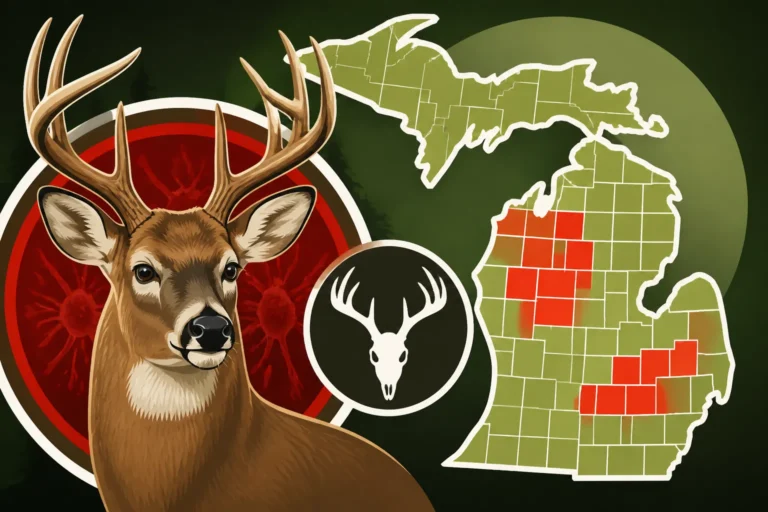
CWD is a neurological disease affecting deer, elk, and moose. It's always fatal and, unfortunately, there's no vaccine or cure. The real problem is how it spreads: through direct contact between animals and indirectly through the environment, specifically through saliva, urine, and feces. When deer congregate at a feeding site, it creates a hot zone for CWD transmission. A single infected deer visiting a pile of corn can contaminate that entire site, and the prions (the infectious agents of CWD) can remain viable in the soil for years. That means even after the food is gone, the risk of transmission persists. Michigan has been fighting CWD since it was first detected in 2015, and the fight is ongoing. You can learn more about where CWD was first found in Michigan and the state's ongoing efforts.
The Persistent Threat of Bovine Tuberculosis (bTB)
Another significant concern, especially in a specific region of Michigan, is Bovine Tuberculosis. While less widespread than CWD, bTB is a bacterial disease that can affect deer, cattle, and even humans. It's primarily transmitted through respiratory droplets when animals are in close proximity, such as at a shared feeding site. The disease is endemic in the deer herd in parts of northeast Michigan, and preventing its spread to livestock farms in the area is a major priority. Feeding deer in these regions drastically increases the chances of transmission between deer and, critically, between deer and domestic cattle. This is why the rules regarding baiting and feeding are especially stringent in these Bovine TB zones. Understanding Bovine TB rules in Northeast Michigan is crucial if you live or hunt in those areas.
Navigating Michigan's Specific Feeding Rules Outside Hunting Season
Michigan's feeding regulations can indeed be a bit of a maze, largely because they aren't uniform across the entire state. The rules are designed to address regional disease threats, so where you are in Michigan heavily influences what you can and cannot do regarding feeding deer. It's essential to understand these distinctions to avoid unintentional violations.
Statewide Feeding Restrictions: The "General" Rule
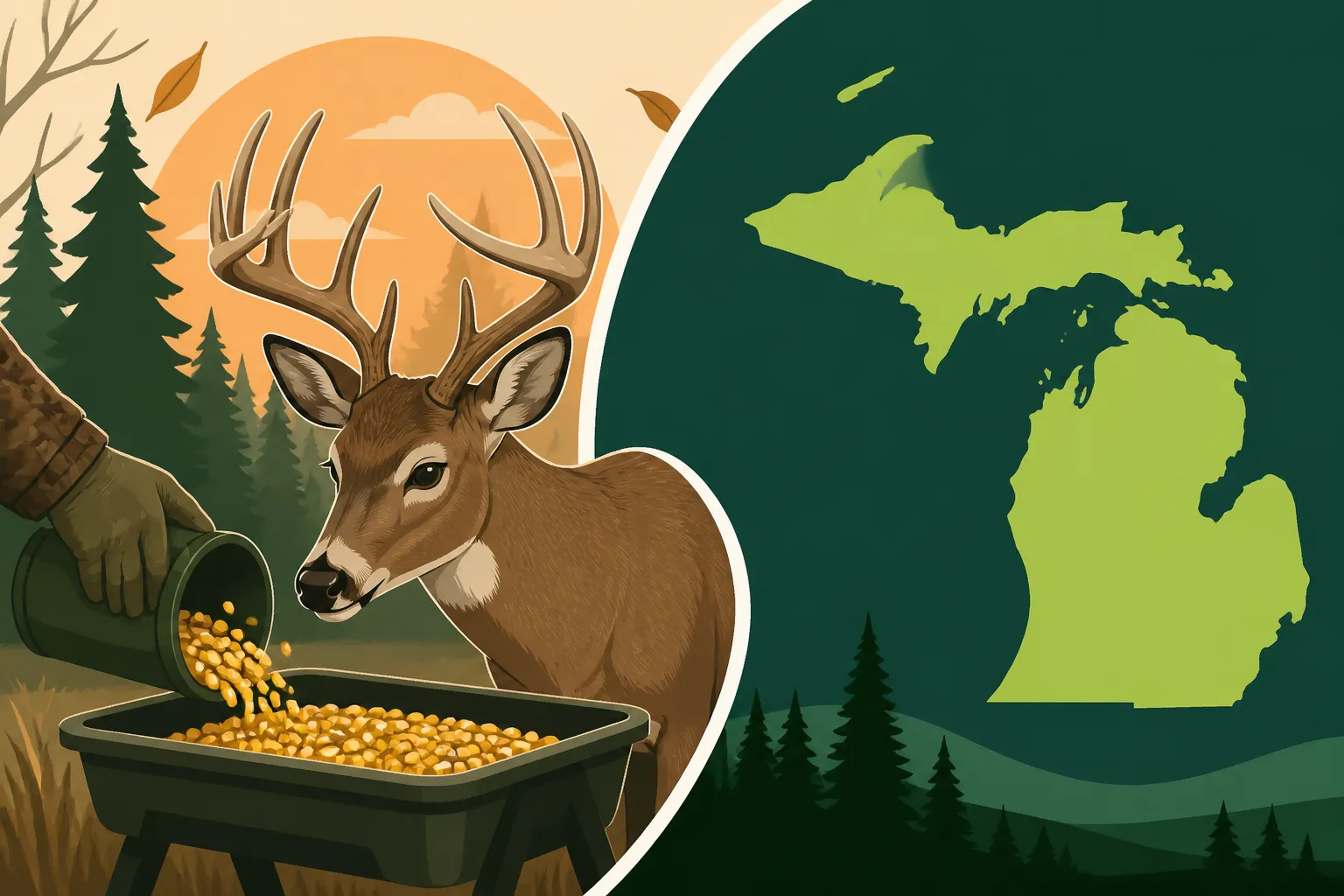
The most basic rule to remember is that it is generally illegal to feed deer in Michigan year-round where deer hunting is permitted. This applies to all areas of the Lower Peninsula and specific areas in the Upper Peninsula. The intent here is to prevent the artificial concentration of deer, which as we discussed, facilitates disease transmission and can also alter natural deer movements and behaviors. This prohibition extends beyond just "baiting for hunting" and covers general recreational or supplemental feeding.
However, there's a critical distinction often missed: the DNR defines "feeding" broadly. It’s not just about dumping a bag of corn. It includes placing food, food products, or other attractants, like minerals or salt licks, that can be consumed by deer. The ban applies whether you intend for deer to eat it or not, if they can access and consume it.
Special Rules for CWD Management Zones
Michigan has designated certain areas as CWD Management Zones (CWD MZ) where the risk of CWD is higher or where the disease has been detected. As of recent updates, these zones have expanded and contracted over time based on disease surveillance. In any county designated as a CWD MZ, the feeding and baiting of deer are strictly prohibited year-round, for any purpose. This means no corn piles, no apple dumps, no mineral blocks, nothing that could attract and concentrate deer.
It's crucial for residents and landowners in these zones to stay informed. The counties included in these CWD MZs can change, so regularly checking the DNR website or calling your local DNR office is vital. This prohibition covers not just deer, but also other wildlife species if the feeding activity results in the congregation of deer. For example, if you put out birdseed that deer also access, it could be considered illegal feeding.
Special Rules for Bovine TB Zones
In a specific portion of the northeastern Lower Peninsula (primarily Alcona, Alpena, Montmorency, and Oscoda counties), Bovine Tuberculosis has been a persistent issue. Due to the high risk of disease transmission between deer and cattle, the feeding of deer is banned year-round in these counties. This ban is even more comprehensive, generally prohibiting any feed or attractant that could draw deer, regardless of the season. If you live in this region, assume all supplemental feeding of deer is off-limits. This is why Michigan banned baiting in specific areas, and those same principles extend to year-round feeding.
Here's a simplified breakdown of the general rules:
| Category | Lower Peninsula (Non-CWD/TB Zone) | CWD Management Zones (Year-Round) | Bovine TB Zones (Year-Round) |
|---|---|---|---|
| Feeding Deer | Illegal where deer hunting is permitted (generally statewide) | Strictly Prohibited | Strictly Prohibited |
| Attractants | Mineral blocks, salt licks, etc., generally illegal if deer consume | Strictly Prohibited | Strictly Prohibited |
| Bird/Squirrel Feed | Permitted if deer cannot access it; use deer-proof feeders | Permitted if deer cannot access it; extra caution needed | Permitted if deer cannot access it; utmost caution needed |
| Food Plots | Permitted (considered agricultural activity) | Permitted (considered agricultural activity) | Permitted (considered agricultural activity) |
Note: This table provides a general overview. Always consult the most current Michigan DNR regulations for precise details, as specific county designations and rules can change.
Permissible Activities and Exceptions
It's not all doom and gloom! There are activities that are generally permissible:
- Food Plots: Planting food plots for deer or other wildlife is generally allowed across the state, as this is considered a form of agricultural practice or habitat management, not "feeding" in the prohibited sense. This is an excellent way to provide natural, spread-out forage. You can learn more about Food Plots Instead of Bait.
- Bird Feeders: You can still feed birds and squirrels. However, the critical caveat is that the feeder must be designed and placed in such a way that deer cannot access the feed. This means elevated feeders, often with cages or baffles, that are regularly cleaned. If deer are consistently getting into your birdseed, you could still be in violation.
- Other Wildlife (Non-Deer): The rules primarily target deer. Feeding non-game animals like raccoons or opossums (if not done in a way that attracts deer) is generally not prohibited, but it's always wise to exercise caution and avoid creating unnatural congregations of any wildlife, which can lead to other issues.
- Agricultural Operations: Legitimate agricultural practices, such as leaving harvested crops in a field or providing feed to livestock, are not considered illegal deer feeding. However, intentionally leaving unharvested crops solely to attract deer could be considered feeding.
Legal and Ethical Ways to Attract and Support Wildlife
If your heart is set on supporting wildlife, especially deer, there are many legal and ethical ways to do it without falling afoul of Michigan's feeding laws. These methods often provide more sustainable, natural benefits to the animals than simply dumping a pile of corn. They focus on improving the habitat, which in turn supports a healthier, more resilient deer herd and other species.
Habitat Management and Enhancements
Instead of direct feeding, consider enhancing the natural habitat on your property. This is a long-term investment that provides year-round benefits and avoids concentrating animals.
- Native Plantings: Work to establish or enhance native vegetation that provides natural food sources (forbs, browse, mast crops) and cover. This includes planting native shrubs, trees (like oaks for acorns, fruit trees), and specific grasses. These resources are naturally dispersed, reducing the risk of disease transmission.
- Timber Stand Improvement: For wooded properties, selective logging or thinning can promote the growth of understory plants that deer browse. Removing invasive species also frees up resources for native, beneficial plants. Learning about habitat work on Michigan State Forest land can provide inspiration for your own property.
- Creating Edge Habitat: Deer thrive in "edge" environments where different habitat types meet (e.g., forest meets field). Creating or maintaining these transitions through clearing small areas or planting transition zones can significantly increase deer use and available forage.
- Water Sources: Ensuring access to clean water, especially during dry periods, can be a huge benefit. This could involve creating small ponds, maintaining existing wetlands, or installing wildlife-friendly watering stations that don't concentrate deer in the same way food piles do.
Food Plots: A Hunter's Best Friend
As mentioned, food plots are a fantastic, legal alternative to traditional feeding. These are areas specifically planted with crops beneficial to wildlife, providing nutrition and attraction.
- Types of Plots: Consider different types of plots for different seasons. Brassicas (turnips, radishes) and cereal grains (winter wheat, oats, rye) are excellent for fall and winter. Clover and alfalfa provide high-protein forage in spring and summer. A mix of annuals and perennials can offer continuous food.
- Plot Design and Placement: Think about size, shape, and location. Larger, irregularly shaped plots can be more natural. Place them strategically, considering deer travel corridors, bedding areas, and security cover. For instance, a plot set up on an aspen cut edge can be very effective.
- Soil Testing and Amendments: Just like any gardening, food plots perform best with healthy soil. Get your soil tested to determine pH and nutrient needs, then amend as necessary. This ensures the plants grow robustly and provide maximum nutritional value to the deer.
- Maintenance: Food plots aren't "plant it and forget it." They require ongoing maintenance like mowing, fertilizing, and weed control to remain productive.
These methods, while requiring more effort than simply pouring out a bag of corn, offer far greater, more sustainable benefits to the wildlife and ecosystem. They promote natural behaviors, reduce disease risks, and can make your property a true haven for Michigan's diverse fauna.
Understanding the Consequences and Staying Compliant
Nobody wants to accidentally break the law, especially when it comes to something as close to our hearts as wildlife. That's why understanding the potential consequences of illegal feeding and knowing how to stay compliant is so important. Michigan's DNR takes these regulations seriously because the health of the deer herd and the state's agriculture depend on them.
Penalties for Illegal Feeding
Violations of Michigan's feeding and baiting rules can result in significant penalties. These aren't just minor infractions. Depending on the severity and whether it's a repeat offense, you could face:
- Fines: Monetary penalties can range from hundreds to thousands of dollars.
- Loss of Hunting Privileges: You could lose your hunting and trapping license for a period of time, which for many, is a deeply cherished right and tradition.
- Confiscation of Equipment: In some cases, equipment used in the violation (e.g., hunting gear if tied to baiting) could be confiscated.
- Criminal Charges: In egregious or repeat cases, charges could escalate to a misdemeanor.
These penalties are not meant to be punitive for the sake of it, but rather to serve as a deterrent and protect the broader wildlife population and agricultural interests. It’s far better to invest your time and resources in legal and beneficial activities like habitat improvement.
Staying Informed and Reporting Concerns
The rules regarding wildlife feeding, especially in response to disease outbreaks, can change. What was permissible last year might not be this year, or vice-versa. The best way to ensure you're always compliant is to proactively seek out current information:
- Michigan DNR Website: The official Michigan DNR website is the most reliable source for the latest regulations, CWD and bTB zone maps, and FAQs. They regularly update these pages, especially as disease management strategies evolve.
- DNR Hunt Fish App: The Michigan DNR Hunt Fish App is a fantastic resource that you can carry right on your phone. It provides access to regulations, licensing, and reporting tools, making it easy to check rules on the go.
- Local DNR Offices: Don't hesitate to call or visit your local DNR office. Conservation Officers and wildlife biologists are there to help and can provide clarifications specific to your area.
- Subscribe to Updates: Many state wildlife agencies offer email newsletters or alerts for important regulation changes. Signing up for these can keep you in the loop without constant manual checking.
If you observe suspicious feeding activity or potential violations, you can confidentially report it to the DNR's Report All Poaching (RAP) line. This helps conservation officers address issues that could be detrimental to the state's wildlife. Remember, responsible hunting and wildlife stewardship mean staying informed and adhering to the regulations designed to protect these precious resources for everyone.
Disclaimer
The information provided in this guide is for general informational purposes only and does not constitute legal advice. While we strive to keep the information up-to-date and correct, rules and regulations regarding Michigan hunting and wildlife feeding can change frequently. Always consult the official Michigan Department of Natural Resources (DNR) website or contact a DNR representative directly for the most current and accurate information before engaging in any activities.