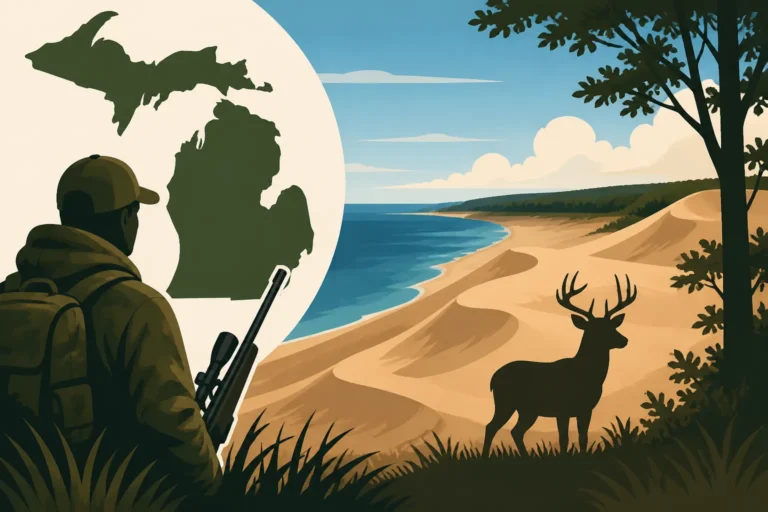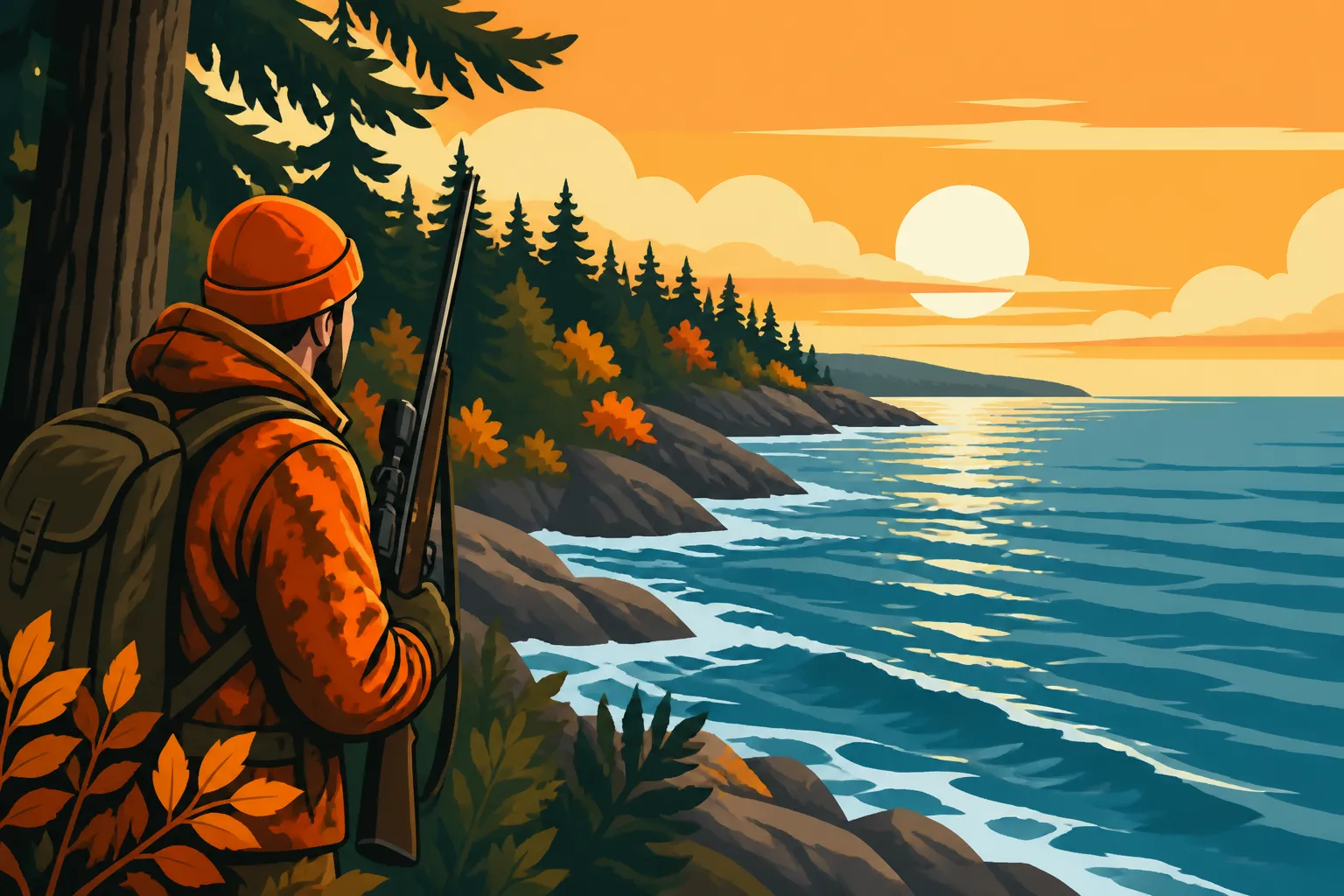
Hunting the Lake Superior Shoreline
Hunting the rugged Lake Superior shoreline in Michigan presents a completely different set of challenges and rewards than chasing whitetails in the Lower Peninsula farmlands. Many hunters get frustrated by the vast, seemingly impenetrable wilderness and the sheer scale of the landscape, often feeling overwhelmed by where to even begin. This guide will help you understand the unique environment, the game you'll find, how to access these remote areas, and the tactics you'll need to succeed, all while keeping you safe in this wild, beautiful corner of our state.
The Unique Allure and Challenges of Lake Superior Shoreline Hunting
There's something truly special about hunting with the roar of Lake Superior as your backdrop, or the crisp, clean air off the greatest of the Great Lakes filling your lungs. It’s an experience that tests your resolve and demands a deep understanding of the environment. However, this beauty comes with its own set of hurdles that can quickly turn a dream hunt into a frustrating ordeal if you’re not prepared.
Understanding the Remote and Rugged Landscape
Unlike the more accessible state game areas or rolling hardwood forests of the northern Lower Peninsula, the Lake Superior shoreline is often characterized by extreme remoteness and unforgiving terrain. We're talking about vast expanses of timber, ranging from dense cedar swamps and conifer bogs right up to the lake's edge, to towering hardwood ridges further inland. There are also dramatic bluffs, rocky outcroppings, and deep ravines carved by countless small streams and rivers that flow into the big lake. Vehicle access can be extremely limited, often restricted to old logging trails that can be impassable depending on the season and recent weather. This means a lot of foot travel, and that in itself is a challenge. You might find yourself bushwhacking through areas where the undergrowth is so thick it feels like swimming, or traversing slippery, moss-covered rocks near the shore. Many hunters, accustomed to more manicured state land, quickly realize their usual approach simply won't cut it here. The sheer scale and wildness of it all can be daunting, but that's also where the biggest rewards often lie.
Weather's Dominant Role and Its Impact on Hunting
If you’re hunting anywhere near Lake Superior, you’re constantly at the mercy of the lake itself. The weather here isn't just a factor; it's the factor. Conditions can change in an instant, often dramatically and without much warning. A sunny, crisp autumn morning can quickly turn into a howling gale with snow squalls whipping off the lake, reducing visibility to mere yards and dropping temperatures precipitously. Rain can make already treacherous trails slick and swampy areas impassable. The cold here feels different, too – a damp, penetrating chill that the lake intensifies. Hunters often underprepare, thinking they can handle a "normal" Michigan cold front, only to find themselves shivering uncontrollably. This dynamic weather directly impacts game movement, visibility, and your own safety. Strong winds can make hearing distant calls impossible and mask the sound of approaching animals. Heavy snow can limit travel, while unexpected thaws can create dangerous slush and mud. Planning for every possible weather extreme isn't just a suggestion; it’s a critical component of a safe and successful hunt along this wild coast.
Game Species You'll Encounter Along Michigan's North Coast
While deer hunting often takes center stage in Michigan, the Lake Superior shoreline offers a surprisingly diverse array of game species for those willing to put in the effort. The unique blend of habitats, from dense conifer stands to mixed hardwoods and coastal marshes, caters to several sought-after game animals. Understanding what lives here and how they interact with this specific environment is key to tailoring your hunting strategy.
Deer Movement and Habitat Adaptation Near the Lake
Whitetails along the Lake Superior shoreline are a different breed, both literally and figuratively, than their southern Michigan counterparts. These deer often contend with harsher winters and denser cover, making them masters of evasion. Their populations can be less dense than in other parts of the state, especially after a particularly harsh winter, but the bucks that survive are often older and wiser. You won't typically find them grazing in vast agricultural fields; instead, they'll be tucked into thick cedar swamps that offer thermal cover and browse, or moving through dense, young aspen regeneration. Deer often utilize the thick conifer cover for shelter from the biting lake winds and heavy snow, especially during the colder months, making Upper Peninsula Deer Yarding and Winter Movement a critical topic to understand. During periods of heavy snowfall, finding deer in deep snow can be incredibly difficult, as they become even more restricted in their movements. Look for transition zones where these dense conifers meet mixed hardwoods, providing both cover and food sources like acorns or browse. They will often travel along ridges overlooking the lake or use the dense edges of swamps as travel corridors. Scouting these areas for old rubs and scrapes, or even just heavily used trails, is essential. The density might be lower, but the rewards of tagging a U.P. buck in this environment are immense.
Opportunities for Bear, Grouse, and Waterfowl
Beyond deer, the Lake Superior shoreline region offers fantastic opportunities for other game. Black bears thrive in these vast, remote woodlands, utilizing the dense cover and abundant berry crops in season. Bear hunting here can be a challenging but incredibly rewarding experience, especially for those who prefer still-hunting or spot-and-stalk methods, though baiting is also a common practice in Michigan. The sheer wildness of the landscape makes every bear encounter feel truly primal.
For upland bird enthusiasts, this area is a mecca for ruffed grouse and woodcock. The mixed aspen stands, alder thickets, and young conifer patches that pepper the landscape are prime habitat. Grouse and Woodcock Hunting in Michigan can be phenomenal here, especially during the fall migration when woodcock numbers swell. You'll often find yourself walking old logging roads and two-tracks, or busting through dense cover, flushing birds that explode with a heart-stopping whir.
And let's not forget waterfowl. While the open expanse of Lake Superior itself isn't typically where most hunters set up, the numerous smaller bays, river mouths, and sheltered coves, along with inland ponds and marshes just a short distance from the coast, offer excellent duck and goose hunting. Divers like scaup, redheads, and even canvasbacks can be found in the more protected waters, while mallards, wood ducks, and geese will frequent the smaller wetlands and agricultural fields further from the immediate shore. Hunting these areas requires specialized gear and tactics, often involving boats or sturdy waders, but the experience of watching ducks cup their wings over the backdrop of Lake Superior's vastness is unforgettable.
Navigating Access and Public Land along the Shoreline
One of the biggest hurdles for hunters heading to the Lake Superior shoreline is simply figuring out where they can legally hunt and how to get there. The region boasts an impressive amount of public land, but it's often fragmented, rugged, and not always clearly marked. Overcoming this challenge requires diligent research and the right tools.
Identifying Open Hunting Ground with Modern Tools
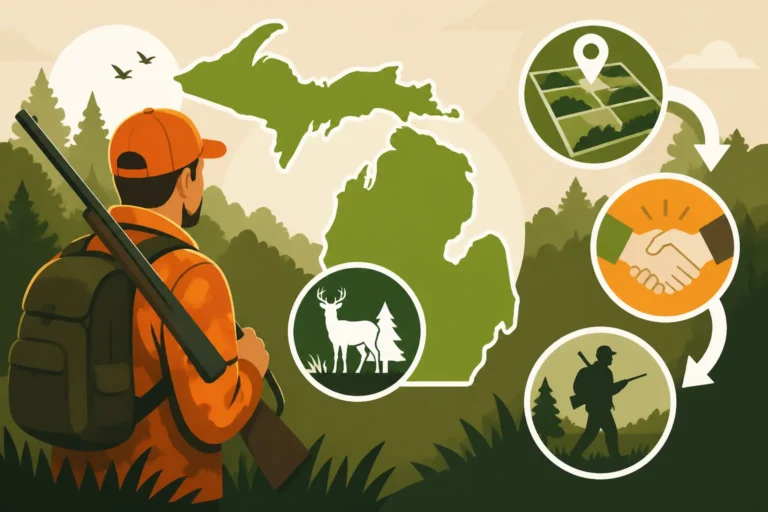
Michigan's Upper Peninsula, including its Lake Superior coastline, has vast tracts of state and federal land open to public hunting. This includes portions of the Ottawa National Forest Hunting, Hiawatha National Forest Hunting, and extensive stretches of Michigan State Forest. However, identifying the precise boundaries can be tricky. This is where modern mapping applications become an indispensable tool. Tools like onX Hunt are an absolute game-changer. They allow you to overlay private and public land boundaries directly onto your phone or GPS device, showing you exactly where you stand in relation to property lines. This not only prevents accidental trespassing but also helps you pinpoint those often-overlooked public parcels that might be surrounded by private holdings. Using these apps, you can scout from home, marking potential access points, identifying thick cover for bedding areas, and mapping out game trails visible from satellite imagery. It's a fantastic way to minimize wasted time once you're on the ground, helping you focus on Reading Aerial Photos for Swamp Deer or identifying funnels and pinch points. Without these tools, you'd be relying on outdated paper maps or guesswork, which is a recipe for frustration in such a vast and wild landscape.
Practical Considerations for Travel and Scouting
Once you've identified your target hunting zones using digital maps, the next step is planning your physical access. Many areas along the Lake Superior shoreline, particularly deep within national or state forests, are only accessible via unmaintained forest roads, two-tracks, or simply by foot. These roads can be extremely rough, prone to washouts, and impassable in wet conditions without a high-clearance 4×4 vehicle. Always carry recovery gear like a shovel, tow strap, and even a winch if you're venturing far off the beaten path. Cell service is notoriously spotty or non-existent in many remote U.P. locations, so downloading offline maps on your onX Hunt app is crucial.
Scouting isn't just about finding deer sign; it's about understanding the land itself. Look for natural funnels, elevated ridges that offer visibility, and the edges of dense cover. Think about entry and exit routes that minimize disturbance, especially if you plan on Still-Hunting Michigan Cedar Swamps or other sensitive areas. Consider the distance you're willing to walk and your physical fitness. A mile in this rugged terrain can feel like three miles on flat ground. During the offseason, take hikes into potential hunting areas to learn the contours of the land, find water sources, and identify potential bedding and feeding areas. The more intimately you know the land before the season opens, the better prepared you'll be for whatever challenges it throws at you.
Here's a quick comparison of public land types you'll encounter:
| Public Land Type | Primary Features | Access Level | Common Game Species |
|---|---|---|---|
| State Forest Land | Vast, managed timber, old logging roads, dispersed camping. | Moderate to Difficult | Deer, Bear, Grouse, Woodcock |
| National Forest Land | Large, remote, less managed in some areas, wilderness. | Moderate to Difficult | Deer, Bear, Grouse, Waterfowl |
| State Game Areas | Often smaller, managed for specific game, some infrastructure. | Easy to Moderate | Deer, Small Game, Waterfowl |
| Commercial Forest Act | Privately owned, but open to public for hunting/fishing. | Varies by Parcel | Deer, Bear, Grouse, Woodcock |
Effective Tactics for Coastal Hunting Success
Hunting the Lake Superior shoreline demands a shift in mindset and tactics from what might work in other parts of Michigan. The wildness of the landscape and the behavior of the game require a more adaptive and resilient approach.
Adapting Your Approach to Shoreline Terrain
Forget long-range shooting across open fields; here, most shots will be close-quarters, often through thick cover. Stealth and patience are paramount. If you're still-hunting, move slowly, pausing frequently to scan your surroundings, paying close attention to changes in elevation, wind direction, and any subtle movement. Use the terrain to your advantage, moving along ridges to see into valleys or using thickets for concealment. When selecting a stand location, focus on areas that offer thermal cover for deer, especially cedar swamps or dense conifer stands that block the wind. Look for sign where deer transition between these bedding areas and food sources like beech nuts, acorns, or browse. Setting up a stand on a swamp edge can be particularly effective. Remember that the weather patterns off Lake Superior can create unique thermals, even on relatively flat ground, so always be mindful of your wind direction. With limited visibility in many areas, having a good pair of binoculars to pick apart dense cover is essential.
For upland birds, focus your efforts on younger forest growth, particularly aspen clearcuts between 5-20 years old for grouse, and alder runs along stream beds for woodcock. Walking old two-tracks or abandoned logging roads can be productive, but don't be afraid to plunge into the thick stuff where the birds really hide. If you're hunting waterfowl, concentrate on protected bays, river mouths, or small, sheltered inland ponds. Using decoys and calling effectively will be key, but always prioritize safety in potentially choppy water if you're using a boat.
Safety First: Preparing for the Unexpected
Hunting in such a remote and wild area carries inherent risks, and preparedness is not just important – it's crucial. Tell someone exactly where you are going and when you expect to return. This isn't just a friendly courtesy; it could be a lifesaver. Carry a reliable compass and a physical map in addition to your digital mapping app, and know how to use them, especially since cell service is unreliable. A GPS unit with pre-loaded maps can also be a valuable backup.
Pack an emergency kit that includes a first-aid kit, fire-starting materials, a headlamp, extra layers of clothing, high-energy snacks, and plenty of water. Even for a day hunt, assume you might get stranded overnight. The weather can change fast, and getting lost or injured in this vast wilderness can quickly become life-threatening. Always wear sufficient Michigan Hunter Orange Rules during firearm seasons, as visibility can be poor in thick cover and during low light conditions. If you're hunting near the lake in colder months, layers are absolutely essential for Cold Weather Sitting Strategy, with wool and synthetics being far superior to cotton. Consider a personal locator beacon (PLB) or satellite messenger for true peace of mind, especially if you're venturing deep into the most remote areas. These tools can provide a lifeline when all other communication fails. The Lake Superior shoreline is an incredible place to hunt, but it demands respect and thorough preparation.
Disclaimer
This article is for general informational purposes only and does not constitute professional advice. Laws, prices and regulations vary by location and change over time. Consult a qualified professional for guidance on your specific situation.