Hunting Barry State Game Area
It can feel incredibly overwhelming staring at a map of a huge chunk of public land like Barry State Game Area, wondering where on earth to begin. The sheer size, the diverse habitat, and the ever-present thought of other hunters can make a productive hunt seem like a pipe dream. This guide aims to demystify hunting Barry State Game Area, providing practical, real-world strategies for tackling its varied terrain and finding success across multiple seasons and species.
Understanding the Landscape of Barry State Game Area
Barry State Game Area, located in Barry County, is one of Michigan's larger public land holdings, encompassing thousands of acres. What makes it particularly interesting – and sometimes frustrating – for hunters is its incredibly diverse landscape. You're not dealing with just one type of habitat here; it's a true mosaic, which means opportunities, but also challenges.
Diverse Habitats and Terrain
Imagine rolling hills covered in mature oak and maple hardwoods, then suddenly dropping into a thick cedar swamp. Just beyond that, you might find vast expanses of managed pines, or perhaps old fields reverting to brush and young aspen. This isn't a flat, monotonous landscape. The terrain varies from relatively flat, open woods to steep ridges and deep, mucky lowlands. Water features are abundant, with numerous small lakes, ponds, and winding creek drainages dissecting the property. This diversity is a double-edged sword: it supports a wide array of wildlife, but it also demands a versatile hunting approach and good physical conditioning. You might find yourself walking through dry oak flats in the morning and slogging through knee-deep water by afternoon.
The older, mature timber often holds squirrels and provides critical mast crops for deer and turkeys. The younger, regenerating areas, especially those with thick undergrowth or young aspen, are prime habitat for ruffed grouse and offer incredible cover for whitetails seeking refuge. The swamps, particularly cedar swamps, are well-known deer bedding areas, especially as hunting pressure builds or winter approaches. Understanding these different habitat types and their typical inhabitants is your first step to unlocking the potential of Barry SGA.
Public Land Pressure and Finding Solitude
Let's be real, Barry State Game Area isn't a secret. During peak seasons like the firearm deer opener or the early days of archery, you're going to see other hunters. This is just a fact of public land life in Michigan, especially in a popular area so accessible to population centers. The good news is that most hunters tend to stick to the easily accessible spots – near parking areas, along well-worn two-tracks, or adjacent to main roads. This creates an opportunity for those willing to put in the effort.
To truly find solitude and potentially encounter less-pressured animals, you'll need to venture deeper. This often means walking further than most, navigating dense cover, or finding less obvious access points. Don't be afraid to pull up a detailed map, like one from onX Hunt, and look for those spots that require a longer hike or have tricky terrain between them and the nearest access road. Often, a half-mile or mile walk into a thick block of timber or a hard-to-reach swamp can make all the difference. Remember, those areas that look "too hard" on the map are often precisely where the deer are hiding out.
Strategies for Deer Hunting in Barry State Game Area
Deer are the main draw for many hunters in Barry State Game Area, and the diverse habitat offers numerous approaches, provided you adapt to the conditions and the pressure.
Scouting and Stand Placement
Effective scouting is paramount here. Before the season even opens, spend time walking the property, looking for deer sign like rubs, scrapes, and well-used trails. Pay particular attention to transition areas – where hardwoods meet pines, where a swamp opens into an oak ridge, or where dense cover borders a more open feeding area. These are natural funnels where deer movement is concentrated. Scouting Michigan Public Land Before Season is an excellent resource for getting started.
When it comes to stand placement, you'll need versatility. In areas with mature hardwoods, a treestand can offer an elevated vantage point, allowing you to see over brush and scent control is easier. However, in thicker cedar swamps or dense regenerating cuts, a ground blind might be a better option, providing concealment and allowing you to set up quickly in tight quarters. Consider the prevailing wind direction for any setup, especially near bedding areas. Deer are masters of using the wind to their advantage, and if you're not careful, they'll bust you every time. Look for natural barriers like creeks, steep slopes, or impenetrable thickets that can funnel deer past your setup, limiting the directions from which they can approach unseen.
Adapting to Hunting Pressure
As mentioned, Barry SGA can get busy. During the archery season, especially in October when the pre-rut kicks in, you'll find more activity. During the November firearm season, it can feel like a small army is out there. This pressure significantly impacts deer movement. Bucks become more nocturnal, and deer in general will seek out the thickest, nastiest cover they can find.
To counter this, consider still-hunting or even small deer drives during firearm season. Still-hunting, moving slowly and deliberately through the woods, can be highly effective, particularly after a fresh snow or during rainy weather when other hunters might be less active. Focus on moving into the wind and glassing ahead constantly. For drives, a small group of two to four hunters can be surprisingly effective in pushing deer out of small thickets or finger swamps, especially if you understand how deer will naturally try to slip out the back door. Deer Drives With Three or Four Hunters provides excellent insights into this tactic. Pay attention to how other hunters move through the woods; deer will often adjust their patterns to avoid them, creating new opportunities for you if you can anticipate these movements.
Pursuing Other Game in Barry's Diverse Habitats
While deer may be the primary target, Barry State Game Area offers fantastic opportunities for small game and wild turkeys, each requiring different tactics suited to the varied landscapes.
Small Game Hunting
The mix of hardwoods, pine plantations, and reverting fields in Barry SGA creates a haven for a variety of small game. Squirrels are abundant in the oak and hickory stands, especially during early fall when acorns are raining down. A quiet still-hunt through these areas, or finding a comfortable spot to sit and watch, can yield a successful squirrel hunt. Look for "cuttings" – bits of nut shells – on the forest floor as a sign of active feeding. Squirrel Hunting Michigan Hardwoods offers specific strategies for these conditions.
For rabbit and snowshoe hare, focus on the thick brush, briar patches, and regenerating clearcuts. These dense areas provide both food and cover. If you have a good beagle, Barry SGA can be a fantastic place for a rabbit hunt. Without a dog, still-hunting these thickets with a good shotgun can flush rabbits, but be prepared for quick, close-range shots. The swamp edges and transition zones are particularly good for cottontails. The early season before heavy snows is often best, but even after a snowfall, tracking can lead to success.
Ruffed Grouse and Woodcock Opportunities
The aspen and alder stands within Barry State Game Area are prime cover for ruffed grouse and migratory woodcock. Look for younger aspen cuts, typically 8-20 years old, which provide the dense understory grouse crave. Walk these areas slowly, paying close attention to thick edges, brush piles, and areas with clover or other forage. A good bird dog is invaluable here, but even without one, methodical walking can flush birds. Grouse Hunting Michigan Aspen Cover gives more details on this.
Woodcock, often found in conjunction with grouse, prefer wetter, softer ground, particularly along creek bottoms or in alder thickets. These "timberdoodles" are migratory, so timing your hunt to coincide with their fall migration is key. Look for their distinctive probing holes in the damp soil. A lighter shotgun and open chokes are often preferred for these fast, close-quarters flushes. Hunting both species often means targeting specific habitats within the broader landscape.
Spring and Fall Turkey Hunting
Wild turkeys thrive in Barry's varied landscape. In spring, focus on the hardwood ridges and oak flats where gobblers will be strutting and calling. Listen for roosted birds at dawn and try to set up between them and their preferred feeding or strutting areas. Decoy placement can be critical, especially on more pressured birds. Calling a Michigan Gobbler Off the Roost discusses effective tactics.
Fall turkey hunting offers a different challenge. Flocks will be feeding on acorns and other mast, and breaking up a flock and then calling individual birds back can be a highly effective strategy. Barry SGA's mixture of open woods and dense pockets allows for both aggressive and patient approaches to fall birds. Scouting for fresh droppings and scratchings is key to locating fall flocks.
Navigating and Maximizing Your Public Land Experience
Hunting Barry State Game Area successfully often comes down to preparation, navigation, and understanding the rules of engagement for public land.
Essential Tools for Navigation and Scouting
Gone are the days when a paper map and a compass were your only tools. While those are still good to have as backups, modern mapping applications are indispensable for hunting complex public land like Barry SGA. Tools like onX Hunt allow you to see property boundaries, identify access points, mark waypoints for stands or game sign, and even track your movements. This is critical for knowing you're on public land, avoiding trespass, and efficiently moving through unfamiliar terrain. Before you go, download offline maps, as cell service can be spotty in some of the deeper woods.
- GPS/Mapping App: Absolutely essential. Mark your vehicle, potential stand sites, areas of sign, and escape routes.
- Binoculars: Useful for spotting game in more open timber or scouting distant ridges without disturbing the area.
- Headlamp: Non-negotiable for walking in before dawn or out after dark. Safety first!
- Small First-Aid Kit: Accidents happen, especially far from the road. Be prepared for minor cuts, scrapes, or blisters.
Leveraging these tools not only makes your hunt safer but also significantly more efficient. Identifying potential funnels or overlooked pockets of cover becomes much easier when you can visualize the terrain from an aerial perspective before you even step foot in the woods.
Understanding Regulations and Ethical Hunting
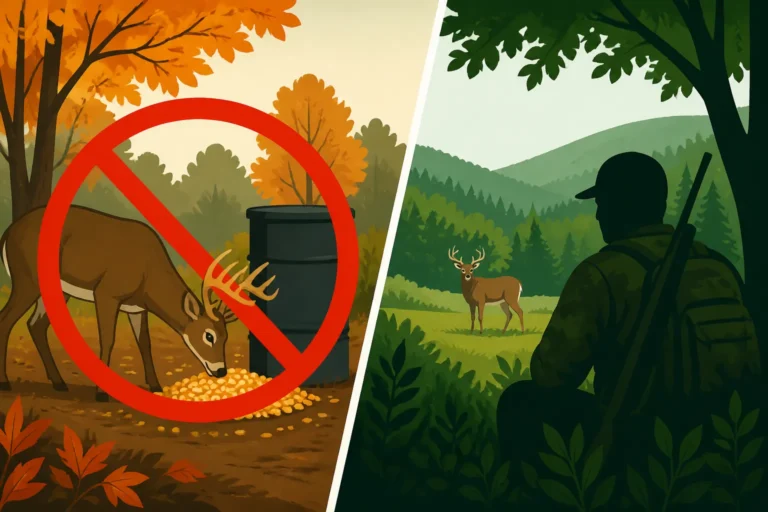
Hunting on any public land in Michigan comes with a set of rules and regulations. It’s your responsibility to know them. For Barry State Game Area, general Michigan public land rules apply, including hunter orange requirements during firearm seasons, baiting restrictions (which are widespread in the Lower Peninsula), and rules regarding permanent stands or ground blinds. For instance, temporary stands must be removed at the end of the season. Michigan Hunter Orange Rules and Michigan Baiting and Feeding Rules are crucial reads.
Always be mindful of other hunters. If you see another hunter, give them a wide berth. If you arrive at a spot and realize someone else is already there, have the courtesy to find another location. Ethical hunting also means respecting the land – pack out everything you pack in, and leave no trace. This helps ensure that these public lands remain enjoyable for everyone for generations to come. Having your Michigan Hunting Licences and What They Cost in order, and understanding the nuances of Michigan Deer Seasons and Tags will make your hunt worry-free.
| Habitat Type | Typical Game Species | Best Hunting Method(s) | Common Challenges |
|---|---|---|---|
| Mature Hardwoods (Oak/Maple) | Deer, Turkey, Squirrel | Still-hunting, Stand hunting, Squirrel stalking, Calling | Other hunters, Variable mast crops |
| Pine Plantations | Deer, Rabbit, Grouse | Still-hunting, Ground blinds, Dog hunting (rabbits) | Dense visibility, Difficult scent control |
| Cedar Swamps/Lowlands | Deer, Rabbit, Waterfowl | Still-hunting, Stand hunting (edges), Ground blinds | Difficult access, Water, Bugs, Heavy cover |
| Young Aspen/Brushy Cuts | Deer, Grouse, Rabbit, Woodcock | Dog hunting (grouse), Still-hunting, Drives (deer/rabbit) | Very dense, Loud movement, Difficult to shoot |
| Reverting Fields/Edges | Deer, Turkey, Rabbit, Coyote | Stand hunting (edges), Ground blinds, Calling | Visibility to deer, Wind exposure, Hunter traffic |
Tips for a Successful Hunt in Barry SGA
Success in Barry State Game Area, like any public land, often boils down to preparation, perseverance, and being adaptable.
Get Off the Beaten Path
This cannot be stressed enough. Most hunters will not walk more than a quarter or half-mile from their vehicle. Use this to your advantage. Pull up your onX Hunt app, identify areas that are a mile or more from any established parking area or two-track, and plan your routes into these spots. Often, these areas are protected by thick cover, swampy ground, or simply require a longer walk, deterring casual hunters. This is where you'll find less pressured deer and potentially more undisturbed game. Finding Ground Others Walk Past is a principle that applies perfectly here. Consider parking further away and walking in, or utilizing an often-overlooked access point that requires crossing a ditch or navigating a field edge.
Even if you don't find a monster buck, the experience of being deeper in the woods, away from the sounds of traffic and other people, is a reward in itself. These are the places where deer feel safest, and you might just catch one slipping through during daylight hours.
Dress for the Conditions and Terrain
Barry State Game Area can be physically demanding. You'll encounter mud, water, dense brush, and potentially significant elevation changes if you're exploring the more rolling sections. Invest in good quality, waterproof boots – rubber boots are often a solid choice, especially if you plan to explore swamp edges or creek bottoms. Layer your clothing appropriately for Michigan's unpredictable weather, especially during the colder months. A silent outer layer is crucial for still-hunting or sitting quietly in a stand. Boots for Michigan Swamps and Snow and Layering for a Michigan Deer Stand can make a huge difference in your comfort and ability to stay out longer.
Think about what you truly need to carry. A comfortable day pack with water, snacks, a small first-aid kit, and perhaps an extra layer is usually sufficient. Avoid overpacking, as every extra pound will feel heavier after a long hike through thick cover.
Be Patient and Persistent
Public land hunting often tests your patience. You might not see deer every sit, and you'll likely encounter signs of other hunters. Don't get discouraged. The more time you spend in Barry SGA, the more you'll learn its nuances, understand deer movement patterns under pressure, and discover those hidden gems. The whitetails here, especially the older bucks, are incredibly smart and have learned to avoid human contact.
A hunter's success often comes down to persistence. Even when the woods feel dead, or you hear shots from other hunters, stick with your plan. A sudden change in weather, a shift in wind, or even a push from another hunter a half-mile away can suddenly put a deer in front of you. Barry State Game Area offers a fantastic, diverse hunting experience for those willing to embrace its challenges.
Disclaimer
This article is for general informational purposes only and does not constitute professional advice. Laws, prices and regulations vary by location and change over time. Consult a qualified professional for guidance on your specific situation.