Squirrel Hunting Michigan Hardwoods
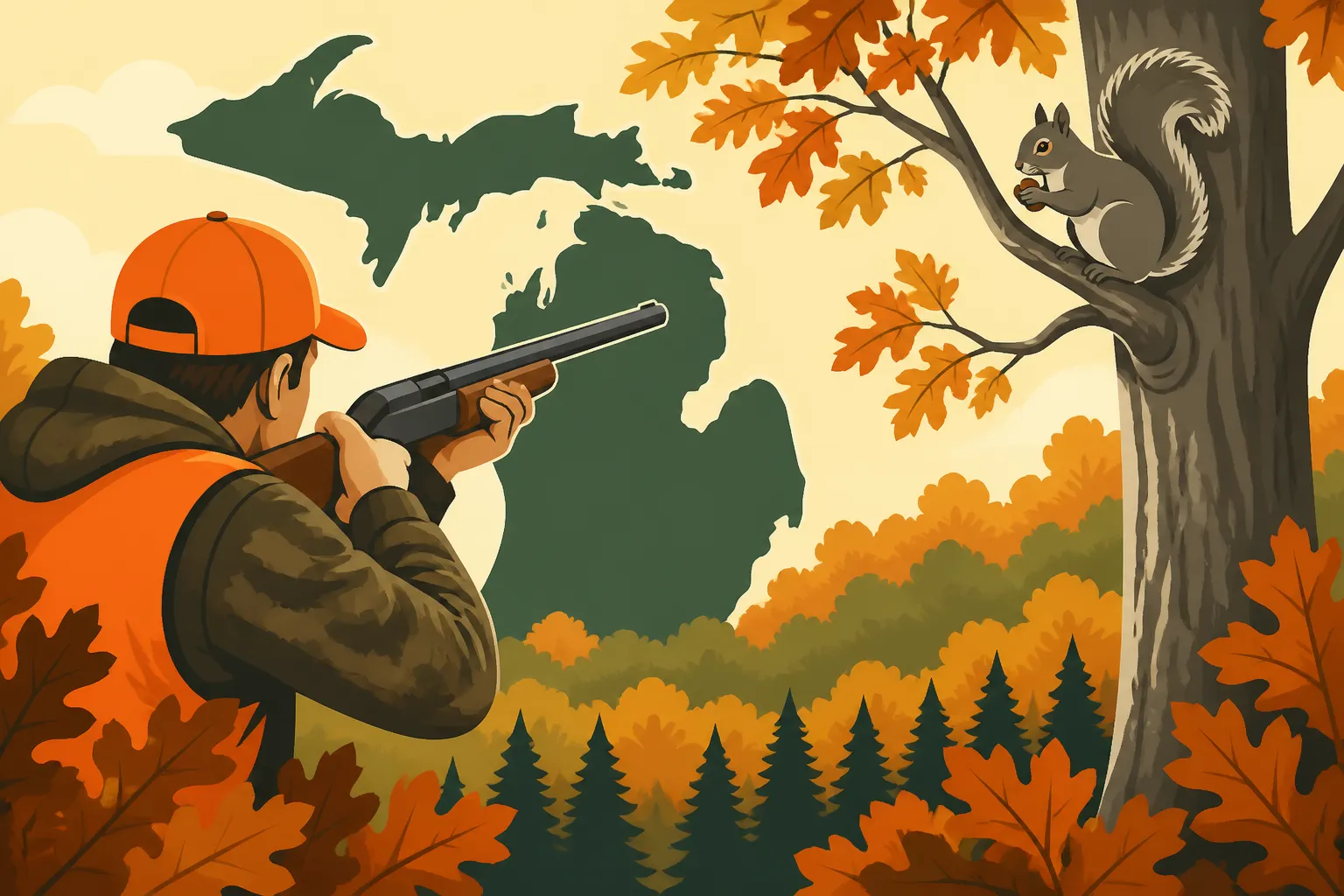
Many hunters feel like they need elaborate gear, expensive leases, or a massive time commitment to enjoy a day afield. The truth is, some of the most rewarding hunting experiences are found in the simplest pursuits, like chasing squirrels in Michigan’s sprawling hardwood forests. This guide is dedicated to unlocking the joys and practicalities of squirrel hunting, helping you find success and satisfaction without the usual fuss.
Why Michigan Hardwoods Offer Great Squirrel Hunting
Michigan's diverse landscape, especially its vast hardwood forests, provides an often-overlooked opportunity for hunters of all skill levels. Squirrel hunting isn't just a way to put some delicious meat in the freezer; it's a fantastic primer for new hunters and a skill sharpener for seasoned vets. The sheer abundance of quality habitat means there are usually plenty of opportunities, making it a great option when other seasons are closed or when you just need to get out and stretch your legs.
Accessibility and Low Barrier to Entry
One of the most appealing aspects of squirrel hunting in Michigan is its incredible accessibility. You don't need specialized permits beyond a basic small game license, and the seasons are long, typically running from mid-September right through January. This generous timeframe means you can fit a hunt into almost any schedule, from a quick morning outing before work to a relaxed afternoon stroll on a weekend. Furthermore, unlike deer or bear hunting, the gear requirements are minimal, making it very budget-friendly. A simple .22 rifle or a shotgun, some suitable clothing, and a good pair of boots are often all you need to get started. Many folks even head out with just a trusty air rifle for a quiet, low-recoil experience.
The sheer amount of public land in Michigan, much of it covered in prime hardwood forest, also contributes to its accessibility. From national forests like the Huron-Manistee and Hiawatha to numerous state game areas, there are endless opportunities to pursue these bushy-tailed critters without needing private land access. This means less stress about finding a spot and more time enjoying the hunt.
Sharpening Hunting Skills
Don't let the "small game" label fool you; squirrel hunting is a demanding pursuit that hones crucial hunting skills. It requires keen observation to spot camouflaged squirrels against bark, exceptional stealth to approach without spooking them, and patience to wait for a clear, ethical shot. You'll become intimately familiar with identifying game sign, understanding animal behavior, and using topography to your advantage. These are all foundational skills that transfer directly to hunting larger game, making it an excellent practice ground for deer hunters.
Whether you're practicing still-hunting techniques, perfecting your shot placement, or learning to read the woods, every squirrel hunt adds to your overall woodsman knowledge. It teaches you how to move quietly, how to use cover, and how to stay alert for subtle movements and sounds. The quick reactions sometimes needed to get a shot off at a moving squirrel also do wonders for your shooting proficiency.
Delicious Table Fare
Beyond the challenge and skill-building, squirrels offer a genuinely delicious reward for your efforts. Often described as "tree rabbits," their lean, mild meat is incredibly versatile and can be prepared in a multitude of ways. From classic squirrel and dumplings to fried squirrel, stews, or even gourmet preparations, there's no shortage of tasty recipes to try. Harvesting your own small game provides a deep connection to your food and a sense of satisfaction that store-bought meat simply can't replicate.
Many hunters swear by squirrel meat as some of the best wild game available, often preferring it over rabbit or even some fowl. The effort you put into the hunt is directly rewarded with a healthy, organic meal for your family and friends. Plus, it's a fantastic way to introduce new people to wild game cooking without the sometimes stronger flavors of larger animals.
Understanding Michigan's Squirrel Species and Their Habitat
Michigan is home to several squirrel species, but when most hunters talk about "squirrel hunting," they're primarily referring to fox squirrels and gray squirrels. Each has its own preferences and habits, and understanding these can make a big difference in your hunting strategy. While red squirrels are also present, they are much smaller and typically not the primary target for most hunters due to their size and the difficulty in processing them for table fare.
Fox Squirrels: Masters of the Woodland Edge
Fox squirrels (Sciurus niger) are the largest tree squirrels in Michigan, easily recognized by their reddish-orange fur on their belly and sides, contrasting with their grizzled gray-brown backs. They thrive in more open, mature hardwood forests, often preferring woodlots with scattered trees and close proximity to agricultural fields. You'll frequently find them along the edges of forests, especially where they meet cornfields or other food sources. They spend more time on the ground than their gray cousins, foraging for nuts, seeds, and even agricultural crops.
Their tendency to stick to the ground and more open canopy makes them a slightly easier target for observation, but their larger size also means they can be quite wary. When alarmed, a fox squirrel might run along the ground to the nearest tree before scrambling up and barking furiously. Understanding their preference for edge habitat can help you focus your efforts, especially in areas where forests transition to fields or pastures.
Gray Squirrels: Denizens of Dense Timber
Gray squirrels (Sciurus carolinensis) are generally smaller than fox squirrels, with primarily gray fur, a white belly, and a bushy tail often fringed with white. They prefer denser, unbroken tracts of mature hardwood forest, particularly those with a strong presence of oak, hickory, and beech trees. These areas provide abundant mast (nuts) and a dense canopy for cover and travel. Unlike fox squirrels, gray squirrels are true arboreal acrobats, spending most of their time high in the trees, leaping from branch to branch with incredible agility.
When hunting gray squirrels, you'll want to focus on deep timber, especially ridges and valleys dominated by nut-bearing trees. They are incredibly fast and can quickly put a tree between themselves and a perceived threat. Their high-canopy habits mean you often need to look up more frequently and be prepared for shots at steep angles. You'll often hear their distinctive chirping and chattering before you see them, especially when they're actively feeding or chasing one another. Knowing this can help you zero in on their location in thick canopy.
Reading Cuttings Under an Oak
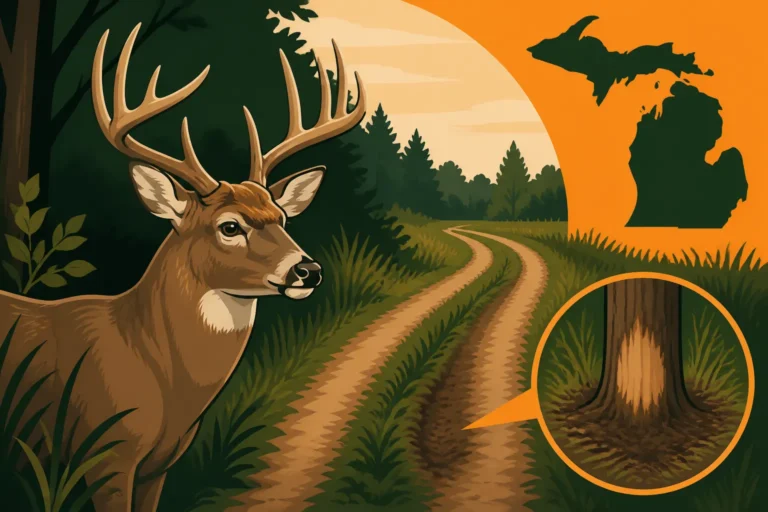
One of the most valuable skills for any squirrel hunter is learning to identify "cuttings" – the tell-tale sign of squirrels actively feeding. Squirrels are messy eaters, and they leave behind distinct evidence of their meals. For acorns, you'll find tiny chips of the shell, often in a neat pile directly under the tree where the squirrel was perched. If you're under a hickory or black walnut tree, you'll see chewed-up fragments of the much tougher shells. These aren't just old remnants; fresh cuttings will look lighter in color and might still be damp or sticky, indicating very recent activity.
Finding a concentration of fresh cuttings is like striking gold for a squirrel hunter. It tells you exactly which trees are currently producing food and, more importantly, where squirrels are spending their time. Squirrels will often return to the same feeding trees day after day, so a good cutting pile can be a reliable spot to set up or to focus your still-hunting efforts. Pay attention to the quantity and freshness of these cuttings; a large, scattered area of very fresh cuttings indicates multiple squirrels feeding aggressively.
Finding Prime Hardwood Squirrel Locations
Michigan is blessed with millions of acres of hardwood forest, offering ample opportunities for squirrel hunting. However, not all hardwoods are created equal. Knowing where to focus your efforts can save you a lot of time and increase your chances of success. It's not just about finding trees; it's about finding the right trees and the right kind of forest.
Oak and Hickory Stands
The undisputed champions of squirrel habitat are mature oak and hickory stands. These trees are mast-producing powerhouses, dropping acorns and hickory nuts that are vital food sources for both fox and gray squirrels, especially in the fall and early winter. When you're scouting, look for large, healthy trees that are actively producing nuts. A good mast crop year will concentrate squirrels in these areas.
You'll often find these stands on ridges or slightly higher ground, but they can also be interspersed throughout mixed forests. Don't overlook the edges of these stands, especially if they border agricultural fields, as fox squirrels love to utilize both environments. If you can locate a stand of mature red oaks or white oaks, you're likely in a prime location. White oaks drop their acorns earlier and are sweeter, so squirrels will hit them first. Red oaks drop later and are often a critical food source deeper into the season. Learning to Read Cuttings Under an Oak is a crucial skill here, as these areas will show the most signs of squirrel activity.
Mixed Hardwood Forests
While pure oak and hickory stands are ideal, mixed hardwood forests also hold tremendous potential. These forests might include maple, beech, cherry, and other species interspersed with the nut-producers. The diversity can actually be beneficial, as it provides a broader range of food sources and cover. Beech trees, in particular, produce small, triangular nuts that squirrels absolutely adore, and their smooth bark can make spotting squirrels easier.
In these mixed forests, focus on areas where the dominant trees are still mast-producing. Look for clusters of oaks or hickories within the larger forest. The variety of trees can also provide more consistent food throughout the season, as different species drop their seeds and nuts at different times. These areas also tend to offer more diverse cover, which can be advantageous for still-hunting.
Public Land Opportunities
Michigan boasts an incredible amount of public hunting land, much of it covered in exactly the kind of hardwood forests squirrels call home. State forests, state game areas, and national forests are all excellent places to start. Tools like the Michigan DNR's Mi-HUNT map are invaluable for identifying these areas and understanding property boundaries. Beyond that, more advanced mapping applications can help you analyze satellite imagery to pinpoint mature hardwood stands, especially those with good oak and hickory concentrations. A good mapping system can make all the difference in quickly identifying promising areas without endless hours of physical scouting.
When you're looking at maps, seek out large blocks of public land that show distinct changes in tree canopy or topography. Ridges, old logging roads, and even small stream bottoms can concentrate squirrel activity. Remember that squirrels, especially gray squirrels, prefer continuous canopy, so large, unbroken tracts of timber are often best. For more general information on finding places to hunt, check out our guide on Public Hunting Land in Michigan. Don't be afraid to walk a little further than others; often, the best spots are just beyond where most hunters stop.
Essential Gear for the Michigan Squirrel Hunter
One of the great things about squirrel hunting is that it doesn't require a truckload of specialized gear. However, having the right basic equipment can significantly improve your comfort, success, and enjoyment of the hunt. Think light, quiet, and effective.
Firearms and Ammunition Choices
For squirrels, precision and minimal meat damage are often key. This makes a .22 rimfire rifle the quintessential squirrel gun. Its low recoil, quiet report, and accuracy at squirrel distances (typically under 50 yards) are ideal. Paired with a decent scope, a .22 allows for clean headshots, preserving the delicious meat. Standard velocity or even subsonic .22 LR ammunition is often preferred for quietness, while hollow-point rounds offer a bit more knockdown power if body shots are necessary.
For those who prefer shotguns, a .410, 20-gauge, or even a 12-gauge can be effective, especially in dense cover where squirrels are moving quickly. A .410 is light and nimble, perfect for quick shots, but its limited range requires closer encounters. A 20-gauge offers a bit more range and pattern density without excessive recoil, making it a great all-around choice. Use small shot sizes, like #6 or #7.5, to maximize the pellet count and minimize damage. The pattern spreads, making it easier to hit fast-moving targets, but body shots will inevitably damage some meat, so aim for the head or body extremities if possible. Many hunters choose a shotgun when hunting with a dog, as the quick flushes demand a fast-swinging, broad pattern.
Optics and Ancillary Gear
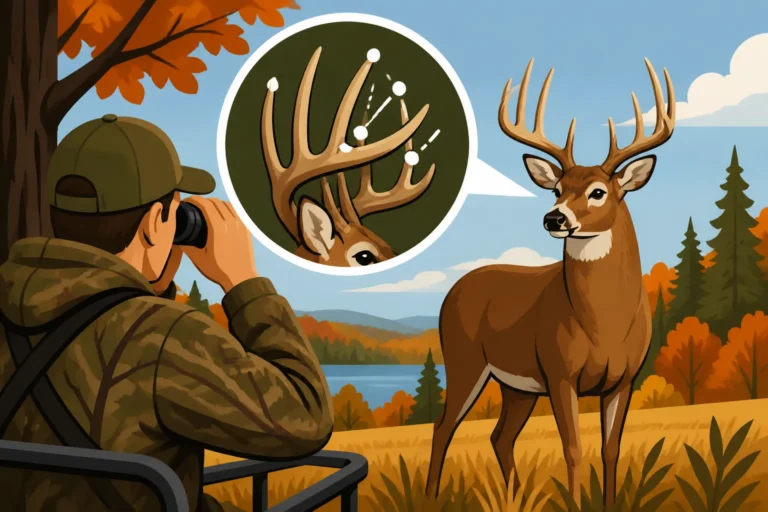
While you might not think of optics as essential for squirrel hunting, a good pair of binoculars can be incredibly useful, especially when scanning dense canopies for well-camouflaged squirrels. An 8x or 10x power is usually sufficient, allowing you to pick out subtle movements or parts of a squirrel against the bark of a tree. They're also great for verifying whether that lump on a branch is a nest or a sleeping squirrel. For more on selecting the right viewing tools, consider our piece on Binocular Power for Timber Hunting.
Beyond your firearm and optics, a few other items are critical:
- Game Bag: A simple mesh or canvas game bag or even a plastic grocery bag stashed in your pack is crucial for carrying your harvest cleanly out of the woods.
- Knife: A small, sharp fixed-blade knife is invaluable for field dressing, if you choose to do it in the woods.
- Water and Snacks: Even on a short hunt, staying hydrated and energized is important.
- Map/GPS: Even on familiar ground, it's wise to have a way to navigate, whether it's an app on your phone or a dedicated GPS unit. This is especially true when exploring new public land.
Clothing and Footwear for Stealth and Comfort
Stealth is paramount in squirrel hunting, which means your clothing should be quiet and blend in. Avoid noisy fabrics like stiff nylon or polyester that rustle with every movement. Soft fleece, wool, or cotton blends in subdued earth tones or camouflage patterns are ideal. Layering is key, as Michigan fall and winter mornings can start cold but warm up quickly, or vice-versa. You'll want to be able to shed or add layers as needed to maintain comfort without making noise.
Your footwear is arguably the most important piece of clothing. You'll be doing a lot of walking, often on uneven terrain, through leaves, and potentially in wet or muddy conditions. A comfortable, waterproof pair of hunting boots with good ankle support is non-negotiable. Look for boots that provide traction and can handle varied terrain without making excessive noise as you move. Depending on the time of year, insulated boots might be necessary for colder hunts. For more details on choosing the right footgear, check out our insights on Boots for Walking Michigan Aspen Cuts – much of the advice applies equally to hardwood forests.
Effective Hunting Tactics for Success in the Timber
Squirrels are creatures of habit, but they are also incredibly wary. Success often comes down to employing the right tactics for the conditions and the specific type of hardwood you're hunting. Whether you prefer to move constantly or sit patiently, there's a strategy that can work for you.
Still-Hunting the Timber
Still-hunting is perhaps the most challenging yet rewarding method for squirrel hunting. It involves moving extremely slowly and deliberately through the woods, pausing frequently to scan for movement and listen for sounds. The key is to take a few steps, then stop for several minutes, allowing the woods to settle down around you. Squirrels that may have frozen or scurried away during your movement will often resume their activity once they perceive the threat has passed.
As you move, constantly scan the ground for fresh cuttings and look up into the trees, paying close attention to trunks, branches, and den holes. Use your binoculars to identify any lumps or shadows that might be a squirrel. Wind plays a crucial role here; a slight breeze can mask your sounds but can also make it harder to hear squirrel activity. Aim to move into the wind or crosswind to keep your scent from drifting ahead of you. This methodical approach is excellent for scouting new areas and covering a lot of ground effectively. It also builds skills directly applicable to Still-Hunting Michigan Cedar Swamps for deer.
Ambush Hunting from a Stationary Position
For those who prefer a more patient approach, ambush hunting (or "sit and wait" hunting) can be incredibly effective. Find a prime location – perhaps near a cluster of actively dropping oak or hickory trees, or along a known squirrel travel route – and settle in. Choose a spot with good visibility and a solid backrest, ideally with some cover to break up your silhouette. Once you're settled, remain as still and quiet as possible.
The beauty of ambush hunting is that it allows the squirrels to come to you. After you've been still for 15-20 minutes, they will often forget your presence and begin to move, feed, and chatter. This strategy is particularly effective on calm, sunny mornings or after a rain, when squirrels are typically very active. Don't be afraid to sit in one spot for an hour or more if you know the area holds squirrels. It's a fantastic way to observe natural squirrel behavior and pick off multiple animals from a single location.
Calling and Barking Squirrels
Believe it or not, calling can be a highly effective tactic for squirrel hunting. Squirrel calls, which mimic the barks and chatters of squirrels, can pique the curiosity of nearby animals or even draw them out of hiding. There are various types of calls, from mouth calls to shakers that replicate the sound of a squirrel chewing on a nut. A common technique is to use a "bark" call to make a few sharp barks, then remain silent and still. A curious squirrel might poke its head out from behind a tree to investigate.
Another effective call is the "distress" call or "chatter" call. Mimicking an agitated squirrel can sometimes draw in other squirrels looking to see what the commotion is about. This works best when you suspect squirrels are in the area but are currently hidden or quiet. Use calls sparingly and authentically; too much calling can spook them. Combine calling with still-hunting or ambush hunting for the best results. A well-placed series of barks can be the trick to drawing out that elusive critter hiding on the opposite side of a tree.
Reading Squirrel Sign and Behavior in Michigan Hardwoods
To consistently find and harvest squirrels, you need to think like a squirrel. This means understanding not just where they live, but how they live – their daily routines, seasonal changes, and reactions to environmental cues. It's a deep dive into being a true woodsman.
Identifying Squirrel Nests and Dens
Squirrels use a couple of different types of housing. The most obvious are their leaf nests, often called "dreys." These are large, messy balls of leaves, twigs, and bark, usually built high in the crotches of trees. While not always occupied, a cluster of fresh, well-maintained dreys indicates an active squirrel population. These are primarily used for shelter in warmer months or as temporary resting spots.
More critical are tree dens – cavities inside hollow trees. These are much more secure and provide better insulation, making them essential for breeding and surviving the cold Michigan winters. Look for trees with visible holes or openings, especially older, larger hardwoods. If you see squirrels frequently entering and exiting a particular hole, you've found an active den. While you should never shoot into a den, knowing where these dens are can help you understand squirrel travel patterns and congregation points, especially in colder weather when they spend more time seeking shelter.
Understanding Daily and Seasonal Movements
Squirrel activity is heavily influenced by the time of day and the season. Generally, squirrels are most active in the early morning and late afternoon, corresponding with prime feeding times. Midday can often be slower, especially on warm, sunny days when they might nap or seek shade.
Seasonally, their behavior shifts dramatically:
- Early Fall (September-October): Squirrels are incredibly active, aggressively foraging and caching nuts for winter. This is a prime time, as food is abundant, and they are less wary. The leaves are often still on the trees, providing cover but also making it harder to spot them.
- Late Fall/Early Winter (November-December): As leaves drop, visibility improves, but squirrels become more selective about their feeding locations, focusing on remaining mast crops. Cold weather often means they are active during warmer parts of the day. Snow can make tracking easier but also makes them more prone to stay in dens.
- Winter (January): Activity slows considerably. Squirrels rely heavily on cached food and spend more time in dens. Hunting after a fresh snow can be highly productive, as tracks lead directly to their feeding spots or dens. Pay attention to our local Michigan Small Game and Furbearer Seasons to make sure you're hunting within legal dates.
Weather's Impact on Squirrel Activity
The weather plays a huge role in squirrel behavior.
- Calm, Sunny Days: These are generally the best days to hunt. Squirrels love to be out and about, especially after a cold night, soaking up the sun and foraging.
- Windy Days: High winds make squirrels extremely skittish and hard to hear. They tend to hunker down in dens or in the lee side of trees. If you must hunt on a windy day, focus on sheltered valleys or thick stands of evergreens that offer a break from the wind.
- Rainy Days: Light rain often pushes squirrels into dens or under thick canopy, but they will sometimes emerge shortly after the rain stops, eager to feed. Heavy rain typically shuts down activity.
- Snow: Fresh snow can be a gift to the squirrel hunter. Not only does it make squirrel tracks incredibly obvious, but it can also make squirrels stand out against the white backdrop. Hunting after a fresh snowfall, particularly when temperatures are moderate, can be highly productive. It also helps to mask your footsteps.
Rules, Regulations, and Ethical Considerations
Hunting in Michigan, regardless of the species, comes with a responsibility to understand and abide by the regulations set forth by the Department of Natural Resources (DNR). These rules ensure fair chase, promote conservation, and keep hunters safe. It's crucial to consult the most current Michigan Hunting and Trapping Digest annually, as regulations can change.
Michigan Small Game Season Dates and Bag Limits
For squirrels, Michigan offers a generous season, typically opening in mid-September and extending through January. This long window provides ample opportunity. There's also usually a fairly liberal daily bag limit, allowing you to harvest several squirrels in a successful outing. However, it's vital to check the exact dates and limits for the current season, as these can sometimes be adjusted. You'll find all the specifics in the DNR's official regulations, often conveniently listed for all species under Michigan Small Game and Furbearer Seasons.
Always ensure you possess the appropriate Michigan Hunting Licences and What They Cost for small game before heading afield. For new or young hunters, the Michigan Hunter Safety and Youth Licences program offers an excellent pathway into hunting, often with mentored youth options that allow younger participants to hunt before completing a full safety course, under strict supervision.
Hunter Orange Requirements
Even though squirrel hunting takes place outside the main firearm deer season, hunter orange requirements still apply in many situations. In Michigan, any hunter pursuing small game during the firearm deer season must wear hunter orange. This is generally defined as an outer garment above the waist, including a hat, that is at least 50% hunter orange and visible from all sides. Even outside of the firearm deer season, wearing some hunter orange is a good safety practice, especially on public land, to increase your visibility to other hunters. Always err on the side of caution when it comes to safety and visibility in the woods.
It's a good habit to always carry and wear hunter orange, regardless of specific legal requirements, especially when moving between hunting spots or if hunting with a group. Safety should be your top priority, not only for yourself but for everyone else enjoying Michigan's outdoors.
Ethical Shot Placement and Game Recovery
Ethical hunting demands clean, quick kills and diligent game recovery. For squirrels, this means aiming for the head whenever possible, especially when using a .22 rifle. A headshot ensures instant incapacitation, minimizes suffering, and preserves the valuable meat. If a headshot isn't feasible, a shot to the chest cavity can also be effective, but be aware of potential meat damage.
After taking a shot, observe the squirrel's reaction closely. Did it drop immediately? Did it run off? If it runs, mark the spot where you last saw it and immediately begin a thorough search. Squirrels can be surprisingly tenacious and can crawl into hollow logs, dense brush piles, or even underground burrows after being hit. Don't give up quickly. Expand your search pattern and look for blood, disturbed leaves, or any sign of its escape route. A lost squirrel is a wasted opportunity and an ethical failing. Utilizing a tool like GoHunt to mark your shot location and search grid can be incredibly helpful for efficient recovery.
Field to Table: Processing and Preparing Your Harvest
The hunt doesn't truly end until your harvest is processed and ready for the table. Knowing how to quickly and efficiently prepare your squirrels ensures the best quality meat and a satisfying conclusion to your day afield.
Quick Field Dressing Techniques
While some hunters prefer to wait until they get home, field dressing squirrels can be done quickly and easily in the woods, especially on warmer days. This helps to cool the meat down faster and prevents spoilage. The simplest method involves a ventral incision:
- Preparation: Lay the squirrel on its back. Make a shallow cut through the skin across the belly, just above the pelvis.
- Skinning Initial: Insert your fingers into the cut and pull the skin apart, ripping it towards the head and tail. You can often pull the skin off most of the body without a knife.
- Evisceration: Make a small incision just below the sternum, being careful not to puncture the intestines. Cut upwards towards the sternum, then gently cut around the anus. Carefully reach inside and pull out the internal organs. Discard them away from water sources and trails.
- Cooling: Allow the body cavity to cool. If it's warm, wipe out any excess blood or debris with a leaf or a small amount of water.
This quick process will make the subsequent skinning and butchering much cleaner and more pleasant back at camp.
Skinning and Butchering at Camp
Once you're back at camp or home, a more thorough skinning and butchering process awaits. There are several methods, but a popular and efficient one is the "tail-pull" method:
- Tail Cut: Make a deep cut across the base of the tail, severing the tailbone but leaving the skin attached to the back.
- Stomp and Pull: Step on the tail (or hold it firmly with pliers) and pull the squirrel upwards by its hind legs. The skin should peel off like a glove, revealing the clean meat.
- Final Skinning: Remove any remaining skin from the legs and head with a knife.
- Butchering: Once skinned, squirrels are typically quartered. Separate the front legs, then the hind legs. The back straps can be removed from along the spine. The rib cage and belly meat are often discarded due to minimal meat yield and difficulty in cleaning.
Place the butchered pieces into a cooler with ice immediately, or package them for freezing. Properly handled, squirrel meat will be tender and flavorful. If you are new to this, there are many excellent video tutorials online that demonstrate these techniques visually, which can be very helpful. Our article on Butchering a Deer at Camp provides a larger-scale look at game processing, but the principles of cleanliness and quick cooling remain the same.
Simple and Savory Squirrel Recipes
Squirrel meat is lean and mild, making it incredibly versatile in the kitchen. Here are a couple of popular, easy ways to prepare your harvest:
-
Classic Fried Squirrel:
- Soak squirrel pieces in saltwater for a few hours or overnight to tenderize.
- Pat dry, then dredge in seasoned flour (salt, pepper, paprika, garlic powder).
- Fry in hot oil (like vegetable or peanut oil) in a cast-iron skillet until golden brown and cooked through (internal temperature of 160°F).
- Serve with mashed potatoes and gravy.
-
Hearty Squirrel Stew:
- Brown squirrel pieces in a Dutch oven.
- Add chopped vegetables like carrots, potatoes, celery, and onions.
- Cover with chicken or vegetable broth, add herbs like thyme and bay leaf.
- Simmer slowly for 2-3 hours until the meat is falling off the bone and vegetables are tender.
- This is a perfect meal for a cold Michigan evening after a long day in the woods.
Many people also enjoy squirrel in chili or as a base for a rich gravy served over biscuits. The key is often slow cooking methods like stewing or braising to ensure tenderness, as the meat is quite lean.
Disclaimer
Always check the current Michigan Department of Natural Resources hunting regulations and seasons before planning any hunting trip. This guide is for informational purposes only and does not supersede official DNR guidelines. Hunter safety courses are highly recommended for all hunters.