Any-Elk Versus Antlerless-Only Licences
Elk hunting in Michigan is truly a once-in-a-lifetime experience for many, but the excitement of applying often comes with a bit of confusion, especially when trying to understand the different license types available. Deciphering the difference between an "any-elk" license and an "antlerless-only" license is crucial for every hopeful hunter, not just for the application process, but for how you approach your hunt if you're lucky enough to draw. This guide will meticulously break down these distinctions, helping you navigate the world of Michigan elk tags.
Understanding Michigan Elk License Types
The Michigan Department of Natural Resources (DNR) manages the state's elk herd through a carefully structured lottery system, and a key component of that management is the type of license issued. Unlike deer hunting where a general "deer license" often allows for various antlered or antlerless animals depending on local regulations, elk licenses are much more specific. The two primary categories, "any-elk" and "antlerless-only," serve distinct purposes in population control and hunter opportunity.
The "Any-Elk" License Explained
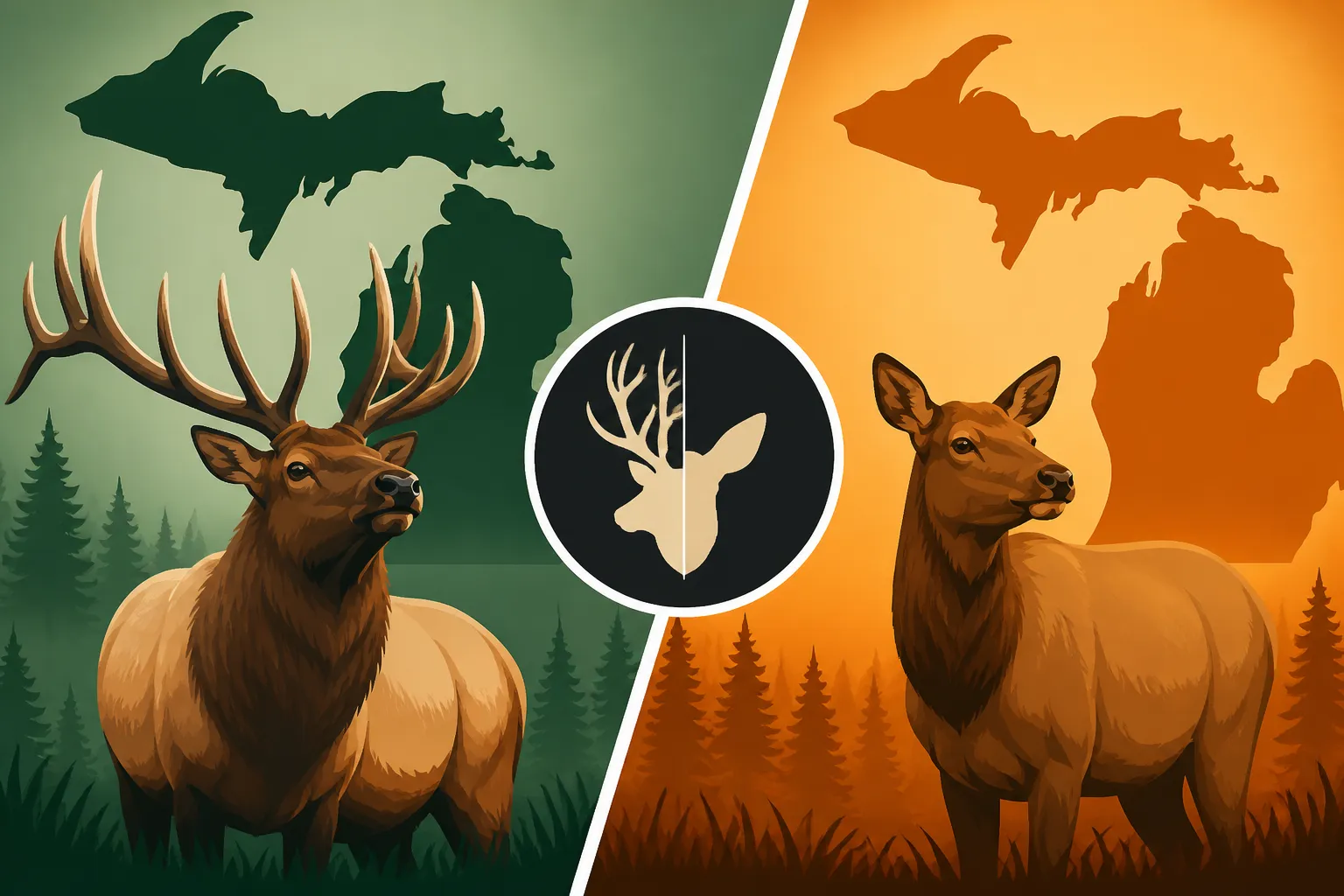
An "any-elk" license is exactly what it sounds like: if you draw one, you are legally permitted to harvest any legal elk within your designated hunt period and elk management unit. This means you can take a majestic bull with a massive rack, a mature cow, or even a calf. For many hunters, this is the ultimate prize, offering the widest range of opportunities and the chance to pursue one of Michigan's magnificent bull elk.
This type of license is often associated with the pursuit of a trophy animal, but it's also a fundamental tool for herd management. By allowing the harvest of any legal elk, the DNR can manage overall population growth and distribution. These licenses are highly coveted, and consequently, the "Michigan Elk Draw Odds" for an "any-elk" tag are significantly lower than for an antlerless-only tag. Hunters often accumulate preference points for many years, sometimes decades, before finally drawing one. The thrill of the draw is palpable, and for good reason – securing an any-elk license truly opens up the entire spectrum of the elk hunting experience. It's not just about the bull; it's about the flexibility to harvest any animal that presents a safe, ethical shot within your hunting period, whether that's a herd cow or a solitary bull.
The "Antlerless-Only" License Details
On the flip side, an "antlerless-only" license restricts your harvest to specific categories: cows and calves. You cannot legally harvest an antlered bull with this type of tag. The primary purpose of these licenses is herd control, specifically reducing the overall number of elk within a given area. When the DNR determines that certain "Michigan Elk Management Unit Boundaries" have an abundance of elk, or perhaps an imbalanced bull-to-cow ratio, they will issue more antlerless-only tags to help bring the population back into balance.
These licenses are critical for managing potential agricultural damage, preventing overgrazing of habitat, and reducing the spread of diseases within the herd. While it might not offer the chance at a towering bull, an antlerless-only tag provides a unique and important hunting experience. It often focuses on locating large herds of cows and calves, which can present different tactical challenges than stalking a lone bull. The "Michigan Elk Hunt Periods" designated for antlerless-only tags might also be structured to maximize efficiency in specific areas or times of year. Hunters who draw an antlerless-only license play a vital role in the long-term health and sustainability of Michigan's elk population. It's a different kind of hunt, but no less rewarding, and arguably more impactful from a management perspective.
Application Strategy and Draw Odds Impact
Understanding the two license types isn't just academic; it directly influences your strategy when you apply for Michigan's limited elk hunt. The DNR's lottery system is highly competitive, and your choice of license type profoundly affects your chances of drawing a tag.
Navigating the Application Process
When you submit your application, you'll indicate your preference, either for an "any-elk" license or an "antlerless-only" license. It's not a "both" option; you're applying for one or the other within a specific elk hunt period and unit. The process typically involves an application fee, and hunters accrue "Michigan Elk Preference Points" for each year they apply unsuccessfully. These points increase your odds in subsequent drawings.
The crucial decision comes down to what kind of hunting experience you're hoping for and how patient you are. If your dream is to take a bull, you'll be applying for the "any-elk" option, knowing it's a much longer shot. If your goal is simply to hunt elk, contribute to conservation, and harvest some incredible wild game meat, an "antlerless-only" tag provides a more realistic chance of drawing sooner. Many resources are available to help you make this decision, including platforms like GoHunt, which can provide valuable data on draw odds based on historical trends and preference points. Utilizing such tools before the "Michigan Elk Application Dates" can give you a significant advantage in crafting your application strategy.
How License Type Affects Draw Odds
There's no getting around it: "any-elk" licenses are vastly more difficult to draw. The sheer number of hunters vying for the chance to harvest a bull means that the pool of applicants is enormous, and the number of tags issued for bulls is relatively small. The DNR's primary objective for issuing any-elk tags often includes providing a quality hunting experience and allowing for the harvest of mature animals, but they must balance this with population stability.
Antlerless-only tags, while still competitive, generally have significantly better draw odds. This is because the DNR issues more of these tags, particularly in areas where higher harvest rates are desirable for population management. For instance, if the DNR is trying to reduce the elk herd in a specific management unit to mitigate agricultural damage or to address localized population concerns, they will allocate a larger number of "antlerless-only" licenses for that unit and hunt period. This makes it a more accessible entry point for hunters who want to experience "Michigan's Limited Elk Hunt" without waiting decades for an "any-elk" tag. Even if you're chasing the dream of a bull, getting an antlerless-only tag can offer invaluable experience in elk country, honing your skills and deepening your understanding of these incredible animals.
Hunting Strategies Based on License Type
Once you've successfully drawn an elk license, your chosen tag type will heavily influence your pre-hunt scouting and in-field tactics. The hunt itself will be different depending on whether you're carrying an "any-elk" or an "antlerless-only" tag.
Strategies for "Any-Elk" Hunters
With an "any-elk" license, your options are wide open. This means you can focus on finding the big, bugling bulls during the rut, or you can target mature cows in mixed herds. This flexibility requires thorough scouting and adaptability. Many hunters with an "any-elk" tag will spend considerable time before their "Michigan Elk Hunt Periods" glassing open areas, searching for sign, and listening for bugles. The goal is often to locate a quality bull, and this can involve covering vast amounts of ground in the Pigeon River Country State Forest or other designated elk areas.
If you draw an "any-elk" tag, you'll want to be prepared for diverse scenarios. You might be still-hunting thick timber in search of a bedding bull, or perhaps setting up on a food source where elk frequently feed. Calling tactics, especially bugling, can be highly effective during certain times of the year if you're aiming for a bull. However, it's also important to remember that you can take any legal elk. If a prime cow presents a shot opportunity and you haven't located a bull, that's a completely valid and often highly successful outcome. The key is to leverage the full breadth of your tag, being opportunistic while still holding out for your desired animal if conditions allow. Having researched the "Michigan Elk Management Unit Boundaries" you drew for will be critical in understanding the terrain and typical elk behavior.
Strategies for "Antlerless-Only" Hunters
An "antlerless-only" license shifts your focus primarily to finding herds of cows and calves. This often means concentrating on areas with good forage, water sources, and secure bedding cover where larger groups of elk are likely to congregate. While you might still hear a bull bugle, your priority will be to ethically harvest an antlerless animal.
Hunting antlerless elk often involves different tactics than chasing bulls. You might focus more on quietly approaching feeding areas, setting up ambushes along travel corridors, or using soft cow calls to draw in curious animals. Scouting for fresh sign, like tracks and droppings, becomes paramount, leading you to active herd areas. Many hunters find success by identifying preferred food sources, especially agricultural fields where elk can cause significant damage, or forest clearings with abundant browse. Accessing these areas during the designated "Michigan Elk Hunt Periods" can be challenging, but understanding herd movements is vital. This type of hunt often requires patience and an understanding of elk herd dynamics rather than the aggressive calling strategies used for bulls. It's a chance to immerse yourself in the natural rhythms of elk country and contribute directly to the health of the herd. You may also find it useful to check services like GoHunt for insights into where antlerless elk are typically concentrated based on past harvest data within your unit.
Table: Michigan Elk License Comparison
Here's a quick overview to help summarize the key differences between the two Michigan elk license types:
| Feature | Any-Elk License | Antlerless-Only License |
|---|---|---|
| Eligible Harvest | Any legal elk (bull, cow, calf) | Antlerless elk (cow, calf) only |
| Primary Goal | Opportunity for trophy bull, general herd management | Population reduction, herd balance, damage control |
| Draw Difficulty | Very difficult (low odds, high preference points needed) | Moderate difficulty (better odds, fewer points needed) |
| Hunting Focus | May target bulls (bugling, rut), general elk herds | Focus on herds of cows/calves, food sources, habitat |
| Management Role | Provides broad harvest flexibility | Targeted removal to achieve specific population goals |
Post-Harvest Reporting and Rules
Regardless of whether you harvest an "any-elk" or an "antlerless-only" animal, the post-harvest procedures are critically important and must be followed meticulously. Michigan has strict rules to ensure proper data collection and disease monitoring for its elk herd.
Mandatory Check-ins and Data Collection
After you successfully harvest an elk, it is mandatory to present the entire animal for inspection at a designated DNR check station within a specific timeframe, typically within 24-72 hours. This is crucial for the DNR to collect biological data, such as age, sex, and antler measurements (if applicable). This data helps biologists assess the health and demographics of the "Michigan's Elk Herd Size and History" and inform future management decisions, including how many "How Many Michigan Elk Licences Are Issued" in upcoming seasons.
Failing to check in your elk is a serious violation. At the check station, wildlife biologists will collect samples for disease testing, primarily for Chronic Wasting Disease (CWD) and Bovine Tuberculosis (TB), which are significant concerns in Michigan wildlife. This collection of data is vital for tracking the spread of these diseases and protecting both wildlife and domestic livestock. They will also validate your tag and provide you with a kill tag to attach to the animal. Make sure you know the locations and operating hours of the nearest check stations before you head out for your hunt.
CWD and TB Testing Implications
The presence of CWD and TB in Michigan's deer and elk populations means that all harvested elk are subject to mandatory testing. Hunters are required to cooperate fully with DNR staff during this process. The results of these tests are important for public health and wildlife management. While your elk will be tested, you can still process and consume the meat, but it's generally advised to wait for CWD test results before consuming venison from an animal harvested in a CWD-positive area. However, for TB, the inspection at the check station can often provide immediate guidance.
These rules also impact "Michigan Carcass Transport Restrictions." If you harvest an elk, you may be limited in how you can transport the carcass outside of the immediate area of harvest, especially if you're taking it out of a CWD or TB management zone. Often, only deboned meat, clean skull caps, and hides are allowed to leave certain zones. It’s absolutely critical to familiarize yourself with these regulations before you hunt to avoid any legal issues and to contribute to the state’s disease management efforts. The DNR's website, as well as resources from companies like GoHunt, will have the most up-to-date information on these rules, which can change annually.
Disclaimer
The information provided in this guide is for general informational purposes only and is subject to change. Hunting regulations, season dates, and license requirements in Michigan are set by the Department of Natural Resources (DNR) and can be updated annually. Always consult the most current Michigan DNR hunting digests and regulations before planning any hunting activities.