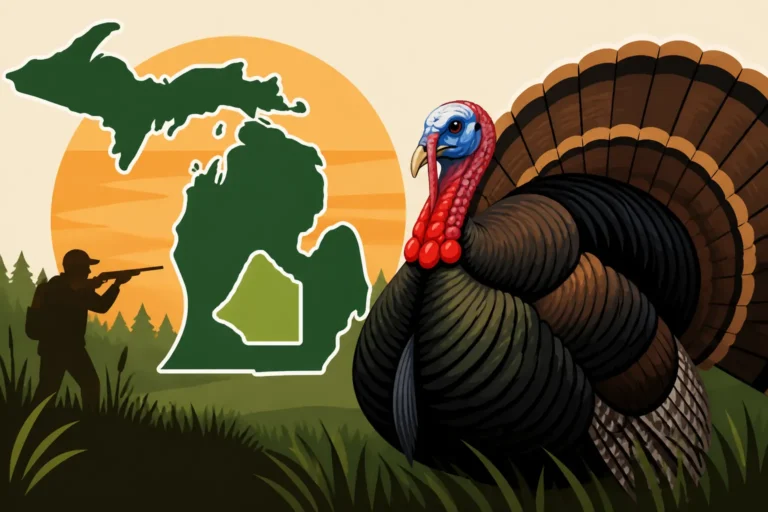
Michigan Teal Season Dates
The end of August always brings a little pang of longing for Michigan hunters, doesn't it? We've put away our fishing rods, but the chill of fall, and more importantly, duck season, still feels so far off. That's where Michigan's special early teal season swoops in like a flock of low-flying blue-wings, offering a fantastic opportunity to shake off the summer rust and get back in the marsh. This comprehensive guide will walk you through everything you need to know about navigating the Michigan teal season dates, regulations, and effective strategies to make the most of this unique early-bird opportunity.
Understanding Michigan's Early Teal Season
There’s nothing quite like the rush of an early morning flight, especially when it comes weeks before the regular waterfowl season even kicks off. Michigan's early teal season is a cherished tradition for many, a short, intense window that signals the true start of fall hunting.
What Makes Early Teal Season Special?
The early teal season isn't just a bonus hunt; it's a strategically designed period to target two specific species: blue-winged teal and green-winged teal. These diminutive ducks are among the earliest migrants, often pushing south out of their breeding grounds in late August and early September, long before the bulk of the larger duck species like mallards and divers have even considered heading our way. The season is intentionally brief, typically lasting only about nine days, to ensure that hunters are primarily encountering these early migrating teal and not other species that haven't begun their southward journey in earnest.
This focused season provides a unique challenge and thrill. Teal are famously fast flyers, darting and weaving through the air with incredible agility, often flying low over the water or marsh vegetation. Their small size and speed demand quick reflexes and precise shooting, making for some truly exciting pass shooting opportunities. It’s also a fantastic chance to experience the marsh in warmer conditions, a stark contrast to the often frigid hunts of late fall and winter. For those who feel the itch to get out sooner, this early season is an absolute gift, a chance to reconnect with the marsh and the rhythm of the migration.
Identifying Legal Teal Species
One of the most critical aspects of hunting the early teal season is accurate bird identification. During this short window, only blue-winged teal and green-winged teal are legal to harvest. While the majority of ducks present will indeed be these early migrants, it's not uncommon to encounter other species, particularly wood ducks or even a few early-arriving mallards. The frustration of seeing what looks like a duck coming in, only to realize it's a wood duck at the last second, is something every teal hunter has experienced. The consequences of misidentification are severe, so positive identification before pulling the trigger is paramount.
Blue-winged teal are generally recognized by the distinct iridescent blue patch on the forewing, visible in flight, and a white crescent patch on the face of the drake. Green-winged teal, while also small and fast, lack the prominent blue patch and instead show an iridescent green speculum (a patch of color on the secondary flight feathers) and a vertical white stripe on the side of the drake’s chest. Practicing identification with field guides or online resources before the season, and being absolutely sure of your target when birds are buzzing your decoys, will ensure a legal and ethical hunt. Remember, if there's any doubt, let it pass. You'll likely get another shot at a true teal.
Key Dates and Regulations for Teal Hunters
Navigating hunting regulations can sometimes feel like trying to untangle a fishing knot in the dark, but understanding the rules for teal season is straightforward and essential. Michigan's Department of Natural Resources (DNR) works hard to manage these migratory birds, and as hunters, it's our responsibility to know and abide by the established frameworks.
Official Michigan Teal Season Dates and Zones
The early teal season in Michigan typically runs for a specific, compressed period in early September. While dates can shift slightly from year to year based on migration patterns and biological surveys, you can generally expect the season to open on September 1st and conclude around September 9th. For example, in recent years, the season has consistently run from September 1-9. It's crucial, however, to always consult the current year's Michigan Waterfowl Hunting Digest, published annually by the Michigan DNR. This digest is your definitive source for official dates, times, and any specific zone regulations that might apply. While the teal season generally applies statewide, always confirm this to avoid any misunderstandings.
In addition to confirming the specific dates, you'll need to pay close attention to the daily bag and possession limits. For early teal season, the daily bag limit is typically six teal. The possession limit, which refers to the maximum number of birds you can have in your possession after multiple days of hunting, is usually three times the daily bag limit. This means if you hunt for a few days, you can accumulate up to 18 teal, provided you haven't exceeded the daily limit on any given day. Keeping a clear count of your harvest is vital. For more detailed information on broader waterfowl regulations, you can check out our guide on "Michigan Waterfowl Seasons and Zones".
Essential Licenses and Stamps Required
Before you even think about setting foot in a Michigan marsh for teal season, you need to ensure all your paperwork is in order. Hunting without the proper licenses and stamps isn't just illegal; it undermines the conservation efforts that make these seasons possible. There are a few key items you'll need:
- Michigan Base License: This is the foundational license required for all hunting activities in Michigan.
- Michigan Waterfowl License: This is a specific state license dedicated to waterfowl hunting.
- Federal Migratory Bird Hunting and Conservation Stamp (Federal Duck Stamp): This stamp is a federal requirement for all migratory bird hunters 16 years of age or older. It's not just a permit; 98 cents of every dollar from duck stamp sales goes directly to conserving wetland habitats for migratory birds and other wildlife. It's a small price to pay for such a huge impact. You can learn more about its requirements in our article on "Michigan Federal Duck Stamp Rules".
- Harvest Information Program (HIP) Registration: This is a free registration that helps the U.S. Fish and Wildlife Service gather data on migratory bird hunters. You must complete it annually. Our guide on "Michigan HIP Certification for Bird Hunters" explains this in detail.
All these licenses and stamps can typically be purchased online through the Michigan DNR's website, at various retail agents across the state, or via the Michigan DNR Hunt Fish App. It's always a good idea to purchase them well in advance of the season opener to avoid any last-minute rushes or technical glitches. For a general overview of all hunting licenses in the state, be sure to read our comprehensive guide on "Michigan Hunting Licences and What They Cost".
Tactics and Tips for a Successful Early Teal Hunt
Teal hunting is a different beast than late-season mallard or diver hunting. The warm weather, the specific habitat, and the birds' unique flight patterns all call for a tailored approach. Don't just dust off your November gear and expect success.
Scouting and Location Selection
Success in early teal season often boils down to diligent scouting. Teal are creatures of shallow water. They'll flock to flooded agricultural fields, shallow marsh edges, emergent vegetation, and small impoundments. They absolutely love areas with an abundance of moist soil plants like smartweed, wild millet, and sedges, which provide rich food sources. Unlike larger ducks that might loaf in deeper water, teal prefer to dabble in inches-deep areas where they can easily feed.
Your scouting should focus on identifying these shallow, food-rich pockets. Drive country roads at dawn or dusk, looking for concentrations of birds on small ponds or flooded areas. Pay attention to flight paths. Early mornings are key; teal move quickly from roosting to feeding areas just after legal shooting hours. Using mapping applications like GoHunt or the Michigan DNR's Mi-HUNT tool can be incredibly helpful in identifying potential public land marsh areas or flooded timber. These tools allow you to analyze aerial photos, identify subtle changes in water levels, and mark potential access points. For a deeper dive into preparation, our article on "Scouting Michigan Public Land Before Season" offers invaluable advice. Remember, finding the birds before opening day is half the battle; they won't necessarily be in the same spots as later in the season.
Decoy Spreads and Calling
When it comes to decoys for teal, simplicity often reigns supreme. You don't need a massive spread of 100 mallard decoys. A dozen to two dozen teal decoys, placed in a loose cluster or a "J" pattern in very shallow water, is usually sufficient. Teal are social birds, and seeing a small group on the water can be a strong attractor. Don't be afraid to mix in a few coot decoys or even some smaller mallard decoys if you have them, just to add to the realism of a feeding flock.
Motion decoys, particularly spinning-wing decoys (like the Mojo Teal), can be incredibly effective. Teal have a hard-wired attraction to movement, and a spinner can grab their attention from a great distance, pulling those fast-flying birds off their high-speed trajectory and into your spread. Placement is key: put your spinner slightly apart from the main spread, mimicking a bird just landing or taking off.
As for calling, subtlety is often best. Teal calls are typically short, high-pitched peeps, quite different from a mallard hen's quack. A few soft, rapid peeps can entice passing birds. Avoid overcalling, especially if birds are already circling. Let your decoys and concealment do most of the work. Speaking of concealment, teal have excellent eyesight. Make sure your blind or natural cover is well brushed in, and stay still as birds approach.
Shotgun, Ammunition, and Identification Considerations
Your equipment choices for teal season are crucial for both success and legality. First and foremost, remember that non-toxic shot is absolutely required for all migratory bird hunting in Michigan. This means no lead shot. Steel shot is the most common and economical choice, but bismuth or other approved non-toxic alternatives are also excellent. Given the small size of teal, smaller shot sizes like 6 or 7 steel are highly effective, providing a dense pattern to bring down these quick flyers. Don't use anything larger than 4 shot for teal, as penetration isn't usually an issue, and you want as many pellets as possible in your pattern.
For choke choices, an improved cylinder or modified choke is usually perfect. Teal are often shot at relatively close ranges over decoys, and a tight choke can result in too many misses or over-patterning. A more open choke allows for a wider pattern, giving you a bit more forgiveness on those fast-moving targets. Make sure you pattern your shotgun with your chosen non-toxic loads before the season to understand its performance.
We can't stress this enough: reiterate positive identification. When birds are flying fast, often low, and sometimes in challenging light conditions, it's easy to pull up on a wood duck or a hen mallard. Practice identifying teal by their size, flight pattern, and wing characteristics. If you're unsure, don't shoot. It's far better to miss an opportunity than to harvest an illegal bird. For guidance on appropriate gear for marsh hunting, including waders and boats, check out our piece on "Waders and Boats for Michigan Marshes".
Navigating the Nuances of Teal Season
The early teal season, while exciting, has its own set of characteristics and challenges that differentiate it from other waterfowl hunts. Understanding these nuances will help you prepare more effectively and enhance your overall experience.
The Difference from Regular Duck Season
The most obvious difference is the short duration and species restriction. The early teal season is a sprint, not a marathon, typically lasting a mere nine days compared to the months-long general duck season. During this window, only teal are legal to harvest, whereas the regular season allows for a wider variety of dabblers and divers. This specificity means your focus is entirely on teal, their movements, and their preferred habitats. For comparison, you can consult our article on "Michigan Duck Season Dates by Zone".
Another significant difference is the weather. Early September in Michigan is often warm, sometimes even hot, and usually humid. This is a stark contrast to the often-freezing temperatures and icy conditions of the regular season, especially in late fall or early winter. The warmer weather presents its own set of challenges, from combating mosquitoes and other biting insects to properly caring for harvested birds in the field. Heat can spoil meat quickly, so having a plan to cool birds down immediately is essential. Ice chests are your friend!
The hunting pressure can also differ. While popular spots might still draw a crowd, the specialized nature of teal season means some areas might see less pressure than during the general opener. However, where teal are known to congregate, you can expect company. Always be respectful of other hunters and give everyone adequate space. You can refer to "Michigan Duck Daily Bag Limit" for general information, but remember teal season has its specific limits.
Dealing with Early Season Challenges
Early teal season comes with a few predictable frustrations that every Michigan hunter has faced. Let's tackle them head-on:
First up, the bugs. Oh, the bugs! Mosquitoes, gnats, and horseflies can be relentless in the warm, stagnant marsh air of early September. Investing in good quality insect repellent (with DEET or Picaridin) is non-negotiable. Thermacell units can also be a lifesaver in a blind. Don't underestimate how quickly swarming insects can ruin an otherwise perfect morning.
Secondly, the heat. Dressing in layers is always smart, but during teal season, think light, breathable clothing that can get wet. You might be slogging through water in waders, and sweating buckets. Staying hydrated is paramount. Remember to bring plenty of water. The warm temperatures also mean extra diligence for your harvest. Getting birds on ice as quickly as possible is crucial to preserving the meat quality. A small cooler filled with ice, left accessible nearby, can make all the difference.
Finally, navigating public lands can have its own challenges, from finding accessible spots to dealing with other hunters. Utilizing tools like the Mi-HUNT map and getting out to scout before the season can give you a significant advantage. Sometimes, you might even consider applying for draws at specific managed waterfowl areas, as detailed in our guide on "Michigan Managed Waterfowl Area Draws". These areas can offer fantastic opportunities for teal, though they often require advance planning. While it's not teal-specific, some of the advice on navigating "Early Goose Season Tactics in Michigan" can apply to early-season public land challenges.
The early teal season is a fantastic way to kick off the fall hunting calendar in Michigan. It’s a short, exhilarating window that demands preparation, quick reflexes, and a keen eye for identification. By understanding the dates, regulations, and adopting smart hunting tactics, you can enjoy some truly memorable hunts for these incredible little ducks.
| Feature | Early Teal Season (Michigan) | Regular Duck Season (Michigan) |
|---|---|---|
| Typical Dates | Early September (approx. 9 days) | Late September/October to December |
| Legal Species | Blue-winged Teal, Green-winged Teal | All legal duck species |
| Daily Bag Limit | 6 Teal | Varies by species and zone |
| Weather Conditions | Typically warm, humid | Variable, can be very cold |
| Target Species Focus | Fast, early migrating teal | Broad range of dabblers & divers |
| Shot Requirement | Non-toxic shot (steel, bismuth) | Non-toxic shot (steel, bismuth) |
Disclaimer
Please note that hunting regulations, season dates, and license requirements are subject to change. Always consult the most current Michigan Department of Natural Resources (DNR) official hunting digests and regulations before planning any hunting trip. This guide is for informational purposes only and should not be considered a substitute for official DNR publications.