How Much Hunter Orange Michigan Requires
Navigating the myriad of hunting regulations in Michigan can sometimes feel like trying to track a ghost through a blizzard, and few topics spark as much confusion and concern as hunter orange requirements. Whether you're a seasoned Michigander who’s seen the rules shift over the years, or a newcomer heading to the Wolverine State for the first time, understanding exactly how much hunter orange you need, and when, is absolutely critical. This guide is here to cut through the fog and give you the clear, practical information you need to stay safe and compliant.
Understanding Michigan's Hunter Orange Mandate
It's easy to dismiss hunter orange as just another regulation, but its importance cannot be overstated. When you're out in the field, especially during peak seasons when state land might be bustling, safety has to be your number one priority. Michigan's hunter orange laws are designed with that very principle in mind – to prevent tragic accidents and ensure everyone comes home safely.
The Rationale Behind Hunter Orange
Let's be real: hunting can be incredibly exciting, but it also carries inherent risks. One of the biggest dangers in crowded hunting scenarios is misidentification or accidental discharge. Hunter orange acts as a high-visibility safeguard, making hunters easily identifiable to other people in the woods, even in low light, thick brush, or adverse weather conditions. It’s not about blending in with your surroundings for stealth; it's about standing out like a beacon so you don't become an accidental target. Studies consistently show that hunter orange significantly reduces accidental shootings, particularly those where one hunter mistakes another for game. It's a simple, effective, and mandatory layer of protection for everyone involved.
Think about it: you’re wearing camouflage to blend into the environment from the perspective of an animal. But other hunters aren't animals. Their eyes are scanning for movement, for the outline of a deer, and in dense Michigan hardwoods or swamp edges, it's incredibly easy for a human shape, especially one clad in drab colors, to be misinterpreted. That flash of vibrant orange breaks up the human outline from the background and screams "human" to anyone else looking through binoculars or a scope. It’s a courtesy to your fellow hunters as much as it is a personal safety measure.
General Requirements During Firearm Seasons
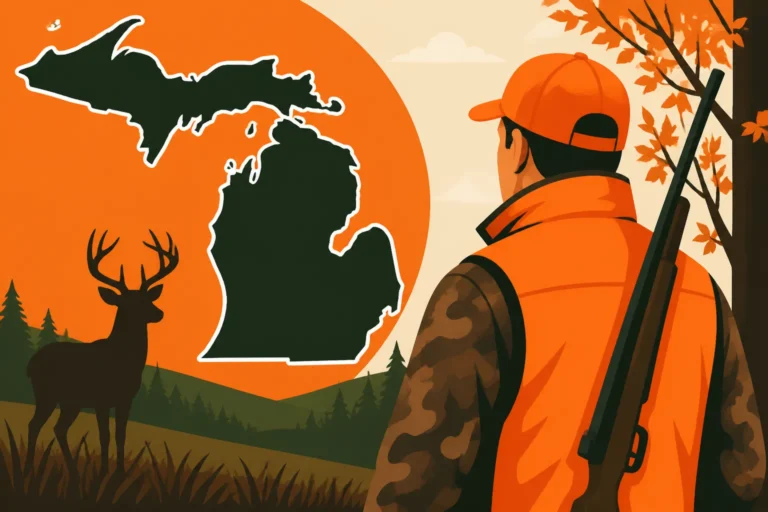
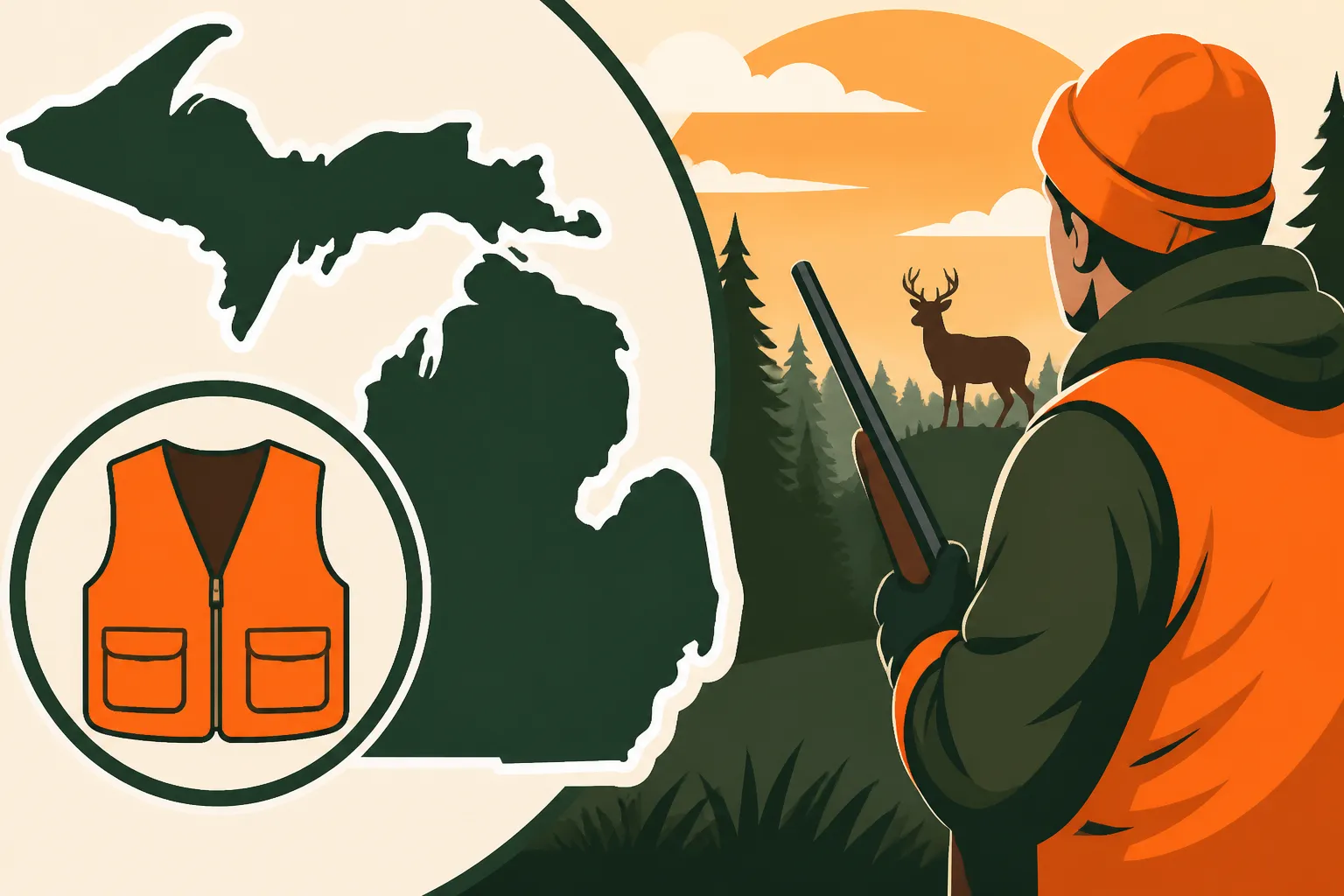
When it comes to Michigan's general firearm deer season, which includes the incredibly popular Michigan's November Firearm Deer Season, the rules for hunter orange are quite specific and apply broadly. If you're hunting deer, elk, or bear with a firearm, or even small game or furbearers during any firearm deer season, you must wear hunter orange. The requirement is that at least 50% of the visible portion of your outer clothing above the waist must be hunter orange. This includes hats.
This 50% rule means it's not enough to just have a small patch. We're talking about a significant amount of visible orange. This typically translates to a hunter orange vest or jacket, combined with a hunter orange hat. The material itself must be hunter orange, often referred to as "blaze orange" or "fluorescent orange." It's not just any orange; it needs to be that unmistakable, vibrant hue designed for maximum visibility. So, that stylish autumn orange jacket you love won't cut it if it's not the correct shade and percentage. The goal is unambiguous identification across distances and through varied cover.
What about colors that look like orange? A common mistake is thinking that certain shades of red or bright yellow might suffice. They don't. The specific requirement is for hunter orange. The DNR has specific colorimetric standards for what constitutes "hunter orange," and it's a very particular shade. Always double-check your gear to ensure it meets these criteria. If you're buying new gear, most reputable hunting brands will clearly label items as "hunter orange" or "blaze orange" to prevent confusion. This is one area where you don't want to cut corners or guess.
Specific Scenarios and Exceptions to the Rule
While the general firearm season rules are straightforward, Michigan hunting includes many different seasons and methods, which can make the hunter orange requirements feel like a complex puzzle. Let’s unravel some of those specific situations to ensure you’re always prepared.
Archery and Muzzleloader Seasons
This is where many hunters get tripped up. During the dedicated archery deer season, hunter orange is generally not required. Bowhunters rely on stealth and camouflage to get close to deer, and wearing bright orange would defeat that purpose. The same often applies to the dedicated muzzleloader deer season in December, where stealth is also key. However, there's a huge caveat: overlaps!
If you are archery hunting or Muzzleloader Deer Hunting in Michigan during any open firearm deer, elk, or bear season, you must wear hunter orange. This is crucial. For instance, Michigan has an early antlerless firearm season, and if you are archery hunting during this period, you need to wear orange. Even more commonly, the late archery season in December often overlaps with the muzzleloader season. During these overlaps, anyone hunting deer (or bear/elk) with any method, including archery, must adhere to the hunter orange rules. Always check the current year's hunting digest for exact dates and overlapping seasons to be sure. It’s safer to throw on a vest if there’s any doubt.
Small Game and Bird Hunting
The rules for small game and bird hunting add another layer of complexity. Generally, if you are hunting small game (like rabbits or squirrels) or furbearers (like coyotes) during any open firearm deer, elk, or bear season, you must wear hunter orange, following the same 50% above the waist rule. This is because deer hunters are present, and the primary concern is the safety of all hunters in the woods. So, if you're out chasing squirrels in November, you'll need that blaze orange.
However, outside of the firearm deer/elk/bear seasons, the requirements differ for small game. For most small game hunting, hunter orange is not legally required. For example, if you’re squirrel hunting in September, before the firearm deer season opens, you don't need orange. Similarly, for most migratory bird hunting, like waterfowl or doves, orange is not typically required, as the hunting methods and environments are different.
Turkey hunting is another unique scenario. Whether it's Spring Turkey Hunting in Michigan or the fall season, hunter orange is not required for turkey hunting. In fact, wearing hunter orange while turkey hunting can be detrimental to your success, as turkeys have excellent color vision. The focus for turkey hunters is on breaking up their silhouette and remaining concealed. So, when that gobbler is strutting in, leave the blaze orange in the truck. Always confirm the specific regulations for the species and season you're pursuing to avoid any missteps.
Hunter Orange for Mentors and Youth
Michigan is a great state for introducing new hunters to the tradition, thanks in part to programs like the Mentored Youth Hunting program. When a youth is participating under the Michigan Mentored Youth Licence Rules, the mentor also has specific responsibilities regarding hunter orange.
If you are a mentor accompanying a youth hunter during any season where hunter orange is required for deer, bear, or elk hunting, both you and the youth must wear hunter orange, meeting the 50% visible outer clothing above the waist and hat requirement. This applies even if the youth isn't actively carrying a firearm during that moment. The logic is that anyone present in the hunting party during a firearm season for big game needs to be highly visible to other hunters. This ensures maximum safety for everyone in the group, particularly the impressionable young hunter who is learning the ropes.
It's about setting a good example and ensuring that safety is paramount from day one. Many hunting vests, including those geared for youth, come with ample hunter orange integrated. When planning a hunt with a youth, always review the specific rules for the target species and season. A great resource for this, beyond the DNR digest, can be hunting apps like GoHunt, which often allow you to quickly check regulations for various seasons and locations, helping you plan your gear appropriately for every outing. Ensuring your young hunter understands why they are wearing hunter orange also reinforces responsible hunting practices.
Practical Application and Gear Choices
Beyond simply knowing the rules, understanding how to apply them practically and make smart gear choices is essential. Hunter orange is more than just a color; it's a critical piece of safety equipment.
What Counts as Hunter Orange Gear
The Michigan DNR specifies that at least 50% of the visible portion of your outer clothing above the waist, including a hat, must be hunter orange. This is key to understanding "what counts." It means a small orange patch on your camo jacket isn't enough. You need substantial, unmistakable orange coverage.
Typically, this involves a hunter orange vest or a jacket that is predominantly orange. Many hunters opt for a simple blaze orange vest that can be worn over their regular camouflage or other hunting attire. This offers flexibility for layering and can be easily removed when moving into a non-orange-required season. Hats are also crucial. A hunter orange baseball cap or beanie is a common and effective way to meet the headwear requirement. Some jackets have integrated hoods that are orange, which can also count towards the 50% above the waist. The material should be durable and withstand the rigors of the Michigan woods, from brushing through thorns to shrugging off light rain. While it might seem simple, ensuring your gear truly meets the "50% visible" rule is where many people slip up. Consider how you'll be seen from all angles – front, back, and sides – especially when moving through cover. The more orange, the better, really.
Ensuring Visibility in the Field
Just wearing hunter orange isn't the whole story; you need to ensure it's actually visible. This means paying attention to how you wear it and your surroundings. If you're wearing a hunter orange vest but have a large backpack completely covering the back of it, you're diminishing its effectiveness. Similarly, if your hat is crammed down low, obscuring much of its orange, you're losing valuable visibility.
Consider the environment you're hunting in. In dense cedar swamps or thick aspen cuts, where visibility is already limited, maximizing your orange exposure becomes even more critical. When choosing a stand location, think about how your orange will be seen from potential shooting lanes or travel corridors of other hunters. If you're using a ground blind, ensure that any hunter orange worn is visible when you exit or enter the blind, or if you stand up inside it. Some hunters even affix extra orange flagging to their treestand setup or blind for added visibility. Apps like GoHunt can help you visualize terrain and potential sightlines, which indirectly aids in planning your visibility strategy, especially on unfamiliar public lands. The whole point of the rule is to make you obvious, so don't inadvertently defeat the purpose by how you wear your gear or position yourself.
Common Misconceptions and Legal Consequences
One of the biggest misconceptions is that hunter orange is only required during firearm deer season. As we've discussed, it applies to hunting small game and furbearers if it overlaps with an open firearm deer, elk, or bear season. Another common mistake is believing that any bright color will do. Only true hunter orange counts. Lastly, some mistakenly think that if they are only "walking in" to their stand or "walking out" after legal shooting hours, the rules don't apply. If you are in the field and hunting is open, the rules apply.
Let’s be blunt: neglecting Michigan's hunter orange requirements isn't just a minor infraction; it's a serious safety lapse with legal repercussions. Failure to comply can result in fines and potentially even more severe penalties if it contributes to an accident. The Michigan DNR takes these safety regulations very seriously, and rightfully so. Beyond the legal aspect, the moral imperative is far greater. No one wants to be involved in a hunting accident, whether as the victim or the cause. Adhering to these rules is a fundamental part of responsible hunting and ensures that everyone can enjoy Michigan's incredible outdoors safely. Always consult the official Michigan Hunting and Trapping Digest for the most current regulations, as rules can change from year to year.
A Michigan Hunter Orange Quick Reference Guide
To make things a bit easier to digest, here's a quick reference table summarizing the general hunter orange requirements in Michigan. Remember, always consult the current year's DNR digest for the most up-to-date and specific regulations.
| Hunting Scenario | Hunter Orange Required? | Key Details |
|---|---|---|
| General Firearm Deer/Elk/Bear Season (e.g., Nov. 15) | YES | At least 50% of outer clothing above the waist, including a hat, must be hunter orange. This applies to all hunters in the field for any species during this time. |
| Dedicated Archery Deer Season (no overlap) | NO | Stealth is key; hunter orange is not required. |
| Archery Hunting during an open firearm season | YES | If archery season overlaps with any open firearm deer, elk, or bear season (e.g., Early Antlerless, late archery during muzzleloader), hunter orange is required. Always check overlapping dates! |
| Dedicated Muzzleloader Season (no overlap) | NO | Stealth is key; hunter orange is not required. |
| Muzzleloader Hunting during an open firearm season | YES | If muzzleloader season overlaps with any other open firearm deer, elk, or bear season, hunter orange is required. |
| Small Game/Furbearer Hunting during firearm season | YES | If hunting small game or furbearers (like rabbits, squirrels, coyotes) at the same time and place as any open firearm deer, elk, or bear season, hunter orange is required (50% rule). |
| Small Game/Furbearer Hunting (no overlap) | NO | Outside of overlapping firearm deer/elk/bear seasons, hunter orange is generally not required for small game or furbearer hunting. |
| Turkey Hunting (Spring or Fall) | NO | Turkeys have excellent color vision, so camouflage is preferred. Hunter orange is not required for turkey hunting. |
| Waterfowl/Migratory Bird Hunting | NO | Typically not required due to specific hunting environments and methods. |
| Mentored Youth Hunt | YES | If the hunt takes place during a season where hunter orange is required for deer, elk, or bear, both the youth and the mentor must wear hunter orange. For more on this, check out The Michigan Mentored Youth Licence Package. |
| Predator Hunting (e.g., night hunting coyotes) | NO | While predator hunting often takes place outside of typical big game seasons or at night, it's always critical to double-check local ordinances and current regulations for specific requirements, especially if any firearm deer season is concurrently open in that specific area. |
| Michigan Hunter Orange Rules | See above | This comprehensive rule dictates the exact percentage and visibility requirements. |
It truly pays to review the current regulations before every season. A quick check of the Michigan DNR website or their official hunting guide will ensure you're always up-to-date. Happy hunting, and stay safe out there!
Disclaimer
The information provided in this guide is for general informational purposes only and does not constitute legal advice. Hunting regulations in Michigan are subject to change, and it is the hunter's sole responsibility to consult the most current Michigan Department of Natural Resources (DNR) hunting and trapping digest and relevant statutes to ensure compliance with all applicable laws and regulations. Always prioritize safety and exercise good judgment in the field.