Michigan Liberty Hunt Dates
Trying to keep track of all the special hunting seasons and their specific dates in Michigan can feel like trying to hit a moving target, especially when you're coordinating for a youth hunter or a service member. The Michigan Liberty Hunt is a truly fantastic opportunity designed to give these dedicated groups a head start, but knowing exactly when it happens and who qualifies is absolutely crucial. This comprehensive guide will walk you through everything you need to know about the Michigan Liberty Hunt dates, its noble purpose, and the eligibility requirements to ensure you or your loved one can participate in this special season.
Understanding the Michigan Liberty Hunt's Purpose
Michigan's hunting landscape is rich and diverse, offering opportunities across many seasons and species. However, some seasons are specifically tailored to provide unique access and encourage participation among particular groups. The Liberty Hunt is a prime example of this thoughtful approach, setting it apart from the general archery or firearm seasons. It's not just another date on the calendar; it's a testament to Michigan's commitment to its youth and those who serve our country.
More Than Just Another Deer Season
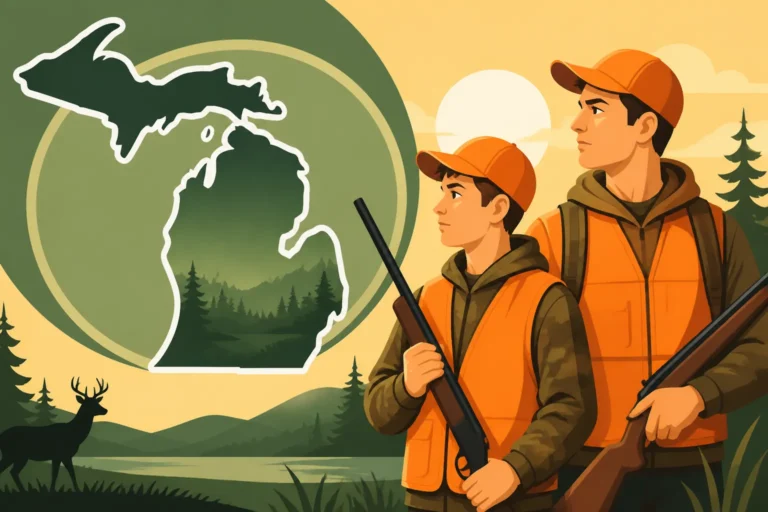
For many, the Michigan Liberty Hunt represents a cherished tradition, often marking the true start of the deer season for families. Unlike the hustle and bustle of the regular firearm opener in November, or the early days of archery, the Liberty Hunt offers a quieter, more focused experience. This special hunt is specifically designed to provide an early opportunity for eligible youth hunters (16 years of age and younger) and hunters with disabilities, as well as active-duty military personnel and veterans. The idea is to create a less pressured environment, often with milder weather conditions, which can be ideal for teaching new hunters or accommodating those with special needs. Imagine a crisp September morning, the leaves just starting to turn, and fewer hunters in the woods – that's the kind of experience the Liberty Hunt aims to deliver. It’s a dedicated time for making memories and fostering a love for the outdoors without the added crowds that can sometimes accompany the peak seasons.
Who the Liberty Hunt Aims to Serve
The core beneficiaries of the Liberty Hunt are precisely the groups that often benefit most from tailored hunting opportunities. Youth hunters, 16 years old or younger, are invited to participate, providing an invaluable pathway into the hunting community. This early start can make all the difference, allowing mentors to focus on safety, ethics, and woodsmanship without the pressure of competing for prime hunting spots. Furthermore, the hunt extends a heartfelt thank you to our active-duty military personnel and veterans, acknowledging their service with a unique hunting privilege. This inclusivity also covers hunters with disabilities, ensuring that they too have accessible and enjoyable hunting experiences. It's a way of recognizing that while hunting is for everyone, some individuals can truly benefit from a season designed with their specific circumstances in mind. The goal is to lower barriers and increase access, making hunting a more inclusive and welcoming pursuit for these deserving individuals.
Pinpointing the Liberty Hunt Dates Each Year
One of the biggest questions people have about the Liberty Hunt revolves around its exact timing. Unlike some seasons that have fixed dates, the Liberty Hunt typically falls on a specific weekend. Knowing when to mark your calendar and how these dates are determined is crucial for effective planning.
When to Mark Your Calendar
The Michigan Liberty Hunt typically takes place over a two-day weekend in September, usually coinciding with the latter half of the month. While the exact dates can shift slightly year to year based on the calendar, it generally falls on the third or fourth weekend of September. For example, in recent years, the hunt has often been scheduled for the third full weekend of September, opening on a Saturday and concluding on Sunday. It’s a relatively short window, making preparation all the more important. This timing places it well before the traditional archery deer season opener and significantly ahead of the November firearm season. This earlier placement means hunters often experience warmer weather, which can be a double-edged sword: comfortable for sitting but also demanding quick game recovery. It's always best to consult the official Michigan DNR Hunting and Trapping Digest for the precise dates for the current year. Planning ahead allows families and mentors to clear their schedules, scout locations, and ensure all necessary licenses and permits are in order.
How Dates Are Established by the DNR
The Michigan Department of Natural Resources (DNR) is responsible for setting all hunting season dates, including the Liberty Hunt. This process isn't arbitrary; it involves careful consideration of wildlife biology, hunter success rates, potential impacts on deer populations, and the overall management goals for the state's natural resources. For the Liberty Hunt specifically, the DNR aims to provide an early opportunity that doesn't significantly impact the broader deer harvest or interfere with critical deer behaviors like breeding. The September timing is strategic, falling after fawns are well-established and before the peak of the rut, ensuring a healthy balance. These dates are generally approved well in advance, often a year or more out, to allow hunters ample time to plan. Checking the official DNR website or their annual hunting digest is the most reliable way to confirm the dates. Many hunters also rely on resources like GoHunt, which often compile and update these dates, making it a convenient way to stay informed, though cross-referencing with the official DNR site is always a good practice.
Here’s a general overview of the Michigan Liberty Hunt dates and eligibility:
| Season Name | General Dates (Approx.) | Eligible Participants | Permitted Species | Weapon Types | Key Feature |
|---|---|---|---|---|---|
| Michigan Liberty Hunt | Third/Fourth September Weekend | Youth (16 & under), Hunters with Disabilities, Active Military, Veterans | Deer (Antlered & Antlerless) | Archery, Firearm, Crossbow | Early, reduced-pressure opportunity for specific groups |
Navigating Eligibility for the Liberty Hunt
Understanding who can participate in the Liberty Hunt is just as important as knowing when it occurs. The DNR has specific criteria for each group, designed to ensure the hunt serves its intended purpose. It’s not a free-for-all; it’s a targeted initiative to support specific segments of the hunting community.
Youth Hunter Requirements
For young hunters eager to get into the woods, the Liberty Hunt is a fantastic gateway. To qualify, youth must be 16 years of age or younger on the dates of the hunt. This age cut-off is firm, so if a hunter turns 17 before or during the hunt, they no longer qualify for the youth category in that specific season. Importantly, all youth hunters must possess a valid Michigan hunting license. This typically means they need to have completed a hunter safety course or be hunting under the Michigan Mentored Youth Licence Rules. If they are hunting with a mentor, which is highly encouraged and often required for younger or inexperienced hunters, that mentor must also possess a valid hunting license. The mentor is responsible for ensuring the youth hunter follows all safety protocols and regulations. It’s a wonderful opportunity for a parent, grandparent, or guardian to introduce a child to the joys and responsibilities of hunting the Liberty Hunt with a youth. These early experiences can truly shape a young person's perspective on wildlife and conservation, setting the foundation for a lifetime of ethical hunting.
Special Provisions for Service Members and Veterans
The Liberty Hunt is a small but meaningful way Michigan recognizes the sacrifices of its service members. Active-duty military personnel and honorably discharged veterans are eligible to participate, regardless of age. This means a veteran in their 40s, 50s, or beyond can take part in this early season, offering a unique opportunity that isn't available to the general adult hunting population. Like youth hunters, service members and veterans must possess a valid Michigan hunting license and adhere to all other state hunting regulations, including those related to Michigan deer seasons and tags. Proof of service may be required to purchase the necessary license, so it's always wise to have appropriate identification ready, such as a military ID or veteran status documentation. This provision provides flexibility for those who have served, allowing them to enjoy an early deer season, which might align better with their schedules or simply offer a more tranquil hunting experience.
The Role of the Mentor
The concept of mentorship is central to the success and safety of the Liberty Hunt, particularly for youth hunters. A mentor isn't just someone who supervises; they are a guide, a teacher, and a role model in the woods. Under Michigan's apprentice hunting license rules, a youth hunter who has not yet completed a hunter safety course can still participate, but they must be accompanied by a licensed adult mentor. This mentor must be at least 21 years old and have held a hunting license for at least one of the previous three years. The mentor is expected to stay within arm's reach of the mentee and directly supervise all hunting activities. This close supervision ensures safety and allows for real-time instruction on everything from firearm handling to tracking and game recovery. This close mentorship is a foundational element, ensuring that the next generation of hunters is raised with a strong understanding of ethics, safety, and wildlife conservation. Without the dedication of mentors, many young people simply wouldn't have the opportunity to experience the outdoors in this profound way, making the mentor's role indispensable. Detailed information on who can be a mentor is available in the guide on who can be a Michigan mentor.
Making the Most of Your Liberty Hunt Opportunity
The Liberty Hunt, with its unique timing and eligibility, offers specific advantages and considerations for those participating. Understanding these can significantly enhance your experience and increase your chances of success. It's about more than just showing up; it's about being prepared for the specific conditions this early season offers.
Hunting Strategy During This Period
The early timing of the Liberty Hunt in September means you're often dealing with very different conditions than the peak rut in November or the cold of late archery. Deer patterns are still largely dictated by summer feeding habits. Food sources like acorns, soft mast (like apples or pears), and early agricultural crops such as standing soybeans or corn are key. Deer might still be in their larger summer bachelor groups or doe groups, making patterning somewhat easier if you can locate their primary food sources. Because the weather is typically warmer, deer activity might be highest during the early morning and late evening hours, with a midday lull. This makes morning and evening sits crucial. Scouting before the hunt is paramount; look for fresh sign around food plots, oak ridges, or agricultural field edges. Thermal currents can also play a bigger role in warmer weather, so understanding how scent drifts in the early morning and late afternoon can be a game-changer. Remember, legal shooting hours are still strictly enforced, typically from 30 minutes before sunrise to 30 minutes after sunset. Staying quiet, playing the wind, and being patient are always good strategies, but especially so when deer are less focused on breeding.
Important Regulations to Remember
While the Liberty Hunt offers special access, it's still governed by Michigan's comprehensive hunting regulations. All participants, regardless of age or service status, must adhere to the regulations for Michigan hunting licences and what they cost and deer management units (DMUs). The type of deer that can be harvested (antlered or antlerless) depends on the specific license purchased and the DMU you are hunting in. Some DMUs may have antler point restrictions (APRs), which means a buck must have a minimum number of antler points on one side to be legally harvested. Always check the regulations for your specific DMU. For example, some areas in Michigan's Lower Peninsula have mandatory APRs for deer, while others do not.
Additionally, standard safety rules like the requirement for Michigan hunter orange rules might apply, even though it's an early season; always verify the latest requirements. And, of course, after a successful harvest, remember the importance of reporting a Michigan harvest in 72 hours. This critical step helps the DNR gather data for deer population management. Utilizing a tool like GoHunt can help you quickly reference specific DMU regulations and reporting requirements, but always refer back to the official DNR digest for final confirmation. The Liberty Hunt is a privilege, and respecting all regulations ensures these special opportunities can continue for years to come.
Planning for a Successful Liberty Hunt
Successfully navigating the Michigan Liberty Hunt involves more than just knowing the dates and who can hunt. It's about preparation, ethical considerations, and making the most of a truly special opportunity. For many, this hunt is about the experience, the camaraderie, and the lessons learned in the field, far more than just the harvest itself.
Pre-Hunt Preparation and Scouting
Since the Liberty Hunt happens earlier in the season, often when foliage is still thick, thorough pre-hunt scouting is even more critical. Deer are generally still on their summer patterns, meaning they are highly focused on food and water sources. Look for areas with abundant mast crops like acorns or apples, or consider the edges of agricultural fields like soybeans or alfalfa. Using trail cameras can be incredibly effective during this time to pattern deer movement and identify potential target animals. For youth hunters, scouting trips can also be valuable teaching moments, focusing on reading sign, identifying deer trails, and understanding wind direction. It’s also wise to check current weather forecasts, as September can still bring warm days, which affects both deer activity and how quickly you need to field dress and cool down any harvested game. Don't forget to practice shooting with your chosen weapon, whether it's a bow or a firearm, ensuring you're proficient and confident for the ethical shot.
Ethical Considerations and Conservation
Participating in the Liberty Hunt, especially with a youth hunter, is an incredible chance to instill strong ethical values and an understanding of conservation. Teach them about fair chase, respecting wildlife, and the importance of only taking clean, ethical shots. Discuss the role of hunters in wildlife management and how license fees contribute to habitat preservation and research. Remind them that hunting is a privilege, not a right, and that responsible behavior ensures these traditions can continue for future generations. Talk about the importance of proper game recovery and meat care, especially given the warmer temperatures often associated with September hunts. The lessons learned during the Liberty Hunt extend far beyond the act of harvesting an animal; they shape responsible citizens who appreciate and protect Michigan's natural heritage. This season is a powerful reminder of why we hunt and the deep connection we have to the land and its creatures.
Embracing the Experience
Ultimately, the Michigan Liberty Hunt is an experience meant to be cherished. For youth, it might be their very first deer hunting opportunity, a moment that will stay with them for a lifetime. For service members and veterans, it's a chance to reconnect with nature and enjoy a peaceful pursuit. Don't get so focused on the harvest that you miss the beauty of the Michigan autumn or the bonding moments in the blind or treestand. Whether you're successful in taking a deer or not, the memories created, the skills learned, and the time spent outdoors are invaluable. It’s about passing on a legacy, showing gratitude, and celebrating the unique hunting culture we have here in Michigan. Make sure you have all your proper licenses, review the regulations for how many deer you can take in Michigan, and enjoy the special opportunity the Liberty Hunt provides.
Disclaimer
Please remember that hunting regulations, including season dates and eligibility requirements, can change. While this guide provides comprehensive information, it is always your responsibility to consult the official Michigan Department of Natural Resources (DNR) website or the current year's Michigan Hunting and Trapping Digest for the most accurate and up-to-date rules before heading afield.