Aspen Management and Michigan Grouse
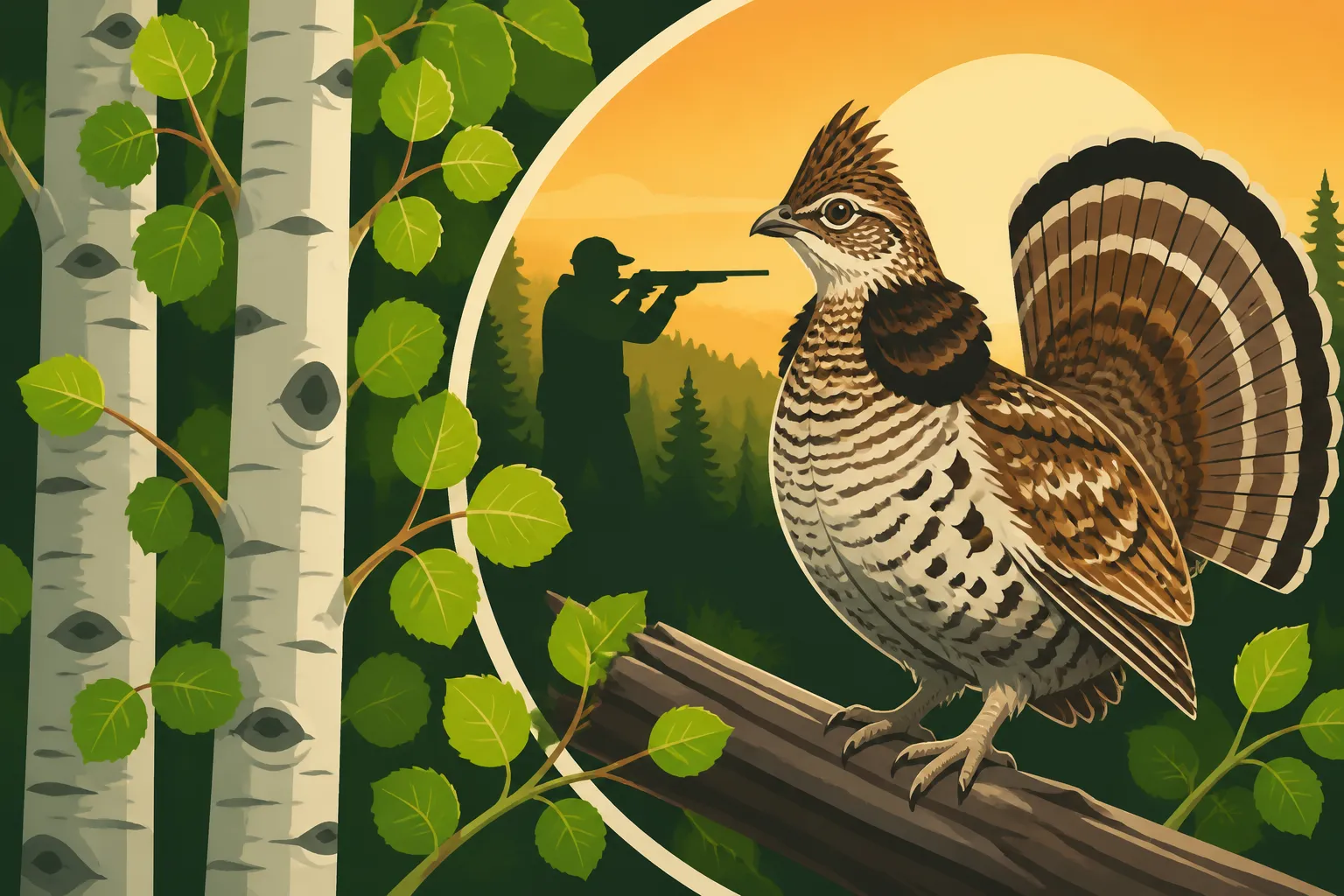
If you've spent any time chasing Michigan's elusive ruffed grouse, you know the frustration of busting your way through miles of thick timber, only to hear the thunderous flush of a bird you never saw, or worse, not hearing anything at all. It feels like these phenomenal game birds are here one year and gone the next, leaving you scratching your head. The secret to consistently finding grouse, and understanding why they thrive in some areas and disappear from others, lies almost entirely in appreciating how aspen management dictates their habitat. This guide will take you deep into the world of Michigan's ruffed grouse, exploring how active forest management creates the vibrant, ever-changing landscape they call home.
The Lifeblood of Ruffed Grouse: Understanding Aspen
For anyone serious about hunting ruffed grouse in Michigan, understanding aspen is like knowing the alphabet before you can read a book. These aren't just any trees; aspen stands, particularly at various stages of growth, are the absolute bedrock of prime grouse habitat. Without them, healthy, thriving grouse populations simply wouldn't exist in our state. It's a relationship so fundamental, you can't talk about one without talking about the other.
Why Aspen is Critical for Grouse Survival
Aspen, specifically trembling aspen and bigtooth aspen, provides everything a ruffed grouse needs to survive and flourish throughout its life cycle. Think of it as a four-star resort for grouse, offering food, cover, and nesting sites, all in one dynamic package. In the dead of winter, when snow blankets the forest floor and other food sources are scarce, grouse rely heavily on the flower buds of male aspen trees. These buds are packed with nutrients and energy, making them a vital food source that helps grouse survive the harshest Michigan winters. It’s truly amazing how they can sustain themselves on this seemingly humble diet.
Beyond winter sustenance, aspen stands, particularly those in their younger, denser stages, offer unparalleled protection from predators like hawks, owls, foxes, and coyotes. When aspen regenerates after a disturbance, it sprouts up incredibly thick, creating a dense network of vertical stems that provides visual obstruction and makes it difficult for predators to maneuver or spot a camouflaged grouse. This thick "stem density" is what we hunters call "grouse cover." Furthermore, the structure of an aspen stand, with its relatively open canopy in mature sections and dense understory in younger areas, allows grouse to move freely on the ground while still having overhead cover. When it comes time to nest, hens often choose sites at the base of mature aspen trees or among the dense saplings, where they are concealed from prying eyes. It's a full-service ecosystem, tailor-made for these woodland birds.
The Natural Cycle of Aspen Regeneration
Aspen isn't just critical; it's also a pioneer species, meaning it's one of the first trees to colonize disturbed areas. It thrives on disturbance. In nature, this disturbance historically came from events like wildfires, windstorms, or even beaver activity. These events would clear out mature forests, exposing the mineral soil and allowing aspen to regenerate aggressively from extensive root systems that lie dormant beneath the surface. When an aspen tree is cut or dies, its roots send up hundreds, sometimes thousands, of new shoots, creating those incredibly dense thickets that grouse adore. This process is called suckering.
The challenge today is that widespread natural disturbances like massive wildfires are largely suppressed for safety reasons. This is where active forest management, often mimicking these natural processes, becomes absolutely essential for maintaining grouse habitat. If left undisturbed, aspen eventually gives way to more shade-tolerant species like maples, oaks, or conifers, becoming less valuable as grouse cover. So, without human intervention to "reset" the forest, the prime grouse habitat would slowly disappear, turning into mature hardwoods where grouse struggle to find the food and cover they need. The key is understanding that aspen isn't a static resource; it's dynamic, constantly changing, and requires disturbance to thrive and, in turn, to support our beloved grouse.
The Art of Aspen Management: Practices for Grouse Habitat
Because aspen is so crucial for grouse, responsible forest management in Michigan is heavily focused on creating and maintaining these dynamic stands. It’s not about clear-cutting for the sake of logging, but rather strategically shaping the forest to benefit wildlife, and particularly our ruffed grouse populations. This involves a planned, cyclical approach that ensures a continuous supply of the different age classes of aspen that grouse depend on throughout the year.
Clear-Cutting for Maximum Benefit
When you hear "clear-cutting," it might conjure images of environmental devastation, but for aspen, and consequently for grouse, it's often the most beneficial management practice. Aspen is a sun-loving species that regenerates best when an entire stand is cut, allowing full sunlight to reach the forest floor. This stimulates those dormant root systems to send up a massive flush of new suckers. These young aspen stands, typically 5-15 years old, provide the incredibly dense, horizontal cover that is essential for grouse chicks and adults alike. This is where you'll find grouse holding tight, often just feet off a trail, relying on the visual obstruction of the thick stems to evade detection.
Forest managers, including the Michigan Department of Natural Resources (DNR) and timber companies, carefully plan these clear-cuts. They consider factors like the size of the cutting block, often ranging from 10 to 40 acres or more, to create substantial patches of new growth. They also consider the "rotation age" – the period between when an aspen stand is cut and when it's ready to be cut again. This often falls in the 40-60 year range for aspen, depending on soil quality and growth rates. By managing these rotations, they ensure a steady supply of young, middle-aged, and mature aspen across the landscape, which is the magic formula for healthy grouse numbers. If you're wondering How Old a Cut Should Be for Grouse, you'll find that those dense, chest-high thickets of 5-15 year old growth are usually your best bet.
The Importance of Age Diversity and Interspersion
The real genius of effective aspen management for grouse isn't just having aspen, but having a diverse mosaic of aspen stands of different ages located close together. This concept is called age diversity and interspersion. Imagine a landscape where you have a 5-year-old clear-cut next to a 20-year-old pole stand, which borders a 45-year-old mature aspen stand, and perhaps even some conifer swamp nearby. This variety ensures that grouse have access to all their needs within a relatively small home range, minimizing their exposure to predators while moving between different habitat types.
For instance, a grouse might use the super-dense, young clear-cut for escape cover from aerial predators. It might then move into the slightly older, more open pole timber for insect foraging in the summer or to find some drumming logs. In late fall and winter, it would likely feed on the buds of the mature aspen, then retreat to the younger stands or even a nearby conifer thicket for roosting and thermal protection from harsh winds and cold. This "edge habitat" where different age classes meet is often the most productive for hunters. When you're Scouting Michigan Public Land Before Season, look for these transitions on aerial maps, especially using tools like those found on GoHunt, which highlight different forest types and even logging activity. The more varied the adjacent stands, the better your chances of encountering birds.
Finding the Sweet Spots: Identifying Productive Grouse Cover
Chasing grouse in Michigan often feels like searching for a needle in a haystack, especially if you're not entirely sure what you're looking for. But once you understand how aspen management works, you can start to "read" the landscape with a more informed eye. It's about knowing what specific types of cover will hold birds at different times of the year and how to identify them, even from a distance. This isn't just random luck; it's a skill you can hone through observation and smart scouting.
Scouting for Aspen Stands of Varying Ages
The first step to consistently finding grouse is learning to recognize aspen stands in various stages of growth. Each stage offers different benefits and, consequently, holds grouse differently.
- Young Clear-Cuts (5-15 years old): These are the holy grail of grouse cover. They appear as incredibly dense thickets, often head-high or taller, with hundreds of skinny, vertical stems. This is where you'll find grouse holding tight, often flushing at your feet. Look for these areas on satellite maps as bright green patches indicating new growth or areas marked as recent timber harvests. These provide the densest security cover and are fantastic for hunting, especially earlier in the season.
- Pole Timber (15-30 years old): As the aspen grows, some stems thin out naturally, creating a slightly more open stand with trees that are still relatively small in diameter. This stage still provides good cover and offers more open understory for foraging. Grouse might be found here but will often be more wary and prone to running or flushing at a greater distance.
- Mature Aspen (30-60+ years old): These stands feature larger, more widely spaced aspen trees. While they lack the dense understory cover of younger stands, they provide the crucial male aspen flower buds for winter feeding. These stands are often found bordering younger cuts or conifer swamps, allowing grouse to feed in the mature trees and then retreat to thicker cover. You'll often find drumming logs in these more mature areas too, especially if they have fallen or been cut recently.
Using online mapping tools like the Michigan DNR's Mi-HUNT map or commercial apps like GoHunt can be invaluable for identifying timber harvests and forest types. These platforms allow you to overlay layers showing recent logging activity, which are prime indicators of where new aspen growth will be. You can even see property boundaries, which is crucial for Hunting Michigan State Forest Hunting or other public lands.
Edge Habitat and Transition Zones
While pure aspen stands are vital, the absolute best grouse habitat often occurs where different cover types meet – what we call "edge habitat." Think about where a dense, young aspen thicket transitions into an older, more open stand, or where aspen abuts a tag alder swamp, a cedar swamp, or even a pine plantation. These transition zones provide a diverse buffet of resources within a small area, making them incredibly attractive to grouse.
For example, a grouse might feed on aspen buds in a mature stand, then quickly drop into a thick cedar swamp for thermal cover on a cold, blustery day. Or it might forage for insects and berries along the edge where a young aspen cut meets a mixed hardwood forest, always having the option to dart into the thickest cover if a hawk appears. These edges often have a higher diversity of food sources, from berries and seeds to insects and greens, attracting more wildlife in general. When hunting, focus your efforts on these seams and transitions. Birds often hold incredibly tight right on these lines, making them perfect spots for a cautious walk-through. You can spend a lot of time Hunting Michigan Swamp Edges for Deer, and it's no different for grouse; those thick, nasty edges are often holding birds.
The Impact of Management on Michigan's Grouse Population
Michigan's ruffed grouse populations are a constant topic of conversation among hunters, with numbers fluctuating year to year and decade to decade. Understanding these trends and the role of habitat management is key to appreciating the efforts made to sustain this cherished game bird. It's not just about what happens during hunting season; it's about what happens in the forest every single day.
Historical Trends and Modern Challenges
For decades, grouse hunters in Michigan have observed the "grouse cycle" – a roughly 8-11 year boom-and-bust pattern in population numbers. This cycle is driven by a complex interplay of factors, including weather, predator populations, disease, and nesting success. However, overlaying this natural cycle is a longer-term trend: a general decline in grouse numbers across much of Michigan, particularly in the southern Lower Peninsula and areas where suitable habitat has diminished. This decline is largely attributed to the maturation of forests and the reduction of early successional habitat – precisely the young aspen stands that grouse need. As forests age without disturbance, they become less suitable for grouse.
Another significant modern challenge is habitat fragmentation. As land is developed or broken into smaller parcels, it becomes harder to implement large-scale, connected habitat management. This leads to isolated pockets of grouse habitat, making populations more vulnerable. Additionally, climate change and its potential impacts on forest composition and insect populations are ongoing concerns that wildlife managers are continually studying. For a deeper dive, our article on Michigan Ruffed Grouse Cycles provides more context on these fascinating population dynamics.
DNR Initiatives and Private Land Efforts
Thankfully, the Michigan DNR is highly aware of these challenges and actively manages state lands to benefit ruffed grouse and other early successional species. The DNR's forest management plans often include clear-cutting aspen stands on a rotational basis to ensure a continuous supply of diverse age classes. They also participate in initiatives like the Ruffed Grouse Society's partnerships to promote sound forest management. These efforts focus on creating and maintaining what are known as Michigan Grouse Enhanced Management Sites (GEMS), which are public lands specifically managed to provide optimal grouse habitat and improved hunter access. These sites are often specifically designed with a mix of aspen age classes, walking trails, and hunter-friendly amenities.
Private landowners also play a crucial role. While large-scale clear-cutting might not be feasible for every small parcel, even selective timber harvesting, planting conifers for winter cover, or creating small brush piles can contribute to local grouse populations. Organizations like the Ruffed Grouse Society and the Michigan United Conservation Clubs (MUCC) provide resources and guidance for landowners interested in improving habitat. It’s a collective effort; every piece of managed aspen, whether on public or private land, contributes to the overall health and resilience of Michigan's ruffed grouse. Without dedicated, proactive management, our grouse numbers would undoubtedly suffer even greater declines.
Hunting Strategies in Managed Aspen Stands
So, you've done your scouting, identified those prime aspen cuts, and now it's time to put boots on the ground. Hunting ruffed grouse in Michigan, especially in the thick, managed aspen, requires a blend of patience, persistence, and a keen understanding of bird behavior. Whether you hunt with a dog or prefer to go solo, tailoring your strategy to the cover you're in will drastically improve your success.
Flushing Grouse Without a Dog
Hunting ruffed grouse without a dog is a completely different ballgame, demanding a more methodical approach and an acute awareness of your surroundings. The primary goal is to surprise the bird and encourage a flush within shotgun range.
- Slow and Steady Wins the Race: Forget crashing through the woods. Walk agonizingly slow, often pausing for 10-20 seconds every few steps. Grouse are masters of camouflage and will often hold tight, relying on their stillness to avoid detection. These pauses often make a nervous bird think you've passed, prompting it to flush.
- Zig-Zag and Circle: Instead of walking in a straight line, zig-zag through the cover, especially through the densest patches. This helps you cover more ground thoroughly and can cut off a bird that might be trying to run ahead of you. Also, if you know where a bird flushed previously or where good cover is, try circling back or approaching from a different angle.
- Use the Edges and Transitions: As discussed, edges are golden. Focus on the transitions between different aspen age classes, or where aspen meets conifer, swamp, or even an old two-track. Walk parallel to these edges, always keeping an eye on the thicker cover.
- Listen and Look: More often than not, you'll hear a grouse flush before you see it. Be ready to snap shoot as soon as you hear that explosion of wings. Also, look for subtle signs on the ground: droppings, dusting bowls, or even tracks in soft dirt after a rain. This can indicate recent bird activity.
- Be Prepared for the "Tree Up": Sometimes, instead of flushing away, a grouse will "tree up," flying into a nearby tree to observe you. If you spot one perched, you usually have a few extra seconds to get a shot, but be quick; they won't sit there forever. Our article on Flushing Grouse Without a Dog goes into even more detail on these tactics.
- Shot Placement: Grouse are small, fast targets. Use an open choke (improved cylinder or skeet) and smaller shot sizes (7.5 or 8) for dense cover. The goal is to get a few pellets into the bird's head and neck area for a clean kill.
Working with a Bird Dog in Thick Aspen
Hunting grouse with a well-trained bird dog is an incredibly rewarding experience, but Michigan's thick aspen cover presents its own unique challenges. The dog's role is to find the bird, point it, and hold it until you can get into position for a shot.
- Bell and GPS Collar are Your Best Friends: In dense aspen, you often won't see your dog for minutes at a time. A loud bell attached to its collar is essential to track its movements and know when it's on point (when the bell stops). For added safety and to know exactly where your dog is, a GPS tracking collar (like those from Garmin or GoHunt) is a game-changer. These collars allow you to see your dog's location on your handheld device, even if it's buried deep in a thicket. This is especially useful if your dog is on point and you need to navigate to it.
- Steady to Wing and Shot: Your dog must be steady to wing and shot, meaning it doesn't break point when the bird flushes or when you shoot. This allows you to focus on the shot and ensures the dog doesn't chase after a wounded bird, potentially pushing other birds out of the area.
- Work the Dog into the Wind: Dogs use their incredible sense of smell to locate birds. Whenever possible, try to work your dog into the wind, as this carries the bird's scent towards them. This is often easier said than done in the varied terrain of Michigan.
- Communication is Key: Use consistent verbal commands and hand signals. Even if you can't see your dog, it might be able to hear you. A "whoa" command is invaluable if your dog gets too far ahead or needs to stop and wait for you.
- Follow the Point, But Be Ready: When your dog goes on point, don't rush in blindly. Assess the cover, try to anticipate where the bird might flush, and prepare your gun. Approach from a position that gives you the best chance for a clear shot. Remember, grouse in thick cover often try to run rather than flush, so be ready to encourage the flush or move your dog slightly.
- Dog's Conditioning and Paw Care: Running through miles of dense, thorny cover can be tough on a dog's pads. Regularly check your dog's paws for cuts and abrasions. Consider protective dog boots if you're planning an intense day in particularly harsh terrain. Remember, a happy, healthy dog is a more effective hunting partner.
Regardless of your method, hunting Michigan's managed aspen for grouse is a truly immersive experience. It challenges your woodsmanship, rewards your patience, and offers a fleeting glimpse of one of our most iconic game birds.
| Aspen Age Class | Typical Age Range (Years) | Primary Grouse Benefit | Hunter Strategy |
|---|---|---|---|
| Very Young Clear-Cut | 1-5 | Ultra-dense escape cover, insect foraging, brood rearing | Difficult to hunt, best for future habitat, minimal direct hunting |
| Young Clear-Cut | 5-15 | Optimal dense stem cover, food (buds, berries, insects) | Slow, methodical walk-throughs; focus on edges; prime hunting |
| Pole Timber | 15-30 | Good cover, drumming logs, more open for movement | Can hold birds; walk faster than young cuts, but still pause often |
| Mature Aspen | 30-60+ | Winter food (male buds), nesting, drumming logs | Hunt edges where it meets younger cover; focus on trees with prominent buds |
| Over-mature/Declining | 60+ | Less value, transitioning to other species, limited food | Generally poor grouse hunting; occasional birds may be found on edges |
Disclaimer
Please remember that hunting regulations, seasons, and land access rules can change. Always consult the most current Michigan Department of Natural Resources (DNR) regulations and local ordinances before heading afield. Safety should always be your top priority when hunting.