Bobcat Range and Harvest in Michigan
Michigan's landscape holds many hidden wonders, and few are as enigmatic and sought after as the bobcat. For many hunters, just catching a glimpse of this elusive feline is a triumph, let alone the challenge of a successful harvest. This guide is dedicated to shedding light on where these incredible predators roam across our state, what it takes to pursue them, and how Michigan manages its bobcat population and hunting opportunities.
The Secret World of Michigan Bobcats: Range and Habitat
Bobcats are true masters of camouflage and stealth, making them incredibly difficult to locate, even for seasoned outdoors enthusiasts. They thrive in a variety of habitats, but generally prefer areas with dense cover, broken terrain, and a good prey base. Understanding their preferred range and specific habitat types is the first step in unlocking the secrets of these fascinating creatures.
Where Michigan's Bobcats Call Home
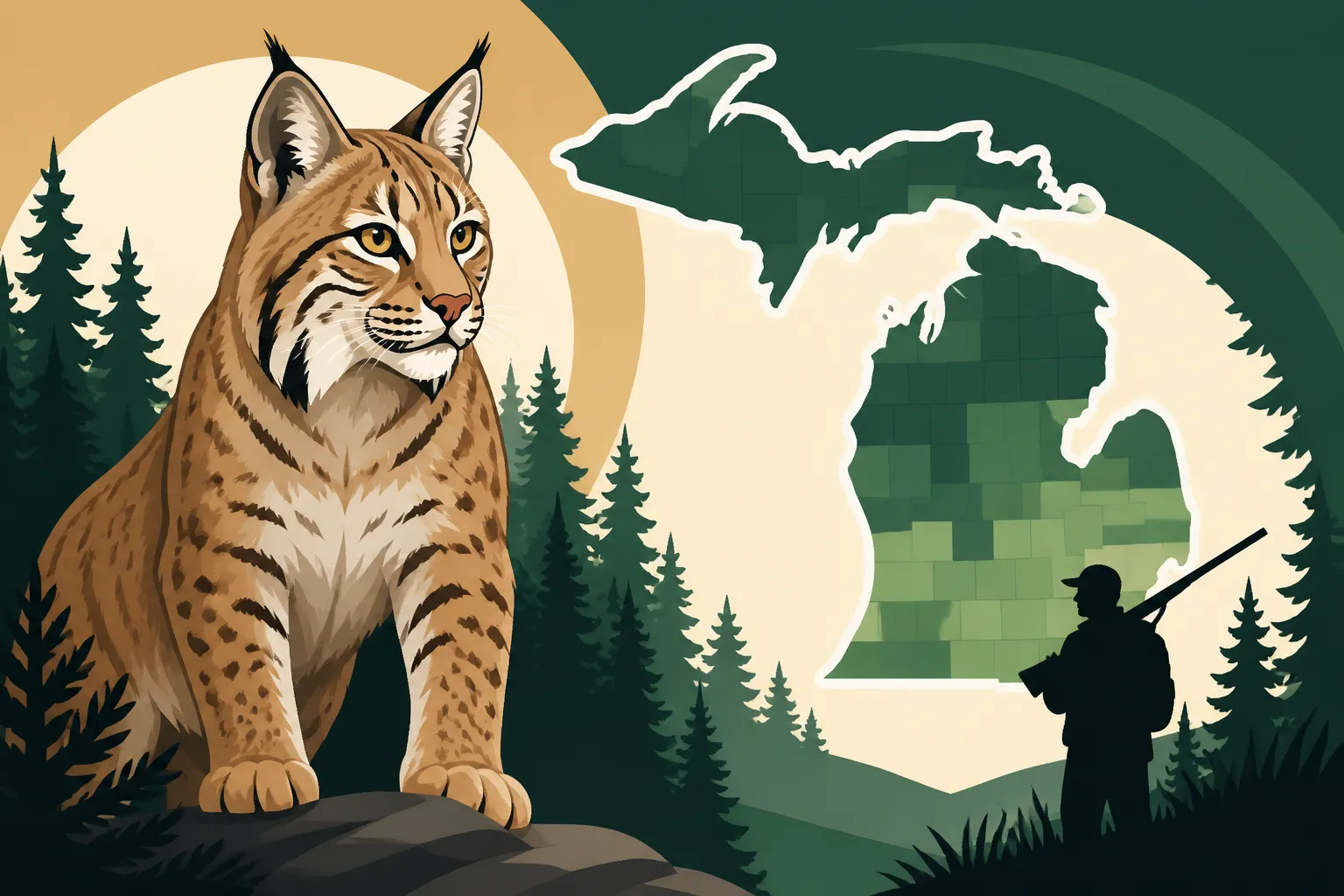
While bobcats are found throughout much of Michigan, their populations are far more robust and concentrated in certain regions. The vast, wild expanses of the Upper Peninsula are the undisputed stronghold for bobcats in our state. Here, they have plenty of room to roam, an abundance of prey, and the dense, protective cover they need to thrive. If you're looking for the best odds of encountering a bobcat, the U.P. is where you'll want to focus your efforts.
That's not to say the Lower Peninsula is devoid of them entirely. You can find pockets of bobcats, especially in the northern Lower Peninsula, particularly in counties with significant tracts of state forest and large wetlands. These populations are generally less dense and more scattered than their U.P. counterparts, often correlating with areas that mirror the U.P.'s wilder characteristics – dense swamps, conifer stands, and relatively undeveloped landscapes. These animals are incredibly secretive, and even in areas where they are present, direct sightings can be rare.
Preferred Habitats and Why They Matter
Bobcats are adaptable, but they certainly have their favorites when it comes to habitat. Think thick, impenetrable cedar swamps, dense conifer stands, areas with extensive logging cuts that offer a mix of young, regenerating growth and mature timber, and brushy river bottoms. These areas provide both excellent cover for ambushing prey and protection from larger predators, as well as shelter from harsh Michigan winters. For hunters and trappers, identifying these specific habitat types is crucial.
Their diet consists mainly of small mammals like rabbits, hares, squirrels, and voles, as well as grouse and other ground-nesting birds. This is why you'll often find bobcats in areas where these prey species are abundant, typically in the aforementioned dense thickets, brushy clearcuts, and edges where different habitat types meet. Understanding their prey's habitat preferences can help you narrow down where a bobcat might be lurking. Scouting for these prey animals, or even finding their tracks and scat, can be a good indicator of bobcat presence.
Navigating Michigan's Bobcat Hunting and Trapping Seasons
Pursuing bobcats in Michigan is a highly regulated activity, reflecting the value placed on this species and the need for careful management. It's not a simple over-the-counter license situation; there's an application and drawing process involved, along with specific rules for hunting and trapping. Getting familiar with these regulations is paramount before you even think about heading into the woods.
Understanding the Application and Drawing Process
To hunt or trap bobcats in Michigan, you generally need to apply for a permit through a drawing system. This helps the state manage harvest numbers and ensure healthy populations. The application period and draw results typically align with other furbearer or predator hunting applications. It's crucial to pay close attention to the Michigan Department of Natural Resources (DNR) announcements for application deadlines and season dates, as these can change.
Permits are often allocated to specific Bobcat Management Units (BMUs), which are geographically defined areas within the state. These units help the DNR distribute hunting pressure and ensure that harvest is sustainable across different regions. Some units may have more permits available than others, reflecting varying population densities. The GoHunt app or website can be an incredibly useful tool for staying on top of application deadlines, checking unit boundaries, and researching past draw odds before you apply. Remember, securing a permit is the first major hurdle for most aspiring bobcat hunters and trappers.
Season Dates, Bag Limits, and Regulations
Once you've secured a permit, you'll need to adhere to strict season dates and bag limits specific to your assigned BMU. Bobcat seasons are often structured to coincide with periods when their fur is prime, typically in the colder months. These seasons are generally short, sometimes only a few weeks, making preparation and timing critical. You'll want to check the current Michigan hunting and trapping regulations summary for the exact dates and specific rules for your unit.
Bag limits are usually very conservative, often limiting hunters to just one bobcat per season. There are also specific tagging and reporting requirements that must be followed immediately after a successful harvest. This includes validating your tag and reporting the kill within a certain timeframe, often 72 hours. Failing to follow these steps can result in penalties, so always double-check the current regulations. Additionally, be aware of any restrictions on hunting methods, such as the use of dogs, specific firearms, or trapping devices. Michigan Small Game and Furbearer Seasons provides more context on these broader regulations.
Strategies for Successful Bobcat Hunting and Trapping
Actually connecting with a bobcat, whether through hunting or trapping, requires a blend of skill, patience, and a deep understanding of their behavior. These animals are intelligent and wary, and success often comes down to meticulous preparation and adapting to their elusive nature.
Hunting Tactics for Elusive Felines
Hunting bobcats typically involves calling, still-hunting, or a combination of both. Calling is a popular method, often employing distress calls that mimic rabbits, hares, or other small prey animals. The key is to find a good setup with a clear line of sight, preferably with the wind in your favor, and to remain absolutely still and silent for extended periods. Bobcat response can be slow, sometimes taking 20-30 minutes for an animal to commit and come into view. They often circle downwind to scent-check the source of the call, so setting up with good visibility downwind is crucial.
Still-hunting, or stalking very slowly through dense bobcat cover, requires extreme stealth and patience. Focus on moving quietly, stopping frequently to scan ahead, and paying close attention to tracks and sign. Areas like Hunting Michigan Cedar Swamps or thick, regenerating clearcuts are prime spots for this. Remember, a bobcat's camouflage is exceptional, and they can seemingly appear out of nowhere. Early morning or late afternoon, when bobcats are most active, often present the best opportunities. Using a mapping tool like GoHunt to identify dense cover, creek bottoms, and potential travel corridors can significantly improve your scouting efforts.
Trapping for Michigan Bobcats
Trapping is another effective method for harvesting bobcats, and it demands a specific skillset and knowledge of regulations. Trappers typically use foothold traps or snare sets, strategically placed in areas of high bobcat activity, such as along logging trails, near natural pinch points, or where fresh tracks are abundant. Lures and baits, often with strong, musky scents or visual attractants like feathers, are used to draw the bobcat into the set.
Ethical trapping practices are paramount. This includes setting traps in a way that minimizes the risk to non-target animals, checking traps regularly (usually within 24 hours), and having the knowledge and tools for humane dispatch. Trapping seasons for bobcats often overlap with seasons for other furbearers like coyotes and fox, so understanding multi-species trapping strategies can be beneficial. Learning from experienced trappers or taking a furbearer trapping course offered by the DNR is highly recommended for anyone interested in this pursuit. Always review Michigan Fur Harvester Licence Rules to ensure compliance.
Essential Gear and Ethical Considerations
Whether you're hunting or trapping, having the right gear is critical. For hunters, this includes appropriate clothing for cold weather, a quiet firearm or bow, optics for scanning dense cover, and scent control. For trappers, quality traps, tools for setting and anchoring them, and proper handling equipment are a must. A good GPS or mapping app is invaluable for both, helping you navigate remote areas and mark locations of interest. Optics for Michigan Timber and Swamp and Clothing for a Michigan November delve deeper into specific gear choices.
Beyond gear, ethical considerations are at the forefront of bobcat pursuit. This includes respecting fair chase principles, ensuring clean kills, and promptly and accurately reporting all harvested animals. As bobcats are a protected and managed species, adhering to all regulations helps ensure these magnificent animals continue to thrive in Michigan's wild places for generations to come. Predator and Furbearer Hunting in Michigan offers a broader perspective on responsible predator management.
| Feature | Upper Peninsula (U.P.) | Northern Lower Peninsula (NLP) | Southern Lower Peninsula (SLP) |
|---|---|---|---|
| Population Density | High | Moderate to Low | Very Low / Rare |
| Primary Habitat | Vast conifer swamps, mixed forests, remote areas | Large state forests, cedar swamps, fragmented woods | Highly fragmented, isolated pockets of cover |
| Hunting/Trapping Opportunity | Best opportunities, more permits generally available | Limited opportunities, fewer permits | Extremely rare to no opportunities |
| Season Length | Often longer, but highly regulated | Shorter, highly regulated | Typically closed |
| Elusiveness | Still elusive, but more widespread | Highly elusive due to lower density and pressure | Almost ghost-like |
| Challenges | Deep snow, vast terrain, cold temperatures | Access, finding concentrations, human development | Finding suitable habitat, public access |
Disclaimer
This article is for general informational purposes only and does not constitute professional advice. Laws, prices and regulations vary by location and change over time. Consult a qualified professional for guidance on your specific situation.