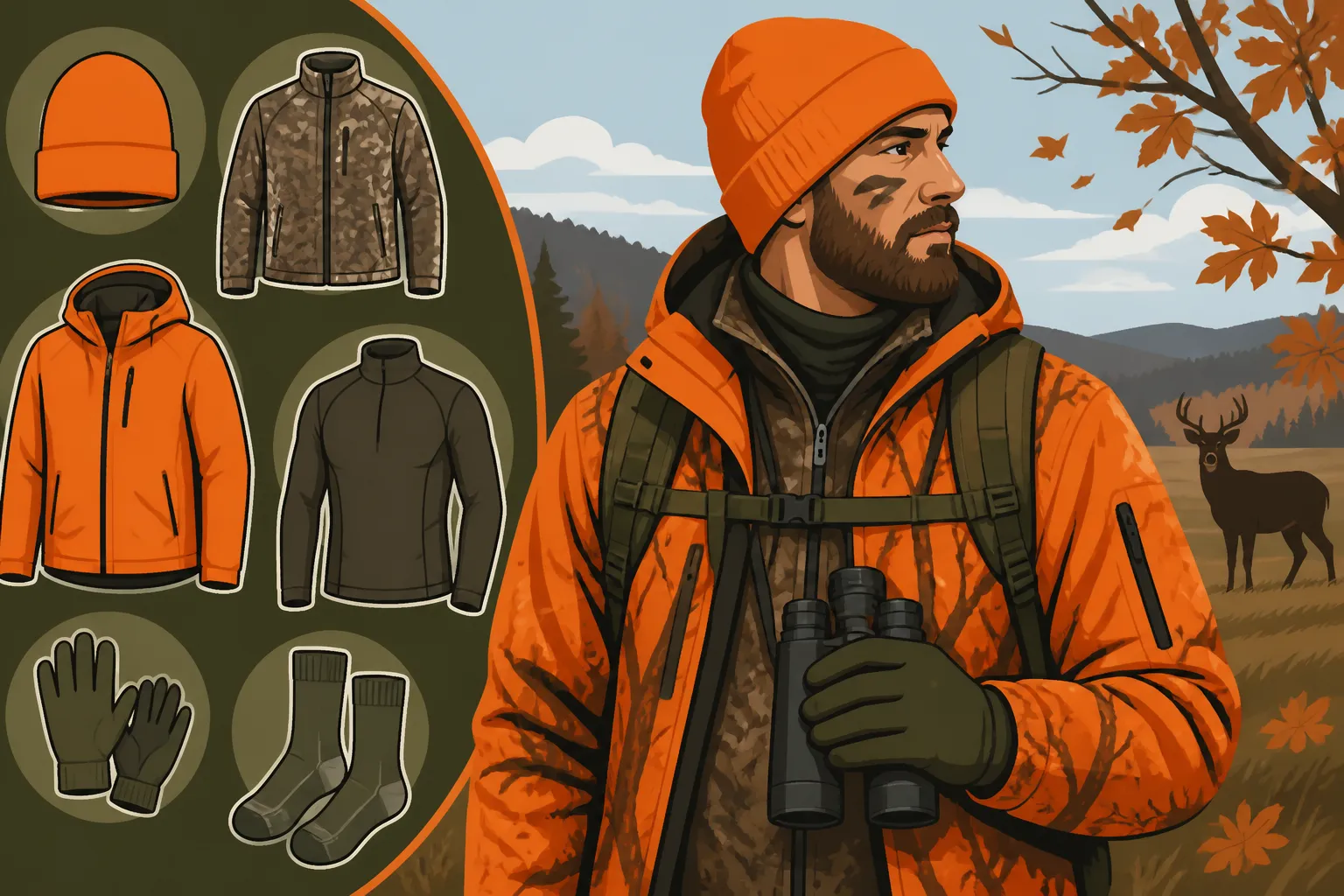
Clothing for a Michigan November
Michigan in November. Just saying those words can send a shiver down a hunter's spine, not just from the cold, but from the sheer unpredictability of it all. One day you're sitting in a light jacket, enjoying a crisp, calm morning, and the next you're fighting horizontal sleet, trying to keep feeling in your fingers and toes. It's a month that demands respect, and nowhere is that more evident than in your clothing choices. This guide is all about helping you master the art of dressing for a Michigan November hunt, ensuring you stay comfortable, focused, and ready for whatever Mother Nature throws your way.
Understanding Michigan's November Weather
If you've spent any time hunting in Michigan, you know that November is a wild card. It's the heart of firearm season, the peak of the rut, and often, the coldest, wettest, or snowiest month of the deer season. Preparing for it means understanding its volatile nature.
The Unpredictable Nature
One of the biggest frustrations for Michigan hunters is just how quickly the weather can pivot. You might wake up to a mild, foggy morning, perfect for a quiet still-hunt. By noon, a cold front could sweep in, dropping temperatures twenty degrees and bringing with it a biting north wind and a mix of rain and freezing drizzle. Then, before you know it, that drizzle turns to heavy snow, piling up several inches in just a few hours. This isn't an exaggeration; it's a common Michigan November scenario. Relying on a single heavy coat or a uniform set of clothing is a recipe for discomfort, if not outright misery. You need versatility built into your system. Michigan Firearm Deer Season Structure is inherently tied to this unpredictable weather, as hunters are often out for long periods, exposed to the elements.
This rapid change isn't just a minor inconvenience; it can be a deal-breaker for your hunt. Imagine you're set up on a promising pinch point, patiently waiting for that cruiser buck. If you're underdressed when the wind picks up, you'll be shivering, shifting, and distracting yourself, reducing your chances of spotting movement and making a clean shot. Conversely, if you're bundled too heavily for a milder morning, you'll sweat on the walk in, and that moisture will turn into a chilling cold once you settle into your stand, making the rest of your sit uncomfortable and potentially dangerous.
Furthermore, the type of precipitation can vary wildly. Early November might bring cold rain, soaking through non-waterproof gear in minutes. Later in the month, a heavy, wet snow can weigh you down and make walking a challenge, while extremely cold, dry snow offers a different kind of challenge, demanding maximum insulation. The ground conditions also change with the weather, going from muddy and soft to frozen and crunchy, each demanding specific footwear and outer layer considerations.
Factors Affecting Comfort
Beyond just the temperature, several factors conspire to make or break your comfort in the field. Understanding these is key to choosing the right layers.
Wind chill is perhaps the most deceptive and impactful factor. A calm, 30-degree day can feel quite comfortable, even mild, when the sun is out. But introduce a 15-20 mph wind, and that "feels like" temperature can plummet into the teens or even single digits. Wind will cut through poorly constructed or non-windproof garments, stealing your body heat at an alarming rate. For a stand hunter, especially one sitting exposed to prevailing winds, a truly windproof outer layer is non-negotiable. Even still-hunting, wind can be a factor, chilling you every time you pause to glass or listen.
Precipitation is another critical element. Whether it's a light mist, a steady rain, or heavy snow, any moisture that penetrates your clothing layers will rapidly diminish your insulation's effectiveness. Wet clothes conduct heat away from your body much faster than dry clothes, leading to hypothermia even in seemingly moderate temperatures. This is why waterproof or highly water-resistant outer layers are essential, especially in Michigan's often-damp environment. The challenge is balancing waterproofness with breathability, to prevent moisture from building up inside your layers from sweat.
Finally, your activity level plays a huge role. Are you sitting motionless for hours in a treestand, hoping a big buck will follow a scrape line? Or are you actively still-hunting through thick cover, walking miles on a deer drive, or dragging a deer out of a swamp? High activity generates body heat, which can lead to sweating, while low activity requires maximum insulation. A clothing system for Treestand Setups in Michigan Hardwoods will look very different from what you'd wear for Deer Drives With Three or Four Hunters. Many hunters make the mistake of dressing for the walk in, only to be freezing once they cool down on stand.
The Layering System: Your Best Defense
The single most effective strategy for combating Michigan's unpredictable November weather is embracing the layering system. This isn't just a fancy term; it's a fundamental principle that allows you to adapt to changing conditions by adding or removing garments, trapping or releasing heat, and managing moisture.
Base Layers: The Foundation
Think of your base layer as the absolute foundation of your entire clothing system. Its primary job isn't necessarily warmth (though some do provide a good deal of it), but rather to manage moisture. When you exert yourself, even walking slowly to your stand, your body produces sweat. If that sweat stays next to your skin, it will cool you down rapidly once you stop moving, making you miserably cold. A good base layer actively wicks that moisture away from your skin, transferring it to the next layer where it can evaporate more easily.
There are two main contenders for base layer materials: merino wool and synthetics. Merino wool is often hailed as the king for a reason. It's incredibly soft, naturally antimicrobial (meaning it resists odor buildup, which is a huge plus for multi-day hunts), and, crucially, it retains a remarkable amount of its insulating properties even when wet. This "warm when wet" characteristic can be a lifesaver if you get caught in the rain or sweat heavily. Different weights of merino are available, from ultralight for milder days or high activity, to expedition weight for truly frigid sits. Brands like Sitka Gear and First Lite offer excellent merino options tailored for hunting.
Synthetics, typically made from polyester or polypropylene, are another fantastic option. They excel at wicking moisture, are often quicker drying than wool, and are generally more durable and less expensive. While they don't have the natural odor-fighting properties of merino, many modern synthetics are treated with antimicrobial finishes to combat this issue. They come in various weights too, allowing you to choose a thin, lightweight set for early season or more active hunts, or a heavier, brushed fleece-lined set for colder days. The key with both is a snug fit; the closer the base layer is to your skin, the more effectively it can wick moisture.
Mid Layers: Insulation and Warmth
Once your base layer is efficiently wicking moisture, your mid layers step in to provide the bulk of your insulation. Their job is to trap warm air close to your body, creating a thermal barrier against the cold. You'll often use one or more mid layers, depending on the temperature and your activity level, which is where the adaptability of the layering system really shines.
Fleece is a very popular and versatile mid-layer material. It's relatively lightweight, breathes well, and provides decent warmth. Different weights of fleece (100-weight, 200-weight, 300-weight) allow for varying levels of insulation. A thin fleece vest might be enough for a brisk walk, while a heavier fleece jacket could be your primary insulation for a stand hunt on a milder November day. Its biggest drawback is its poor performance in wind without an outer shell.
Puffy jackets, filled with either down or synthetic insulation, offer superior warmth-to-weight ratios. Down is incredibly warm and compressible, making it ideal for packing into a backpack and pulling out when you settle into your stand. However, down loses virtually all its insulating power when it gets wet, so it must be protected by a waterproof outer shell. Synthetic fills, on the other hand, are designed to retain warmth even when damp, making them a more forgiving choice for Michigan's wet conditions. Brands like KUIU and GoHunt's own gear lines offer fantastic synthetic puffy options that are worth exploring. You might use a lighter puffy jacket as a mid-layer for active hunts, or a very thick one as a primary insulation piece under a shell for stationary colder hunts.
Outer Layers: Protection from the Elements
Your outer layer, often called a shell, is your first and last line of defense against Michigan's notorious November weather. Its primary functions are to provide protection from wind, rain, and snow, while also being durable and quiet for hunting. This is where you truly decide to hunker down or stay mobile.
When selecting an outer layer, waterproofness and windproofness are paramount. Look for jackets and pants that feature a durable water repellent (DWR) finish and a waterproof/breathable membrane, such as Gore-Tex or similar proprietary technologies. This membrane allows perspiration vapor to escape (keeping you from getting clammy from the inside out) while blocking external moisture. Without this, even the best insulation beneath will quickly become saturated and useless. Many hunters prefer a system where their outer layer is a dedicated waterproof shell, separate from their insulation, allowing for maximum flexibility.
Quietness of the fabric is another crucial consideration, especially for archery hunters or still-hunters trying to sneak through the woods. Stiff, crinkly rain gear will make every movement sound like a hurricane in the quiet woods, spooking deer long before they get into range. Look for soft, brushed fabrics that are specifically designed for quiet movement, even when cold. Many dedicated hunting brands invest heavily in developing quiet, weather-resistant outer shells. Finally, consider camouflage patterns. While not strictly functional for warmth, the right pattern helps you blend into the Michigan hardwoods, cedar swamps, or agricultural fields.
Essential Garments for a Michigan November
Once you have your layering strategy down, it's time to consider the specific garments that will complete your ensemble. Don't overlook the extremities; keeping your head, hands, and feet warm is absolutely vital for comfort and safety.
Headwear and Neck Gaiters
Your head is a major source of heat loss. If your head is cold, your whole body will feel cold, regardless of how many layers you have on your torso. That's why a good hat is non-negotiable for November hunting. A simple wool or fleece beanie can be incredibly effective at trapping heat. For colder conditions, an insulated trapper hat with ear flaps provides even more protection, especially against biting winds. Some hunters even wear a thin beanie under a hooded outer layer for maximum warmth.
Beyond the hat, a neck gaiter or balaclava is a game-changer. It protects one of the most vulnerable areas for heat loss – your neck and face. A quality neck gaiter, made from merino wool or fleece, can be pulled up over your nose and mouth when the wind is whipping, protecting exposed skin from frostbite and helping to warm the air you breathe. A balaclava offers even more comprehensive coverage, often integrating with your hat and outer layer hood to create an almost impenetrable barrier against the cold. These items are small, lightweight, and can easily be pulled on or off as conditions change, making them highly adaptable. Cold Weather Sitting Strategy definitely includes robust head and neck protection.
Hands and Feet: Critical Extremities
These are often the first parts of your body to get cold, and once they do, it's incredibly difficult to warm them back up in the field. Numb fingers make it hard to release an arrow or safely handle a firearm, and frozen toes make every step agony.
For hands, a multi-stage system works best. Start with a thin, moisture-wicking glove liner (again, merino or synthetic) that you can wear while walking in or when needing dexterity. Over this, you'll want a warmer, insulated glove, ideally with some windproof and water-resistant properties. For truly frigid sits, consider mittens; they keep your fingers together, which allows them to share warmth, and many have a flap that allows you to free your fingers for shooting. Hand muffs, often worn around the waist and containing hand warmers, are also incredibly effective for keeping digits toasty during long, motionless waits. Remember that you'll need to remove heavier gloves to shoot effectively, so practice drawing and aiming with your chosen system.
Feet demand equal attention. A good sock layering system starts with a thin, wicking liner sock (silk, merino, or synthetic) to pull moisture away from your skin. Over this, wear a thick, insulated wool or synthetic sock. Avoid cotton at all costs; it holds moisture and loses all insulating value when wet. The most important piece of footwear is your boots. For November in Michigan, you need boots that are insulated, waterproof, and offer good traction. Look for boots with at least 800-1200 grams of Thinsulate or similar insulation for stand hunting, and ensure they are genuinely waterproof for slogging through wet leaves, slush, or even shallow water. Ensure your boots aren't too tight with your thick socks, as this will restrict blood flow and actually make your feet colder. Boots for Michigan Swamps and Snow are a must-have for the terrain you'll encounter.
Pants and Bibs
Your lower body needs as much attention as your upper body. After all, you're sitting on cold ground or cold treestand seats, and your legs are often exposed to the same wind and precipitation.
Insulated hunting pants are a common choice. Look for options that are quiet, durable, and offer a good range of motion. Many come with integrated waterproof/breathable membranes, which are a huge plus. Some hunters prefer layering, using a heavy base layer and then a windproof fleece pant, topped with a waterproof shell pant if precipitation is expected. This allows for more flexibility.
However, many seasoned Michigan hunters swear by insulated bibs. Bibs offer significantly more warmth and protection than pants because they cover your entire torso, eliminating the cold gap that often forms between a jacket and pants. This continuous layer of insulation keeps your core much warmer, which in turn helps keep your extremities warm. They are also fantastic for keeping snow and rain from getting inside your layers when bending over or moving through thick brush. Like jackets, look for bibs that are quiet, windproof, waterproof, and offer appropriate insulation levels for the expected temperatures. Consider features like full-length leg zippers for easy on and off over boots, and reinforced knees and seat for durability.
Material Matters: Choosing Wisely
The materials that make up your hunting clothing are not just about aesthetics; they dictate performance, comfort, and how well you can withstand the harsh realities of a Michigan November. Each material has its own set of strengths and weaknesses that can significantly impact your hunt.
Wool: The Traditional Favorite
Wool has been a hunter's companion for centuries, and for good reason. Its natural fibers boast an impressive array of properties that make it highly desirable for cold-weather outdoor activities. The most significant advantage of wool, particularly merino wool, is its ability to insulate even when wet. Unlike synthetic materials that compress and lose loft (and thus insulating power) when damp, wool fibers retain their structure and continue to trap warm air. This is a crucial characteristic for Michigan hunting, where getting caught in an unexpected rain or snow shower, or working up a sweat on the walk in, is always a possibility.
Beyond its "warm when wet" property, wool is incredibly quiet. Its natural fibers move silently against each other and against brush, making it ideal for sneaking through the woods or making subtle movements in a treestand. It's also naturally odor-resistant, thanks to its complex fiber structure that inhibits the growth of odor-causing bacteria. This means you can wear wool base layers and mid-layers for multiple days without them smelling foul, a huge benefit on longer hunting trips. Additionally, wool is surprisingly durable and resistant to tears and snags compared to many synthetic fleeces. The downsides include its weight when compared to equivalent synthetic insulation, its tendency to take longer to dry completely, and its higher cost. Also, some people find traditional wool itchy, though modern merino wool is generally very soft against the skin.
Synthetics: Modern Performance
Synthetic fabrics, primarily polyester and polypropylene, have revolutionized outdoor clothing in recent decades, offering high-performance alternatives to natural fibers. Their main advantage lies in their excellent moisture-wicking capabilities and quick-drying properties. Synthetics are engineered to efficiently pull sweat away from your skin and spread it across the fabric's surface, where it can evaporate rapidly. This is key for maintaining a dry, comfortable microclimate next to your skin, especially during periods of high exertion.
Synthetics are also typically lighter than wool for comparable warmth, making them an excellent choice for those who need to pack light or prefer less bulk. They are often more affordable than high-quality merino wool, making them accessible for a wider range of budgets. Modern synthetic fleeces and insulated jackets offer fantastic warmth-to-weight ratios. The main drawbacks include their tendency to retain odors more readily than wool (though many are now treated to combat this) and their performance when wet. While they dry quickly, most synthetic insulations lose some loft and insulating power if they become completely saturated. Furthermore, some synthetic outer layers can be noisier than wool, especially when cold. However, advancements have led to very quiet, brushed synthetic fabrics perfect for hunting.
Down: Unbeatable Warmth-to-Weight
Down insulation, typically from ducks or geese, is the undisputed champion when it comes to warmth-to-weight ratio and compressibility. A high-quality down puffy jacket can provide an incredible amount of warmth for very little weight and can be compressed into a tiny package, making it perfect for packing into a backpack and deploying when you reach your stand or need a boost of warmth. For prolonged, motionless stand hunting in truly frigid Michigan conditions, a thick down jacket or vest as part of your mid-layer system is hard to beat. Late-Season Food Sources for Whitetails often means waiting for long periods in extreme cold, where down can really shine.
The major Achilles' heel of down is its complete loss of insulating power when wet. If down feathers become saturated with water, they clump together, lose their loft, and offer virtually no warmth. This makes it a risky choice for outer layers in Michigan's often-wet November. Therefore, if you choose down, it absolutely must be protected by a waterproof outer shell. Modern developments include hydrophobic down, which is treated to resist water absorption, but even this isn't a substitute for a good waterproof shell in a downpour. Down is also generally more expensive than synthetic insulation and requires more careful cleaning and storage. Despite these drawbacks, for dry, cold conditions, or as a crucial emergency layer, down remains a top performer.
| Material Type | Pros | Cons | Best Use Cases in November Michigan |
|---|---|---|---|
| Merino Wool | Warm when wet, odor-resistant, quiet, soft | Heavier, slower drying, higher cost | Base layers, mid-layers, socks, hats for all conditions |
| Synthetics | Wicks moisture, quick-drying, durable, affordable | Can retain odor, less warm when fully wet, some can be noisy | Base layers, mid-layers, outer shells, gloves, socks |
| Down | Unbeatable warmth-to-weight, compressible | Useless when wet, expensive, delicate | Stationary mid-layer for extreme cold (under shell) |
Tailoring Your System to Your Hunt Style
Michigan offers a variety of hunting methods, and what you wear should directly reflect how you plan to hunt. A one-size-fits-all approach to clothing will leave you either shivering or sweating.
Stand Hunting: Maximum Warmth, Minimum Movement
If your primary method is sitting in a treestand or ground blind for extended periods, especially during the cold peaks of the November rut, your clothing system needs to prioritize maximum warmth and minimal bulk for comfort during long sits. The challenge here is staying warm while essentially being motionless in potentially freezing temperatures with biting winds.
You'll want a very robust base layer – perhaps an expedition-weight merino or heavy synthetic. Over that, multiple mid-layers are often necessary. This could be a heavy fleece jacket combined with a thick down or synthetic puffy jacket. The key is to create multiple air-trapping layers. Your outer shell should be completely windproof and waterproof, and ideally quiet. Consider insulated bibs and a heavily insulated parka-style jacket. Many stand hunters also swear by "incinerator" type suits that are extremely thick and bulky but offer incredible warmth. Scent control is also paramount for stand hunters, so ensuring your outer layers are treated or regularly washed with scent-eliminating detergents is a good idea. Brands like Sitka, with their whitetail-specific lines, and GoHunt, which focuses on adaptable hunting gear, have excellent options for layering.
For truly cold conditions, don't underestimate the power of accessories. Large, insulated hand muffs with chemical hand warmers are a game-changer. Heavy, insulated mittens (worn over thinner gloves for dexterity) are essential. And, as mentioned before, heavily insulated, waterproof boots with thick, layered socks are critical. Consider a warm seat pad or insulated cushion for your stand, as heat loss through your rear can be significant. Cold Weather Sitting Strategy involves every trick in the book to stay put.
Still-Hunting and Drives: Breathability and Mobility
For hunters who are more active – still-hunting slowly through cover, participating in deer drives, or tracking game – the clothing priorities shift dramatically. Here, breathability, durability, and freedom of movement take precedence over sheer bulk and maximum insulation. The biggest danger for active hunters is overheating and sweating, which, as we know, can lead to a dangerous chill once activity ceases.
Your base layers should still be moisture-wicking, but perhaps a lighter or mid-weight option to prevent overheating. Mid-layers should be easily adjustable or removable. A lightweight fleece vest or jacket that can be quickly stowed in a pack is ideal. You want to avoid heavy, bulky insulation that restricts movement or causes excessive sweating. The outer layer for active hunting should be durable enough to withstand brush and briars, quiet, and offer good wind and water resistance, but also excellent breathability. Many softshell fabrics excel here, offering good protection without the bulk or rigidity of a full waterproof hardshell. Venting options, like pit zips on a jacket, are invaluable for dumping excess heat quickly without having to shed layers.
For active hunts, pants are often preferred over bibs for ease of movement and less bulk, though durable, less insulated bibs can still work. Look for pants with reinforced knees and cuffs to stand up to abuse. Footwear should be rugged and waterproof, but perhaps less heavily insulated than for stand hunting, to prevent overheating. Traction is also very important when navigating uneven, potentially slippery terrain. The key is to start a little on the cool side, knowing your body will generate heat as you move, and have a small, easily accessible pack to shed layers as needed. Still-Hunting Michigan Cedar Swamps requires stealth and freedom of movement, making this style of clothing critical.
Beyond the Basics: Practical Considerations
Once you have your core layering system dialed in, there are a few other practical considerations that can elevate your November Michigan hunting experience from tolerable to truly enjoyable.
Hunter Orange Requirements
Michigan has specific hunter orange requirements during certain seasons, and November firearm season is one of them. It's not just a suggestion; it's a legal requirement designed for safety. Hunters must wear an outer garment of hunter orange that is visible from all sides, covering at least 50% of the area above the waist, including a hat. This applies to all hunters during firearm deer season, even if you are bowhunting concurrently. Failing to adhere to these rules can result in a ticket and, more importantly, put you and others at risk.
Always double-check the current Michigan hunting regulations for the exact dates and requirements each year, as they can sometimes be updated. Many hunting clothing manufacturers, including GoHunt, offer outer shells, vests, and hats in hunter orange, or reversible options that feature camo on one side and orange on the other. It's smart to pack an extra orange vest or hat, just in case your primary one gets torn or lost. Don't compromise on safety; bright orange could be the difference between a successful hunt and a tragic accident. How Much Hunter Orange Michigan Requires is a detail every hunter needs to know.
Scent Control
While not directly related to warmth or weather protection, scent control is a crucial aspect of hunting, especially for deer, and it's heavily influenced by your clothing. Even with the perfect layering system for warmth, if you reek of human odor, that wary November buck is likely to bust you long before you ever see him.
The first step in scent control is cleanliness. Wash your hunting clothes in scent-free detergent and store them in airtight containers or bags away from everyday household odors. Dress in your hunting clothes only when you get to your hunting area, avoiding contact with gasoline, coffee, or vehicle exhaust. Many hunters use scent-eliminating sprays on their outer layers before heading into the woods. Some clothing brands integrate activated carbon or silver technologies into their fabrics, designed to absorb or neutralize odors. While no system is foolproof, minimizing your scent signature gives you a significant advantage, especially when you're dealing with a cold, still air that allows scent to travel far.
Remember, every piece of clothing, from your base layers to your hat, can hold and emit odor. Pay attention to your footwear as well; if your boots are tracking human scent, it can negate the efforts you make with your upper body clothing. Consider specialized scent-control socks and boots if you're serious about minimizing your footprint. Hunting Deer Without Bait in Michigan often places an even higher emphasis on scent control and stealth.
Packing for Contingencies
Michigan's November weather is unpredictable, and sometimes, things just go wrong. Having a small "contingency kit" in your pack can be a lifesaver. This doesn't mean you need to overpack, but a few key items can make a huge difference in comfort and safety.
Always include a lightweight, packable rain jacket or poncho, even if your main outer layer is already water-resistant. Sometimes, you need that extra layer of absolute waterproof protection during a prolonged downpour. Extra chemical hand warmers and foot warmers are small and light but can provide hours of crucial warmth if you start getting dangerously cold. A dry bag, even a small one, is invaluable for keeping essential items like your phone, spare socks, and fire-starting materials completely dry. A small emergency space blanket is also a good idea; it packs down to nothing and can provide significant warmth in a pinch if you get stranded or need to treat hypothermia.
Finally, always have a spare hat and a pair of dry socks. If your feet get wet, swapping out wet socks for dry ones can make your entire body feel warmer and prevent frostbite. Being prepared for the worst-case scenario means you can hunt with confidence, knowing you have a backup plan for when Michigan weather inevitably changes its mind.
Here's a quick guide to common Michigan November conditions and ideal layering strategies:
| Condition | Base Layer | Mid Layer(s) | Outer Layer | Extremities (Head/Hands/Feet) | Activity Level |
|---|---|---|---|---|---|
| Mild (40s-50s), Calm | Light-Midweight Merino/Synthetic | Light Fleece (vest/jacket) | Quiet Softshell Jacket/Pant (wind resistant) | Light Beanie, Thin Gloves, Midweight Socks, Waterproof Boots | Active/Stand |
| Cold (20s-30s), Wind | Mid-Heavyweight Merino/Synthetic | Heavy Fleece + Puffy Jacket (synthetic/down) | Windproof/Waterproof Hardshell Jacket/Bibs | Insulated Beanie/Balaclava, Insulated Gloves, Thick Wool Socks, Insulated Waterproof Boots | Stand/Slow Hunt |
| Freezing (Teens-20s), Snow | Heavyweight Merino/Synthetic | Thick Puffy Jacket (down/synthetic) + Heavy Fleece | Waterproof/Windproof Insulated Parka/Bibs | Insulated Trapper Hat/Balaclava, Mittens, Liner Gloves, Heavy Insulated Boots | Stand |
| Wet (Rain/Sleet) | Mid-Heavyweight Merino/Synthetic | Fleece/Synthetic Puffy (moisture-resistant) | Full Waterproof Rain Gear (jacket/bibs) over other layers | Waterproof Hat, Waterproof Gloves, Waterproof Socks, Rubber Boots | Any |
| Active/Mild-Cold | Light-Midweight Merino/Synthetic | Light Fleece (packable) | Breathable Softshell/Light Hardshell w/ vents | Light Beanie, Light/Dexterous Gloves, Midweight Socks, Rugged Waterproof Boots | Active |
Disclaimer
This article is for general informational purposes only and does not constitute professional advice. Laws, prices and regulations vary by location and change over time. Consult a qualified professional for guidance on your specific situation.