Michigan Commercial Forest Act Land
Finding enough open, accessible hunting land in Michigan can feel like a constant uphill battle, especially in areas where private property dominates the landscape. Many hunters feel restricted, forced to revisit the same crowded state lands or tirelessly knock on doors for permission. But there's a valuable, often underutilized resource right here in our state: Michigan's Commercial Forest Act (CFA) land, which offers a unique blend of private ownership and public access. This guide will walk you through what CFA land is, how to find it, and how to responsibly enjoy this fantastic hunting opportunity.
What Exactly is Michigan's Commercial Forest Act?
The Michigan Commercial Forest Act isn't just another land designation; it's a special program designed to encourage private landowners to keep their forests as timber-producing land, rather than converting them to other uses. In exchange for certain tax benefits, these landowners agree to open their property to public hunting and fishing access. It’s a win-win, really: landowners get a break on property taxes, and the public gets more ground to roam.
The Philosophy Behind CFA Land
At its heart, the CFA program reflects a long-standing understanding that healthy forests benefit everyone. Michigan recognized that rising property taxes could push private forest owners to sell their land for development, or to manage it in ways that prioritized short-term gains over sustainable timber production and wildlife habitat. By offering tax incentives, the state incentivizes landowners to keep their land forested and productive. The requirement for public access, specifically for hunting and fishing, ensures that a broader segment of Michigan's population benefits from these privately managed resources. It’s a classic Michigan solution to a complex land-use challenge, balancing private property rights with public recreational opportunities. It’s a different kind of public land access, one that fosters a shared responsibility between private owners and public users.
How Land Qualifies for the CFA Program
For a parcel of land to qualify for the Commercial Forest Act program, it needs to meet a few specific criteria. First and foremost, the land must be primarily forested and managed for commercial timber production. This isn't just a patch of woods behind someone's house; it's usually larger tracts specifically dedicated to growing trees for harvest. There are also minimum acreage requirements, and the landowner must submit a management plan outlining how they intend to harvest timber sustainably. Once approved, the land is designated as CFA, and the tax benefits kick in. In return, the public access provision becomes legally binding, allowing hunters and anglers to use the property without needing individual permission from the landowner, as long as they are following all state hunting regulations. This agreement is what makes CFA land so unique and valuable to us hunters.
Hunter Access: The Key Benefit
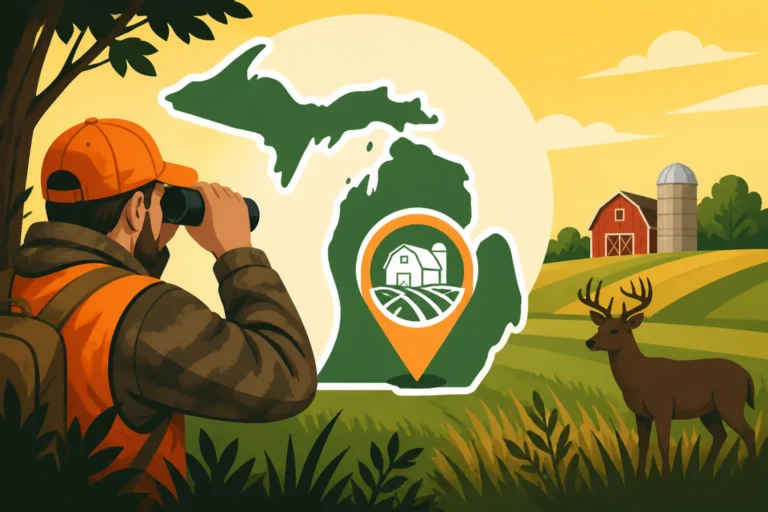
For those of us who cherish the tradition of hunting in Michigan, the public access component of CFA land is the real game-changer. Unlike traditional private land where you absolutely need explicit permission from the landowner before stepping foot on it, CFA land is open by default for hunting, fishing, and trapping. This means you don't have to spend precious time knocking on doors or navigating complicated permission requests. You can simply consult the maps, identify CFA parcels, and plan your hunt. This expansion of accessible hunting ground is particularly significant in the Lower Peninsula, where large tracts of contiguous public land can sometimes be harder to come by. It essentially transforms what would otherwise be private, off-limits acreage into another valuable option for ethical outdoorsmen and women. It’s a huge relief for those who feel the squeeze of limited public access.
Finding and Identifying CFA Parcels
The first hurdle for many hunters interested in CFA land is simply finding it. Unlike state game areas or national forests that are often well-signed, CFA parcels can be a bit more subtle. However, with the right tools and a little bit of homework, you can easily pinpoint these valuable hunting opportunities.
Using Digital Tools: onX Hunt and Mi-HUNT
In this modern age, digital mapping tools are your best friend for locating CFA land. Applications like onX Hunt are incredibly powerful for this purpose. Many of these apps have distinct map layers that clearly differentiate CFA land from other public or private parcels. You can zoom in, identify property lines, and even see the name of the private landowner if you need to be absolutely sure. onX Layers for Michigan Land Status can show you exactly where these lands are. These apps can be a game-changer for scouting, allowing you to identify potential access points, find natural funnels, and plan your approach long before you ever step foot in the woods. While there are other mapping apps out there, onX Hunt has proven to be a reliable choice for many Michigan hunters, providing detailed land ownership information that is crucial for navigating these unique properties. Using the Michigan Mi-HUNT Map is another excellent resource, directly from the Michigan DNR, though it may not offer the same level of detailed parcel information as a commercial app.
Official DNR Resources and Maps
Beyond commercial apps, the Michigan Department of Natural Resources (DNR) provides official resources that can help you identify CFA land. The DNR website often hosts interactive maps or downloadable PDF maps specifically outlining commercial forest parcels. While these might not be as intuitive or feature-rich as a dedicated hunting app, they are the authoritative source for verifying land status. Checking these maps is always a good idea to confirm boundaries and ensure you are on a legitimate CFA parcel. You can often filter these maps by county or region, making it easier to pinpoint areas of interest near your favorite hunting grounds. Remember, cross-referencing information from different sources helps ensure accuracy, especially when dealing with land that has a unique public-private designation.
Recognizing CFA Signs on the Ground
Once you've done your digital scouting, it's important to be able to recognize CFA land when you're actually in the field. While these lands are open to public access, they are still private property, and you won't always find large, clear signs announcing "Public Hunting – Commercial Forest Act Land." Instead, look for more subtle markers. Sometimes, the boundary lines might be painted, or you might see small, official-looking CFA signs, though they can be few and far between, or weathered over time. The best practice is to carry your digital map (like onX Hunt) with you, using its GPS functionality to confirm your location relative to known CFA parcels. This helps you stay confident that you're on accessible land and not inadvertently trespassing onto a neighboring private parcel that isn't part of the program. Finding Michigan Property Lines becomes incredibly important here, as boundaries are not always obvious.
Rules and Responsibilities for Hunters on CFA Land
Hunting on CFA land comes with a unique set of rules and responsibilities. While it's open to the public, it's still privately owned, meaning hunters need to be extra mindful and respectful of both the land and the landowner. Misconduct could jeopardize the program for everyone.
Permitted Activities and Prohibited Actions
On CFA land, the primary permitted activities are hunting, fishing, and trapping, in accordance with all state regulations. This means you can pursue deer, turkeys, small game, and furbearers just as you would on other forms of public land. However, there are some important prohibitions to be aware of. For instance, you generally cannot place permanent treestands or blinds on CFA land. Portable stands are typically allowed, but they must be removed after each hunting season, similar to rules on many state forest lands. Treestand Rules on Michigan Public Land is a good reference. Additionally, activities that are not directly related to hunting or fishing, such as camping (unless specifically allowed by the landowner or state regulations), off-road vehicle use (unless on designated trails), or cutting firewood, are usually prohibited. It's crucial to treat these lands with the utmost respect, understanding that they are working forests and not simply recreational parks.
Respecting Timber Operations and Private Property
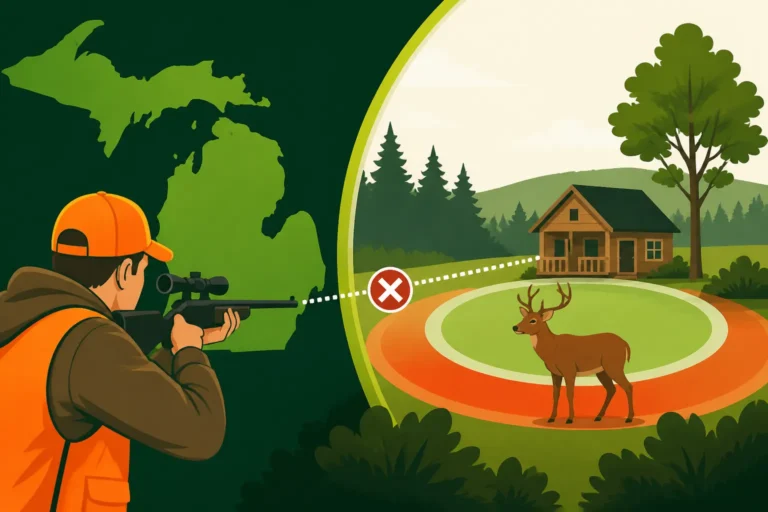
One of the most critical aspects of hunting CFA land is understanding that these are active commercial forests. This means you might encounter logging operations, heavy machinery, and freshly cut areas. Always give logging crews a wide berth and never interfere with their work. Timber operations can change the landscape rapidly, and areas that were once prime hunting spots might be actively logged when you arrive. Furthermore, while the land is open to public access, it's still private property. This implies a higher level of respect for the land itself and for the unseen landowner. Avoid littering at all costs, don't damage trees or infrastructure, and ensure you close any gates you encounter. Your actions reflect on all hunters, and showing courtesy and respect helps ensure the program's longevity. Remember, a good hunter leaves no trace and always acts as an ambassador for our sport.
Leave No Trace: Ethical Hunting on CFA
The principles of "Leave No Trace" are paramount when hunting CFA land. Pack out everything you pack in, including spent shell casings, food wrappers, and any other garbage. This isn't just a suggestion; it's a fundamental responsibility. Imagine a landowner finding trash on their property – it quickly erodes their goodwill towards the program and public hunters. Field dressing your animal should be done in a way that minimizes visible impact, and properly disposing of entrails away from trails or water sources is always a good practice. Field Dressing a Deer in Cold Weather offers great advice on this. Moreover, be mindful of your vehicle access. Stick to established roads or parking areas, and avoid driving on soft ground or damaging natural areas. The more respectful and considerate hunters are, the more likely these private landowners will continue to participate in the CFA program, preserving these valuable hunting opportunities for generations to come.
| Aspect | State Forest / SGA | National Forest | Commercial Forest Act (CFA) Land |
|---|---|---|---|
| Ownership | State of Michigan | Federal Government | Private (with public access agreement) |
| Primary Purpose | Recreation, timber, wildlife habitat | Recreation, timber, conservation | Commercial timber production |
| Public Access | Generally open for hunting/fishing | Generally open for hunting/fishing | Legally open for hunting/fishing |
| Tax Incentive | N/A (publicly owned) | N/A (publicly owned) | Significant property tax reduction |
| Permits/Fees | State licenses apply | Federal/state licenses apply | State licenses apply |
| Treestands | Temporary, removed seasonally | Temporary, removed seasonally | Temporary, removed seasonally (check specific rules) |
| Camping | Dispersed camping often allowed | Dispersed camping often allowed | Generally not allowed (check landowner) |
| Logging Activity | Common, managed by DNR | Common, managed by US Forest Service | Very common, managed by private owner |
| Ease of Finding | Well-marked, abundant maps | Well-marked, abundant maps | Requires detailed maps/apps (e.g., onX Hunt) |
| Signage | Official state/federal signs | Minimal or absent official "CFA" signs | |
| ORV Use | Restricted to designated trails | Restricted to designated trails | Restricted to designated trails |
| Baiting | Follows statewide/local rules | Follows statewide/local rules | Follows statewide/local rules Baiting Rules on Michigan Public Land |
Benefits and Challenges of Hunting CFA Land
Hunting Michigan's Commercial Forest Act land offers a unique set of advantages and disadvantages. Understanding both sides of the coin will help you make the most of these opportunities and avoid potential frustrations.
Advantages for the Public Land Hunter
The most obvious advantage of CFA land is the sheer volume of additional accessible acreage it provides. How Many Acres Michigan Opens to Hunters is significantly boosted by these private lands. In regions where state and federal public lands might be fragmented or heavily pressured, CFA parcels can offer a welcome expansion of hunting territory. This can translate into finding less pressured deer, especially later in the season when many hunters have retreated from the more accessible areas. Because these lands are managed for timber, they often feature diverse habitat types, from mature hardwoods to dense clear-cuts and regenerating forests, which can be excellent for deer, grouse, and turkeys. The dynamic nature of logging means that habitat conditions are constantly changing, creating new opportunities year after year. Hunting Pressure on Michigan State Land is often lower on CFA parcels compared to traditional public land.
Potential Drawbacks and Considerations
However, hunting CFA land isn't without its challenges. The biggest consideration is the active logging operations. You might scout a perfect spot in July only to find it's a timber harvest zone by November. This requires flexibility and an understanding that the landscape can change. Access can also be a minor issue; while the land is open for hunting, vehicle access might be restricted to certain points, meaning you could be in for a long walk or a strenuous drag if you harvest an animal. Dragging a Deer Through Michigan Snow can be a real workout. Furthermore, because these lands aren't always heavily signed, accidental trespass onto adjacent non-CFA private land can be a risk if you're not constantly checking your mapping tools like onX Hunt. Lastly, while generally less pressured than some popular state land, word still gets out about good spots, so don't expect to always have the woods entirely to yourself.
Strategic Hunting on CFA Parcels
To successfully hunt CFA land, a strategic approach is essential. First, extensive pre-season scouting, both digitally and on foot, is key. Use your mapping apps to identify timber types, potential bedding areas, food sources (if natural), and water. Look for recent or active logging, as deer often gravitate to the browse created in regenerating clearcuts. Secondly, be adaptable. If your primary spot is being logged, have a backup plan. Deer will adjust to logging activity, often moving to adjacent, undisturbed cover. Thirdly, focus on areas that might be harder to access, as these often hold less pressured game. A long walk in can often lead to a more secluded experience. Finally, remember that these are private lands. Being respectful and leaving no trace is crucial for maintaining these valuable hunting opportunities for all of us. Scouting Michigan Public Land Before Season becomes even more critical on these dynamic properties.
Comparing CFA to Other Public Access Options
Michigan offers a wealth of public hunting opportunities, but CFA land stands out due to its unique ownership and management model. Understanding how it compares to state forests, state game areas, and national forests can help you diversify your hunting strategy.
CFA vs. State Forests and Game Areas
Michigan State Forests and State Game Areas (SGAs) are often the first thought when hunters think of public land. These lands are owned and managed by the state, with a focus on multiple-use, including recreation, timber, and wildlife habitat. They are typically well-signed, and their rules are generally consistent across regions. Michigan State Forest Hunting Rules are pretty standard. The key difference with CFA land is the ownership and the primary management goal. While state lands are managed for the collective public good in a broader sense, CFA land is primarily managed for commercial timber production by private entities, with public access as a condition. This can mean more active logging and less emphasis on recreational infrastructure like maintained trails or designated parking areas, which might be more common on state lands. Both offer great hunting, but CFA often presents a more rugged, less developed experience.
CFA vs. National Forests
Michigan is fortunate to host three National Forests: the Huron-Manistee, Ottawa, and Hiawatha. These vast federal lands offer massive tracts of contiguous hunting ground, especially in the northern Lower and Upper Peninsulas. National Forests are managed by the U.S. Forest Service with a focus on conservation, timber, and recreation, similar in scope to state forests but often on a grander scale. They are generally well-mapped and have established rules for public use. The primary distinction between National Forests and CFA land lies again in ownership and scale. National Forests are federally owned and managed, providing a more consistent and predictable experience over immense areas. CFA lands, being privately owned and smaller in individual parcel size, can be more fragmented and subject to the specific management decisions of individual landowners, even within the broad framework of the CFA program. Both are fantastic resources, but CFA often requires more detailed reconnaissance due to its dispersed nature.
CFA and the Future of Michigan Hunting
The Michigan Commercial Forest Act plays a vital role in the future of hunting in our state, particularly as development pressures increase and traditional hunting lands become scarcer. As more hunters seek opportunities, programs like CFA become increasingly important for providing diverse landscapes and reducing pressure on other public lands. The continued success of the CFA program hinges largely on the responsible behavior of hunters. By respecting the landowners, adhering to regulations, and practicing ethical hunting and Leave No Trace principles, we ensure that these valuable private lands remain open for generations to come. It’s a delicate balance, but one that is absolutely essential for sustaining Michigan’s rich hunting heritage. Ultimately, CFA land is a testament to cooperation between private enterprise and public recreation, ensuring that Public Hunting Land in Michigan remains plentiful.
Disclaimer
This article is for general informational purposes only and does not constitute professional advice. Laws, prices and regulations vary by location and change over time. Consult a qualified professional for guidance on your specific situation.