Pheasants and Michigan Farmland
Michigan ringneck pheasant populations and hunting challenges, explaining historical habitats, agricultural shifts, and modern bird decline reasons.
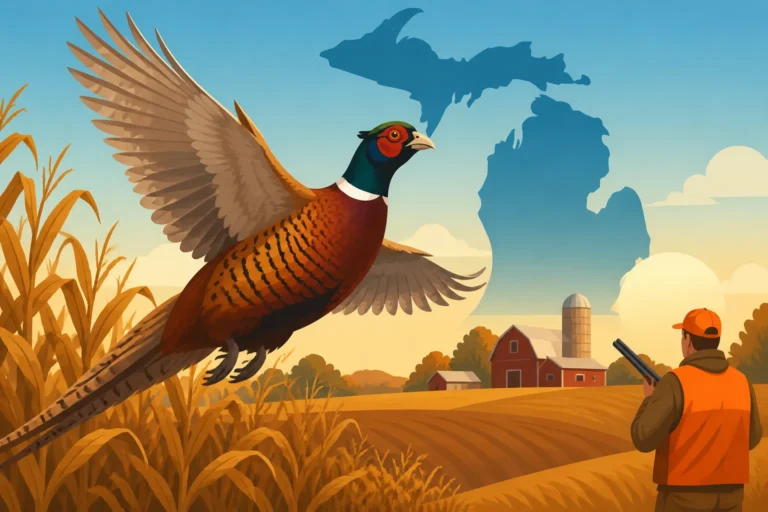
Michigan ringneck pheasant populations and hunting challenges, explaining historical habitats, agricultural shifts, and modern bird decline reasons.
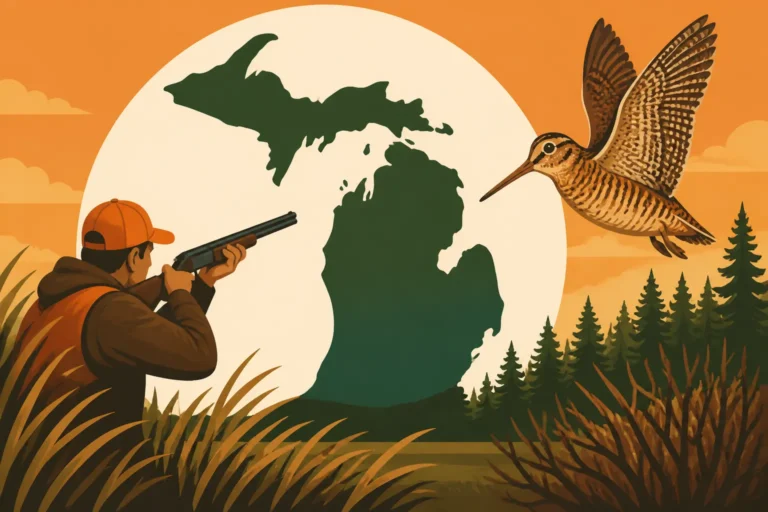
Michigan sits in the Mississippi and Atlantic flyways, providing crucial stopover habitat for migrating woodcock populations.
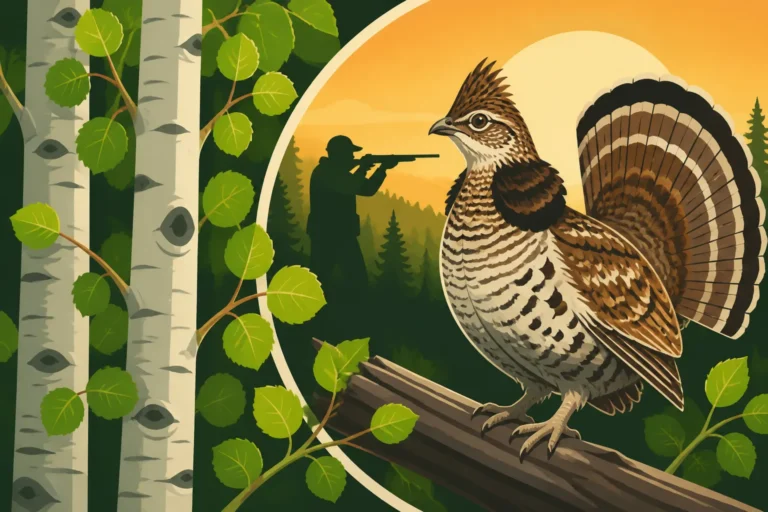
Michigan aspen management creates dense forest habitats that provide ruffed grouse with vital winter food and predator protection.
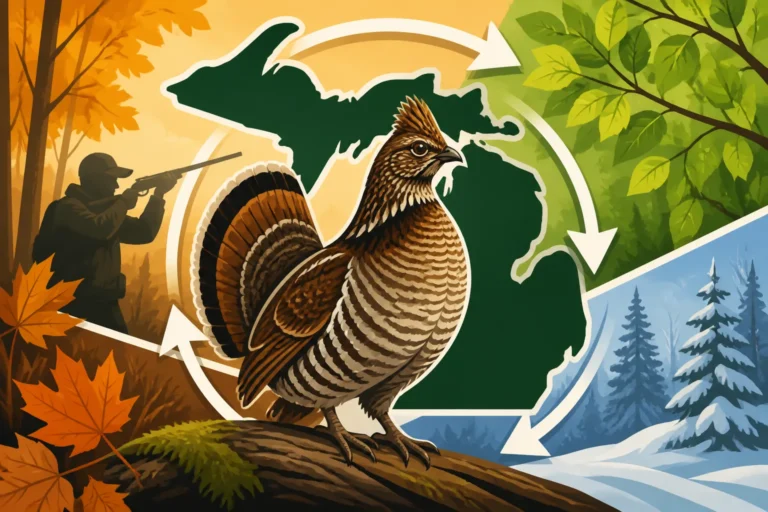
Michigan ruffed grouse population cycles explain eight to eleven year patterns of dramatic bird increases and decreases.
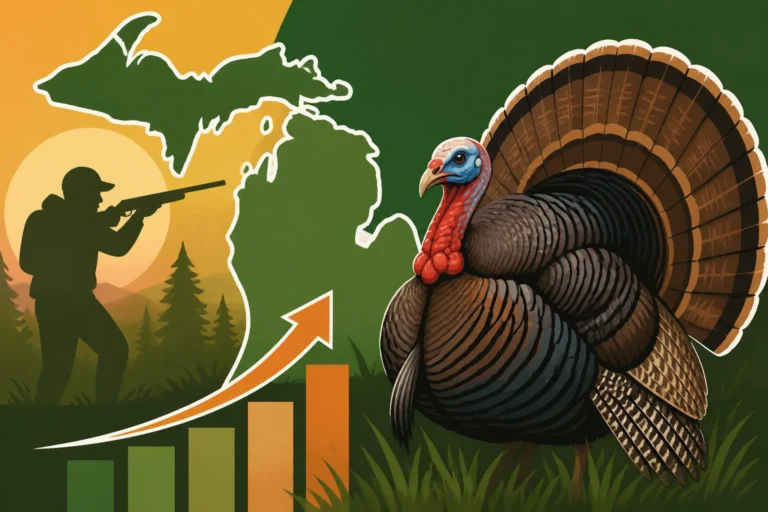
Michigan turkey harvest numbers and DNR reporting data help hunters gauge wild turkey population health and strategize successful hunts.
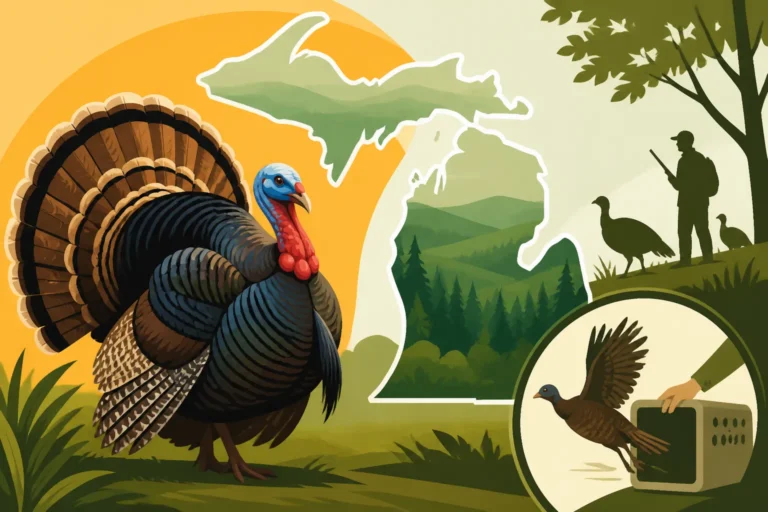
Wild turkeys vanished from Michigan by 1907 due to habitat destruction, leading to early conservation and reintroduction efforts starting in the 1930s.
Michigan wild turkey population trends, historical decline, and successful trap and transfer reintroduction efforts across the state.
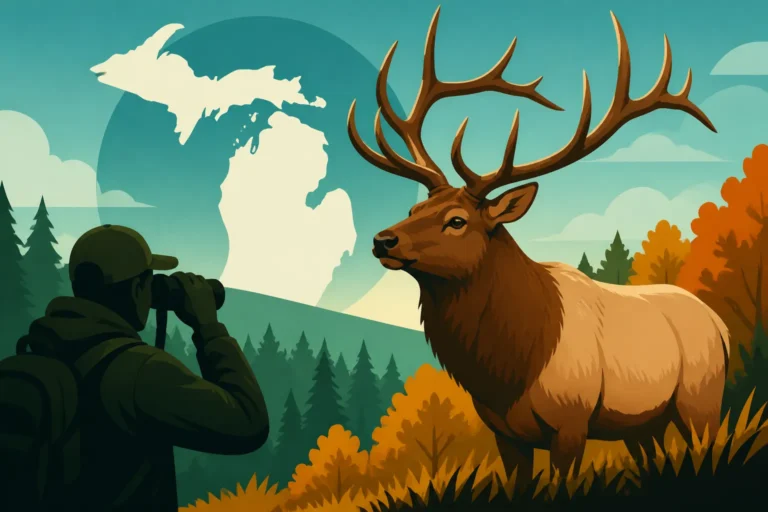
Michigan elk viewing locations, herd history, and habitat details help visitors find wild animals in the northern Lower Peninsula.
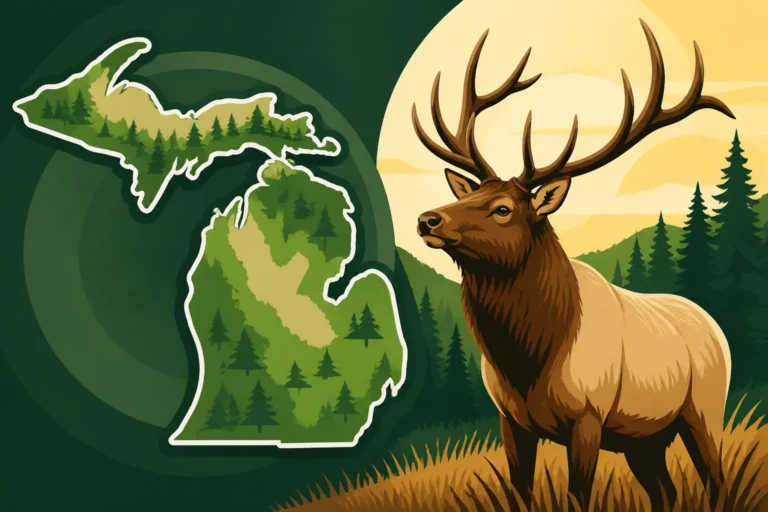
Michigan elk habitats, historical reintroduction efforts involving seven animals, and the Pigeon River Country State Forest.
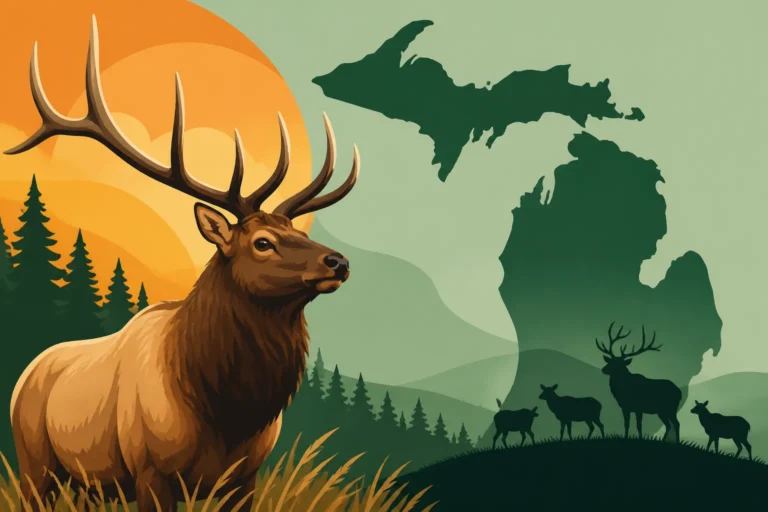
Michigan elk history, including the 1918 reintroduction of seven animals near Wolverine that established the current herd.