Winter Severity Index and What It Means
Michigan Winter Severity Index calculation methods and scores help hunters understand harsh weather impacts on deer herds.
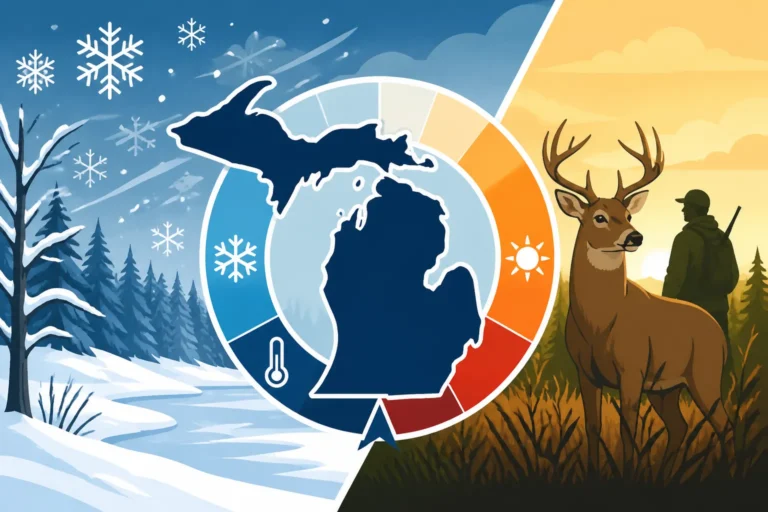
Michigan Winter Severity Index calculation methods and scores help hunters understand harsh weather impacts on deer herds.
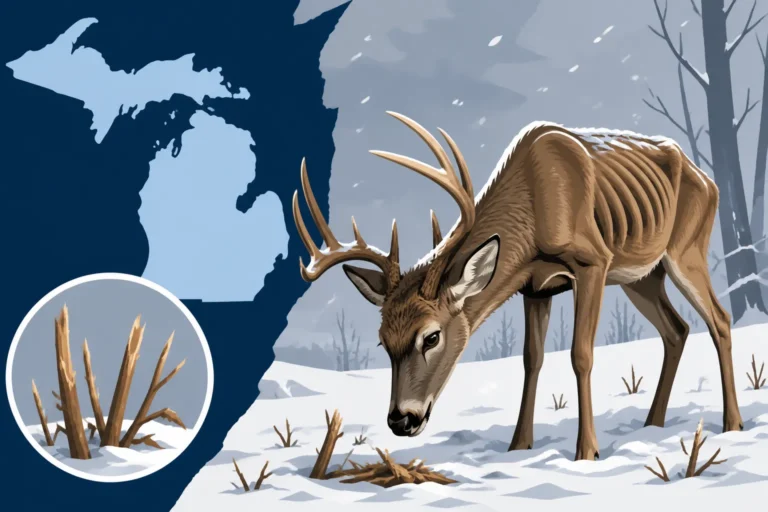
Michigan deer survival during harsh winters relies on fat reserves, metabolic slowdowns, thermal conifer cover, and behavioral adaptations.
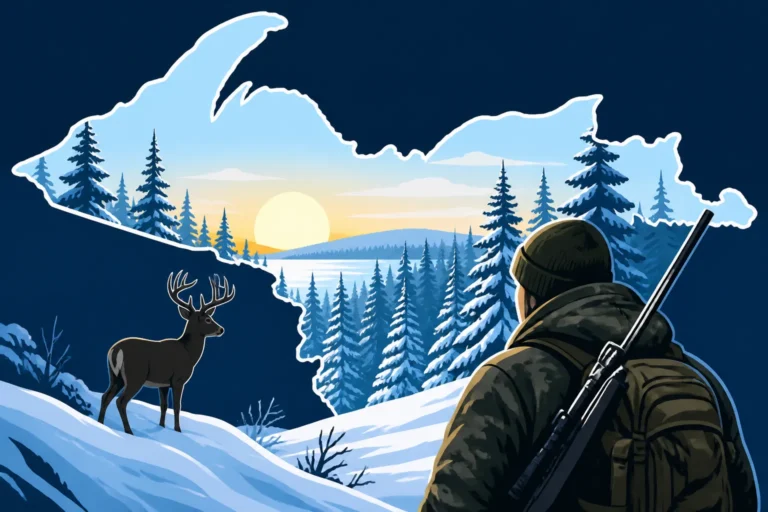
The Winter Severity Index explains how Michigan deer survival drops during 111 days of deep snow and subzero temperatures.
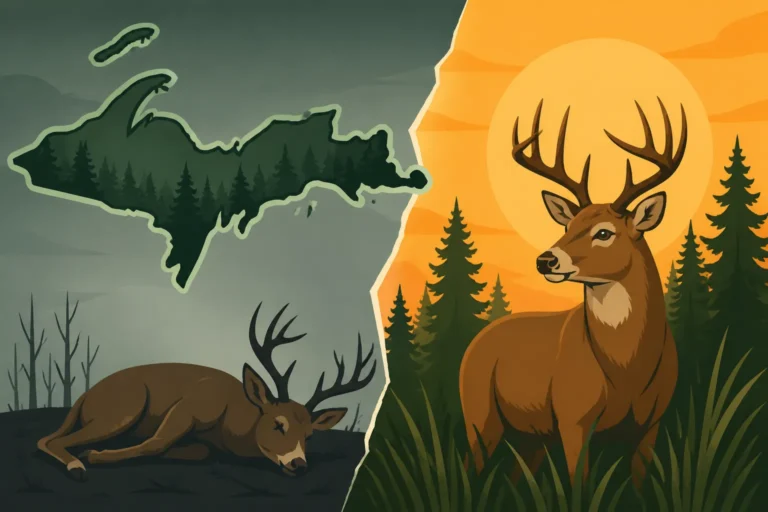
Michigan Upper Peninsula winter severity and deep snow cause significant white-tailed deer mortality, tracked by biologists.
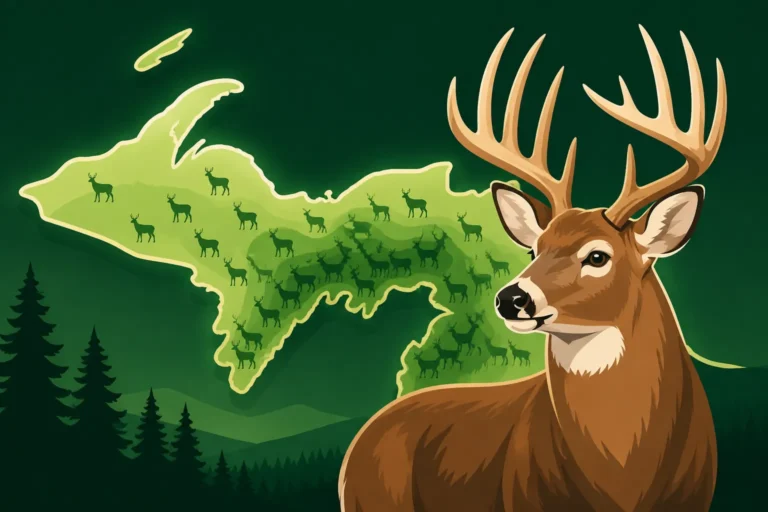
Upper Peninsula deer density depends on severe winters with deep snow, natural food limits, and wolf, coyote, and bear predation.
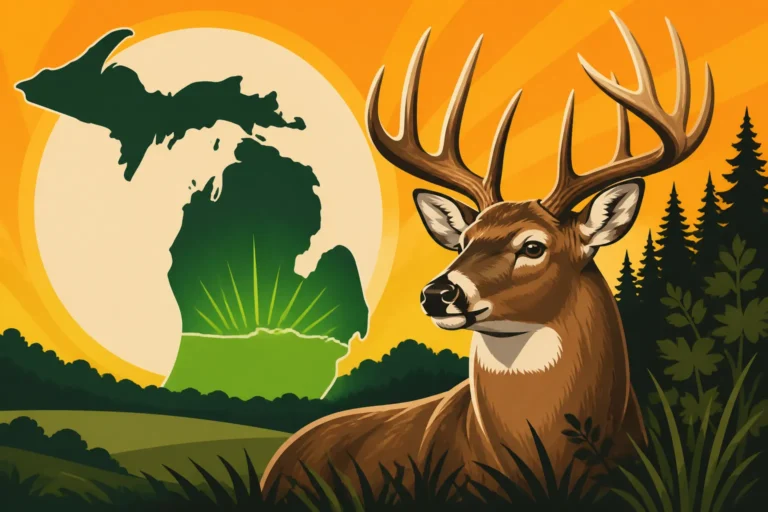
Southern Michigan deer populations achieve bigger antlers due to abundant agricultural food sources and managed age structures.
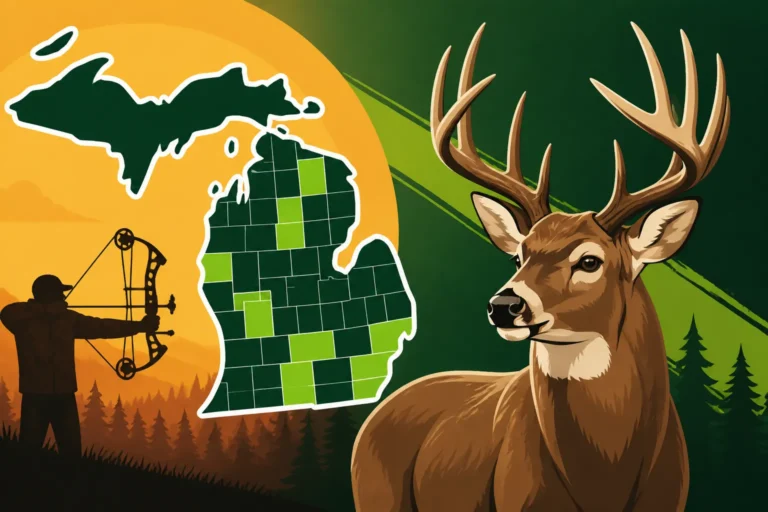
Michigan counties with the best opportunities for harvesting mature whitetail bucks aged three point five years or older with heavy antlers.
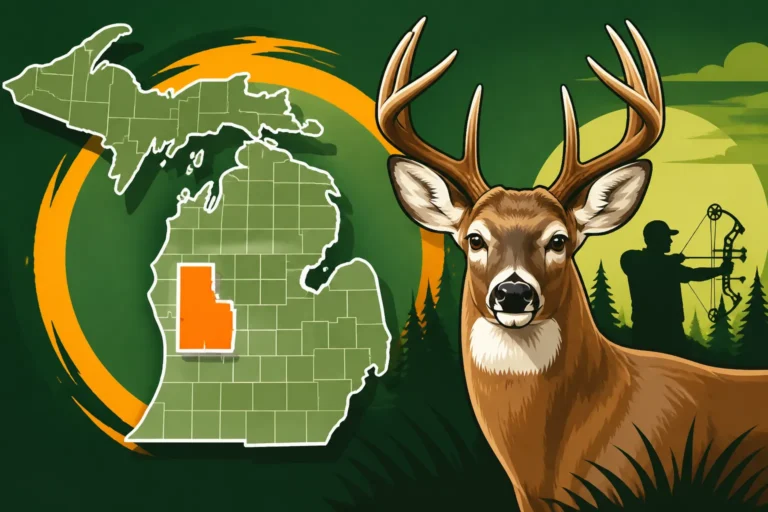
Michigan deer harvest data from the Department of Natural Resources reveals which counties produce the highest total numbers.
Michigan annual deer harvest data reveals statewide population health, hunter success rates, and Department of Natural Resources management strategies.
Michigan deer herd size varies across regions, influenced by winter weather, habitat changes, and diseases monitored by the Department of Natural Resources.